




0102030405
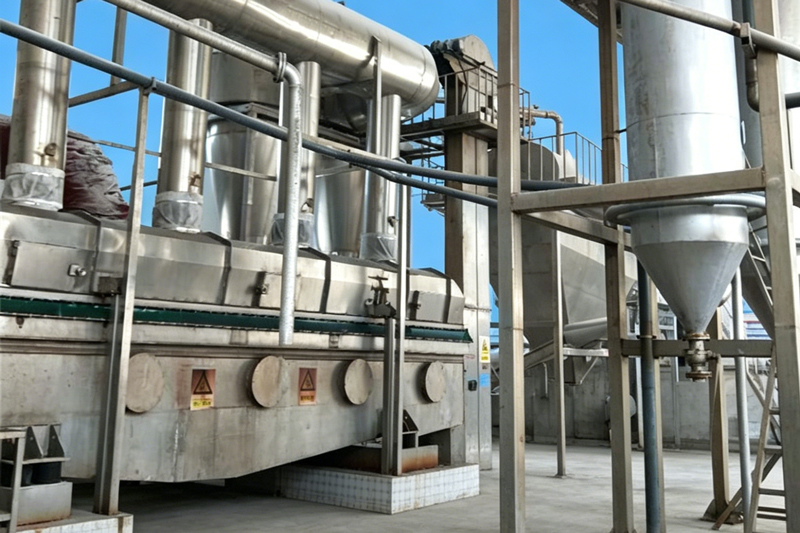
Water Washing Salt Equipment - High Purity Salt Purification Machine from China Suppliers & Factory
Technical Characteristics
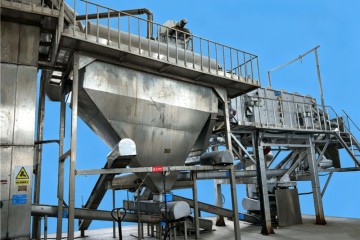
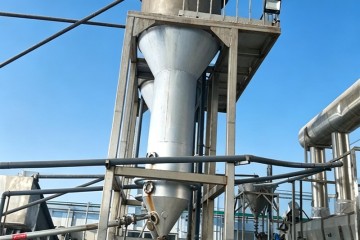
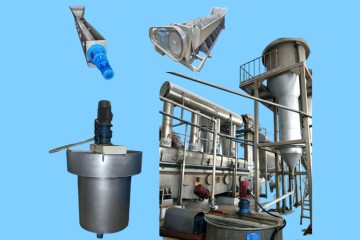
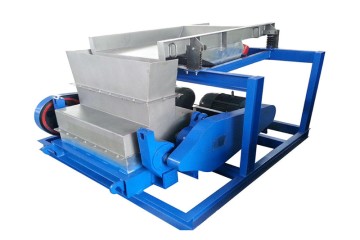
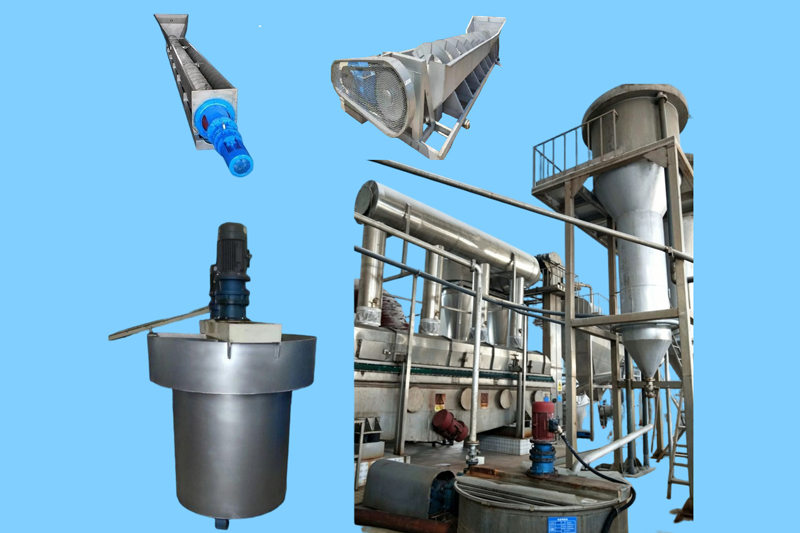
Raw salt usually contains sand, soil, soluble impurities and lumps, and needs to be thoroughly washed to ensure the quality of subsequent dehydration, drying and packaging. The core process of salt processing determines the final quality of salt. Our washing system integrates spiral washing, stirring washing and counter-current washing. The specially designed spiral device, vertical stirring washing and unique counter-current washing effectively remove soluble and insoluble impurities through suspension and dissolution, solving problems such as impure salt, excessive water waste and unstable quality, and achieving efficient production of high-standard salt.
Primary screw washing
✓
Purpose: To conduct a preliminary cleaning of crude salt, removing large particle impurities and dirt.
✓
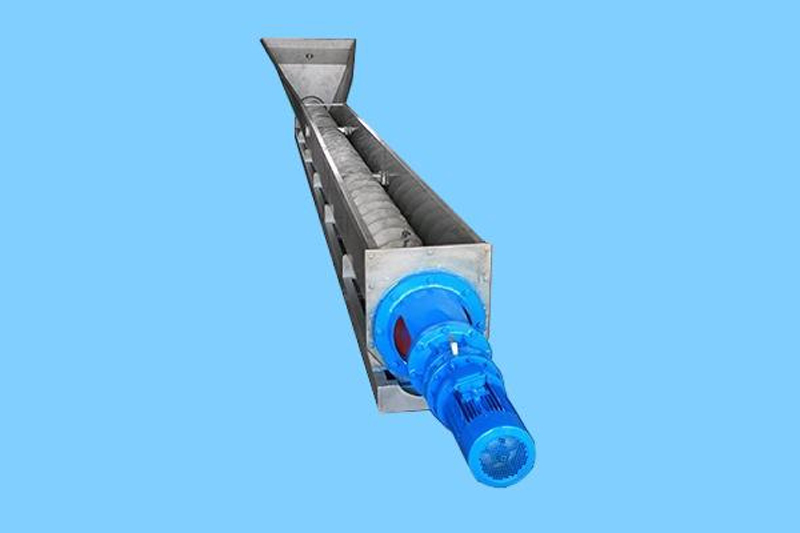
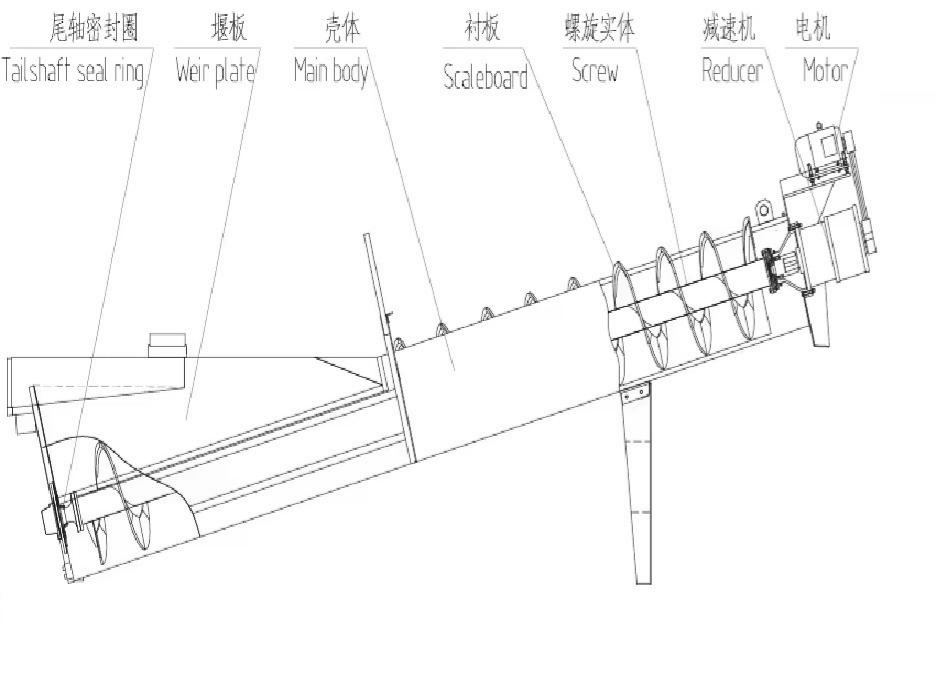
Working principle: Crude salt is sent into a screw conveyor, where it is mixed with water. The rotating screw stirs the salt and water, thereby washing away most of the surface impurities.
✓
Design features: The screw salt washing machine integrates the functions of conveying and cleaning, saving factory space and improving production efficiency. It is equipped with a double-blade design and dual spray, ensuring the best washing effect. It comes with a bracket and guardrail. The speed is adjustable, capable of handling different salt quantities and cleaning requirements.
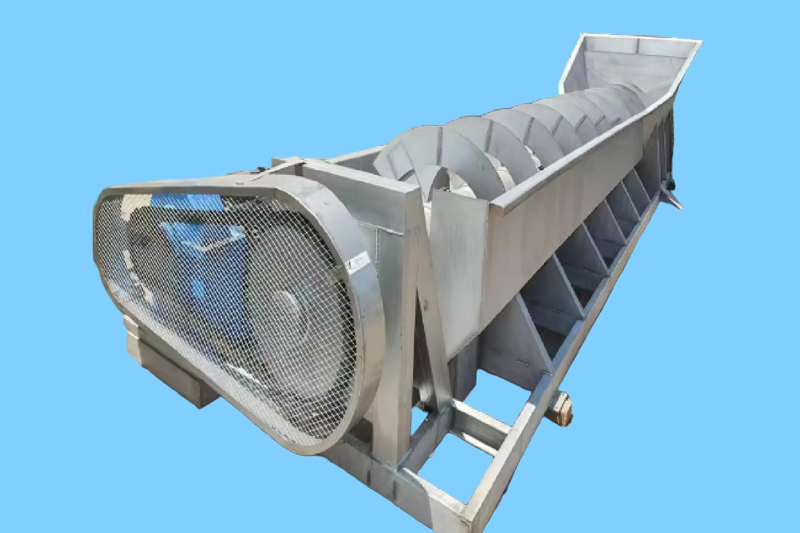
| Part | Dimension |
|---|---|
| Spiral shaft (thick-walled pipe) | 14mm |
| Spiral blade | 8mm |
| Spiral size | 6000 × 520mm |
| Main material | SUS316L |
| Motor power | 5.5KW |
Vertical stirring and cleaning
✓
Vertical stirring and cleaning provide a more powerful and thorough cleaning.
✓
Salt enters the stirring and cleaning stage, which is the core of deep purification. This stage focuses on removing soluble impurities (such as calcium and magnesium) from the salt as well as residual insoluble impurities, ensuring that the purity of the finished salt reaches 99.5% or higher.
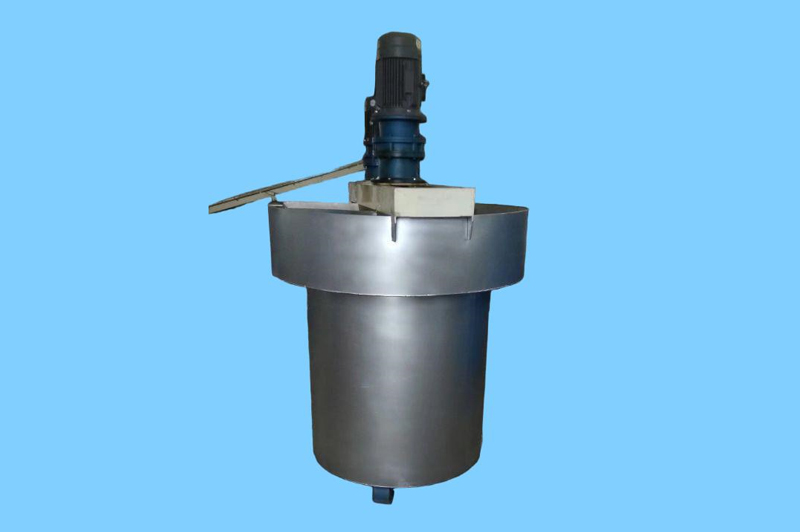
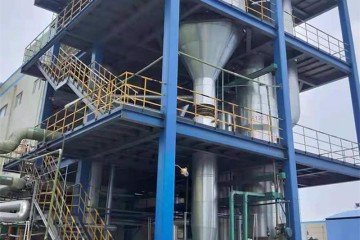
Working principle: The salt slurry enters from the top. Under the stirring action of the blades, the washing liquid strongly collides, brushes and mixes with the salt particles, and forms a reverse washing, which separates the dirt on the surface of the particles from the particles to achieve the washing purpose. The salt slurry is pumped out from the bottom pump port, and the washing liquid overflows from the upper overflow ring. The stirring speed is adjustable, and the blade configuration is also adjustable. The pressure plate can prevent liquid splashing, and it is equipped with a safety guard net for safer use.
| Item | Size | Remark |
|---|---|---|
| Widthy | 1200mm | |
| Height | 1800mm | |
| Powder | 5.5KW |
Counter-current cleaning
✓
Counter-current cleaning, fine cleaning and water recovery.
✓
As the final step of the cleaning process, counter-current washing achieves precise cleaning and efficient water recovery, further removing trace impurities and reducing water waste.
The working principle of counter-current washing:
- 1 The salt to be washed is sent into the counter-current washing tank and flows unidirectionally along the tank body.
- 2 The washing water is injected from the salt discharge end (opposite to the salt flow direction), forming a counter-current circulation. This counter-current flow maximizes the contact between salt and water, effectively removing any remaining impurities.
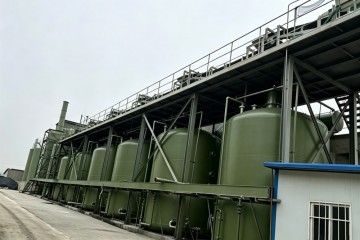
- 3 The used washing water (containing a small amount of impurities) is collected and filtered, and can be reused in the spiral washing or stirring washing stage, achieving water recycling and reducing water consumption by 40%. The design of multiple tanks or channels, along with controllable water flow, ensures the effectiveness of counter-current washing. The materials are sturdy and durable, and have undergone anti-salt treatment, capable of withstanding the continuous impact of water flow and the corrosion of salt on the materials.
Frequently Asked Questions
Q
Why is raw salt washing necessary in salt processing?
Raw salt naturally contains sand, soil, soluble impurities, and lumps. Thorough washing is essential to eliminate these impurities, ensuring high quality in subsequent dehydration, drying, and packaging phases.
Q
How does the primary screw washing process clean crude salt?
Crude salt is fed into a screw conveyor and mixed with water. As the screw rotates, it stirs the mixture, effectively washing away the majority of surface dirt and large-particle impurities.
Q
What purity level can be achieved using the vertical stirring and cleaning stage?
The vertical stirring and cleaning stage acts as the core of deep purification. By removing soluble impurities like calcium and magnesium, it ensures that the finished salt reaches a purity level of 99.5% or higher.
Q
How does counter-current washing reduce water consumption?
Counter-current washing runs washing water in the opposite direction of the salt flow. The used water is collected, filtered, and reused in the spiral or stirring washing stages, reducing overall water consumption by 40%.
Q
Are the materials used in the washing system corrosion-resistant?
Yes. The equipment is constructed from robust materials, such as SUS316L for the spiral washing parts. Additionally, the materials undergo specialized anti-salt treatments to withstand continuous water flow and salt corrosion.