



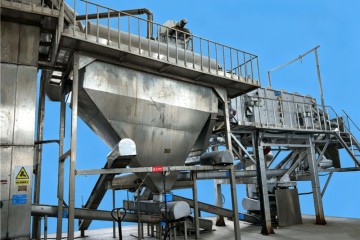
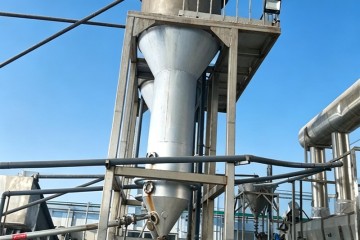

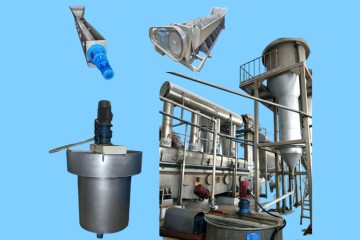
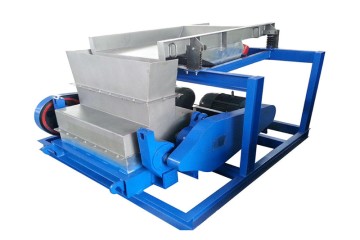
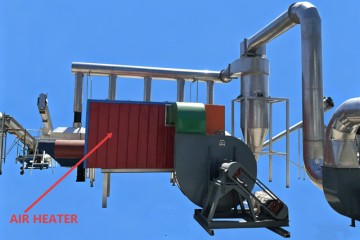
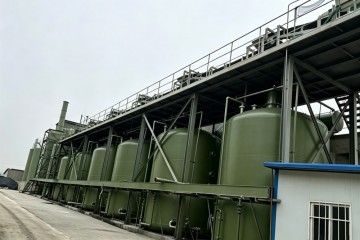

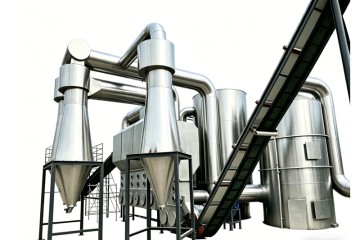
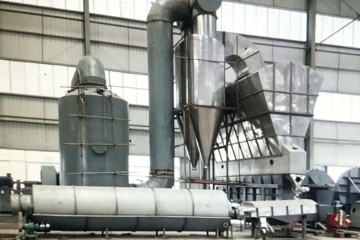
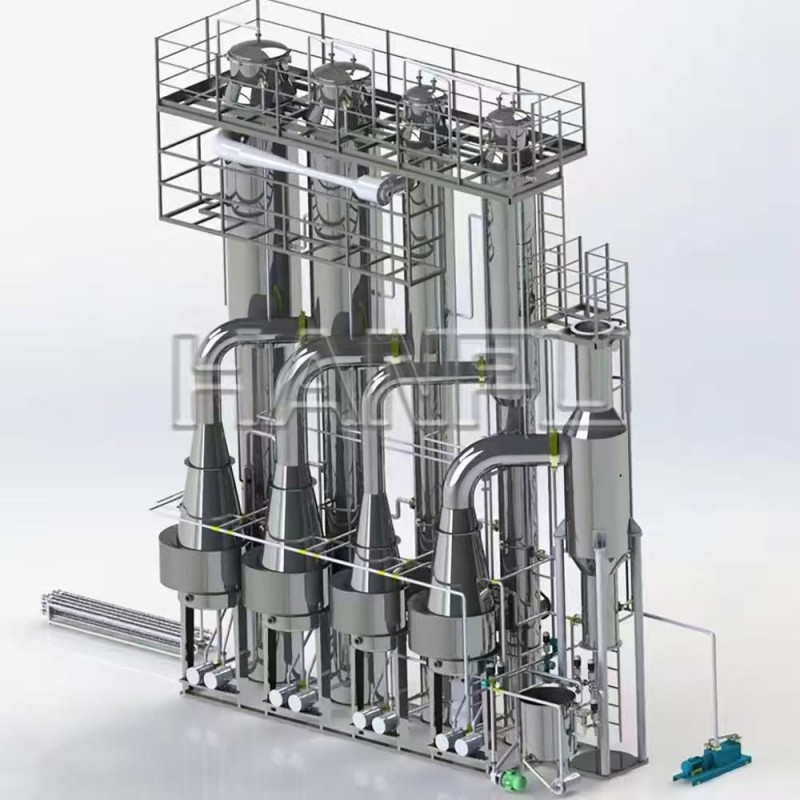
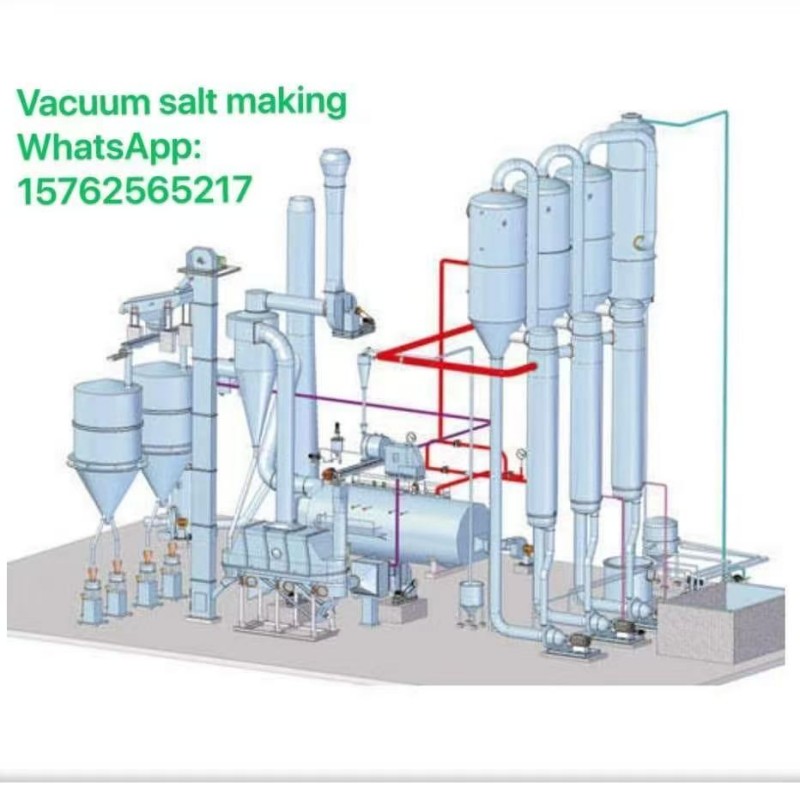
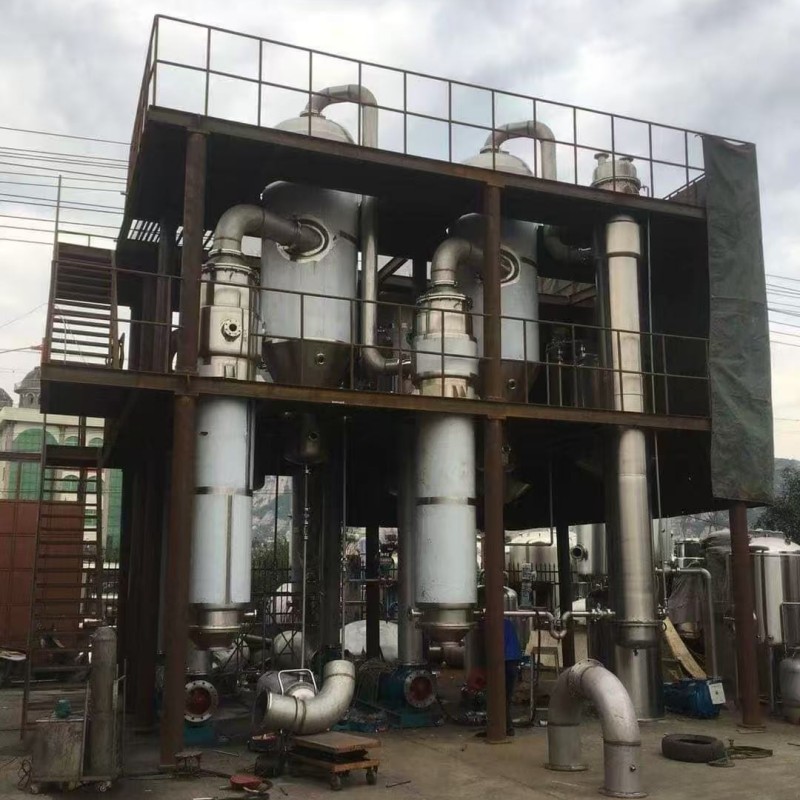
Vacuum Salt-Making Equipment
Product Advantages
- Remarkable energy saving: the multi-effect evaporation system recycles secondary steam, has a high thermal energy utilization rate, and the energy consumption is much lower than that of single-effect equipment. Long-term production can effectively save operating costs.
- Anti-scaling and strong continuity: forced circulation evaporation design, high flow rate, slow down the adhesion of pipe wall salt scale, support long-term uninterrupted stable production, and low shutdown cleaning frequency.
- Stable product quality: low-temperature crystallization in vacuum environment, uniform salt grain shape, high purity of salt products, meeting the quality requirements of industrial salt and edible refined salt.
- Wide adaptability: It can be customized according to the needs of production capacity, suitable for brine salt production, water washing salt deep processing and other projects.
Working Principle of Equipment
Use the vacuum low-pressure environment to reduce the boiling point of brine, and multi-effect forced cycle evaporation crystallization.
The first effect of raw steam heating, and the secondary steam generated by evaporation acts as the heat source of the next effect, which recovers heat step by step and greatly saves energy;
The circulation pump promotes the high-speed flow of brine, which effectively prevents scaling of the inner wall of the equipment; the brine continues to concentrate, precipitates sodium chloride salt crystals, and then undergoes centrifugal dehydration and drying to obtain refined salt finished products.
Structural Design & Core Advantages
The product adopts an integral stepped shaft structure, which optimizes the force distribution of each section under torsional load and avoids stress concentration at the step transition. The large-diameter head section is designed with two radial through holes of different sizes: the main hole is used for installing the fixing pin of the spiral spring blade, and the auxiliary hole is used for positioning and locking, which effectively prevents the spiral body from loosening and falling off during high-speed rotation. The small-diameter power end is processed with a standard flat keyway, which fits closely with the output shaft of the reducer to ensure zero slip during high-torque transmission. The end of the shaft body is reserved with an auxiliary positioning hole to improve assembly accuracy and disassembly efficiency.