Leave Your Message
Premium Industrial Salt Washing Machinery, Drying Plants, and Complete EPC Solutions Engineered for the Unique Geological Landscapes of Ethiopia

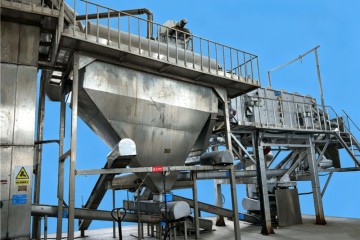
Ethiopia, one of the fastest-growing economies in East Africa, possesses a unique geological landscape that harbors immense mineral wealth. Among these resources, salt production holds a critical position in both the commercial and industrial sectors of the country. Historically, the primary source of salt in Ethiopia has been the Danakil Depression, particularly around Lake Afdera (Afrera) in the Afar Region. Located more than 100 meters below sea level, Lake Afdera is one of the hottest and most saline bodies of water in the world, serving as the heartland of Ethiopia's domestic salt harvesting operations.
For decades, local salt miners have relied on solar evaporation ponds along the shores of Lake Afdera to crystallize salt. While the natural climatic conditions of the Afar region are highly conducive to solar evaporation, the raw crude salt gathered from these ponds contains various impurities, including windblown sand, clay, gypsum (calcium sulfate), and high concentrations of magnesium and calcium chlorides. To transform this raw mineral into high-purity edible iodized salt or industrial-grade chemical precursors, advanced salt washing machinery is absolutely essential.
Over 90% of Ethiopia's table salt is sourced from the solar evaporation pans of Lake Afdera in the Afar Region.
Crude solar salt contains heavy insolubles and chemical impurities that must be washed out to meet national standards.
In recent years, the Ethiopian government has placed strict emphasis on the quality of edible salt, introducing rigorous standards for iodization. Potassium iodate, the compound used for iodizing table salt, is highly unstable in the presence of moisture and impurities like magnesium chloride, which is hydroscopic (absorbs moisture from the air). Therefore, to ensure that the iodized salt reaches consumers across the highlands of Ethiopia with its nutritional value intact, salt factories must achieve a sodium chloride (NaCl) purity level of at least 97% to 99%. This is impossible without modern, multi-stage salt washing plants that crush, wash, dewater, and dry the raw crystals.
Goiter and other iodine deficiency disorders have historically been prevalent in parts of Ethiopia. By upgrading local salt washing factories with automated crushing and counter-current washing systems, local producers can supply consistent, high-purity refined salt that complies with the Ethiopian Standards Agency (ESA) requirements. The addition of automated iodization units inside the packaging line guarantees precise dosage, protecting public health.
Beyond edible salt, Ethiopia's rapid industrialization—marked by the establishment of industrial parks in Hawassa, Bole Lemi, and Adama—has driven up the demand for high-grade industrial salt. Industries such as textile dyeing, leather tanning (Ethiopia is a major exporter of leather goods), and soap manufacturing require salt free from calcium and magnesium ions to prevent chemical interference. Localized salt washing plants bridge the gap between crude mining and high-spec industrial requirements.
Ruitu Automation introduces state-of-the-art salt chemical equipment specifically optimized for the harsh operating conditions of the Afar region. The extreme heat, high dust levels, and aggressive corrosive nature of saline environments require rugged engineering designs that minimize downtime and maintenance costs.
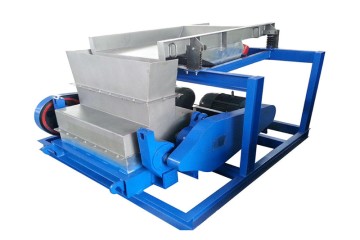
1. Double-Roll Salt Crushing: Solar salt crystals from Lake Afdera can be extremely hard and variable in size. The double-roll crusher reduces large lumps to uniform granules of 2-5mm, which is the optimal size for washing out trapped impurities without creating excess fine salt loss.
2. Counter-Current Washing Technology: This process washes the salt against the flow of the washing liquid. It ensures that the cleanest salt meets the cleanest brine, drastically reducing water usage—a crucial factor in the dry and water-scarce regions of northeastern Ethiopia.
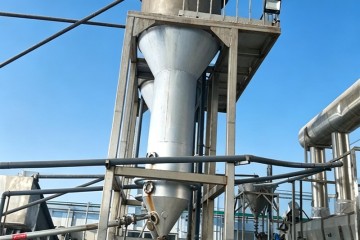
3. Fluidized Bed Drying: Utilizing advanced hot air distribution, our fluidized bed dryers reduce the moisture content of washed salt to less than 0.2%, ensuring free-flowing characteristics that prevent caking during transport across different climatic zones in Ethiopia.
The future of salt processing in Ethiopia lies in automation, energy efficiency, and value-chain integration. As local manufacturers face competition from imported refined salt, upgrading to automated lines is the only way to remain competitive. Furthermore, the byproduct of solar salt production—known as bitterns—is rich in other valuable minerals. The industry is moving towards extracting these minerals to create secondary revenue streams.
Transition to Turnkey EPC Projects: Ethiopian salt refiners are increasingly looking for complete, integrated solutions rather than purchasing isolated machines. An EPC (Engineering, Procurement, and Construction) approach ensures that the crushing, washing, drying, screening, and packaging stages are perfectly synchronized, maximizing throughput and minimizing energy consumption.
Exploitation of Salt Lake Bitterns: The concentrated brine left over after sodium chloride crystallization contains high levels of bromine, magnesium, and calcium. Forward-thinking enterprises in Ethiopia are planning to install Bromine Extraction and Magnesium Chloride production plants, transforming environmental waste into high-value chemical products for domestic use and export.
We provide specialized machinery and turnkey projects for the entire salt chemical and mineral processing industry, customized for Ethiopian industrial applications.
Complete EPC systems designed to extract industrial bromine from highly concentrated salt lake bitterns and geothermal brines.
High-capacity washers, classifiers, and hydrocyclones engineered to refine solar and rock salt to food-grade purity.
Equipment for synthesizing liquid and anhydrous calcium chloride, widely used in dust control, concrete acceleration, and oil drilling.
Evaporation and crystallization equipment to produce high-purity magnesium chloride flakes from sea water and salt lake waste streams.
Corrosion-resistant, heavy-duty belt conveyors and screw feeders designed to handle wet, abrasive, and highly corrosive salt crystals.
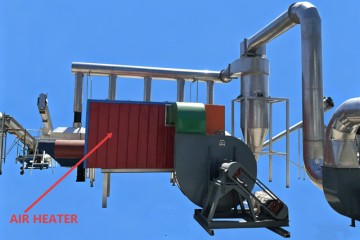
Industrial hot air furnaces, fluid bed dryers, vibrating screens, and automatic packaging systems for complete factory automation.
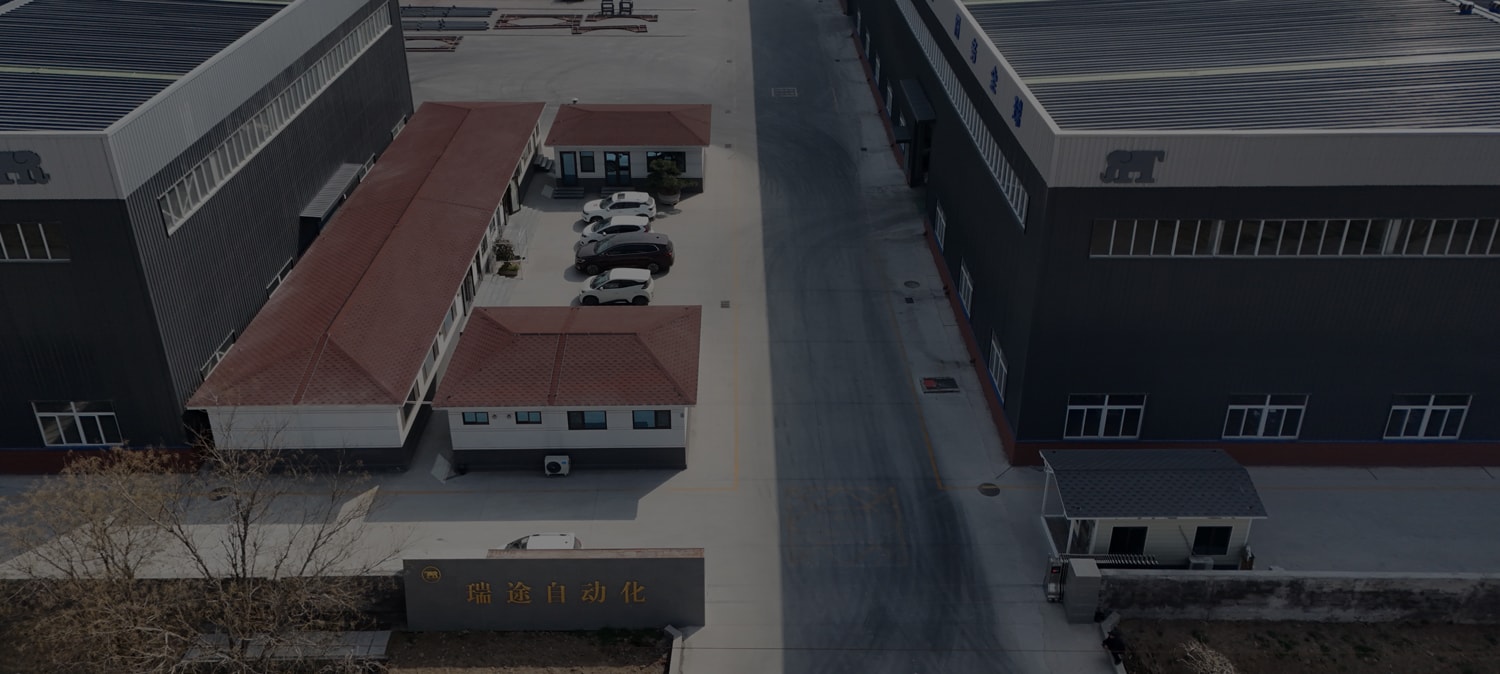
Founded in 2015, Ruitu Automation is located in the Binhai Economic and Technological Development Zone, Weifang City, Shandong Province, covering an expansive area of 28,000 square meters. With over a decade of deep-rooted experience in salt chemical equipment manufacturing, we have established ourselves as a premier EPC contractor in the global market.
We provide comprehensive, end-to-end services tailored to our clients' specific local conditions. From initial water quality testing and raw material analysis to plant site selection, customized equipment production, process formulation, installation, commissioning, and hands-on local operator training, Ruitu is dedicated to delivering highly efficient, reliable, and profitable salt chemical solutions worldwide.
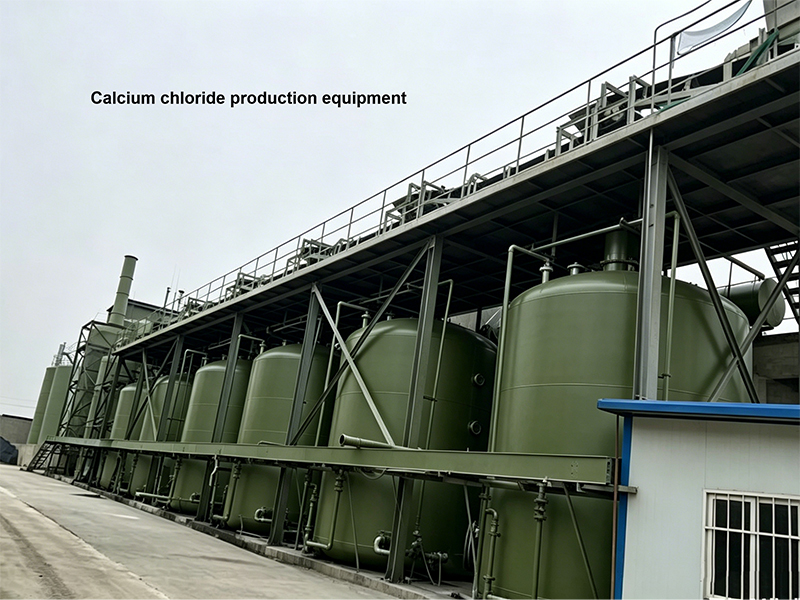
Our team of experienced engineers analyzes the local chemical composition of salt deposits and water resources in Ethiopia to draft tailored project designs, technical layouts, and economic feasibility analyses.
Learn More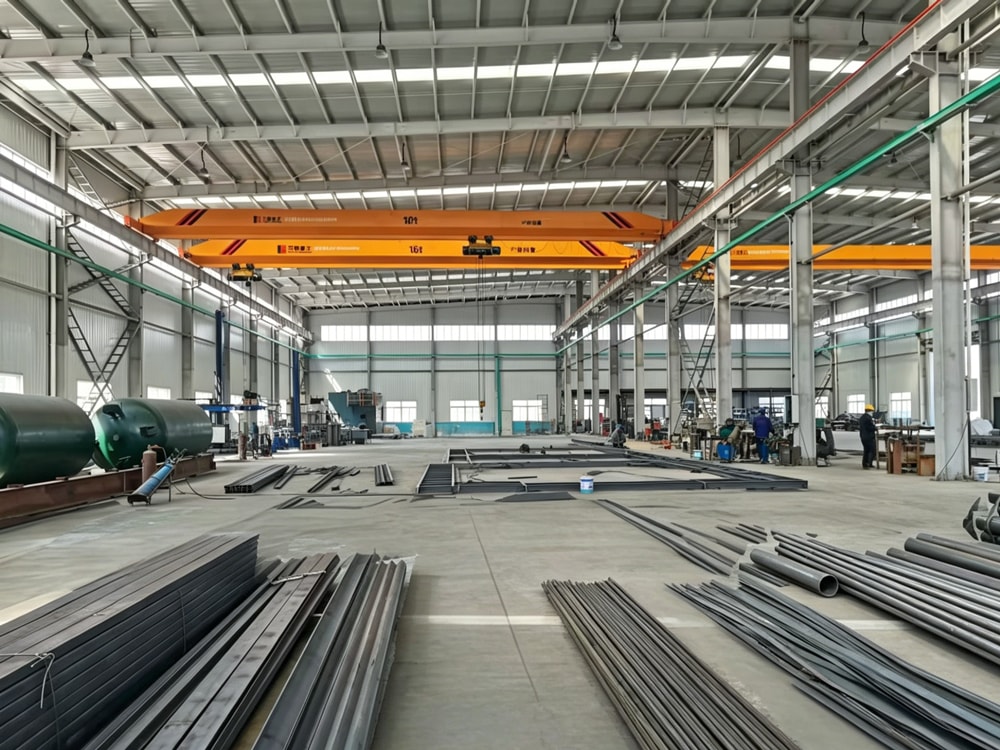
Utilizing a mature, robust supply chain and precise manufacturing standards, we build highly reliable, corrosion-resistant salt washing, drying, and crushing machinery optimized for harsh environments.
Learn More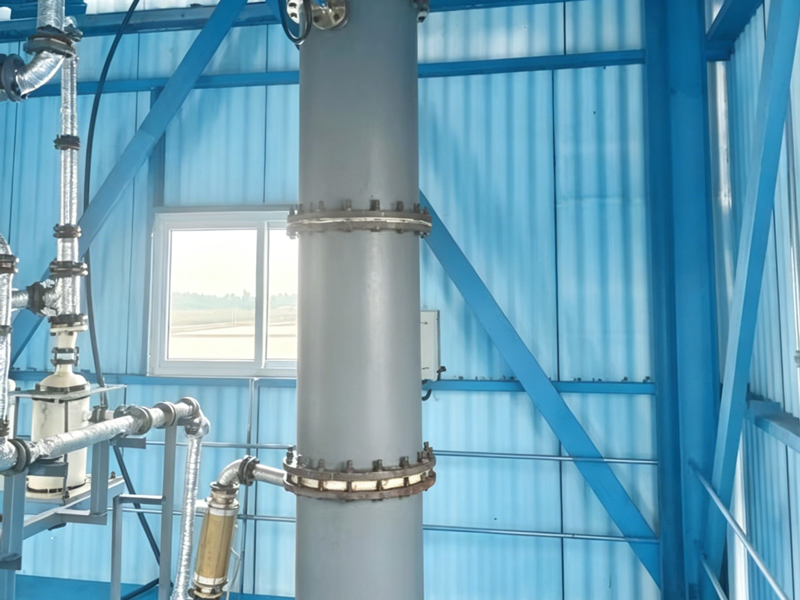
We deploy specialized technical installation crews to the site in Ethiopia to oversee assembly, initiate trial runs, and run intensive training programs for local factory operators.
Learn More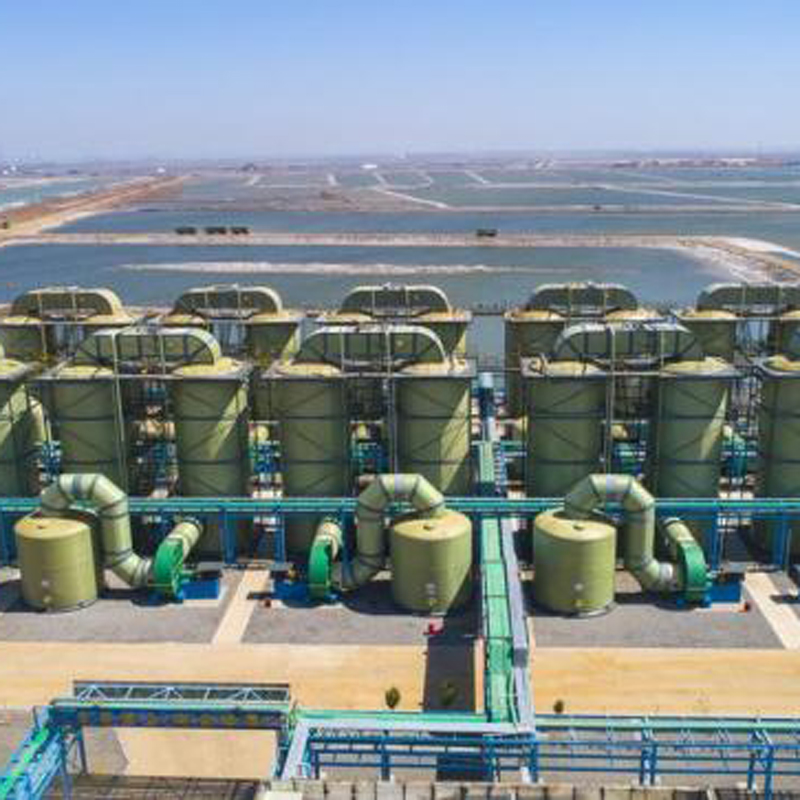
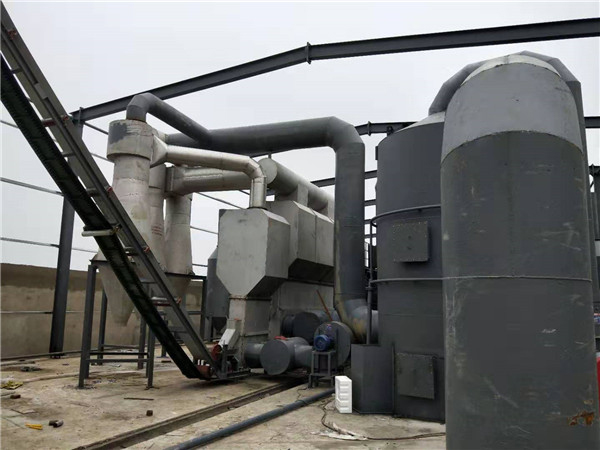
The chlorine gas calcium chloride process equipment consists of key components including a reactor, absorption tower, and evaporators, offering high stability and yield.
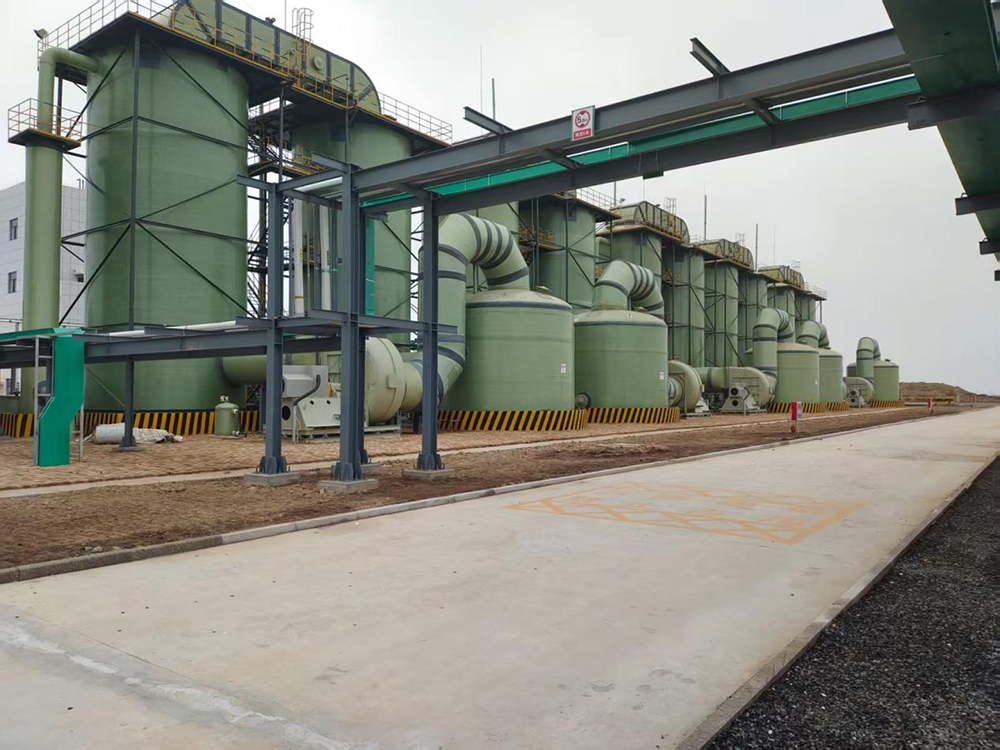
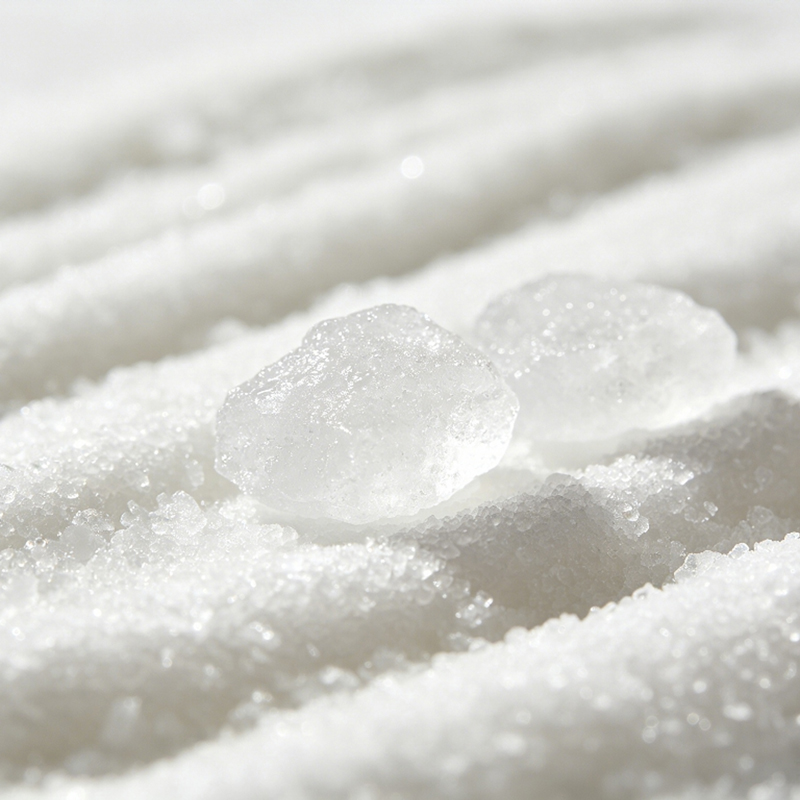
Bromine is known as the "marine element," with over 99% of Earth's bromine reserves stored in the ocean. Learn how our extraction technologies maximize yield from bitterns.
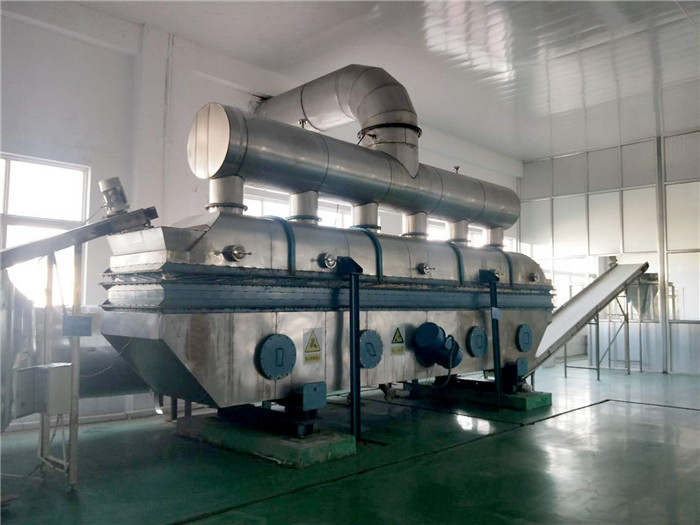
With the development of fluidized bed drying application technology, various types of fluidized bed dryers have been designed for salt, chemical, and mineral processing.
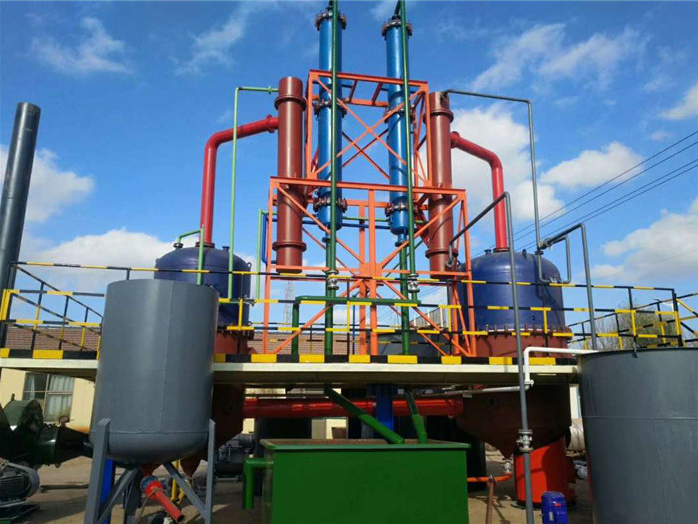
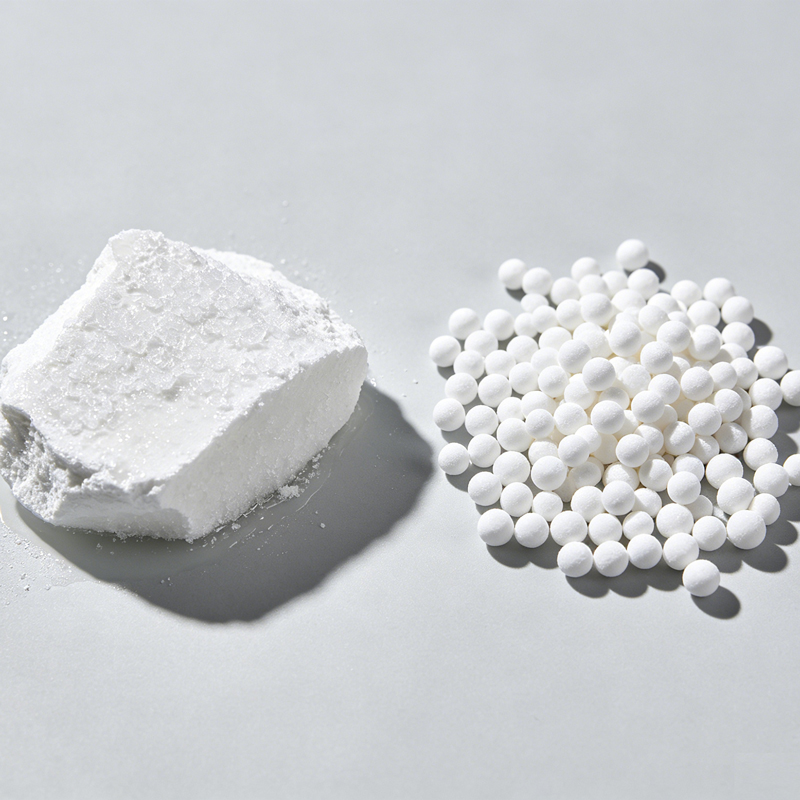
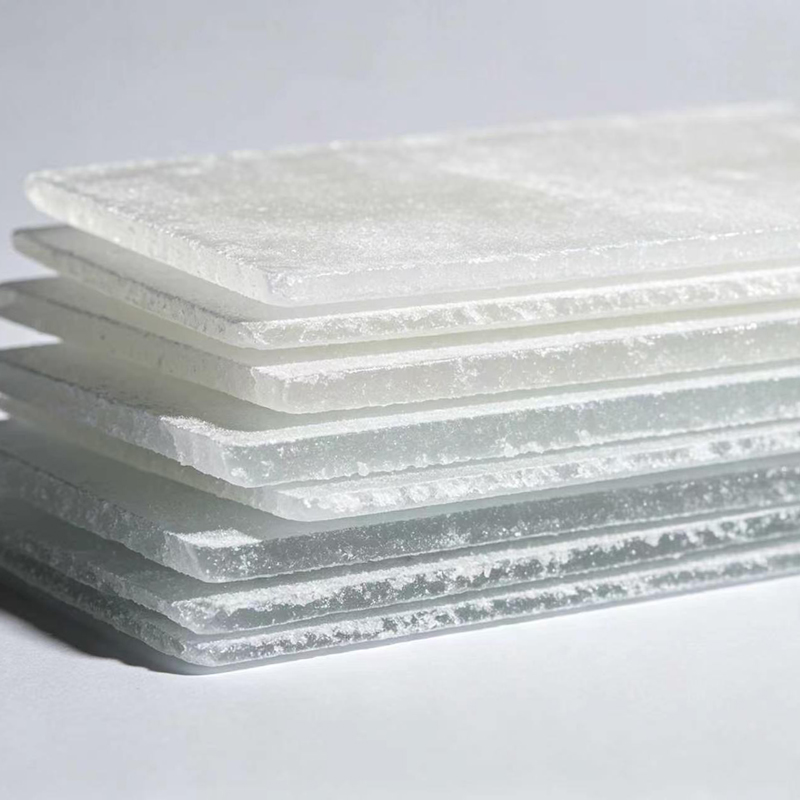
Magnesium chloride equipment features high efficiency, energy savings, stable operation, and superior product quality, transforming waste bitterns into valuable resources.
Browse our complete selection of professional salt purification, crushing, washing, and drying machinery designed for industrial installations in Ethiopia.