



Leave Your Message
Advanced continuous equipment engineered to transform raw solar sea salt from Ninh Thuan, Bac Lieu, and Khanh Hoa into premium food-grade and high-purity industrial grade sodium chloride.
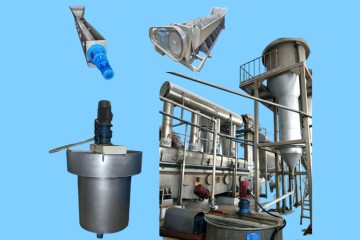
Multi-stage countercurrent hydro-washing plant removing magnesium, calcium, and insoluble impurities from Vietnamese coastal solar salt.
Explore System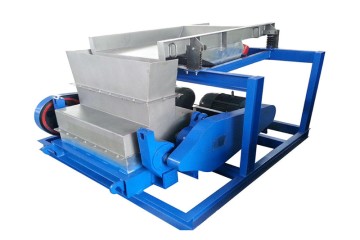
Precision crushing mechanism designed for crystallized sea salt blocks, ensuring consistent particle size distribution for chemical and food processing.
Explore System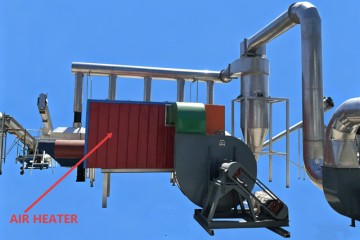
Energy-saving continuous vibrating fluidized bed dryer tailored to overcome Vietnam's tropical monsoonal humidity and deliver free-flowing salt crystals.
Explore System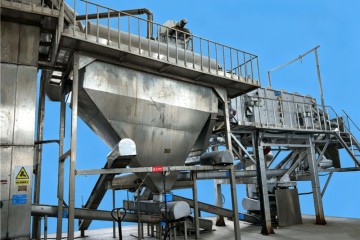
Multi-deck vibrating grading screen paired with high-speed anti-corrosive quantitative packing equipment for commercial food and chemical distribution.
Explore SystemBalancing centuries-old solar evaporation traditions with modern automated salt purification, chlor-alkali demands, and high-value marine chemical recovery.
Vietnam produces over 1.2 to 1.5 million metric tons of solar salt annually, yet traditional artisanal earthen salt fields often yield product with elevated magnesium, sulfate, and insoluble mud residues. Leading domestic chlor-alkali chemical plants and seafood processing enterprises require NaCl purity exceeding 99.2%, necessitating modern washing and vacuum refining machinery.
Operating in tropical Southeast Asia means salt plants face intense rainy seasons and ambient relative humidity above 80%. Conventional open-air stockpiles suffer from rapid leaching and severe re-caking. Ruitu’s closed fluidized drying and anti-caking dosing systems guarantee product stability and moisture contents below 0.1% year-round.
Vietnamese salt producers in Ca Na (Ninh Thuan) and Hon Khoi (Khanh Hoa) generate vast quantities of concentrated bittern after sodium crystallization. Rather than releasing this dense liquor back to sea, modern operators integrate bromine extraction, magnesium chloride, and calcium chloride recovery units to unlock circular economic value.
Under the Vietnamese Ministry of Agriculture and Rural Development's strategic Salt Industry Development Project for 2021–2030 (Decision No. 1325/QD-BNN-CBTT), Vietnam is actively restructuring its salt production footprint. The objective is clear: reduce manual artisanal labor, expand industrial concentrated salt fields in South Central coastal provinces, and incentivize domestic enterprises to install automated washing, crushing, and optical sorting technologies.
With Vietnam's booming textile, detergent, water treatment, and MSG (monosodium glutamate) manufacturing plants expanding in industrial hubs across Dong Nai, Binh Duong, and Hai Phong, domestic demand for high-grade salt has surged beyond 2 million metric tons annually. Automated salt washing lines bridge the gap between rural solar salt harvest and precision chemical manufacturing standards.
Vietnam's renowned export seafood industry (including Pangasius and black tiger shrimp) and cultural artisanal heritage—such as Phu Quoc and Phan Thiet fish sauce production—rely unconditionally on pristine salt. Traditional earthen salt can introduce iron, heavy minerals, and bitter magnesium salts that degrade the delicate fermentation and enzymatic hydrolysis of anchovies.
Ruitu Chemical Engineering Focus: Our multi-stage counter-current hydro-extraction equipment removes bitter magnesium ions (Mg²⁺) and calcium sulfate (CaSO₄) without destroying salt grain structure, securing pristine color and savory fermentation profiles for Vietnamese food processors.
From coastal salt ponds to advanced industrial zones, our comprehensive machinery powers four major chemical pillars.
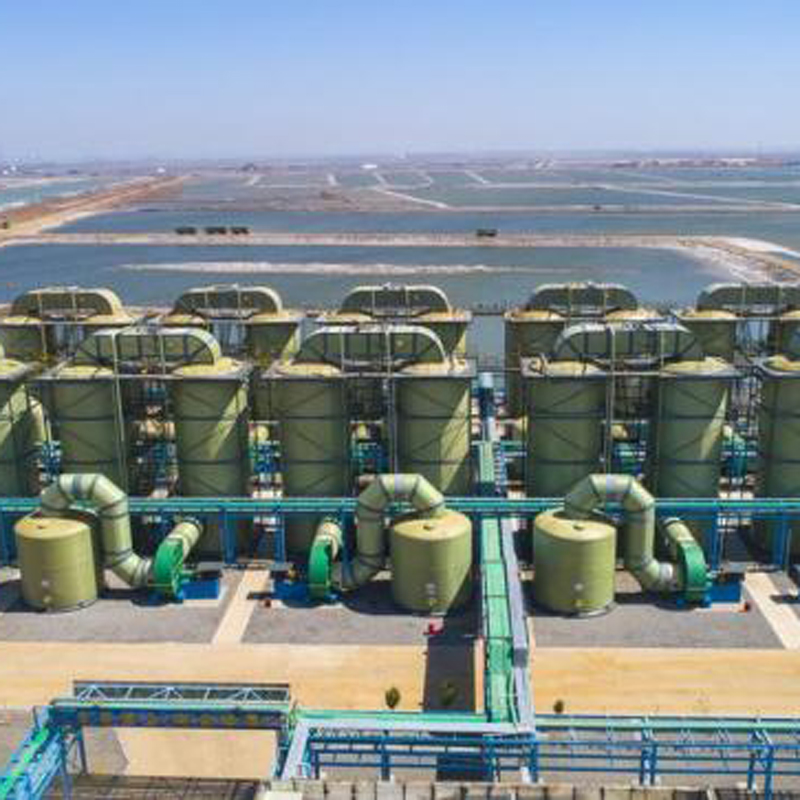
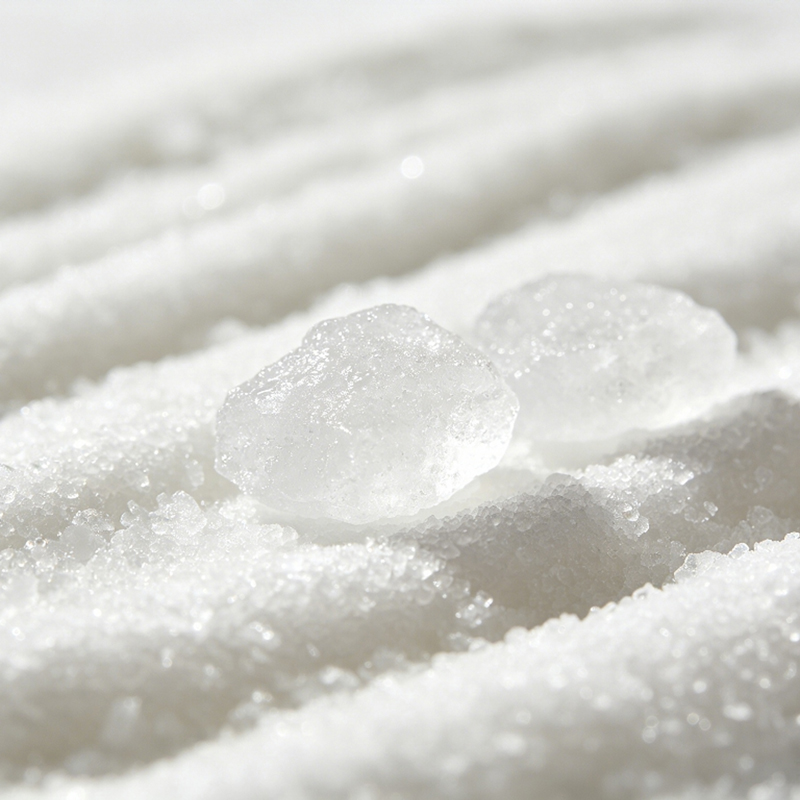
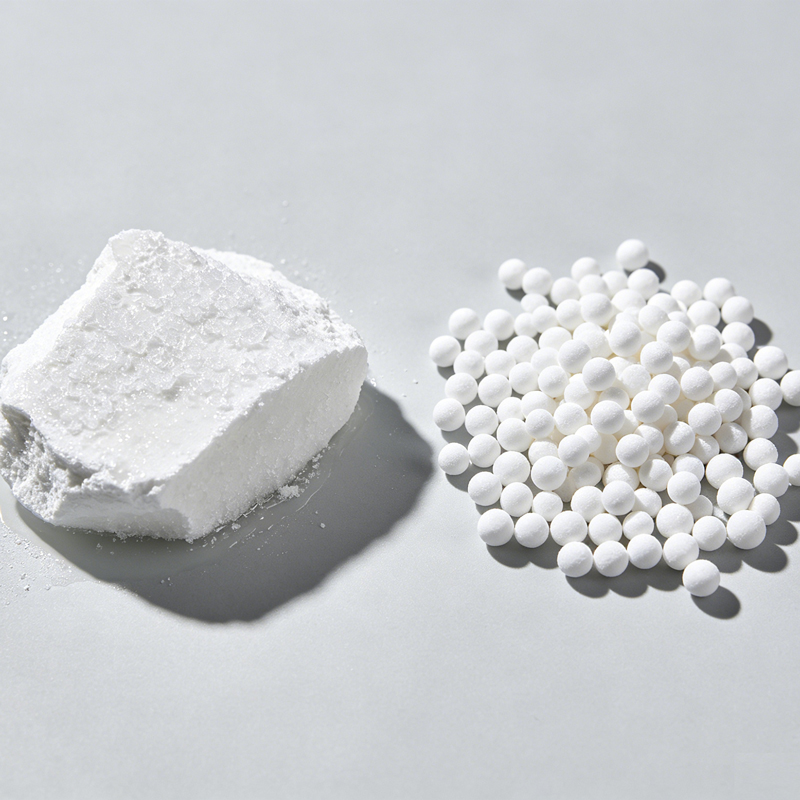
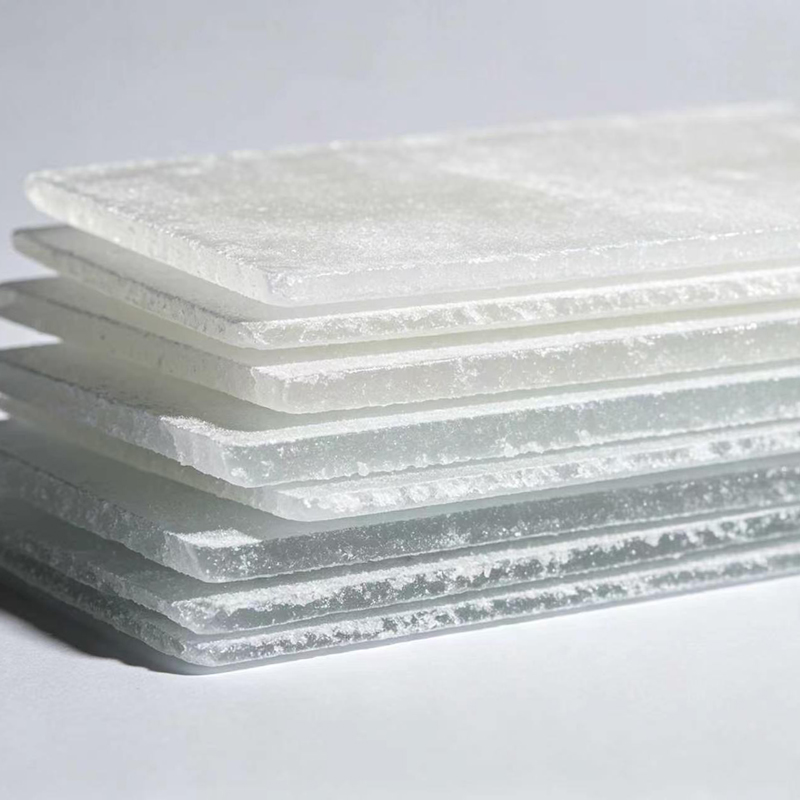
Tailored equipment manufactured with anti-corrosive titanium, 316L/Duplex stainless steel, and intelligent PLC automation systems designed for tropical coastal resilience.
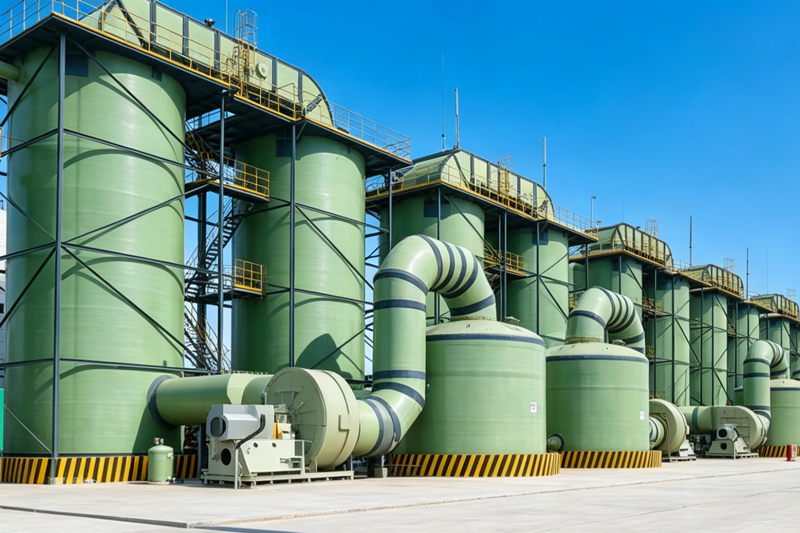
Turnkey industrial general project for seawater and concentrated salt bittern. Highly efficient blowing-out and absorption towers achieving over 90% bromine recovery rates with minimal steam and chlorine consumption.
 Brand: Ruitu Automation
 Origin: China
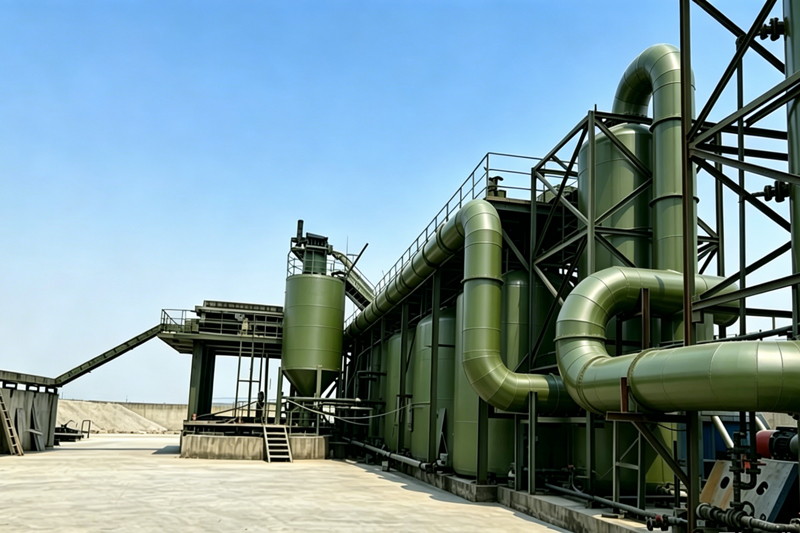
High-yield reaction and concentration setup converting limestone and hydrochloric acid byproducts into commercial-grade CaCl2. Strong adaptability to raw materials, controllable energy consumption, and high operational safety.
Brand: Ruitu Automation
Origin: China
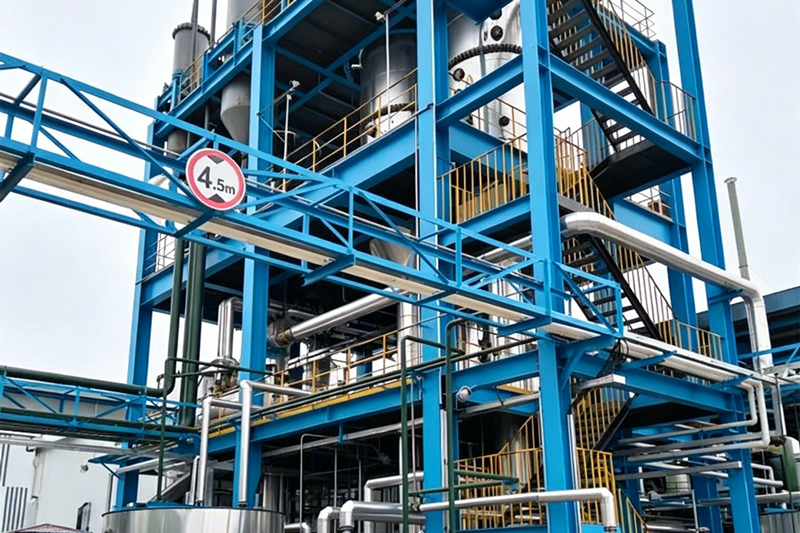
Engineered specifically for seawater bittern from Vietnamese salt pans and magnesium-containing chemical streams. Produces high-purity anhydrous and hexahydrate flakes used in aquaculture water balancing and industrial materials.
Brand: Ruitu Automation
Origin: China
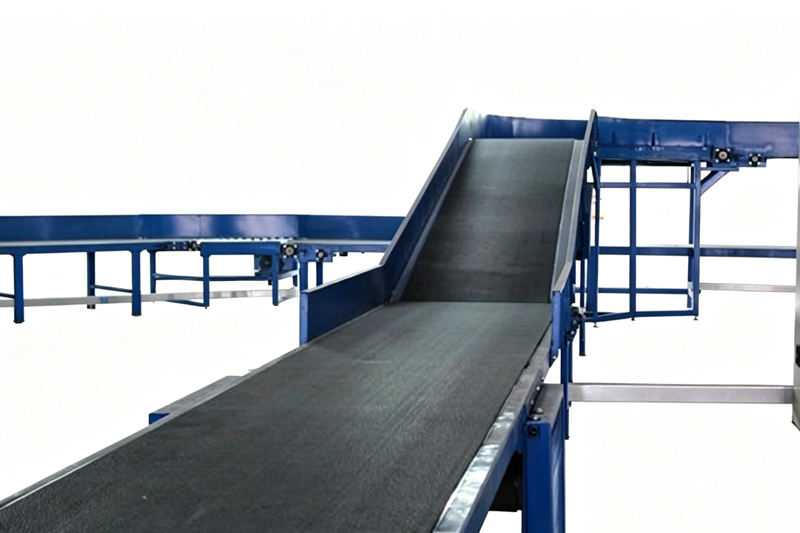
Heavy-duty transport solution built with 316 stainless framing and anti-tear, salt-resistant food-grade synthetic belts. Engineered for continuous transfer of damp crystallized salt and harsh chemical lumps.
Brand: Ruitu Automation
Origin: China
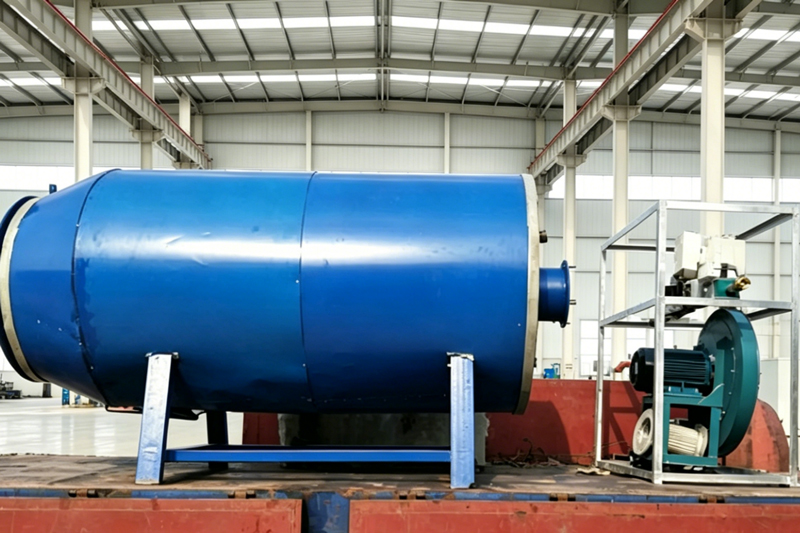
Clean, thermal energy generation with precision electronic temperature modulation. Designed to supply consistent hot air to fluidized bed salt dryers using biomass, coal, natural gas, or industrial waste heat sources.
Brand: Ruitu Automation
Origin: China

Food-grade compound elastomer belt specifically manufactured to resist saline water penetration, chemical abrasion, and tropical mildew, guaranteeing unbroken service life in high-salinity wash plants.
Brand: Ruitu Automation
Origin: China
Founded in 2015, Ruitu Automation is situated in the Binhai Economic and Technological Development Zone, Weifang City, Shandong Province—the heartland of modern marine chemical engineering. Covering an expansive modern production area of 28,000 square meters, we bring over a decade of dedicated innovation to the design and delivery of salt chemical and mineral processing infrastructure.
As an EPC general contractor, we specialize in providing one-stop turnkey engineering: from comprehensive raw brine analysis and factory site evaluation to custom machinery fabrication, automated process control formulation, on-site commissioning, operational operator training, and lifetime facility maintenance for clients across Vietnam and international markets.
Vietnamese Localized Engineering Support: We configure our evaporation, drying, and washing lines specifically to match the salinity curves of Vietnamese coastal seawater, tropical rainfall parameters, and regional factory electrical requirements.
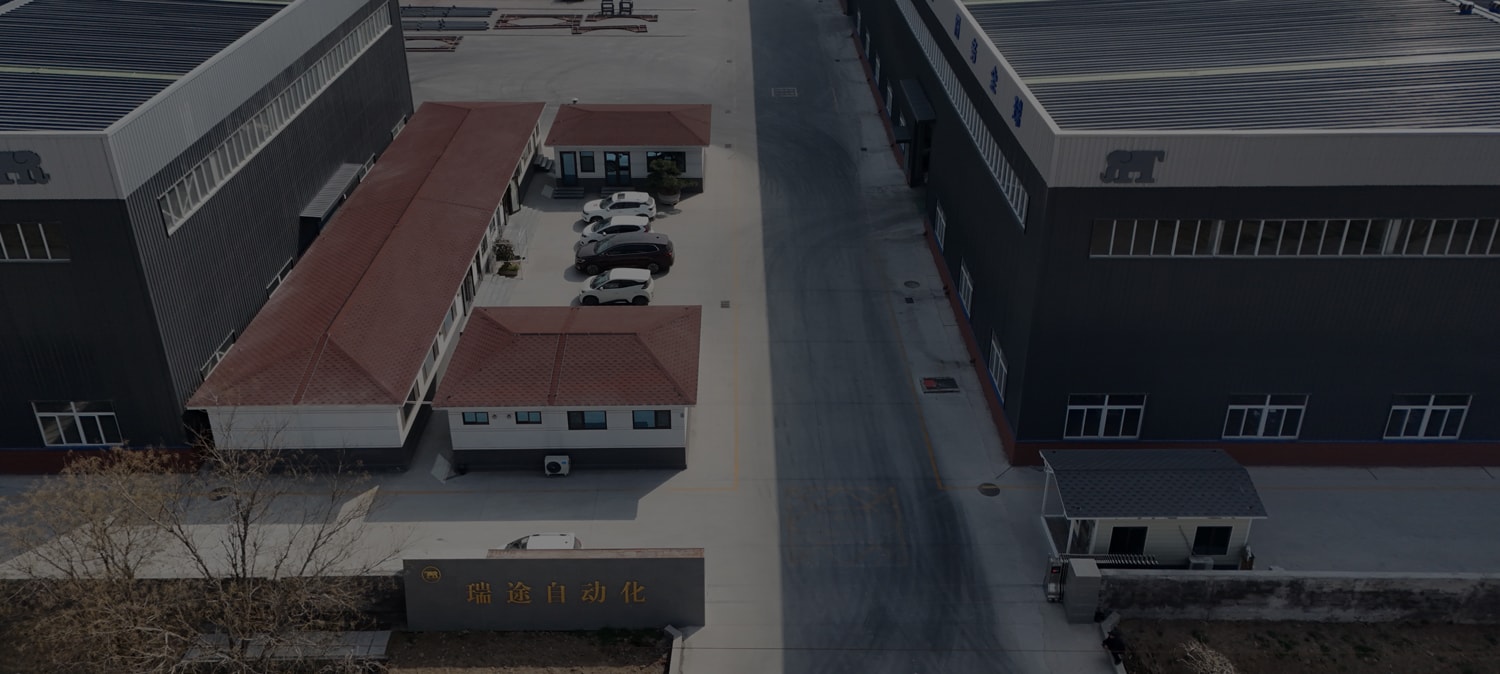
From preliminary brine testing to commercial production guidance, our systematic workflow ensures your salt plant in Vietnam achieves nominal capacity smoothly.
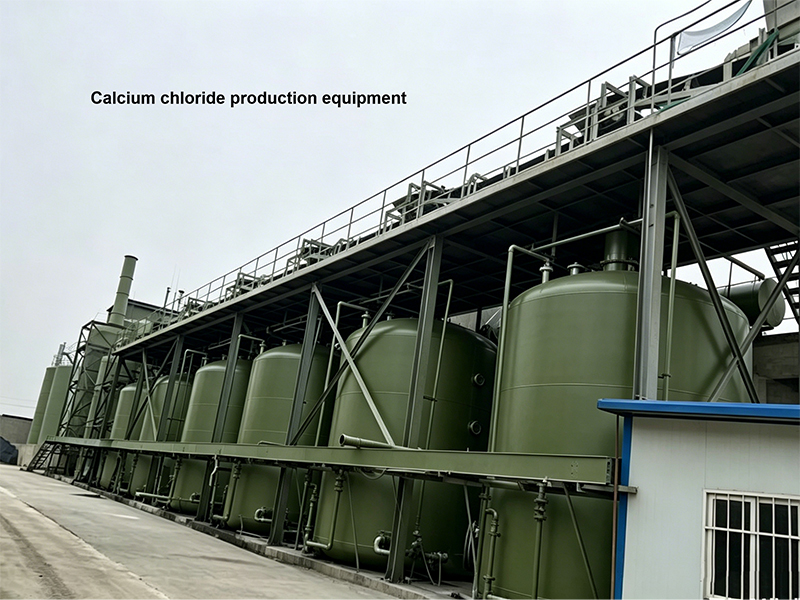
When clients launch new facilities in Vietnam, our chemical and structural engineering specialists conduct rigorous local resource analyses. We prepare thermodynamic models, mass balance calculations, and comprehensive plant layout blueprints matched to target daily capacity and CAPEX boundaries.
Learn More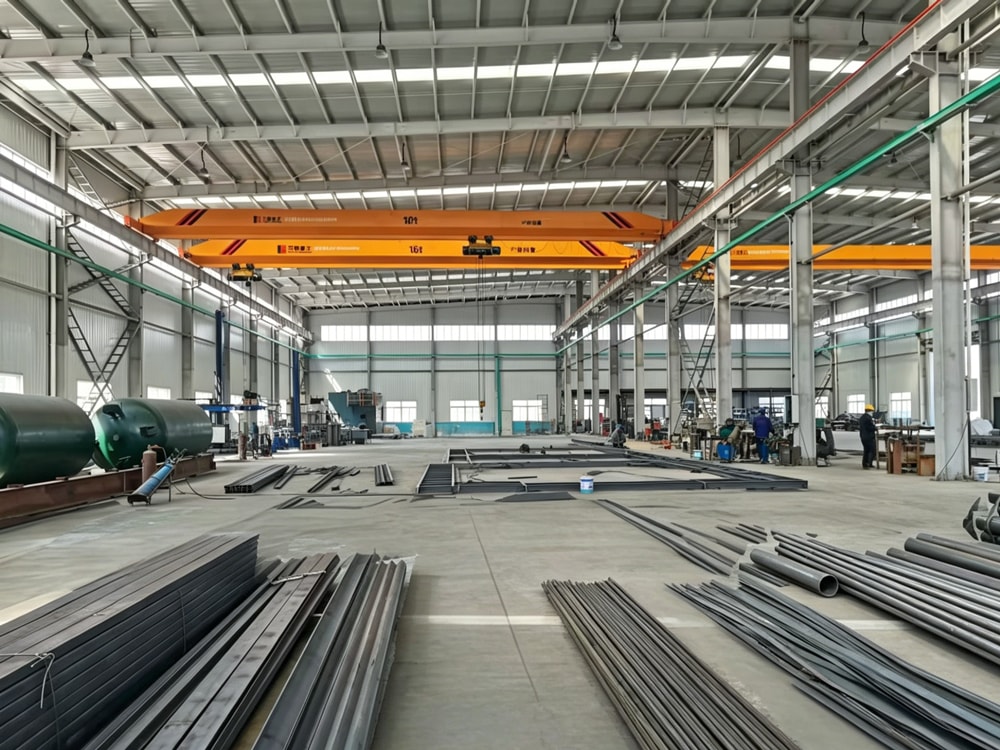
Leveraging our 28,000 m² heavy-manufacturing workshop and long-term procurement partnerships with top-tier metallurgical suppliers, Ruitu fabricates titanium towers, centrifugal separators, and anti-corrosion reactors under strict ISO quality control standards.
Learn More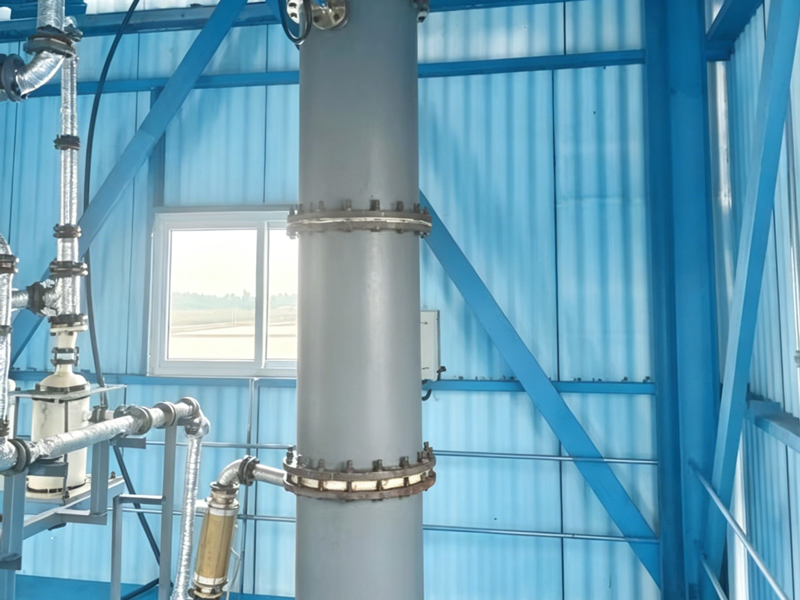
Our dispatched commissioning engineers oversee equipment assembly on-site in Vietnam, conducting wet testing, calibration, and operational trial runs until finished sodium chloride products consistently meet client purity specifications and designed hourly output rates.
Learn MoreWitness our automated equipment in real production environments, turning raw industrial brine into commercial chemical commodities.
Turnkey chemical line recovering elementary bromine from high-concentration solar bittern with state-of-the-art blowing and absorption towers.
High-capacity counter-current raw salt cleaning facility configured to handle 50 metric tons per hour of raw unwashed solar sea salt crystals.
Integration of double roll crushing, fluidized drying, and automated anti-caking packaging line delivering high-purity edible grade salt.
Technical insights into fluidized drying mechanics, brine chlorination, calcium chloride production, and halogen separation processes.
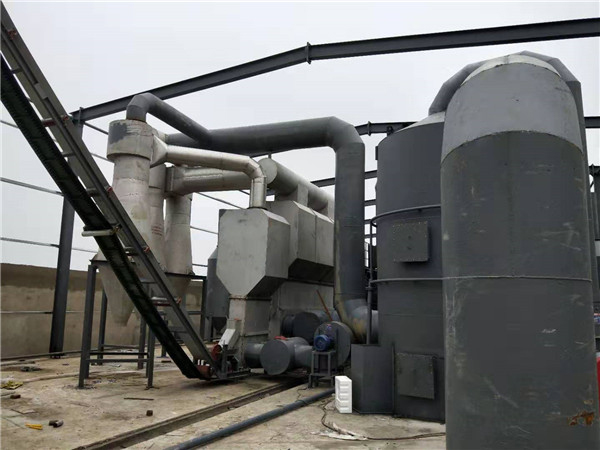
The chlorine gas calcium chloride process equipment consists of key components including a reactor, absorption tower, and evaporators delivering high thermal efficiency...
Read Article →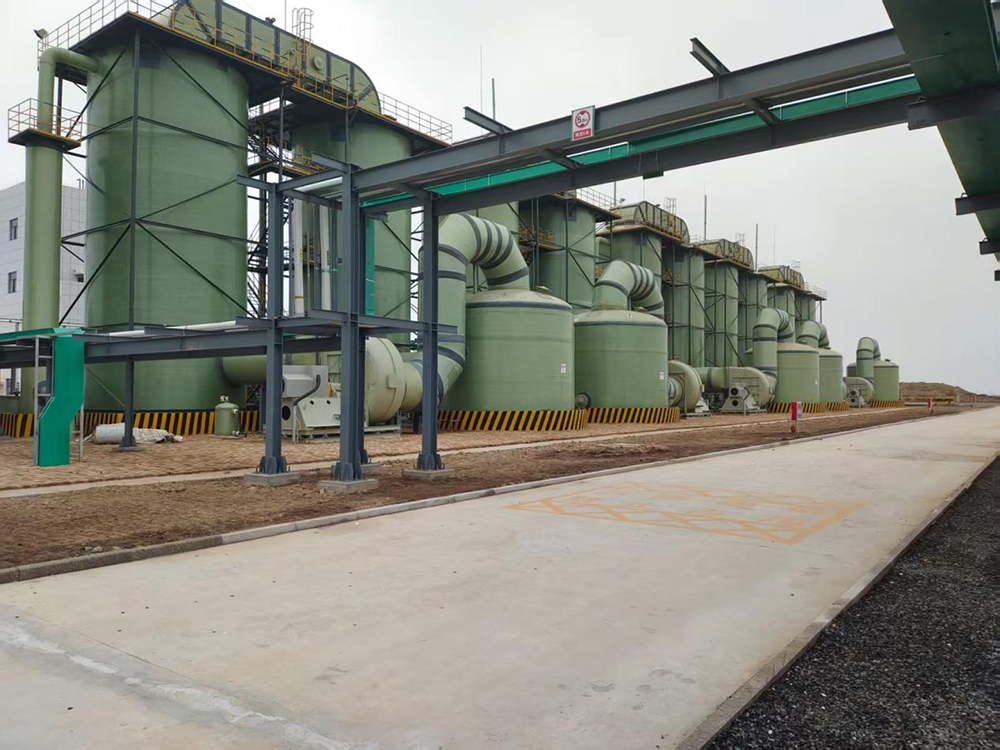
Bromine is known as the "marine element," with over 99% of Earth's reserves held in ocean waters and subterranean brine. Modern extraction uses acidic air blow-out...
Read Article →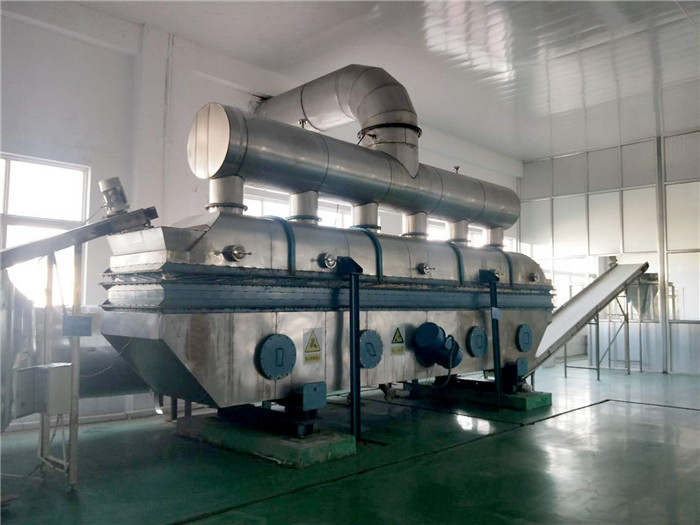
With continuous advances in fluidization dynamics, vibrating fluidized bed dryers are now indispensable across chemical salt plants for crystalline uniformity...
Read Article →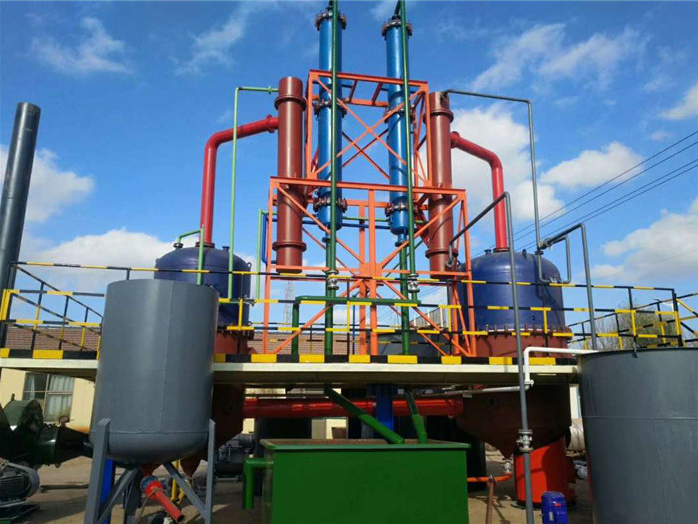
Magnesium chloride production systems feature high heat exchange coefficients, energy savings, stable crystallization kinetics, and superior flaking capacity...
Read Article →Examining how Ruitu’s chemical engineering solutions solve practical processing bottlenecks in the Mekong Delta, South Central Coast, and Northern industrial zones.
Vietnamese chemical giants, pulp & paper mills, and municipal water purification facilities consume vast tonnages of caustic soda (NaOH) and hydrochloric acid (HCl) generated via membrane chlor-alkali electrolysis. This electrolysis technology enforces extremely strict tolerances on brine purity: calcium and magnesium must remain below 20 ppb (parts per billion), and sulfate ions must be scrupulously suppressed to prevent membrane fouling.
Raw sea salt from traditional Vietnamese saltpans often bears excessive calcium sulfate, insoluble silica, and organic residues. Ruitu’s high-shear hydro-washing units and micro-bubble flotation separators strip surface impurities before dissolution, drastically cutting down chemical reagent costs during secondary brine purification.
Vietnam’s extensive shrimp farming operations across Ca Mau, Bac Lieu, and Soc Trang face fluctuating mineral profiles during seasonal downpours. By integrating Ruitu's magnesium chloride (MgCl2) and calcium chloride (CaCl2) crystallization equipment with local saltworks, producers can manufacture specialized mineral supplements that stabilize pond alkalinity and support shrimp molting.
This closed-loop synergy transforms low-cost waste bittern into high-value biochemicals, multiplying the revenue per hectare of Vietnamese salt marshes and shielding regional coastal communities against weather uncertainties.
Explore our complete range of specialized equipment engineered for salt drying, hydro-washing, calcium evaporation, magnesium refining, and marine bromine recovery.
High-performance continuous drying machinery providing uniform heat distribution, moisture reduction below 0.1%, and gentle handling of delicate refined salt crystals.
View Equipment →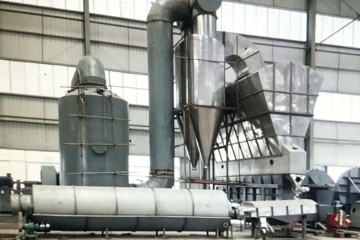
Specialized rotary drum and fluid-bed high-temperature calcination system producing commercial anhydrous calcium chloride pellets and flakes.
View Equipment →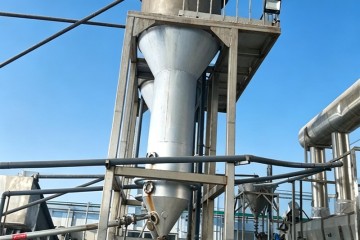
Comprehensive turnkey raw salt washing setup integrating crushers, agitation tanks, liquid cyclones, and centrifuges to upgrade crude salt to >99.5% purity.
View Equipment →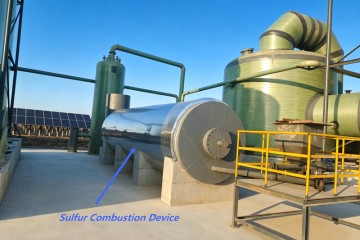
High-precision sulfur furnace delivering steady sulfur dioxide (SO2) reduction gas for the hydrobromic acid absorption phase in marine chemical production lines.
View Equipment →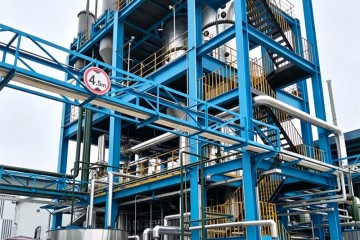
Custom-engineered evaporation, concentration, and continuous flaking machinery recovering magnesium salts from sea bittern and chemical effluents.
View Equipment →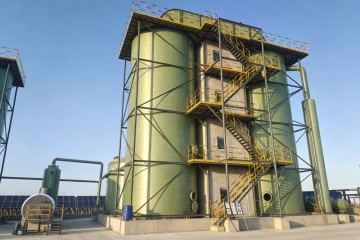
Optimized FRP and titanium lined absorption towers engineered for maximum mass transfer efficiency, high vacuum recovery, and long-term acid resistance.
View Equipment →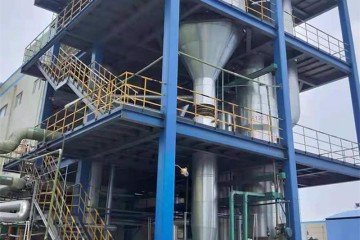
Multi-effect and MVR evaporation units designed to concentrate dilute calcium chloride liquor into dense 74-77% dihydrate and high-purity concentrates.
View Equipment →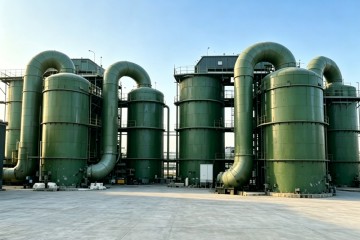
Advanced alkaline process technology using sodium carbonate absorption routes for specific brine chemistries, delivering safe and automated bromine recovery.
View Equipment →Whether you are planning a modern 300,000 TPA solar salt washing plant in Ninh Thuan, upgrading a food-grade salt refinery in the Mekong Delta, or recovering high-value bromine and magnesium chemicals from concentrated coastal bittern, our engineering team provides full-spectrum support from initial brine chemistry audits to turn-key plant handover.