




0102030405
PTFE-Lined Gate Valve Supplier | Reliable China Factory for Corrosive Media Solutions
Core Overview
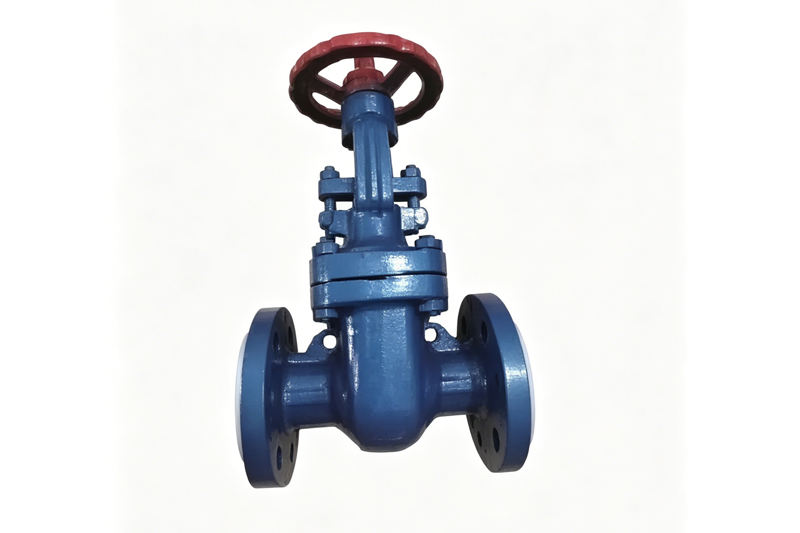
The PTFE-lined gate valve is a robust isolation device engineered for on-off control in pipelines transporting highly corrosive and abrasive media. Constructed with a durable cast steel or stainless steel body fully lined with virgin Polytetrafluoroethylene (PTFE), it ensures complete separation of metal components from aggressive fluids such as strong acids, alkalis, and organic solvents. The valve features a wedge-shaped gate and flexible seat design, providing reliable sealing and minimal flow resistance when fully open. It is extensively used in chemical processing, pharmaceutical manufacturing, wastewater treatment, and power generation industries where strict corrosion resistance and leak-free performance are essential for operational safety and efficiency.
Specifications & Dimensions
Technical Parameters
| Parameter | Specification |
|---|---|
| Body Material | WCB Carbon Steel, CF8/CF8M Stainless Steel |
| Lining Material | Virgin PTFE (Polytetrafluoroethylene) |
| Gate/Seat Material | PTFE, Reinforced PTFE, SS316+PTFE |
| Stem Material | SS316 with PTFE Sleeve/Packing |
| Nominal Diameter (DN) | DN50 – DN400 |
| Pressure Rating | PN1.0, PN1.6, PN2.5 MPa; Class 150/300 |
| Temperature Range | -20°C to +180°C |
| Operation Type | Manual (Handwheel/Gearbox), Electric, Pneumatic |
| Connection Type | Flange (ANSI, DIN, JIS, GB) |
| Leakage Class | ANSI/FCI 70-2 Class VI (Bubble-tight) |
Dimensional Data Table (Flanged End, Face-to-Face per API 6D/GB)
| Nominal Size (DN) | Face-to-Face (L) mm | Height (H) mm | Width (W) mm | Flange Diameter (D) mm | Weight (kg) |
|---|---|---|---|---|---|
| DN50 | 178 | 350 | 160 | 165 | 18.0 |
| DN65 | 190 | 410 | 180 | 185 | 24.0 |
| DN80 | 203 | 480 | 200 | 200 | 32.0 |
| DN100 | 229 | 550 | 220 | 220 | 45.0 |
| DN125 | 254 | 630 | 250 | 250 | 60.0 |
| DN150 | 267 | 720 | 280 | 285 | 85.0 |
| DN200 | 292 | 850 | 340 | 340 | 130.0 |
| DN250 | 330 | 980 | 400 | 395 | 180.0 |
| DN300 | 356 | 1100 | 460 | 445 | 240.0 |
| DN350 | 381 | 1250 | 520 | 505 | 310.0 |
| DN400 | 406 | 1400 | 580 | 565 | 400.0 |
Core Advantages
| Advantage | Description |
|---|---|
| Superior Corrosion Resistance | Full PTFE lining withstands harsh chemicals, ensuring long-term integrity and preventing metal contamination. |
| Minimal Flow Resistance | Full-bore design provides a straight flow path with negligible pressure drop when fully open, ideal for slurries. |
| Bubble-Tight Shut-Off | Precision-machined PTFE seats and wedge gate ensure zero leakage, meeting strict environmental and safety standards. |
| Low Maintenance | Non-stick PTFE surfaces prevent scaling and buildup, reducing maintenance frequency and operational downtime. |
| Versatile Actuation | Compatible with manual, electric, and pneumatic actuators for seamless integration into automated control systems. |
Frequently Asked Questions
What are the primary applications of a PTFE-lined gate valve?
PTFE-lined gate valves are specifically engineered for service in pipelines carrying highly corrosive and abrasive media. They are widely utilized in chemical processing, pharmaceutical production, water treatment, and power generation industries.
What temperature and pressure ratings can these valves handle?
These valves operate reliably within a temperature range of -20°C to +180°C. They are available in pressure ratings including PN1.0, PN1.6, PN2.5 MPa, as well as Class 150 and Class 300.
Why is virgin PTFE used for the lining?
Virgin PTFE offers exceptional chemical inertness, preventing aggressive media like strong acids and alkalis from contacting the metal body of the valve. It also features a non-stick surface that prevents scaling and buildup.
Does this valve design support automated control systems?
Yes. While manual handwheel or gearbox operation is standard, the valves are fully compatible with pneumatic and electric actuators for automated process integration.
What leakage standard do these gate valves meet?
They meet the ANSI/FCI 70-2 Class VI leakage standard, which guarantees a bubble-tight, zero-leakage shut-off for enhanced process safety.