




0102030405
PTFE-Lined Gate Valve for Corrosive Media - Ruitu Automation, Leading China Suppliers & Factory
Core Overview
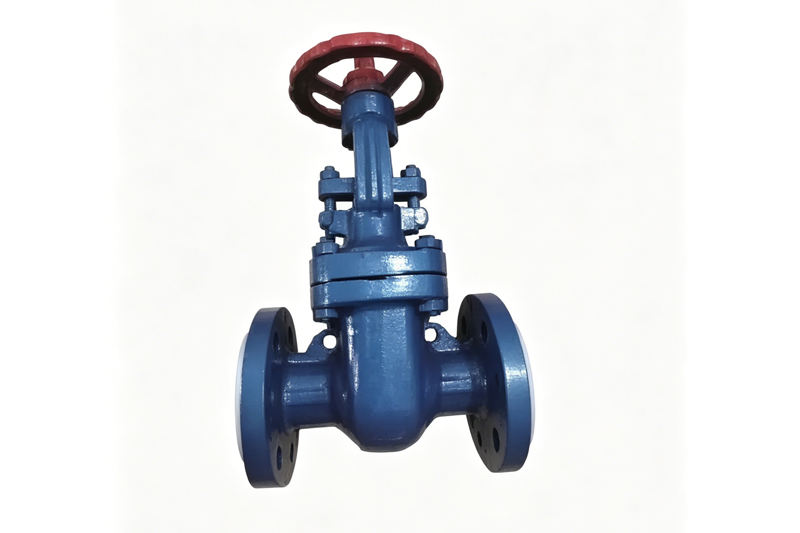
The PTFE-lined gate valve is a robust isolation device engineered for on-off control in pipelines transporting highly corrosive and abrasive media. Constructed with a durable cast steel or stainless steel body fully lined with virgin Polytetrafluoroethylene (PTFE), it ensures complete separation of metal components from aggressive fluids such as strong acids, alkalis, and organic solvents. The valve features a wedge-shaped gate and flexible seat design, providing reliable sealing and minimal flow resistance when fully open. It is extensively used in chemical processing, pharmaceutical manufacturing, wastewater treatment, and power generation industries where strict corrosion resistance and leak-free performance are essential for operational safety and efficiency.
Specifications & Dimensions
Technical Parameters
| Parameter | Specification |
|---|---|
| Body Material | WCB Carbon Steel, CF8/CF8M Stainless Steel |
| Lining Material | Virgin PTFE (Polytetrafluoroethylene) |
| Gate/Seat Material | PTFE, Reinforced PTFE, SS316+PTFE |
| Stem Material | SS316 with PTFE Sleeve/Packing |
| Nominal Diameter (DN) | DN50 – DN400 |
| Pressure Rating | PN1.0, PN1.6, PN2.5 MPa; Class 150/300 |
| Temperature Range | -20°C to +180°C |
| Operation Type | Manual (Handwheel/Gearbox), Electric, Pneumatic |
| Connection Type | Flange (ANSI, DIN, JIS, GB) |
| Leakage Class | ANSI/FCI 70-2 Class VI (Bubble-tight) |
Dimensional Data Table (Flanged End, Face-to-Face per API 6D/GB)
| Nominal Size (DN) | Face-to-Face (L) mm | Height (H) mm | Width (W) mm | Flange Diameter (D) mm | Weight (kg) |
|---|---|---|---|---|---|
| DN50 | 178 | 350 | 160 | 165 | 18.0 |
| DN65 | 190 | 410 | 180 | 185 | 24.0 |
| DN80 | 203 | 480 | 200 | 200 | 32.0 |
| DN100 | 229 | 550 | 220 | 220 | 45.0 |
| DN125 | 254 | 630 | 250 | 250 | 60.0 |
| DN150 | 267 | 720 | 280 | 285 | 85.0 |
| DN200 | 292 | 850 | 340 | 340 | 130.0 |
| DN250 | 330 | 980 | 400 | 395 | 180.0 |
| DN300 | 356 | 1100 | 460 | 445 | 240.0 |
| DN350 | 381 | 1250 | 520 | 505 | 310.0 |
| DN400 | 406 | 1400 | 580 | 565 | 400.0 |
Core Advantages
Superior Corrosion Resistance
Full PTFE lining withstands harsh chemicals, ensuring long-term integrity and preventing metal contamination.
Minimal Flow Resistance
Full-bore design provides a straight flow path with negligible pressure drop when fully open, ideal for slurries.
Bubble-Tight Shut-Off
Precision-machined PTFE seats and wedge gate ensure zero leakage, meeting strict environmental and safety standards.
Low Maintenance
Non-stick PTFE surfaces prevent scaling and buildup, reducing maintenance frequency and operational downtime.
Versatile Actuation
Compatible with manual, electric, and pneumatic actuators for seamless integration into automated control systems.
Frequently Asked Questions
Q1: What makes a PTFE-lined gate valve suitable for corrosive media?
A1: The valve features a durable metal body (cast steel or stainless steel) that is fully lined with virgin PTFE. This lining isolates all metal components from direct contact with aggressive fluids like strong acids, alkalis, and organic solvents, preventing corrosion and contamination.
Q2: What is the operating temperature range for these valves?
A2: The standard temperature range for a PTFE-lined gate valve is from -20°C to +180°C, making it suitable for a wide variety of industrial chemical applications.
Q3: How does the valve achieve zero leakage?
A3: The valve utilizes a wedge-shaped gate combined with precision-machined flexible PTFE seats. This design complies with ANSI/FCI 70-2 Class VI standards, ensuring a bubble-tight, zero-leakage shut-off.
Q4: What connection standards and sizes are available?
A4: The nominal diameter ranges from DN50 to DN400. Connection types are standard flanged ends compliant with international standards including ANSI, DIN, JIS, and GB.
Q5: Can these valves be integrated into automated control systems?
A5: Yes. The valves support versatile actuation methods, meaning they can be operated manually via a handwheel or gearbox, or automated using electric and pneumatic actuators.
Q6: Why is the maintenance requirement low for these valves?
A6: PTFE has excellent non-stick properties which prevent media scaling, buildup, and clogging. This decreases friction during operation, reduces wear on parts, and significantly lowers maintenance frequency and downtime.