




0102030405
PTFE-Lined Check Valve Suppliers in China - Corrosion-Resistant Factory Automation Solution
Core Overview
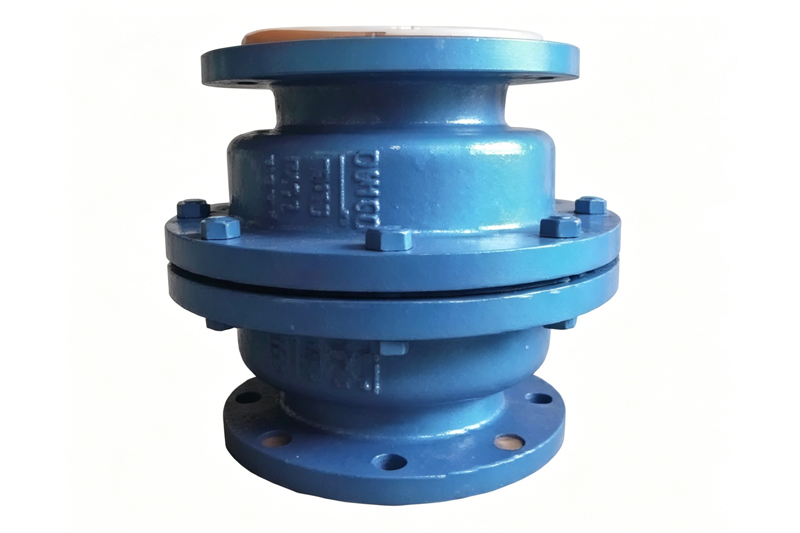
The PTFE-lined check valve is a critical safety device designed to prevent backflow of corrosive media in industrial pipelines. Featuring a robust cast steel or stainless steel body with a complete virgin PTFE (Polytetrafluoroethylene) lining, it ensures complete isolation of metal components from aggressive fluids. Utilizing a swing or lift disc mechanism with PTFE seating, this valve automatically closes when flow reverses, protecting pumps and upstream equipment from damage. It is essential in chemical processing, pharmaceutical manufacturing, and water treatment systems where corrosion resistance and reliable backflow prevention are paramount.
Specifications & Dimensions
Technical Parameters
| Parameter | Specification |
|---|---|
| Body Material | WCB Carbon Steel, CF8/CF8M Stainless Steel |
| Lining Material | Virgin PTFE (Polytetrafluoroethylene) |
| Disc/Seat Material | PTFE, Reinforced PTFE |
| Nominal Diameter (DN) | DN25 – DN400 |
| Pressure Rating | PN1.0, PN1.6, PN2.5 MPa; Class 150/300 |
| Temperature Range | -20°C to +180°C |
| Type | Swing Check, Lift Check, Dual Plate |
| Connection Type | Flange (ANSI, DIN, JIS, GB), Wafer |
| Cracking Pressure | 0.035 – 0.1 MPa (Customizable) |
| Design Standard | API 6D, GB/T 12236 |
Dimensional Data Table (Wafer Swing Check)
| Nominal Size (DN) | Length (L) mm | Height (H) mm | Width (W) mm | Flange Diameter (D) mm | Weight (kg) |
|---|---|---|---|---|---|
| DN25 | 160 | 95 | 60 | 115 | 2.5 |
| DN32 | 180 | 110 | 70 | 140 | 3.5 |
| DN50 | 230 | 140 | 90 | 165 | 6.0 |
| DN65 | 290 | 160 | 110 | 185 | 9.0 |
| DN80 | 310 | 180 | 130 | 200 | 12.0 |
| DN100 | 350 | 210 | 155 | 220 | 18.0 |
| DN150 | 450 | 280 | 200 | 285 | 32.0 |
| DN200 | 550 | 340 | 250 | 340 | 52.0 |
| DN250 | 650 | 400 | 300 | 395 | 75.0 |
| DN300 | 750 | 460 | 350 | 445 | 105.0 |
| DN350 | 850 | 520 | 400 | 505 | 140.0 |
| DN400 | 950 | 580 | 450 | 565 | 185.0 |
Core Advantages
| Advantage | Description |
|---|---|
| Automatic Backflow Prevention | Self-actuating design automatically closes when flow reverses, protecting pumps and upstream equipment from damage. |
| Superior Corrosion Resistance | Full PTFE lining withstands aggressive acids, alkalis, and solvents, ensuring long-term reliability in harsh environments. |
| Low Pressure Drop | Streamlined flow path and optimized disc design minimize resistance, maintaining system efficiency and reducing energy consumption. |
| Zero Maintenance Operation | No external power or manual intervention required; reliable performance with minimal wear due to PTFE's low friction coefficient. |
| Compact & Lightweight | Wafer design saves installation space and weight compared to flanged check valves, simplifying pipeline layout and support requirements. |
Frequently Asked Questions
What is the primary function of a PTFE-lined check valve?
The primary function is to automatically prevent the backflow of corrosive media (such as strong acids, alkalis, and industrial solvents) in pipelines, thereby protecting upstream equipment like pumps and filters from contamination or mechanical damage.
What temperature range can these valves withstand?
Thanks to the excellent thermal stability of virgin PTFE, these valves can operate reliably within a temperature range of -20°C to +180°C, making them suitable for both cold and high-temperature corrosive processes.
What is cracking pressure and can it be customized?
Cracking pressure is the minimum upstream pressure required to open the valve disc and allow fluid to pass. The standard cracking pressure for these valves ranges from 0.035 to 0.1 MPa, and it can be customized based on your system's flow requirements.
How does a swing check valve differ from a lift check valve?
Swing check valves utilize a hinged disc that swings open or closed, which is ideal for horizontal pipelines with low pressure drops. Lift check valves use a disc that lifts vertically off the seat, making them better suited for high-pressure systems and vertical piping setups with upward flow.
Why is virgin PTFE used instead of regular elastomeric seals?
Virgin PTFE provides near-universal chemical inertness, meaning it will not react with or degrade in the presence of highly aggressive chemicals. It also has a very low coefficient of friction, which prevents sticking and ensures smooth, maintenance-free automatic valve operation.