




0102030405
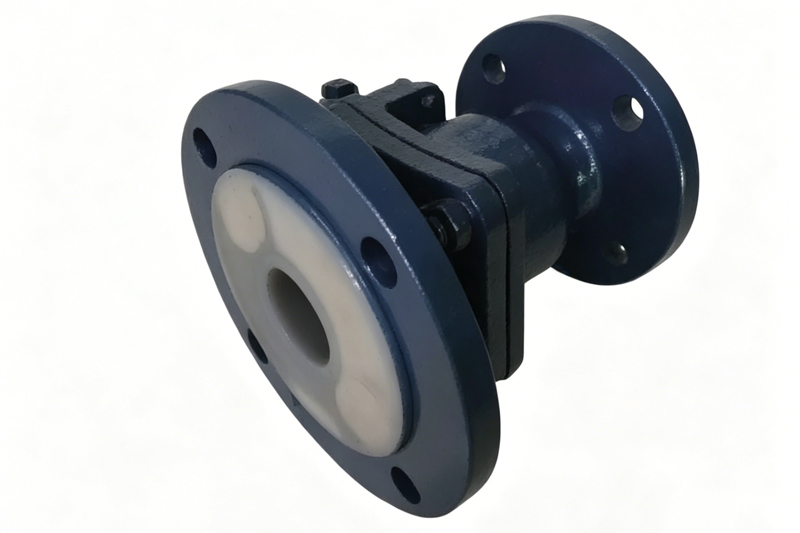
PTFE-Lined Bottom Discharge Valve from China Factory - Reliable Supplier for Corrosive Material Discharge Solutions
Core Overview
The PTFE-lined bottom discharge valve, also known as a tank bottom valve, is specifically engineered for the safe and efficient drainage of corrosive, abrasive, or high-purity media from reactors, storage tanks, and vessels. Constructed with a robust carbon steel or stainless steel body fully lined with virgin Polytetrafluoroethylene (PTFE), it provides an impermeable barrier against aggressive chemicals such as strong acids, alkalis, and organic solvents. The valve features a streamlined flow path with minimal dead space, ensuring complete drainage and preventing material accumulation or contamination. It is widely used in the chemical, pharmaceutical, food processing, and pesticide industries where hygiene, corrosion resistance, and reliable shut-off are critical.
Specifications & Dimensions
Technical Parameters
| Parameter | Specification |
|---|---|
| Body Material | WCB Carbon Steel, CF8/CF8M Stainless Steel |
| Lining Material | Virgin PTFE (Polytetrafluoroethylene) |
| Disc/Seat Material | PTFE, Reinforced PTFE |
| Nominal Diameter (DN) | DN25 – DN300 |
| Pressure Rating | PN1.0, PN1.6, PN2.5 MPa |
| Temperature Range | -20°C to +180°C |
| Operation Mode | Manual (Handwheel/Gearbox), Pneumatic, Electric |
| Connection Type | Flange (ANSI, DIN, JIS, GB), Clamp (Sanitary) |
| Leakage Class | ANSI/FCI 70-2 Class VI (Bubble-tight) |
| Flow Direction | Unidirectional (Top to Bottom) |
Dimensional Data Table
| Nominal Size (DN) | Length (L) mm | Height (H) mm | Width (W) mm | Flange Diameter (D) mm | Weight (kg) |
|---|---|---|---|---|---|
| DN25 | 160 | 280 | 140 | 115 | 12.0 |
| DN32 | 180 | 310 | 160 | 140 | 16.0 |
| DN40 | 200 | 340 | 180 | 150 | 20.0 |
| DN50 | 230 | 380 | 200 | 165 | 25.0 |
| DN65 | 290 | 430 | 240 | 185 | 32.0 |
| DN80 | 310 | 480 | 280 | 200 | 40.0 |
| DN100 | 350 | 550 | 320 | 220 | 52.0 |
| DN125 | 400 | 620 | 360 | 250 | 68.0 |
| DN150 | 450 | 700 | 400 | 285 | 85.0 |
| DN200 | 550 | 850 | 480 | 340 | 120.0 |
| DN250 | 650 | 1000 | 560 | 395 | 160.0 |
| DN300 | 750 | 1150 | 640 | 445 | 210.0 |
Core Advantages
| Advantage | Description |
|---|---|
| Zero Dead Space Design | Streamlined cavity ensures complete drainage, preventing material buildup, bacterial growth, and cross-contamination. |
| Superior Corrosion Resistance | Full PTFE lining withstands harsh chemicals, extending service life and reducing maintenance costs in aggressive environments. |
| Bubble-Tight Sealing | Precision-machined PTFE seat and disc provide reliable shut-off, ensuring zero leakage and process safety. |
| Easy Cleaning & Maintenance | Non-stick PTFE surface facilitates easy cleaning (CIP/SIP compatible), minimizing downtime and labor requirements. |
| Versatile Actuation Options | Compatible with manual, pneumatic, and electric actuators, allowing seamless integration into automated control systems for remote operation. |
Frequently Asked Questions (FAQ)
What is a PTFE-lined bottom discharge valve?
It is a specialized tank bottom valve designed with a carbon steel or stainless steel body fully lined with virgin Polytetrafluoroethylene (PTFE). It is engineered for the safe, complete drainage of highly corrosive, abrasive, or high-purity media from reactors and storage vessels.
Why is the "Zero Dead Space Design" important?
The zero dead space design features a streamlined cavity that ensures complete drainage of the media. This prevents material accumulation, bacterial growth, and cross-contamination, making it ideal for hygienic applications in pharmaceutical and food processing industries.
What is the working temperature range for this valve?
The valve is designed to operate safely and reliably within a temperature range of -20°C to +180°C, making it suitable for a wide variety of process conditions.
What actuation methods are supported?
These valves support multiple operation modes, including manual (handwheel or gearbox), pneumatic, and electric actuation, allowing for seamless integration into automated control systems.
What leakage standard does this valve conform to?
The valve conforms to the ANSI/FCI 70-2 Class VI standard, ensuring bubble-tight sealing and reliable, zero-leakage shut-off for process safety.