




0102030405
PTFE-Lined Bottom Discharge Valve for Tanks - Corrosion Resistant | China Suppliers & Factory
Core Overview
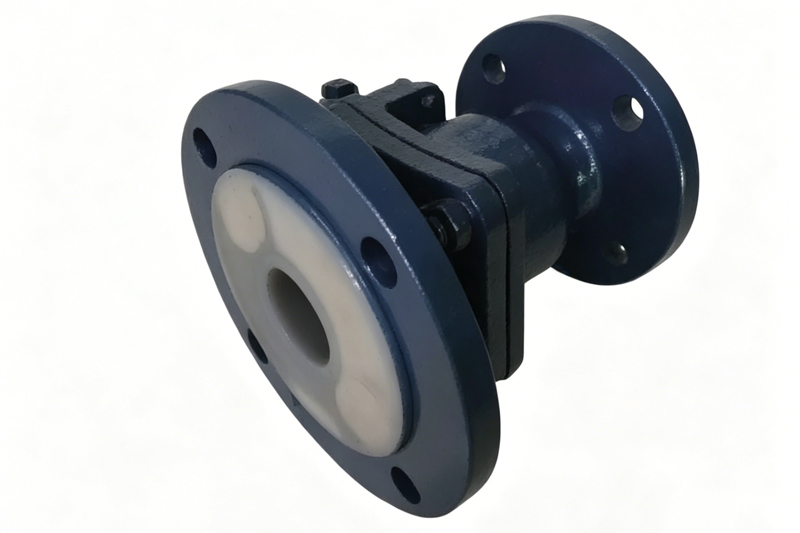
The PTFE-lined bottom discharge valve, also known as a tank bottom valve, is specifically engineered for the safe and efficient drainage of corrosive, abrasive, or high-purity media from reactors, storage tanks, and vessels. Constructed with a robust carbon steel or stainless steel body fully lined with virgin Polytetrafluoroethylene (PTFE), it provides an impermeable barrier against aggressive chemicals such as strong acids, alkalis, and organic solvents. The valve features a streamlined flow path with minimal dead space, ensuring complete drainage and preventing material accumulation or contamination. It is widely used in the chemical, pharmaceutical, food processing, and pesticide industries where hygiene, corrosion resistance, and reliable shut-off are critical.
Specifications & Dimensions
Technical Parameters
| Parameter | Specification |
|---|---|
| Body Material | WCB Carbon Steel, CF8/CF8M Stainless Steel |
| Lining Material | Virgin PTFE (Polytetrafluoroethylene) |
| Disc/Seat Material | PTFE, Reinforced PTFE |
| Nominal Diameter (DN) | DN25 – DN300 |
| Pressure Rating | PN1.0, PN1.6, PN2.5 MPa |
| Temperature Range | -20°C to +180°C |
| Operation Mode | Manual (Handwheel/Gearbox), Pneumatic, Electric |
| Connection Type | Flange (ANSI, DIN, JIS, GB), Clamp (Sanitary) |
| Leakage Class | ANSI/FCI 70-2 Class VI (Bubble-tight) |
| Flow Direction | Unidirectional (Top to Bottom) |
Dimensional Data Table
| Nominal Size (DN) | Length (L) mm | Height (H) mm | Width (W) mm | Flange Diameter (D) mm | Weight (kg) |
|---|---|---|---|---|---|
| DN25 | 160 | 280 | 140 | 115 | 12.0 |
| DN32 | 180 | 310 | 160 | 140 | 16.0 |
| DN40 | 200 | 340 | 180 | 150 | 20.0 |
| DN50 | 230 | 380 | 200 | 165 | 25.0 |
| DN65 | 290 | 430 | 240 | 185 | 32.0 |
| DN80 | 310 | 480 | 280 | 200 | 40.0 |
| DN100 | 350 | 550 | 320 | 220 | 52.0 |
| DN125 | 400 | 620 | 360 | 250 | 68.0 |
| DN150 | 450 | 700 | 400 | 285 | 85.0 |
| DN200 | 550 | 850 | 480 | 340 | 120.0 |
| DN250 | 650 | 1000 | 560 | 395 | 160.0 |
| DN300 | 750 | 1150 | 640 | 445 | 210.0 |
Core Advantages
| Advantage | Description |
|---|---|
| Zero Dead Space Design | Streamlined cavity ensures complete drainage, preventing material buildup, bacterial growth, and cross-contamination. |
| Superior Corrosion Resistance | Full PTFE lining withstands harsh chemicals, extending service life and reducing maintenance costs in aggressive environments. |
| Bubble-Tight Sealing | Precision-machined PTFE seat and disc provide reliable shut-off, ensuring zero leakage and process safety. |
| Easy Cleaning & Maintenance | Non-stick PTFE surface facilitates easy cleaning (CIP/SIP compatible), minimizing downtime and labor requirements. |
| Versatile Actuation Options | Compatible with manual, pneumatic, and electric actuators, allowing seamless integration into automated control systems for remote operation. |
Frequently Asked Questions
What are the primary applications of a PTFE-lined bottom discharge valve?
It is primarily designed for draining corrosive, abrasive, or high-purity media from reactors, storage tanks, and vessels. It is widely used in chemical, pharmaceutical, food processing, and pesticide industries.
What materials are used in the construction of the valve body and lining?
The valve body is constructed from WCB Carbon Steel or CF8/CF8M Stainless Steel, and it is fully lined with virgin Polytetrafluoroethylene (PTFE) to resist aggressive chemicals.
What is the leakage class of this bottom discharge valve?
The valve meets the ANSI/FCI 70-2 Class VI leakage standard, which guarantees bubble-tight shut-off and zero leakage for process safety.
How does the "Zero Dead Space" design benefit chemical processing?
The streamlined cavity design ensures complete drainage of the media. This prevents material accumulation, bacterial growth, and cross-contamination between batches.
What temperature and pressure ratings can this valve handle?
The valve is rated for a temperature range of -20°C to +180°C and supports pressure ratings of PN1.0, PN1.6, and PN2.5 MPa.
What operation modes are available for integration into automated systems?
The valve supports manual operation (handwheel/gearbox) as well as pneumatic and electric actuation, allowing for seamless integration into automated control systems.