



Bromine Extraction from Brine
Bromine is known as the "marine element," with over 99% of Earth's bromine reserves stored in the ocean. However, the concentration of bromide ions in seawater is extremely low, making direct extraction economically unfeasible. Therefore, the industry typically uses brine, which contains bromide ions at concentrations hundreds of times higher than seawater, as raw material. Through a series of mature processes, bromine is enriched and purified to provide key basic raw materials for flame retardants, pharmaceutical intermediates, agricultural chemicals, and other fields.
I. Core Process: Complete Flow of Air Blowing Method
The most widely used bromine extraction process worldwide is the air blowing method, which consists of five core steps: acidification, oxidation, blowing, absorption, re-oxidation, and distillation. These steps are closely connected to achieve efficient bromine extraction.
1. Acidification Pretreatment
Natural brine is usually alkaline. If chlorine gas is directly introduced into alkaline brine, it will react with the base first, wasting oxidant and reducing bromine extraction efficiency. Therefore, the first step is to adjust the pH of the brine to an acidic range of 2.5–4.5 using sulfuric acid or hydrochloric acid, creating a suitable environment for subsequent oxidation reactions and ensuring that chlorine gas can specifically oxidize bromide ions.
2. Oxidation of Bromide Ions by Chlorine Gas
Chlorine gas is introduced into the acidified brine, and its strong oxidizing property is used to oxidize bromide ions into free elemental bromine. To ensure complete reaction, 10%–15% excess chlorine gas is typically introduced, with a reaction time of 15–30 minutes. Continuous stirring is maintained to promote gas-liquid contact. The reaction temperature is generally kept at 20–30°C to avoid excessive bromine volatilization due to high temperatures.
3. Blowing Bromine Vapor with Hot Air
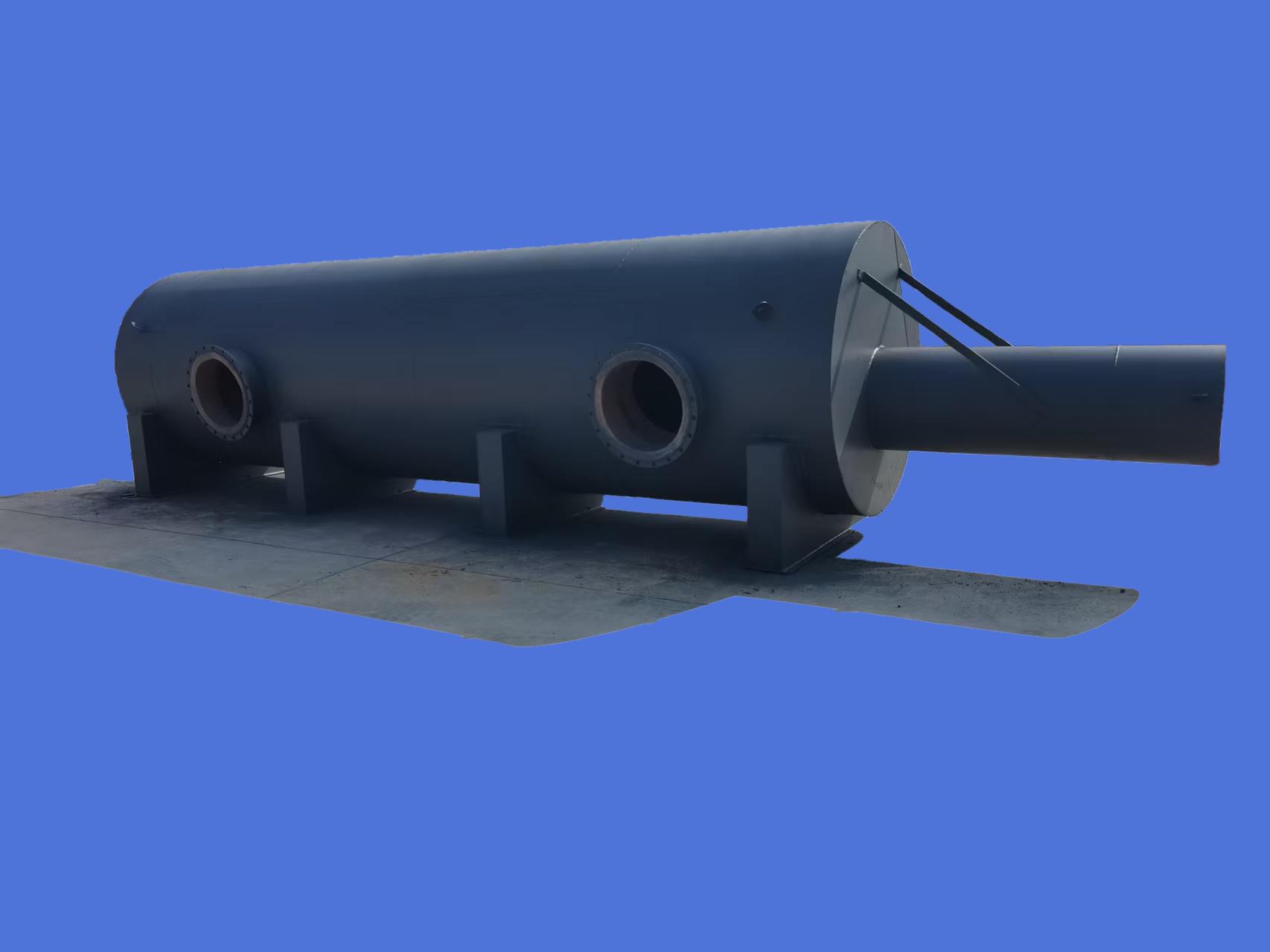
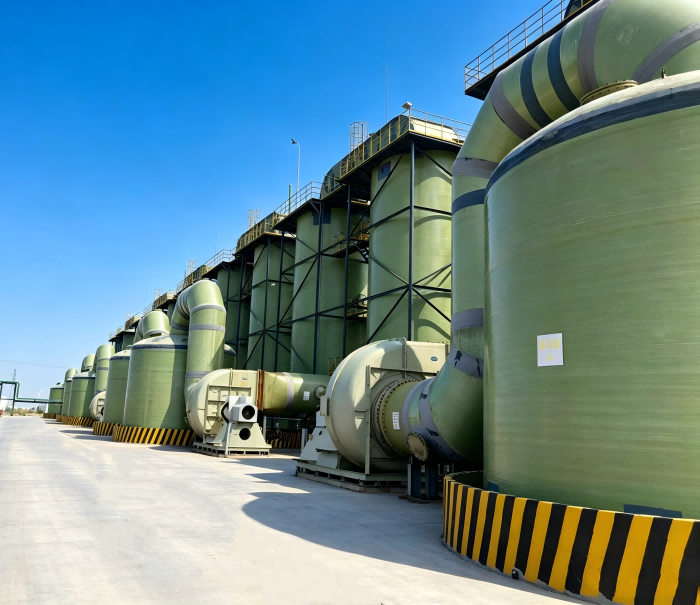
Elemental bromine has strong volatility, with a boiling point of only 58°C. The oxidized brine is fed into the top of a blowing tower, while hot air or steam is blown from the bottom. Bromine vapor separates from the solution with the air flow, forming a bromine-containing air mixture. The blowing tower is filled with ceramic or plastic packing to increase gas-liquid contact area and improve blowing efficiency. The temperature is usually controlled at 40–60°C to balance volatilization rate and energy consumption.
4. Absorption and Enrichment of Bromine
The blown bromine-containing air must be enriched in an absorption tower. Currently, two main absorption methods are used:
- Sulfur Dioxide Absorption Method: This is the most widely used process in China. Sulfur dioxide gas is introduced into the absorption tower, where it reacts with bromine vapor in water to form a hydrobromic acid solution. This reaction proceeds rapidly, with an absorption efficiency of over 98%. Additionally, sulfur dioxide can be recovered from coal-fired flue gas, reducing costs.
- Alkali Solution Absorption Method: Sodium hydroxide or sodium carbonate solution is used as the absorbent. Bromine undergoes a disproportionation reaction to form bromide and bromate. The absorbed solution must be acidified in subsequent steps to cause a disproportionation reaction between bromide and bromate, regenerating elemental bromine.
5. Re-oxidation and Distillation Purification
The bromine compounds obtained in the absorption stage need to be converted back into elemental bromine. For hydrobromic acid solution obtained via the sulfur dioxide absorption method, chlorine gas is introduced to oxidize it into elemental bromine. For the mixed solution of bromide and bromate obtained via the alkali solution absorption method, acidification directly generates elemental bromine. Finally, elemental bromine is refined through distillation. The temperature is controlled at 5–10°C to condense bromine vapor into a liquid. After washing, drying, and secondary distillation, industrial-grade bromine with a purity exceeding 99.5% is obtained.
II. Other Bromine Extraction Technologies and Development Trends
In addition to the air blowing method, industrial bromine extraction technologies include steam distillation and solvent extraction, each with its own applicable scenarios and advantages.
1. Steam Distillation Method
This method directly distills oxidized brine, separating bromine from water based on their different boiling points. However, this method is only suitable for brine with high bromine concentration (≥3 kg/m³). When brine concentration is low, steam consumption increases sharply, leading to significantly higher economic costs. Early distillation towers used specially structured grid towers, which were later replaced by more efficient packed towers. Materials evolved from granite and sandstone to metal towers with acid-resistant linings.
2. Solvent Extraction Method
This method leverages the much higher solubility of bromine in organic solvents (such as carbon tetrachloride and benzene) compared to water. Bromine is concentrated through multi-stage extraction, followed by stripping and distillation to obtain the final product. With the development of extraction equipment, solvent extraction has gradually become the preferred method, especially for treating low-concentration brine. It offers advantages such as short process flow and low energy consumption but still requires distillation for final separation.
3. Green Technology Innovation Trends
With increasingly stringent environmental requirements, bromine extraction technology is developing toward green and intelligent directions. For example, hydrogen peroxide is used to replace chlorine gas as an oxidant, eliminating the safety and environmental risks of chlorine gas at the source. Digital modeling and intelligent control systems are introduced to optimize parameters in each stage, improving energy efficiency and production stability. A full-chain production model of "bromine extraction from brine—by-product resource utilization—energy recycling" is established to achieve cascaded resource utilization.
III. Industrial Applications and Development Status
As a basic chemical raw material, bromine plays an irreplaceable role in the modern industrial system. Its derivatives are widely used in flame retardants, pharmaceutical intermediates, agricultural chemicals, drilling fluids, and other fields, with steadily growing market demand.
Overseas bromine extraction from seawater began in 1934. Countries such as Japan, France, and Argentina have established mature bromine extraction plants, with a global annual output of approximately 360,000 tons. China started research and development in 1966 and successfully achieved direct bromine extraction from seawater using the air blowing method in 1967. Currently, bromine extraction plants are operating in Qingdao, Lianyungang, Beihai, and other regions. In 2024, the first phase of Lancang Company's 4,000-ton annual bromine production project entered trial production. Using the industrial chain of "power generation cooling water—desalinated seawater—concentrated seawater bromine extraction," the project achieved stable annual bromine production, extracting 3.6 tons of bromine from 45,000 tons of concentrated brine daily, demonstrating the technical strength and development potential of China's bromine extraction industry.
Continuous progress in bromine extraction technology has not only promoted the development of the bromine chemical industry but also provided a feasible path for comprehensive utilization of marine resources. While ensuring industrial raw material supply, it helps build a green and low-carbon industrial system.