Market Overview: Global Markets Bottom Out Simultaneously as July Prices Start to Rebound
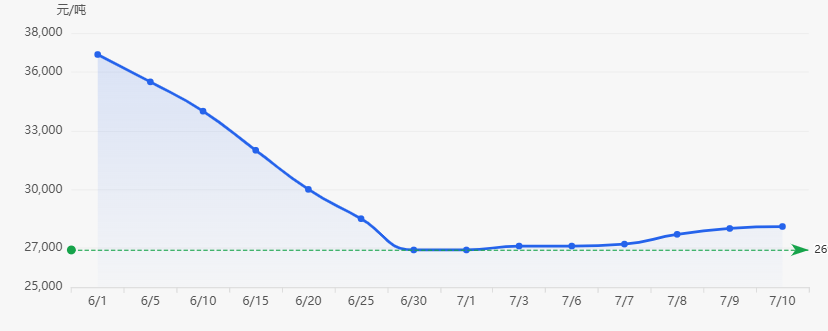
After two consecutive months of deep correction in the second quarter, the global bromine market officially reached an inflection point in July 2026. In the first half of 2026, bromine experienced an extreme cycle of rapid surge, deep pullback and bottoming rebound. Driven by geopolitical conflicts in the Middle East and supply disruptions at major overseas plants in Q1, international bromine prices hit an all-time peak, and domestic China prices surged above 70,000 yuan/ton. In Q2, alongside the recovery of global supply and the traditional downstream demand off-season, prices quickly retreated to near the cost line. The current price recovery reflects both a repair of the earlier oversold decline and a marginal shift in supply-demand fundamentals.
Core Drivers of the Rebound: Three Factors Reshape Supply-Demand Balance
This synchronized rebound in global bromine prices is driven by the combined effects of supply contraction, cost support and improving market expectations, with clear signs of marginal improvement in industry fundamentals.
1. Phased Global Supply Contraction Reduces Spot Availability
Supply contraction is the core driver of the price rebound. Domestically in China, the northern production hubs have entered the summer rainy season. Underground brine concentration has been diluted by rainfall, dragging the overall operating rate of bromine producers down to 65.71%, a decrease of 3.42 percentage points from the previous period, resulting in phased output contraction. Meanwhile, earlier low-priced import cargoes have been gradually digested and the arrival pace of new imports has slowed, tightening available spot supply in the market.
Globally, major Middle East producers have launched routine summer maintenance shutdowns, and production loads in North America have been constrained by extreme heat, leading to a marginal decline in global bromine spot availability. After the earlier deep price drop pushed quotations close to or even below the comprehensive cost line for most producers, manufacturers worldwide have shown stronger willingness to support prices, with far fewer active price-cutting sales, forming a solid floor for prices.
2. Cost Line Forms Strong Support, Closing Further Downside
Rising raw material, energy and environmental compliance costs worldwide have built a solid bottom boundary for bromine prices. In China, driven by declining brine grade, rising resource taxes and stricter environmental requirements, the comprehensive production cost of bromine now stands in the range of 23,000–26,000 yuan/ton. Overseas production hubs have also seen their cost base move upward amid higher energy and labor costs.
Once prices fell near the cost line, producers faced mounting loss pressure, and the incentive and room for further price cuts largely disappeared. This cost support has been a fundamental foundation for the current bottoming rebound.
3. Peak-Season Expectations Lift Downstream Demand Marginally
As the traditional Q3 consumption peak season approaches, restocking sentiment in downstream markets has gradually warmed up. Producers of brominated flame retardants, pharmaceutical intermediates and pesticide formulations have launched phased replenishment, and rigid-demand procurement volumes have increased notably compared with the June off-season.
In the medium to long term, the continuous expansion of the global new energy industry keeps injecting steady growth into bromine demand. Emerging applications such as power battery thermal protection, energy storage station flame retardancy and zinc-bromine flow batteries maintain rapid growth in demand for bromine-based materials. Stabilizing demand from the electronics and construction sectors in Europe and the United States also provides positive support to global bromine consumption.
Global Industry Outlook: Short-Term Oscillating Recovery, Long-Term Resource Value Underpins Pricing
In the short term, the global bromine market remains in a weak-balance recovery phase. With overall capacity still ample during the summer production peak and the strength of downstream demand recovery yet to be verified, prices are expected to rise in a steady, oscillating manner rather than repeating the extreme surge seen in Q1. Future trends will depend heavily on the supply recovery pace of overseas production hubs and the release of peak-season downstream demand.
In the medium to long term, the non-renewable nature of bromine resources and the highly concentrated global capacity structure remain unchanged. Currently, over 70% of global bromine capacity is concentrated along the Dead Sea coast in the Middle East, leaving the supply chain chronically vulnerable to geopolitical conflicts and extreme weather events. In China, continued degradation of domestic brine resources limits capacity growth, and import dependence will remain above 60% for a long time. With expanding demand from emerging downstream sectors, the long-term value center of the global bromine industry has a solid foundation for steady uplift, and cyclical price fluctuations will become the industry norm.
Industry Insight: Efficient Bromine Extraction Technology Is Key to Navigating Market Cycles
Faced with cyclical global bromine price fluctuations and tightening resource constraints, cost control and resource utilization efficiency have become the core determinants of profit stability for bromine producers. Process upgrading and equipment iteration — to improve brine bromine recovery rate, reduce unit energy consumption and realize automated continuous production — are the fundamental paths for enterprises to hedge against price volatility and navigate industry cycles.
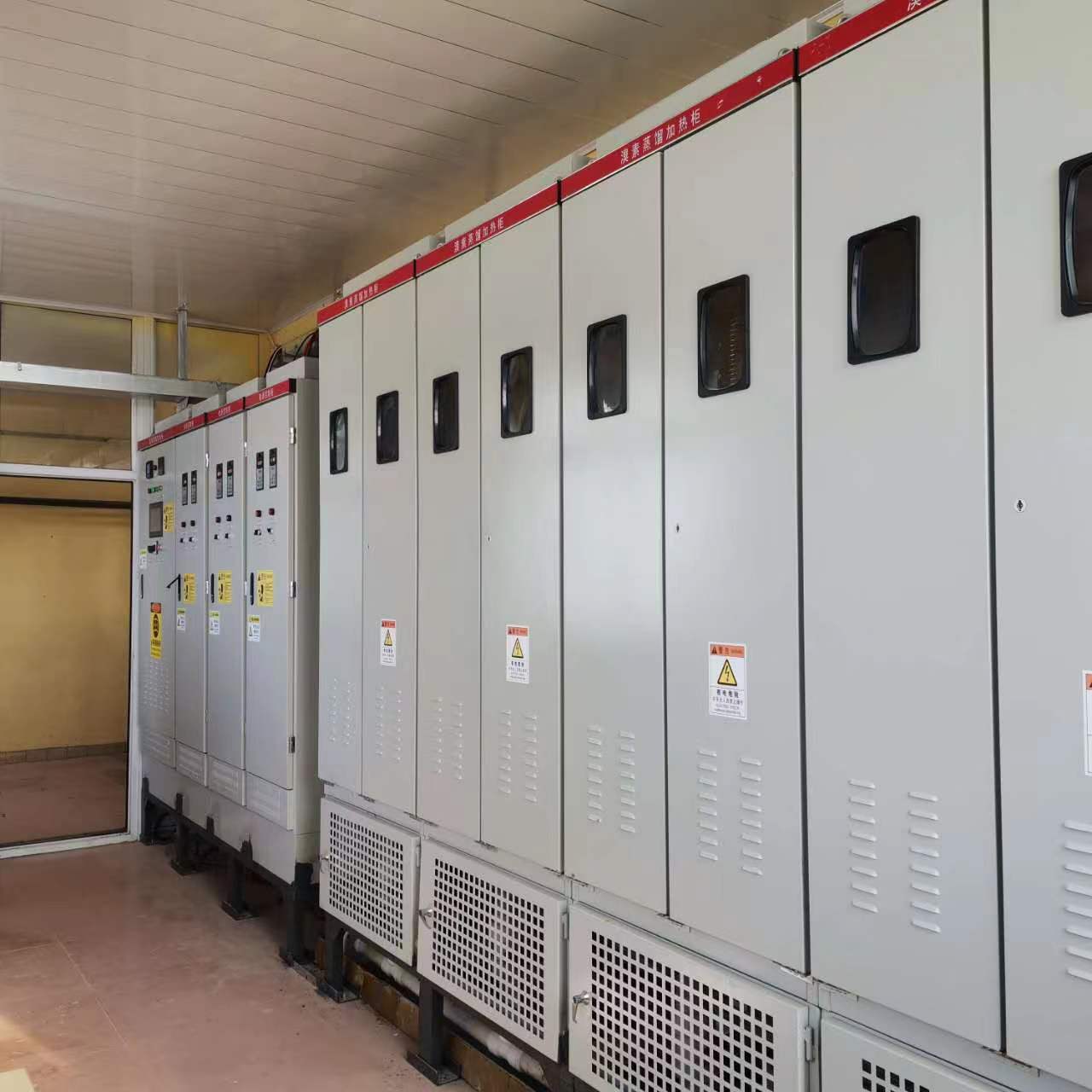
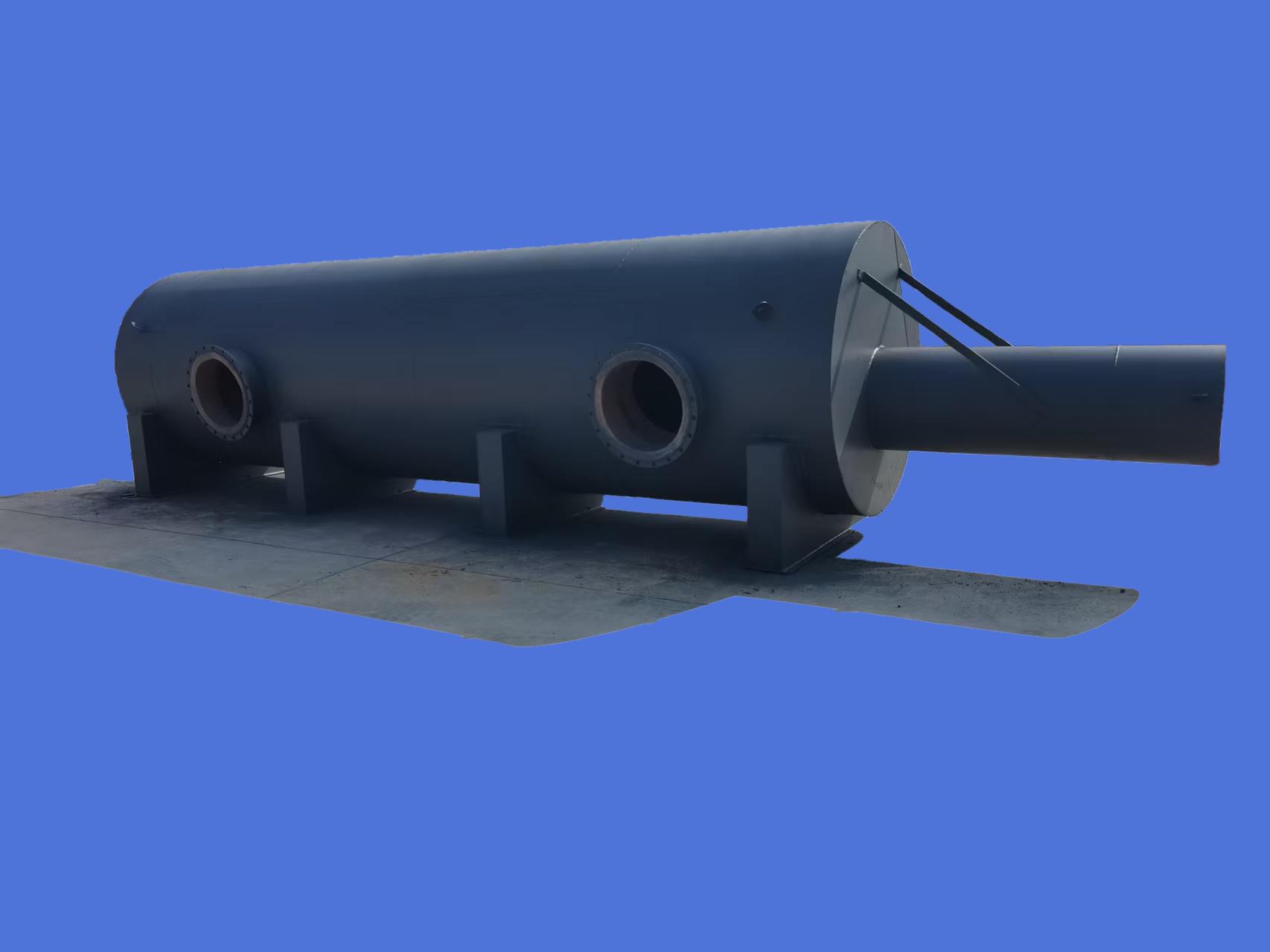
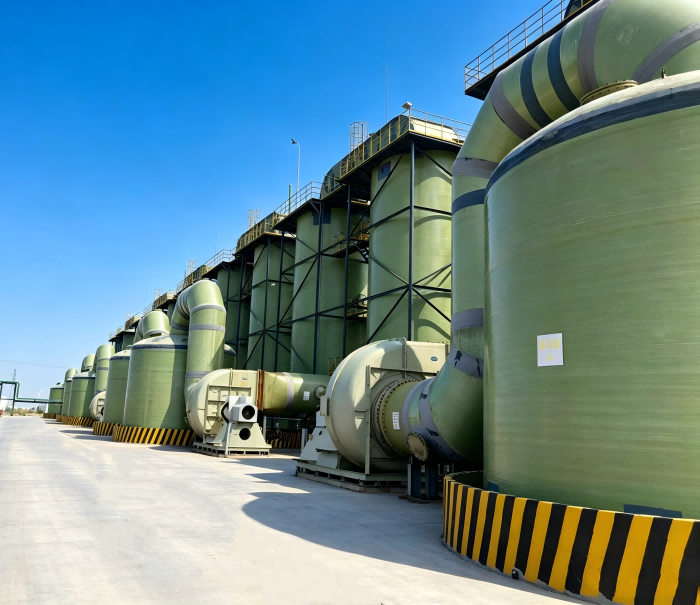
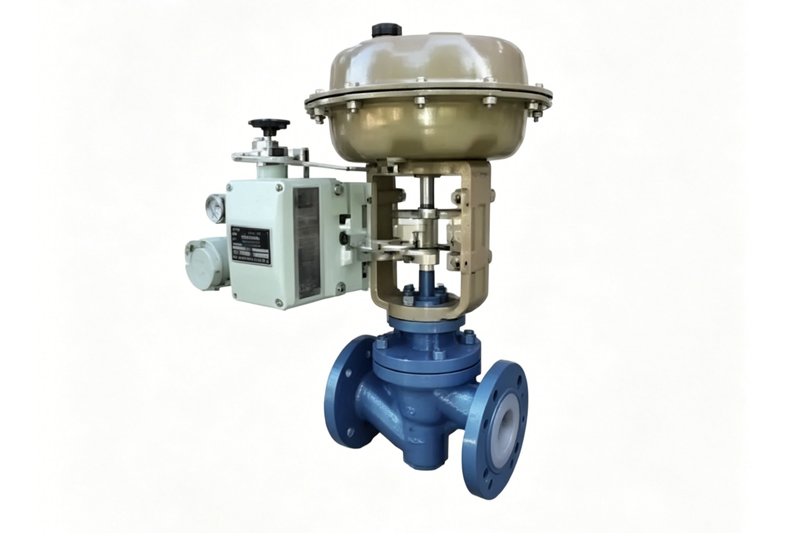
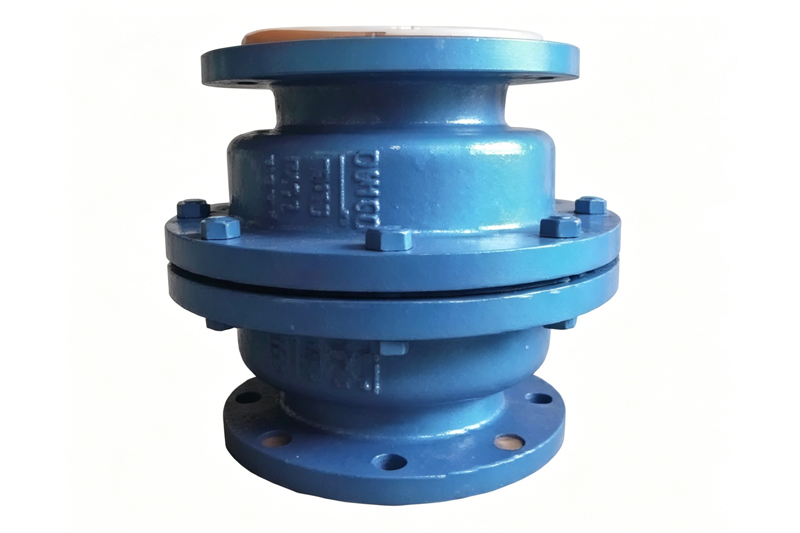
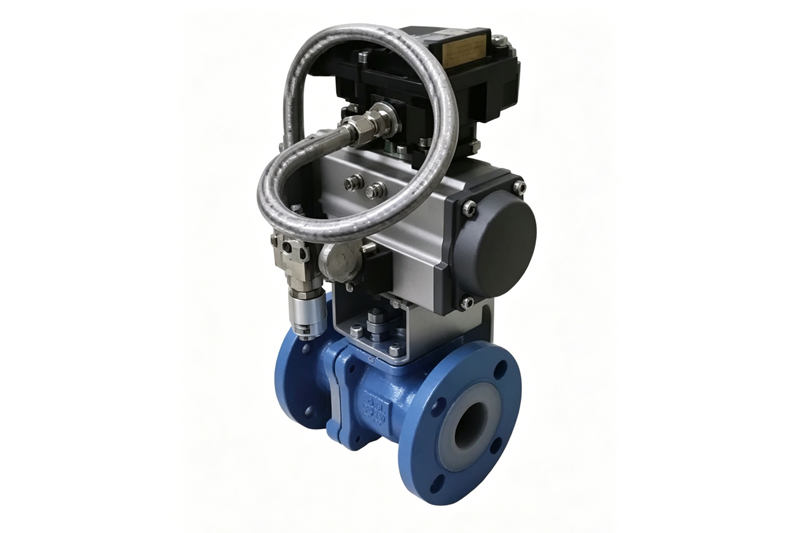
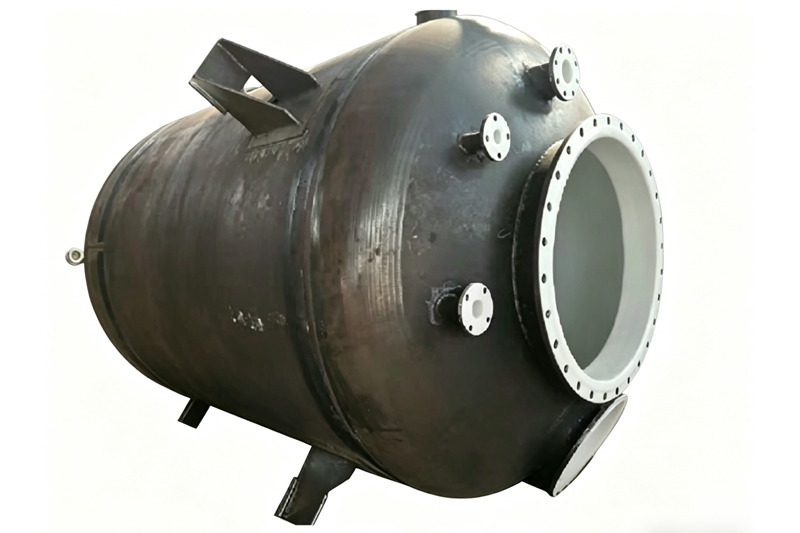
With years of deep engagement in salt chemical and bromine extraction technology, we provide full-process solutions for bromine chemical enterprises worldwide, covering process design, core equipment manufacturing and installation commissioning. Our high-efficiency bromine extraction equipment covers the full production sequence of acidification & oxidation, air blowing and absorption & enrichment. Equipped with intelligent control systems, the equipment significantly improves bromine recovery rate, reduces production energy consumption and labor costs, and helps customers stabilize production profitability amid global market fluctuations and build long-term competitive advantages.
Going forward, we will continue to track global bromine chemical industry dynamics, empower industrial upgrading through technological innovation, and work with global customers to promote the efficient, green and intelligent high-quality development of the bromine chemical industry.