



Process Steps & Core Functions of Vibrating Fluid Bed Dryer in Salt Washing
Core Process Steps
1.Uniform Feeding & Distribution
Wet salt after washing and centrifugal dewatering is fed evenly onto the fluid bed distributor plate via a screw conveyor, forming a stable material layer to create uniform conditions for subsequent fluidized drying.
2.Fluidized Main Drying & Dewatering
Driven by the directional excitation force of vibration motors, salt particles move forward in a jumping manner along the bed surface. Meanwhile, clean hot air evenly penetrates the material layer from the bottom distributor plate, putting salt particles in a boiling fluidized state. The hot air fully contacts the entire surface of particles to quickly evaporate surface free water and interstitial water.
3.Zoned Temperature Control & Refining
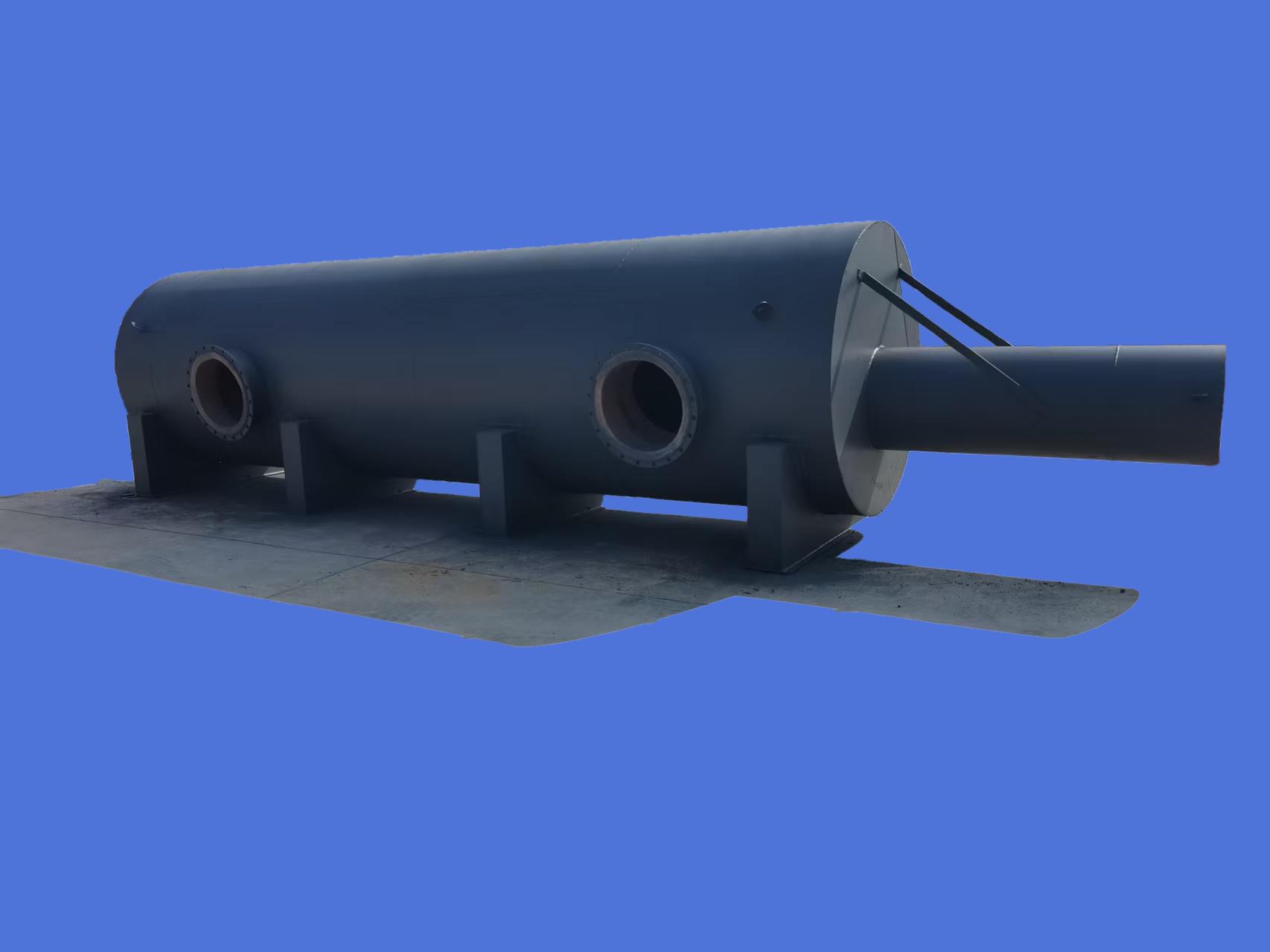
Qualified dried salt is continuously discharged from the outlet; dust-laden exhaust gas meets discharge standards after fine salt dust is recovered by a cyclone separator, achieving both material recovery and environmental compliance.
Core Functions in Salt Washing Process
1.Accurate Dewatering & Stable Quality
Uniform fluidized heat exchange eliminates local dry-wet differences, stably controlling the moisture content of finished salt within the standard range, avoiding wet lumps or over-drying issues and ensuring batch quality consistency.
2.Crystal Protection & Complete Particle Size
Particles move flexibly in fluidized state with low friction and collision, resulting in complete crystal shape, low breakage rate, uniform particle size and good whiteness, meeting the appearance and particle size requirements of refined salt.
3.High Efficiency & Stable Capacity
Fully continuous operation with large processing capacity, its heat exchange efficiency is about 30% higher than traditional drying equipment. It can be seamlessly connected to the whole salt washing process, suitable for large-scale industrial salt refining lines.
4.Closed & Eco-friendly with Low Loss
The fully enclosed structure prevents dust leakage, and exhaust dust removal recovers fine salt simultaneously, meeting environmental protection requirements and reducing material loss and operating costs.
5.Integrated Drying & Cooling
A single unit completes both drying and cooling processes without additional cooling equipment, simplifying production line layout and preventing caking caused by moisture reabsorption of high-temperature salt after packaging.