



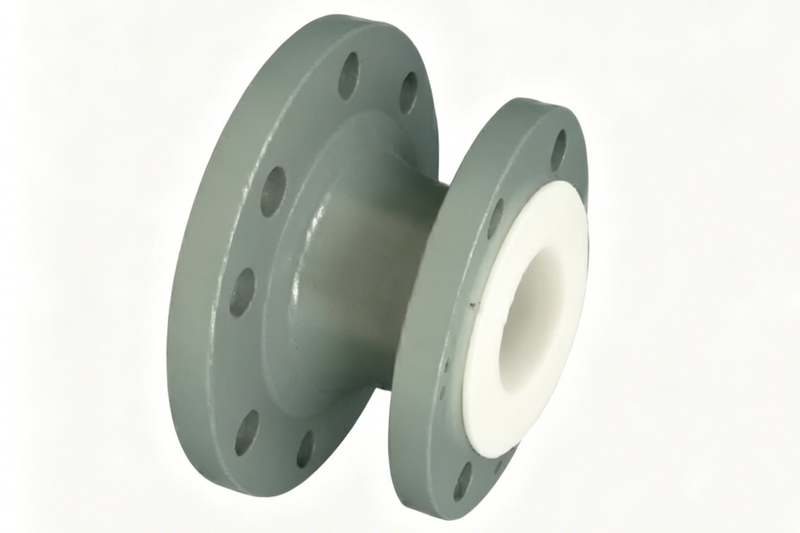
Advantages of Calcium Chloride Project
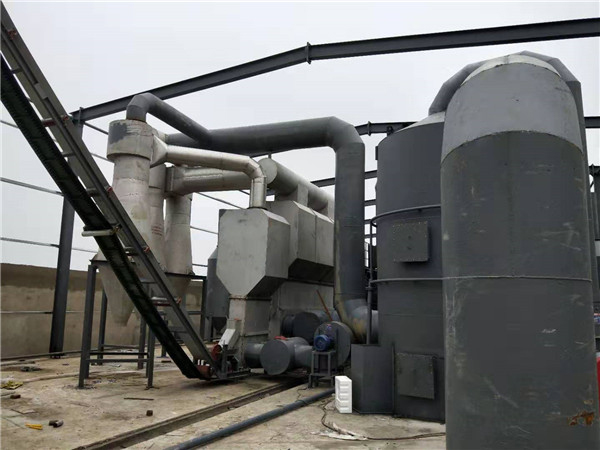
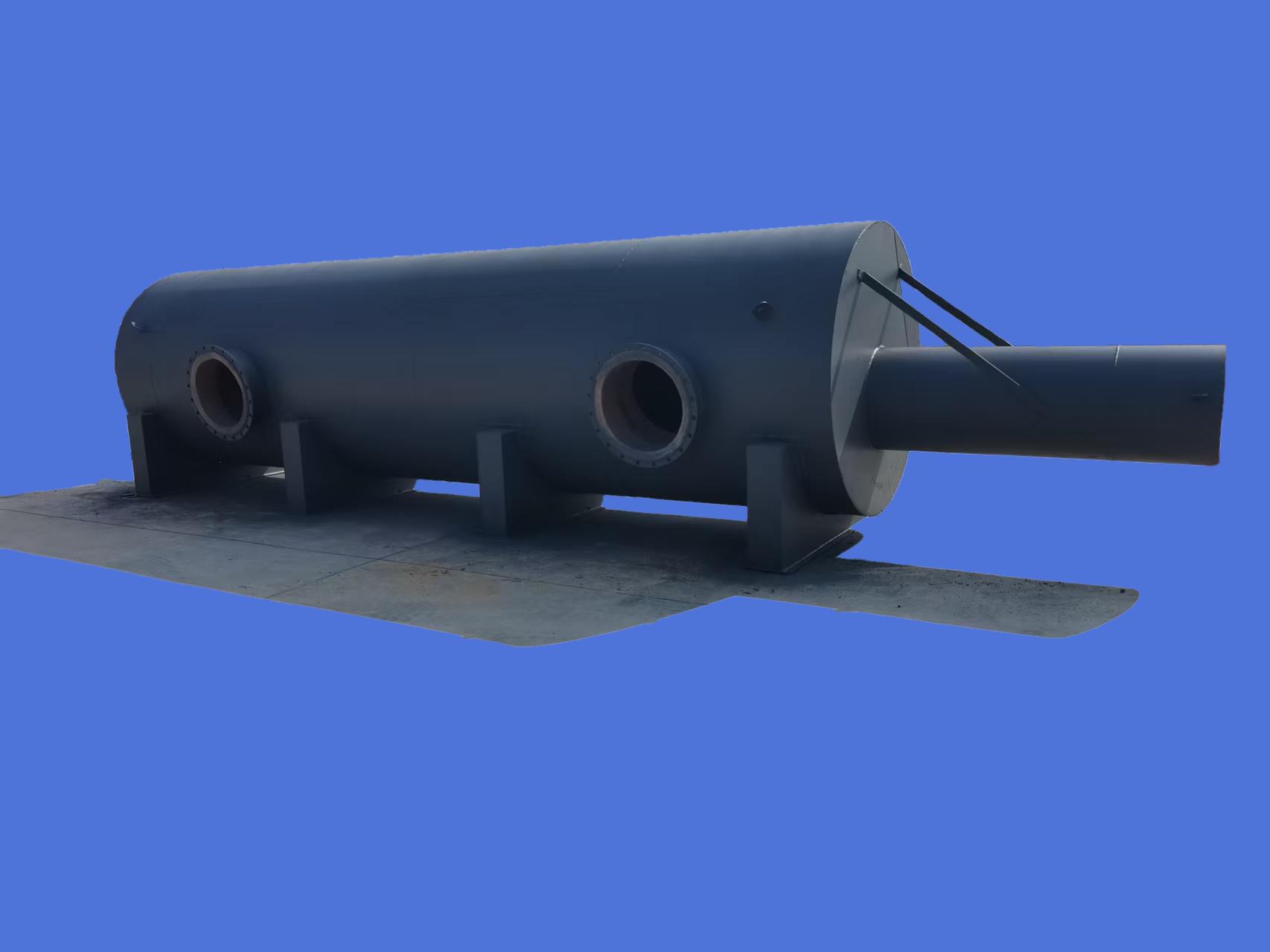
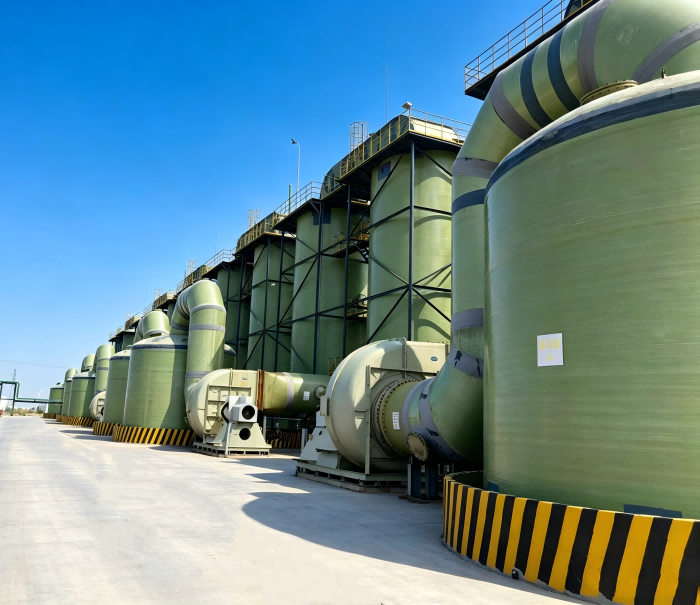
The chlorine gas calcium chloride process equipment consists of key components including a reactor, absorption tower, distillation unit, cooling system, and automatic control system, offering significant project advantages in efficiency, purity, and environmental performance.
This integrated system enables the continuous production of high-purity calcium chloride through a well-optimized chemical process:
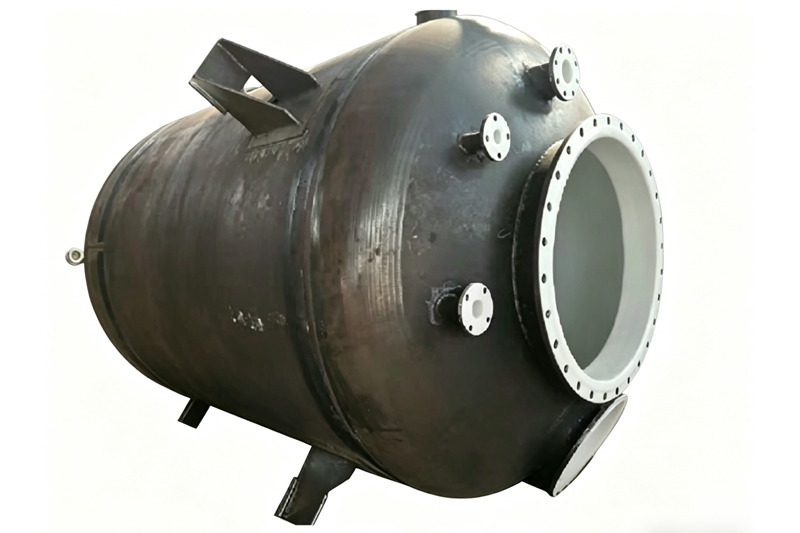
Where chlorine gas reacts with calcium hydroxide or calcium carbonate feedstock under controlled temperature and pressure to generate calcium chloride solution. The reactor is constructed from corrosion-resistant materials (e.g., lined steel) to withstand harsh conditions.
Unreacted chlorine gas is captured in this stage using alkaline solutions (e.g., sodium hydroxide), preventing emissions and enabling recycling, thus improving raw material utilization.
Concentrates the crude calcium chloride solution by removing excess water and volatile impurities. Multi-effect evaporation technology is often applied to reduce energy consumption.
Cools the concentrated solution to induce crystallization of solid calcium chloride, either as dihydrate or anhydrous form depending on process settings.
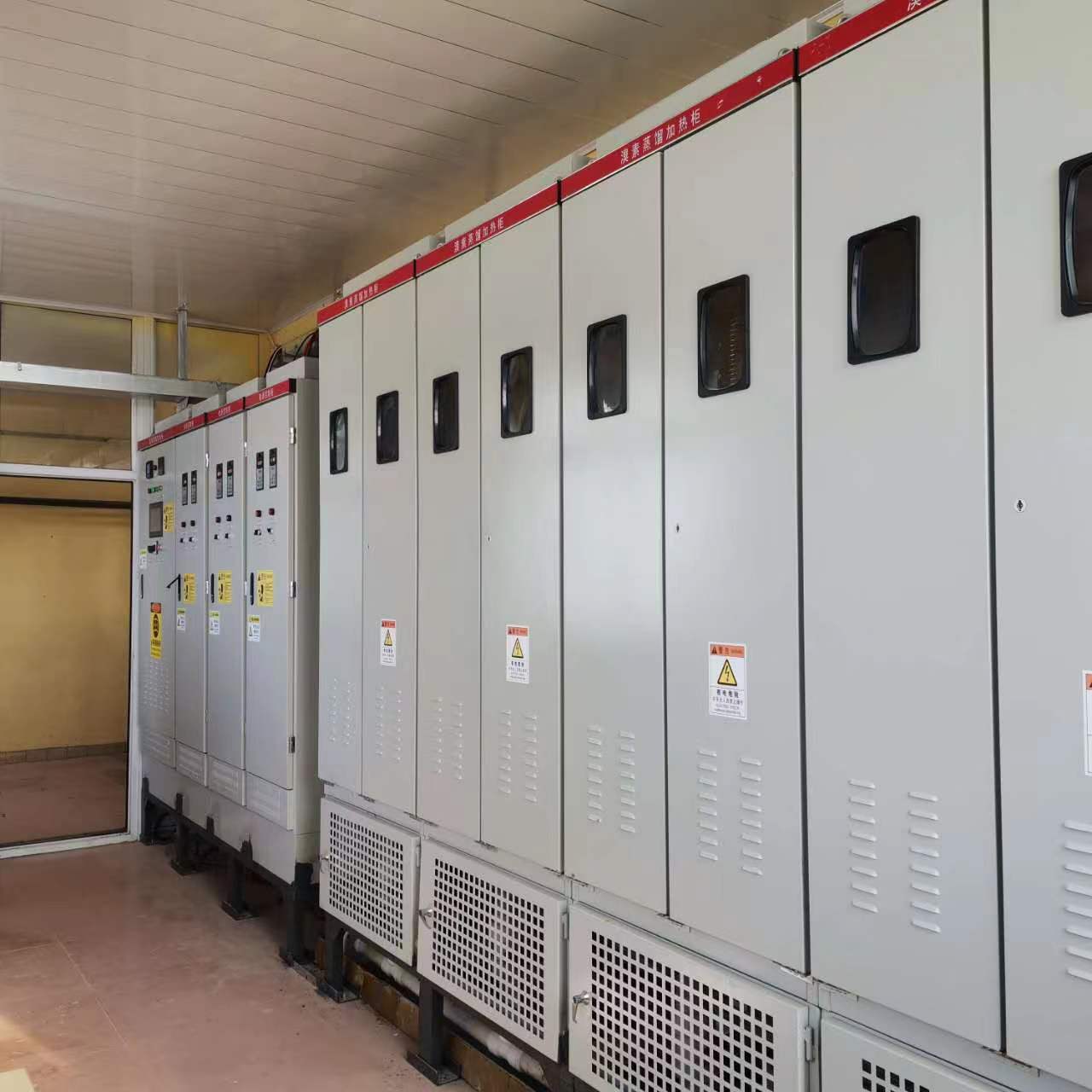
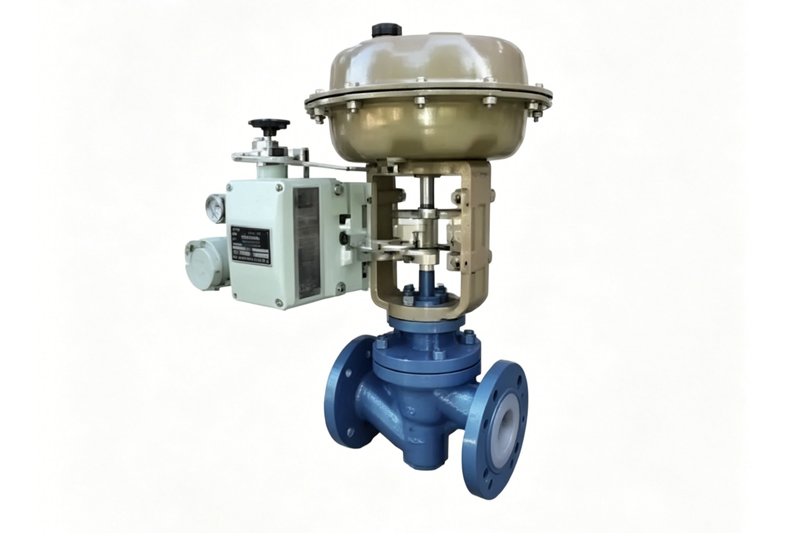
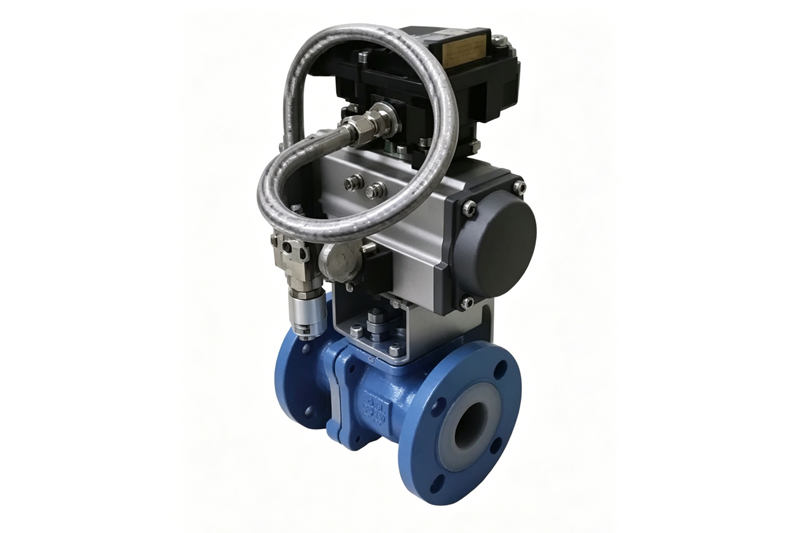
Monitors and regulates flow rates, temperatures, pressures, and chemical concentrations in real time, ensuring stable operation and product consistency.
The closed-loop process minimizes contamination, yielding calcium chloride with purity exceeding 95%, suitable for industrial and food-grade applications.
Integration of heat recovery systems and multi-effect evaporation reduces steam consumption by up to 30%, lowering operational costs.
Near-complete absorption of chlorine gas prevents toxic emissions, while waste streams are treated or recycled, aligning with green manufacturing standards.
The modular design allows for easy capacity expansion, and high automation reduces labor needs by over 60%, enhancing production reliability.