




0102030405
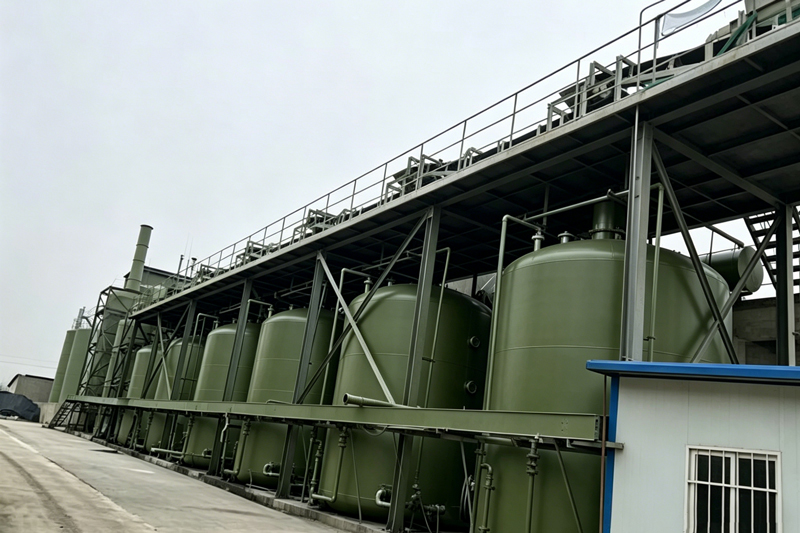
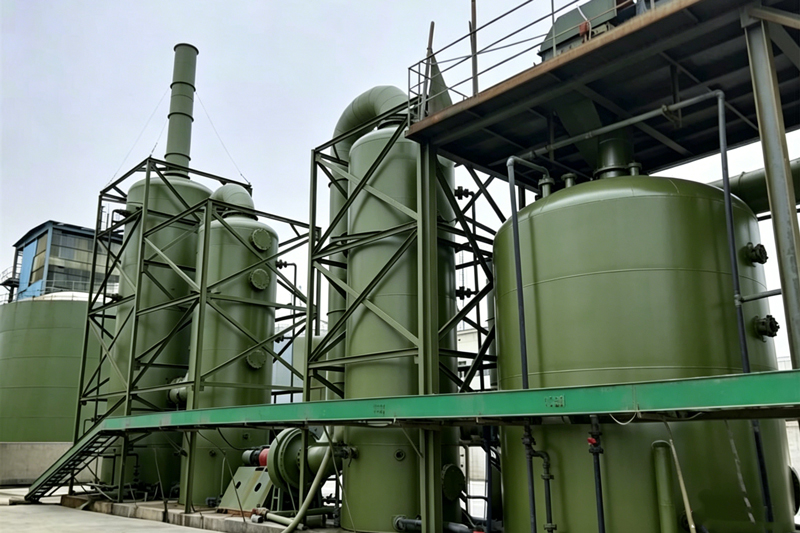
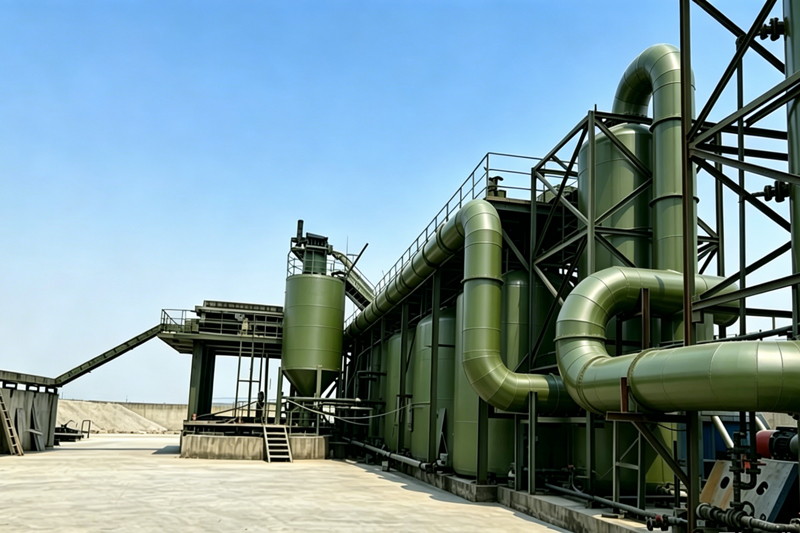
Liquid Calcium Chloride Production Equipment from China - High-Efficiency Suppliers and Factory Solutions
Core Equipment Overview
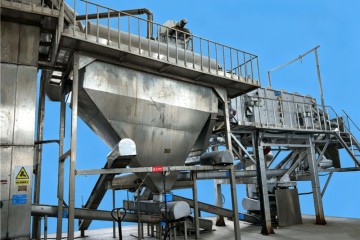
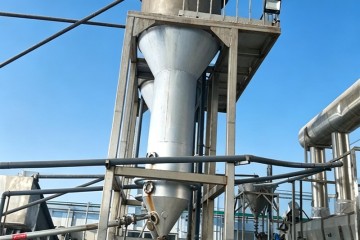
This integrated production line is specifically engineered for calcium chloride manufacturing, leveraging reactions between hydrochloric acid and raw materials like limestone, calcium oxide, and high-calcium stone. It automates the entire process from reaction, filtration, pH adjustment to concentration, enabling stable production of qualified calcium chloride solutions with a Baume degree of 28-35, perfectly suited for large-scale industrial applications.
Applicable Raw Material Range
| Raw Material Type | Specification Requirements | Reference Proportion |
|---|---|---|
| Hydrochloric Acid | Concentration 20%-31% | 2T (30% concentration) |
| Limestone | Calcium content 80%-90% | 1T |
| Calcium Oxide | Purity ≥90% | Replace limestone as needed |
| High-calcium Stone | Calcium content ≥85% | Can replace limestone |
Equipment Working Principle
The system operates on acid-base neutralization chemistry, where hydrochloric acid reacts with carbonates and oxides to form calcium chloride solution. Impurities are removed through solid-liquid separation, followed by pH adjustment to ensure product stability.
Refined Working Procedures
| Step No. | Operation Link | Process Parameter Requirements | Core Function |
|---|---|---|---|
| 1 | Hydrochloric Acid Feeding | Stable flow, concentration 20%-31% | Provide acidic medium for reaction |
| 2 | Limestone Feeding | 2:1 (hydrochloric acid: limestone) ratio | Control reaction rate and product concentration |
| 3 | Hydrochloric Acid Pump Saturation | Maintain stable hydrochloric acid concentration in the tank | Ensure sufficient reaction |
| 4 | Constant Temperature Reaction | Reaction time 6-8 hours, normal temperature | Ensure full generation of calcium chloride |
| 5 | Plate and Frame Filter Press Solid-Liquid Separation | Filtration accuracy ≥0.1μm | Remove unreacted residues and insoluble impurities |
| 6 | pH Adjustment | Adjust to 7-8 | Precipitate metal ions and improve product purity |
| 7 | Finished Product Storage | Baume degree 28-35 | Produce qualified calcium chloride solution |
Core Advantages of Equipment
| Advantage Category | Specific Performance |
|---|---|
| Strong Raw Material Adaptability | Compatible with various raw materials such as hydrochloric acid, limestone, calcium oxide, and high-calcium stone, with flexible ratio switching based on raw material supply |
| High Production Efficiency | Single batch reaction cycle is 6-8 hours, automated process reduces manual intervention, daily production capacity can reach over 10T |
| Controllable Energy Consumption | Adopts normal temperature reaction process without additional heating, equipped with energy-saving pump sets and filtration equipment to reduce operating costs |
| Up-to-standard Product Purity | Multi-stage filtration and pH adjustment process effectively remove impurities such as iron and magnesium, and product purity meets industrial standards |
Frequently Asked Questions
What raw materials can be used in this calcium chloride production line?
The production line is highly adaptable and compatible with hydrochloric acid (20%-31% concentration), limestone (80%-90% calcium content), calcium oxide (purity ≥90%), and high-calcium stone (calcium content ≥85%).
What is the concentration and Baume degree of the finished output?
The system is designed to consistently produce qualified liquid calcium chloride solutions with a stable Baume degree ranging between 28 and 35.
How long is the typical reaction cycle per batch?
The constant temperature reaction process operates at normal temperature and requires a reaction time of approximately 6 to 8 hours per batch to ensure full generation of calcium chloride.
How does the system ensure the purity of the calcium chloride solution?
Purity is ensured through a multi-stage filtration process using a plate and frame filter press (filtration accuracy ≥0.1μm) to remove insoluble residues, followed by adjusting the pH to 7-8 to precipitate metal ions like iron and magnesium.
What are the energy consumption advantages of this equipment?
The equipment utilizes a normal temperature reaction process that does not require additional heating. Combined with energy-saving pump sets and optimized filtration equipment, it significantly minimizes overall operating costs.