




0102030405
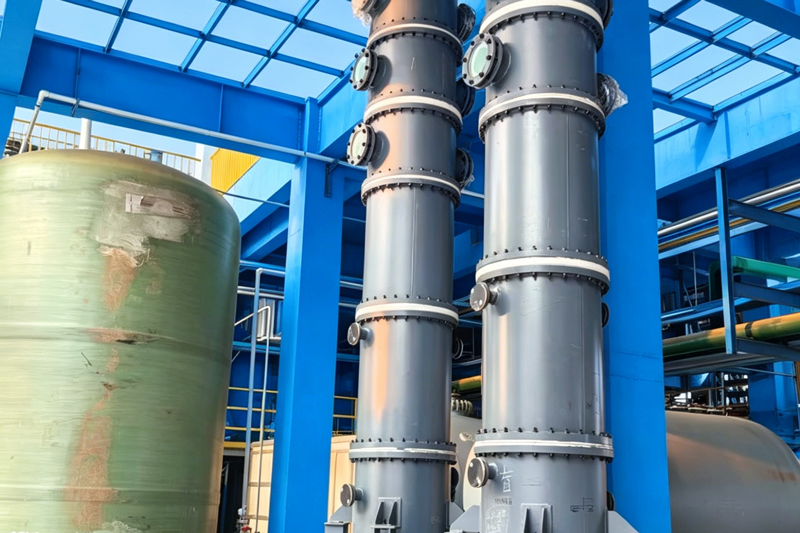
High-Purity Bromine Distillation Equipment from China Suppliers | Ruitu Automation Factory
Technical Characteristics
PTFE Lining Technology
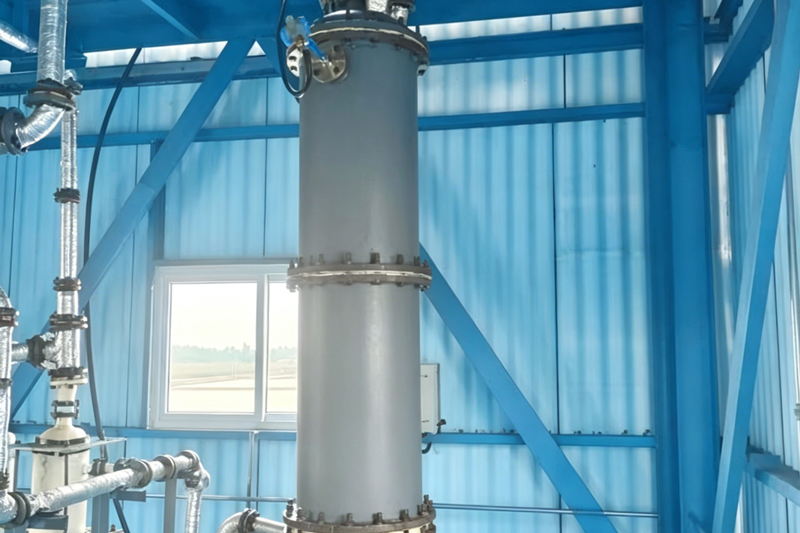
Distillation tower lining adopt high-purity PTFE, featuring dense non-porous structure, high hardness, and chemical inertness.
Completely solves corrosion/leakage problems of traditional graphite, Hastelloy, and other traditional equipment; service life: 3-5x longer than conventional equipment.
High-Efficiency Packed Tower
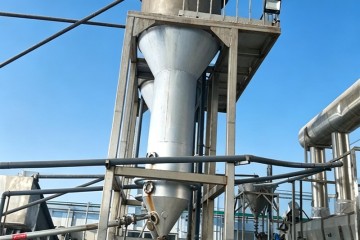
Filled with corrosion-resistant PTFE, large gas-liquid contact area, uniform liquid distribution, no channeling/flooding, ensuring stable distillation efficiency.
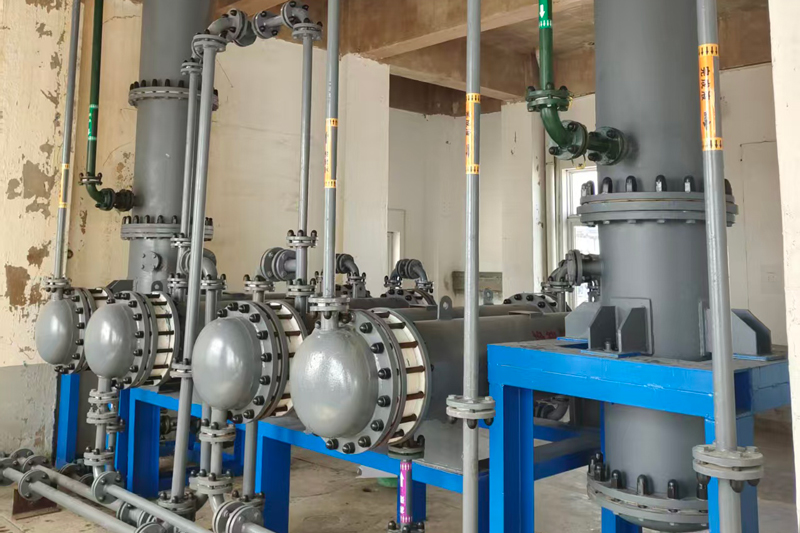
Low Pressure Drop Design: Optimized tube bundle layout and tower internals minimize system resistance, reducing blower power consumption by 20-30%.
Sealed & Safe Operation
Full Flange Connection + PTFE lining Sealing ensures maximum safety during continuous operations under harsh chemical environments.
Modular & Customizable Design
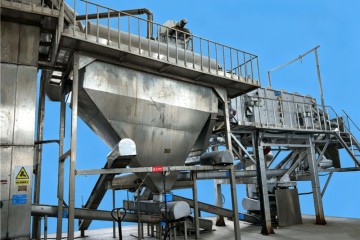
Skid-mounted modular structure, convenient for transportation and on-site installation; suitable for new plant construction and existing line retrofitting.
Customizable tower diameter, tube bundle quantity, and heat exchange area based on raw material composition, production scale, and site conditions.
Technical Specifications
| Parameter | Specification | Core Advantage |
|---|---|---|
| Distillation Purity | Finished bromine purity up to 99.95% | Meet high-end industrial/electronic grade standards |
| Operating Temperature Range | 80-150℃ (distillation section) | Adapt to full-process temperature conditions of bromine distillation |
| Corrosion Resistance | Extreme resistance to bromine, chlorine, hydrobromic acid, and high-temperature acidic media | Zero corrosion failure, long service life |
| Processing Capacity | Customizable for 1,000-20,000 tons/year bromine production lines | Match pilot projects, small/ large-scale plants |
Working Principle
The primary raw materials undergo heat exchange in the heat exchanger, after reaching the appropriate temperature they enter the reaction layer. The secondary recovery and utilization of heat can achieve effective energy-saving effects. Meanwhile, steam and chlorine gas also enter the reaction layer respectively, reacting with the primary raw materials. After reaction, bromine is separated from the raw materials and form bromine vapor. The bromine vapor rises to the condenser, where it is cooled and condensed into liquid bromine, and then enters the separation device.
Frequently Asked Questions
What are the key advantages of using high-purity PTFE lining in distillation towers?
High-purity PTFE lining features a dense, non-porous structure, high hardness, and chemical inertness. It completely solves corrosion and leakage issues typical of traditional graphite and Hastelloy equipment, extending the service life by 3 to 5 times.
How does the distillation unit achieve energy savings?
The system utilizes a low pressure drop design with optimized tube bundle layouts and tower internals. This minimizes system resistance, reducing blower power consumption by 20-30%. Additionally, secondary heat recovery in the heat exchanger further improves energy efficiency.
What is the purity level of the finished bromine produced?
The distillation process yields a finished bromine purity of up to 99.95%, which meets high-end industrial and electronic grade standards.
What operating temperature range can this equipment handle?
The distillation section operates efficiently within a temperature range of 80-150℃, adapting perfectly to the full-process temperature conditions required for bromine distillation.
Is the design customizable for different plant sizes?
Yes. The modular, skid-mounted structure can be customized for processing capacities ranging from 1,000 to 20,000 tons/year. Tower diameter, tube bundle quantity, and heat exchange areas can all be adjusted based on raw materials and site conditions.