




0102030405
Hammer Crusher from Ruitu Automation - High Efficiency, Adjustable Size, China Suppliers & Factory for Mining and Building Materials
Core Overview
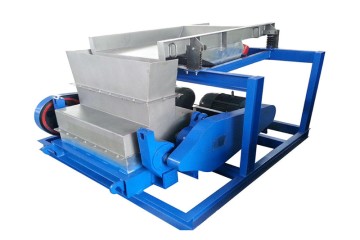
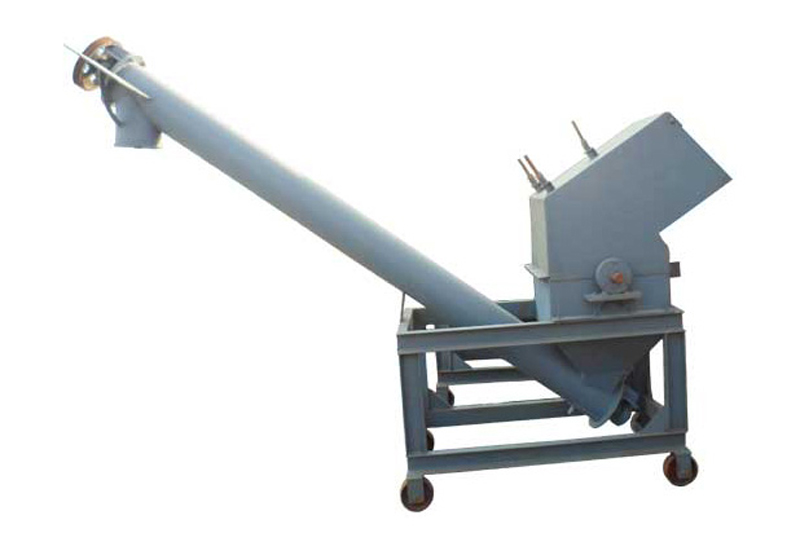
The hammer crusher is a high-performance crushing machine designed to handle a wide range of materials with exceptional efficiency. It utilizes the principle of impact crushing, where high-speed rotating hammers strike and break down materials into smaller particles. This equipment is widely used in various industries such as mining, cement, coal, metallurgy, construction, and chemical processing.
Applicable Raw Materials Range
The hammer crusher is highly versatile and can process a diverse range of raw materials. Here are some of the common materials it can handle:
| Material Type | Examples |
|---|---|
| Ores | Iron ore, copper ore, limestone, granite, basalt, etc. |
| Industrial Materials | Coal, coke, slag, gypsum, salt, etc. |
| Construction Materials | Concrete, bricks, tiles, asphalt, etc. |
| Agricultural and Forestry Products | Straw, wood chips, bark, etc. |
| Recycled Materials | Construction waste, scrap metal, etc. |
Working Principle
The working principle of the hammer crusher is based on impact crushing. When the machine is in operation, the motor drives the rotor to rotate at high speed. Materials are fed into the crushing chamber from the top inlet. As the rotor rotates, the hammers mounted on it strike the materials with great force, causing them to break into smaller pieces.
The crushed materials then collide with the impact plates and the inner walls of the crushing chamber, further reducing their size. Finally, the materials that meet the required particle size pass through the screen bars at the bottom of the chamber and are discharged from the machine. Oversized materials are retained in the chamber and continue to be crushed until they reach the desired size.
Meticulous Working Steps
1. Preparation:
Before starting the hammer crusher, it is essential to conduct a thorough inspection. Check the lubrication of all moving parts, ensure the tightness of bolts and nuts, and verify that the screen bars are in good condition. Also, make sure there are no foreign objects in the crushing chamber.
2. Start-Up:
Turn on the power supply and start the motor. Allow the machine to run idle for a few minutes to ensure it operates smoothly without any abnormal noise or vibration.
3. Feeding:
Gradually feed the raw materials into the crushing chamber through the top inlet. It is important to maintain a uniform feeding rate to avoid overloading the machine.
4. Crushing Process:
As the materials enter the chamber, they are struck by the high-speed rotating hammers. The impact force breaks the materials into smaller particles, which then collide with the impact plates and inner walls for further crushing.
5. Screening and Discharge:
The crushed materials fall onto the screen bars. Materials that are smaller than the screen bar gaps pass through and are discharged from the machine. Oversized materials are retained in the chamber and continue to be processed.
6. Shut-Down:
When the crushing process is complete, stop feeding materials into the machine. Allow the machine to run for a few more minutes to discharge all remaining materials. Then, turn off the motor and power supply.
7. Cleaning and Maintenance:
After shut-down, clean the crushing chamber and remove any remaining materials. Inspect the hammers, screen bars, and other components for wear and tear. Replace any damaged parts and lubricate the machine as needed.
Core Advantages
1. High Crushing Efficiency:
The hammer crusher utilizes impact crushing technology, which allows it to break down materials quickly and efficiently. It can achieve a high reduction ratio, reducing the size of materials from large chunks to fine particles in a single pass.
2. Wide Range of Applications:
As mentioned earlier, this equipment can handle a diverse range of raw materials, making it suitable for various industries. Whether you need to crush ores, coal, construction materials, or recycled waste, the hammer crusher can meet your needs.
3. Adjustable Particle Size:
The particle size of the final product can be easily adjusted by changing the screen bars or adjusting the gap between the hammers and screen bars. This flexibility allows you to produce materials with different particle sizes to meet specific requirements.
4. Simple Structure and Easy Maintenance:
The hammer crusher has a relatively simple structure, consisting of a rotor, hammers, screen bars, and a motor. This makes it easy to install, operate, and maintain. Regular maintenance mainly involves checking and replacing worn parts, which can be done quickly and easily.
5. Low Operating Costs:
With its high efficiency and low maintenance requirements, the hammer crusher helps reduce operating costs. It consumes less energy compared to other crushing machines, and the long service life of its components minimizes replacement costs.
6. Environmentally Friendly:
The hammer crusher is designed with environmental considerations in mind. It is equipped with dust suppression systems to minimize dust emissions during operation, ensuring a clean and safe working environment.
Technical Parameters
| Model | Rotor Diameter (mm) | Rotor Length (mm) | Feed Size (mm) | Discharge Size (mm) | Capacity (t/h) | Motor Power (kw) | Weight (t) |
|---|---|---|---|---|---|---|---|
| PC-0404 | 400 | 400 | ≤100 | 0-10 | 2.5-5 | 7.5 | 0.9 |
| PC-0604 | 600 | 400 | ≤100 | 0-15 | 10-15 | 22 | 1.15 |
| PC-0806 | 800 | 600 | ≤200 | 0-15 | 20-25 | 55 | 3.75 |
| PC-0808 | 800 | 800 | ≤200 | 0-15 | 35-40 | 75 | 4.34 |
| PC-1010 | 1000 | 1000 | ≤200 | 0-15 | 60-80 | 135 | 7.59 |
| PC-1212 | 1250 | 1250 | ≤200 | 0-20 | 90-110 | 180 | 19.1 |
Frequently Asked Questions
Q1: What is the main working principle of a hammer crusher?
A1: The hammer crusher operates on the principle of impact crushing. An electric motor drives a high-speed rotating rotor equipped with hammers. As raw materials enter the crushing chamber, they are struck by the hammers, broken down, and further reduced as they collide with impact plates and inner walls before discharging through the screen bars.
Q2: Can the final output particle size of the hammer crusher be adjusted?
A2: Yes, the particle size of the final product is highly adjustable. You can easily modify it by changing the screen bars at the bottom of the chamber or by adjusting the operating gap between the rotating hammers and the screen bars.
Q3: What types of raw materials are suitable for a hammer crusher?
A3: It can process a wide variety of materials including ores (iron ore, limestone, granite), industrial materials (coal, slag, gypsum), construction materials (concrete, bricks), agricultural residues (straw, wood chips), and recycled waste products.
Q4: How does the hammer crusher control dust emissions during operation?
A4: The hammer crusher is designed with environmental friendliness in mind. It is equipped with dedicated dust suppression systems that minimize dust emissions during the crushing process, ensuring a clean and safe working environment.
Q5: What are the key maintenance steps required for a hammer crusher?
A5: Regular maintenance includes checking the lubrication of moving parts, ensuring all bolts and nuts are tight, inspecting the hammers and screen bars for wear and tear, replacing damaged components, and thoroughly cleaning the crushing chamber after each shut-down.