Leave Your Message
Engineered for high-humidity, marine-grade operational durability and precision granulometric classification.

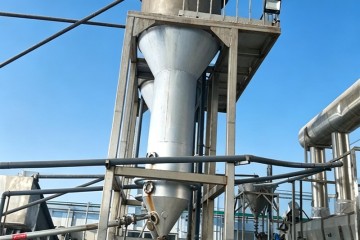
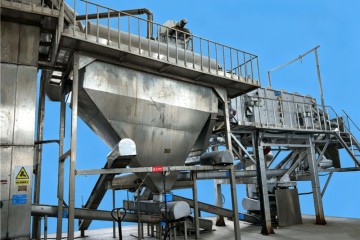
Australia is globally recognized as one of the preeminent leaders in primary solar salt production, contributing tens of millions of metric tons annually to the global supply chain. Dominated by massive coastal solar evaporation pans in regions such as the Pilbara, Shark Bay, Onslow, Port Hedland, and Lake MacLeod in Western Australia, alongside inland saline lakes and South Australian crystallizers, the country is a premier exporter of crude and refined sodium chloride to Asia-Pacific chemical manufacturing hubs.
However, modern Australian processors are rapidly moving downstream—transitioning beyond raw commodity bulk shipping to establish high-margin domestic processing operations. These operations cater to precision applications including chlor-alkali electrolysis, synthetic soda ash, lithium-ion battery chemical precursors, agricultural animal feed supplements, industrial water softening, and premium culinary gourmet flake salts such as the world-renowned pink salt harvested across the Murray-Darling basin.
To capture value in this demanding arena, mineral processing plants and commercial salt refiners require advanced custom salt sieving machines capable of withstanding extreme ambient heat, hyper-saline maritime air, high moisture crystallization, and continuous 24/7 duty cycles. Particle size distribution (PSD) must strictly align with international standards and domestic Australian food standards (FSANZ) to guarantee unblemished commercial consistency.
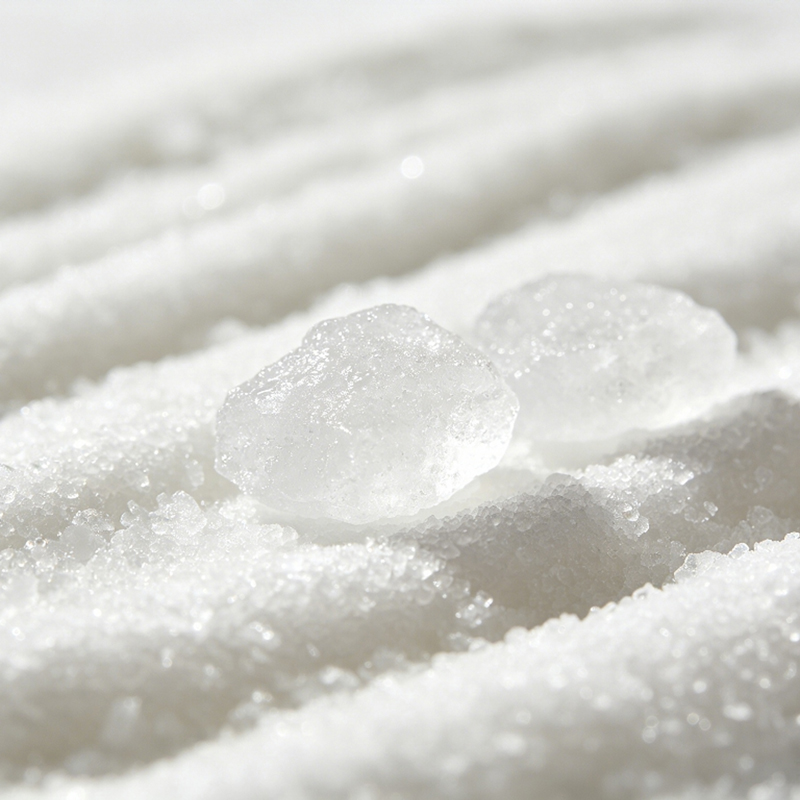
Operating a screening plant in Australian mining and coastal salt fields presents distinct thermodynamic and mechanical challenges.
Standard carbon steel succumbs to wet sodium chloride within weeks. Our custom sieving separators are built using pickled & passivated SS316L, 2205 Duplex stainless steel, and titanium-clad contact areas to combat pitting and chloride stress corrosion cracking under intense Pilbara heat.
Micro-fine and iodized table salts are hygroscopic, rapidly clogging conventional wire screens. Our screens integrate high-frequency ultrasonic transducers and bouncing elastomer balls to clear aperture blockages instantaneously without interrupting production.
All motors, vibratory exciters, variable speed drives, and PLC control cabinets strictly comply with AS/NZS 3000 electrical standards, AS 4024 machinery safety regulations, and hazardous area certifications (IECEx/ATEX) for dusty dry packaging rooms.
Salt processing is never a one-size-fits-all discipline. Depending on the upstream source—whether crystallized through seawater fractional solar evaporation in Port Hedland, pumped from underground rock salt deposits, or concentrated from geothermal and mineral brines—the raw crystal geometry varies drastically.
Linear vibrating screens driven by dual unbalance eccentric motors provide the primary workhorse classification for coarse salt fractions. Typically positioned immediately after the hydro-washing and centrifugal dewatering stages, these multi-deck units segregate raw crystals into designated bands: oversize lumps (>8mm) sent to crushing rollers, primary standard industrial salt (2mm - 6mm) destined for chemical soda ash or chlor-alkali feedstocks, and sub-fractions channeled to secondary drying.
In specialty culinary processing, such as naturally evaporated lake salt and sun-dried gourmet pyramid flakes, high-impact vertical vibration is disastrous because it shatters delicate crystal structures. For our Australian clients servicing domestic food brands and export markets, our custom tumbler sieves mimic natural hand-sieving using a three-dimensional elliptical motion. This achieves up to 99% screening efficiency while preserving fragile crystal geometries intact.
Refined vacuum salt and iodized dining salts require micro-precision grading (20 mesh to 120 mesh). Our multi-deck circular vibrating sieves permit up to five fractions to be classified simultaneously within a compact footprint. Sealed dust-tight enclosures prevent airborne particulate release, maintaining strict HACCP and ISO 22000 compliant sanitary environments within Australian food factories.
Solar pans inevitably accumulate trace clay, sand, and oversized salt crusts during mechanical harvesting. Robust scalping vibrating screens feature polyurethane deck panels with heavy impact plates that absorb dump loads directly from front-end loaders and feed hoppers, eliminating debris before it reaches sensitive refining centrifuges and pumps.
In addition to standalone sieving units, Ruitu Automation supplies complete upstream and downstream chemical engineering plants across Australasia.
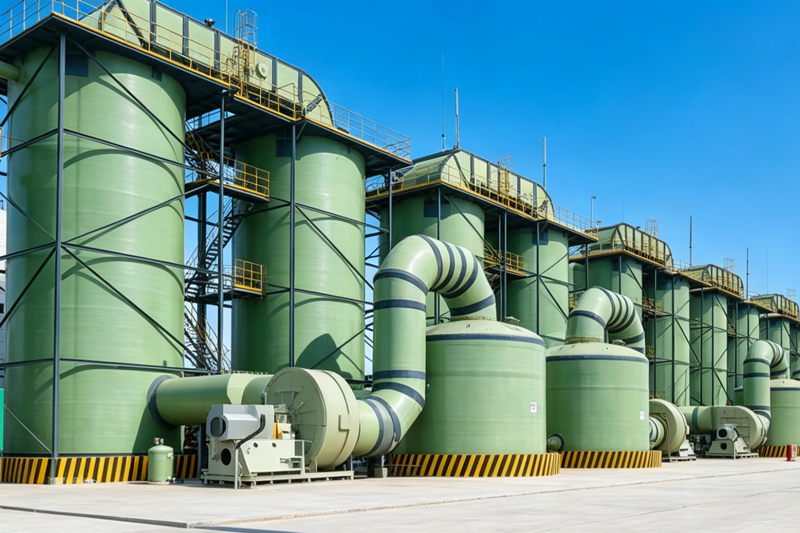
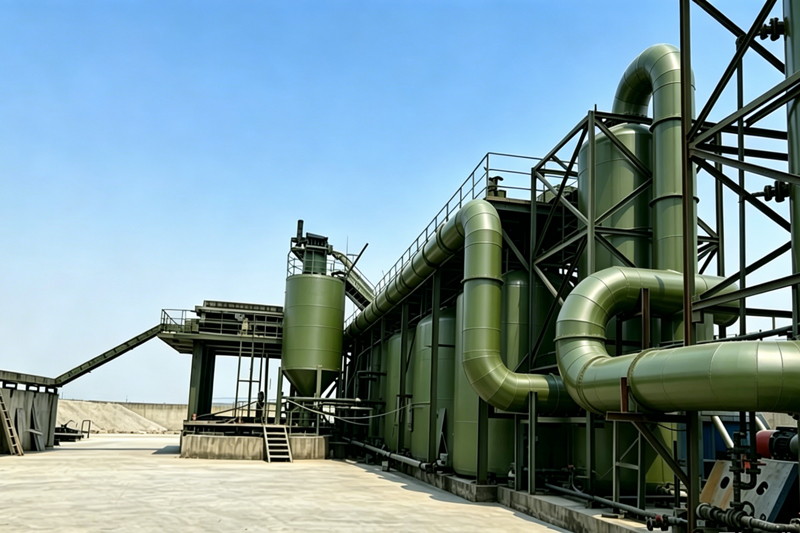
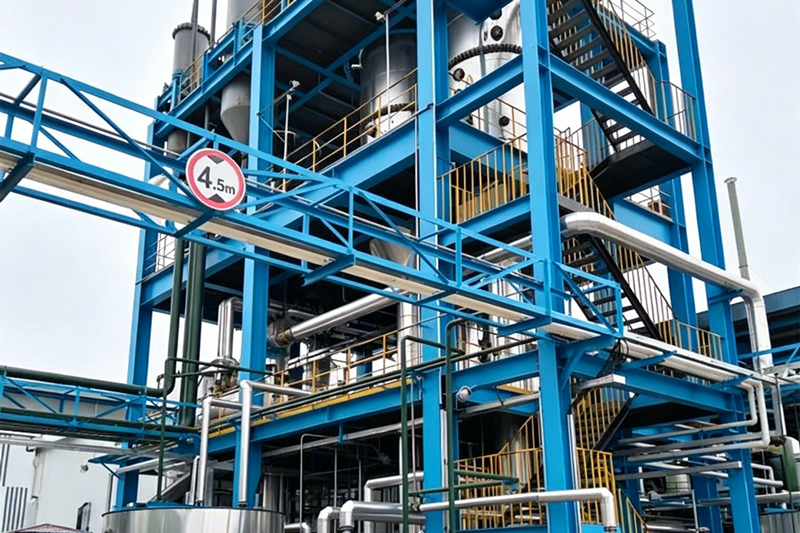
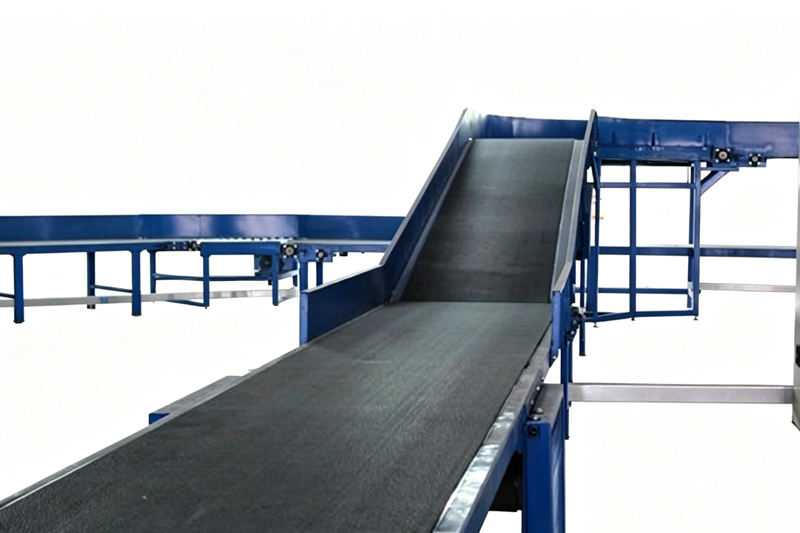
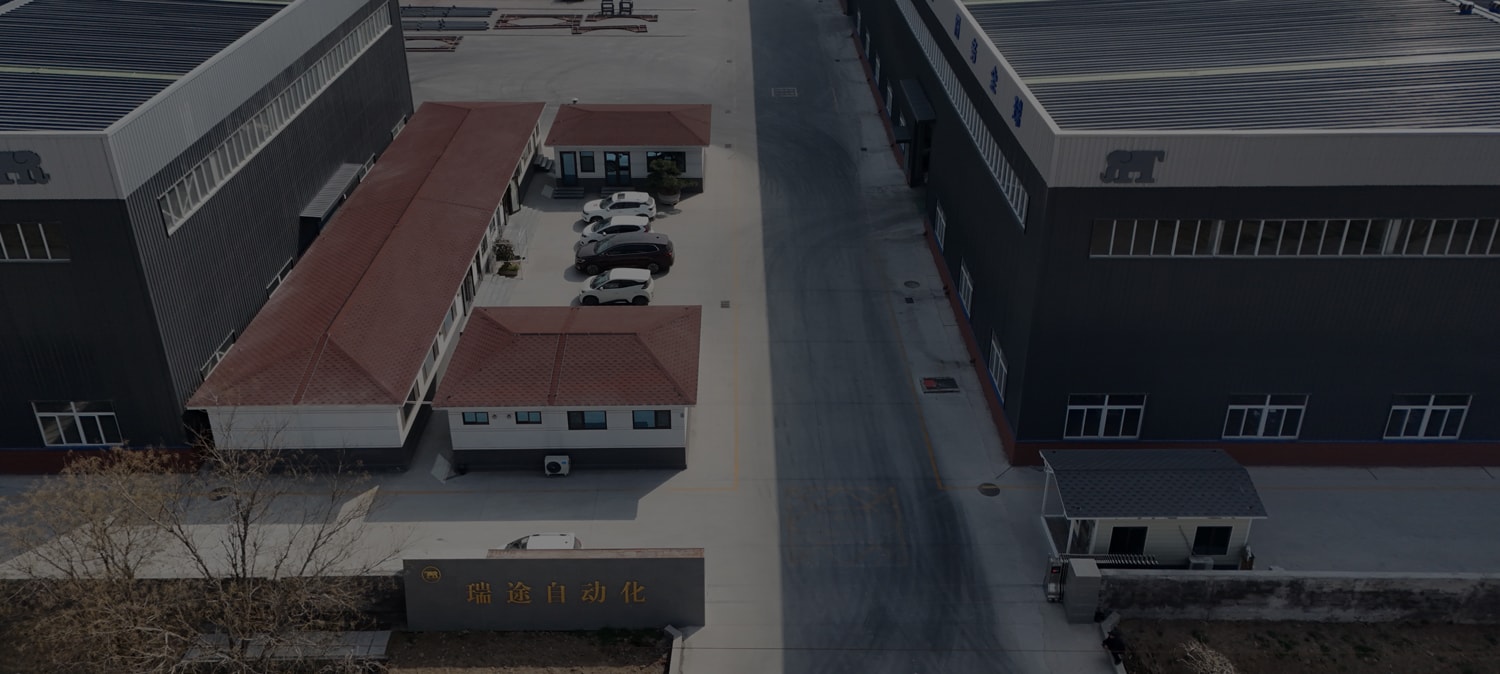
Founded in 2015, Ruitu Automation is strategically headquartered in the Binhai Economic and Technological Development Zone, Weifang City, Shandong Province, spanning an advanced manufacturing complex of over 28,000 square meters. With over a decade of dedicated expertise in salt chemical machinery and screening innovation, we operate as an end-to-end EPC contractor delivering turnkey solutions to mineral processors across Australia, Southeast Asia, the Middle East, and the Americas.
Our multidisciplinary capabilities encompass raw water quality analysis, brine composition testing, plant site evaluation, bespoke machinery design, anti-corrosive metallurgical fabrication, automated electrical commissioning, operational staff training, and life-cycle spare parts distribution. Whether modernizing an existing Australian screening house or constructing a grassroots 500,000-ton vacuum salt refinery, Ruitu guarantees performance-tested reliability.
From initial feasibility studies to on-site commissioning, our engineering teams ensure seamless delivery.
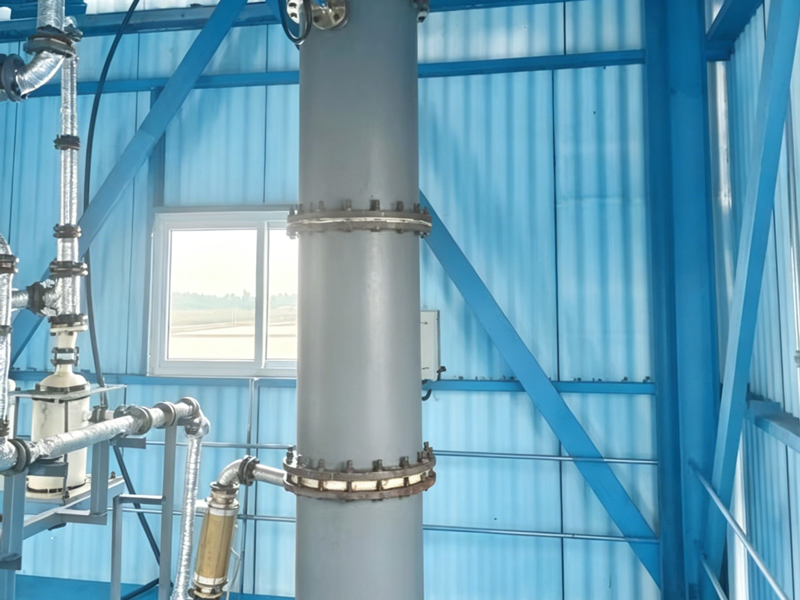
Our technical engineers supervise full site mechanical installation, wet-load calibration, and sieve aperture fine-tuning, ensuring your operators achieve peak yield and target tons-per-hour output from day one.
View EPC Details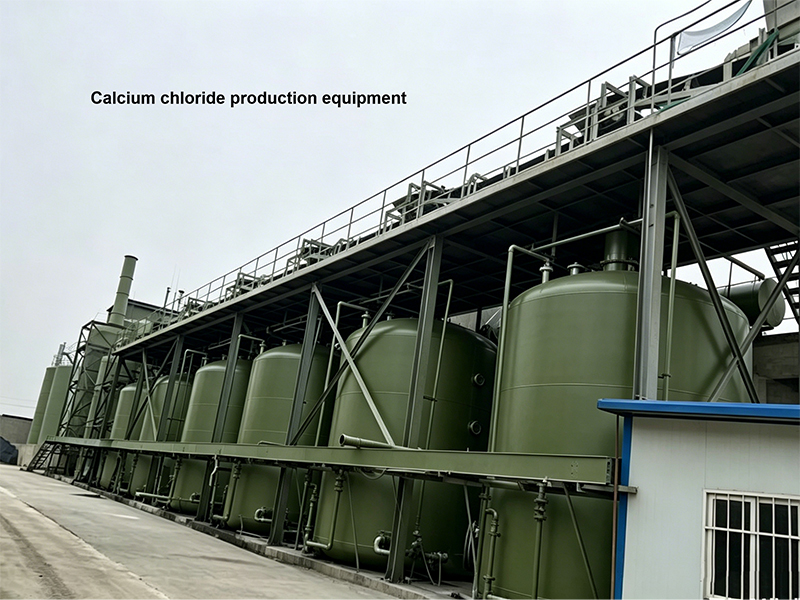
Analyzing local brine salinity and ambient meteorological factors to draft 3D modular CAD plant layouts, energy consumption projections, and economic ROI assessments customized to client budgets.
View EPC Details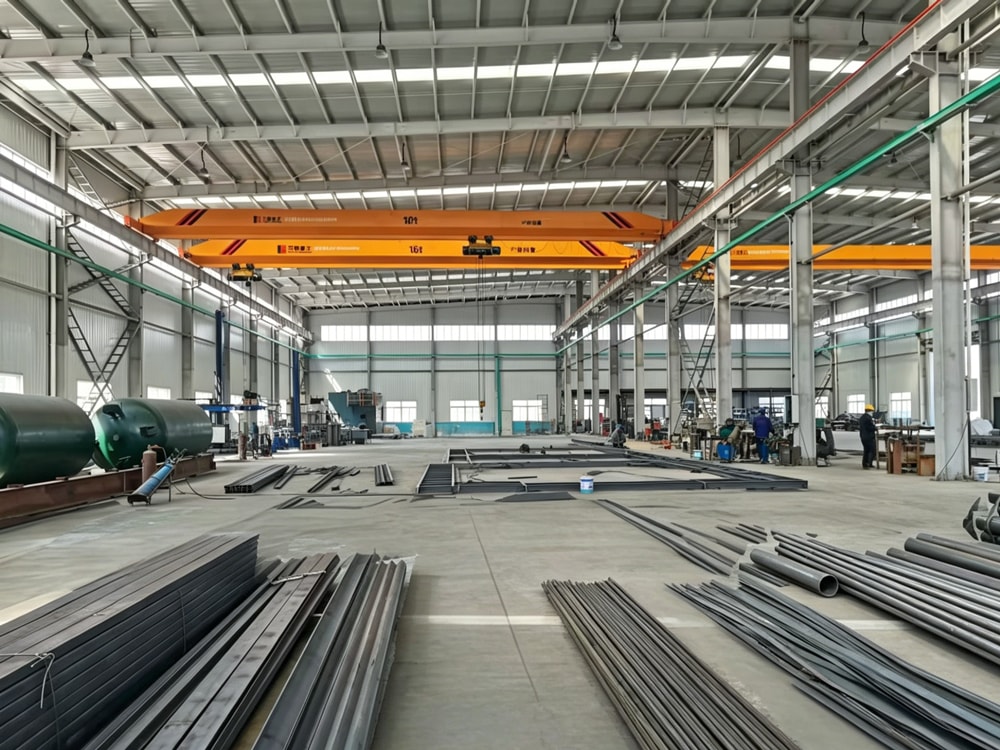
Employing CNC laser cutting, automated submerged-arc welding, stress-relieving heat treatments, and stringent ultrasonic weld inspections to craft vibration screens capable of running millions of stress cycles.
View EPC DetailsReal-world deployments illustrating our separation, washing, and chemical extraction reliability.
Commercial Bromine Extraction Project
High-Capacity Salt Washing & Sieving Case
Continuous Brine Purification Plant Project
Empowering chemical producers, mineral refineries, and food manufacturers with customized classification systems.
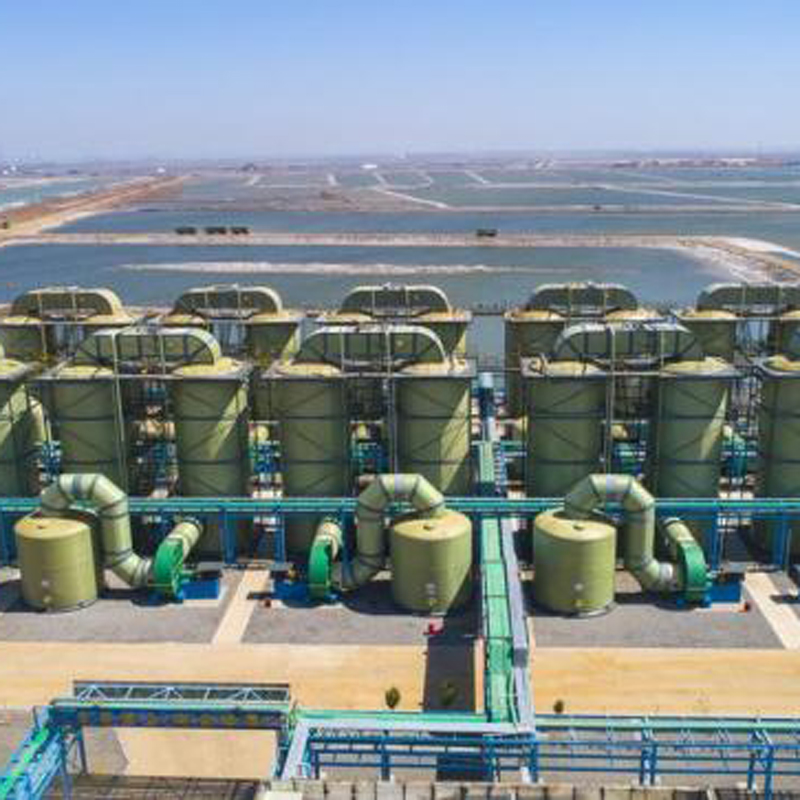
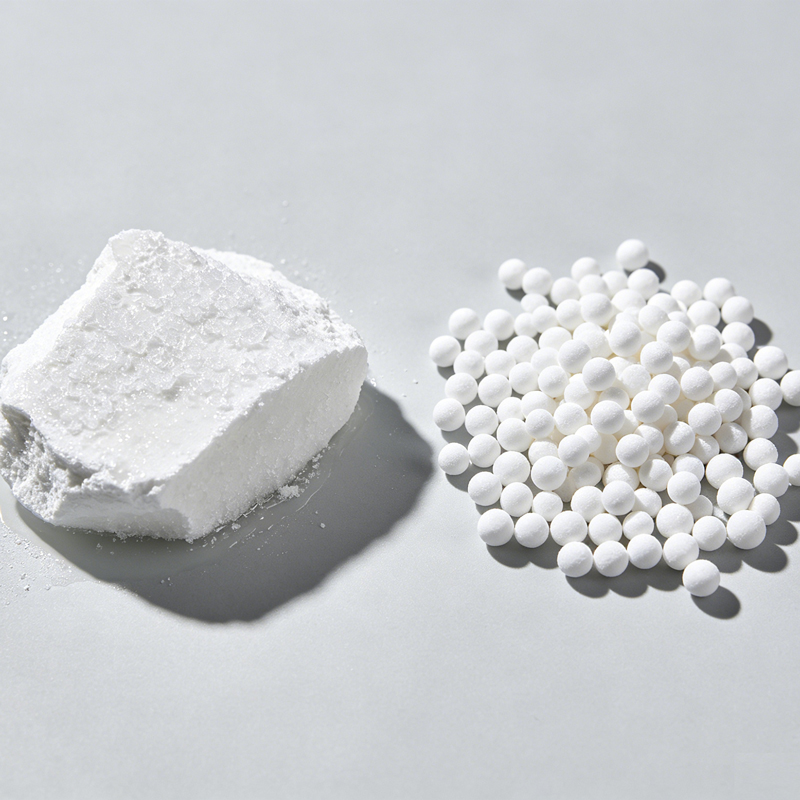
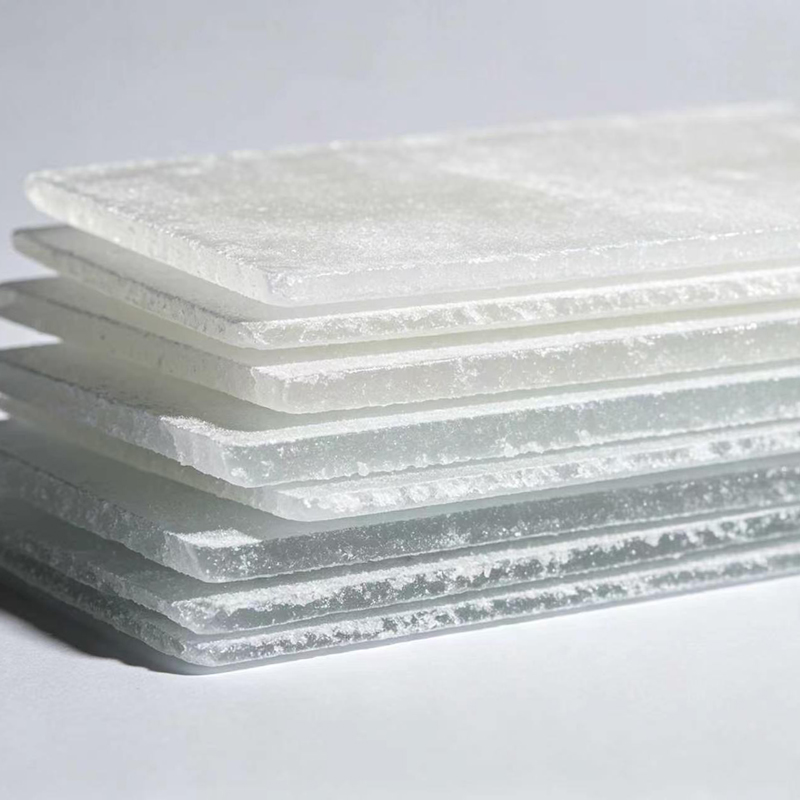
As operating margins face pressure from energy inflation and stringent environmental standards, salt producers in Australia are modernizing their infrastructure through intelligent hardware and digital twin diagnostics:
Insights into brine separation, fluidized drying, and industrial salt plant engineering.
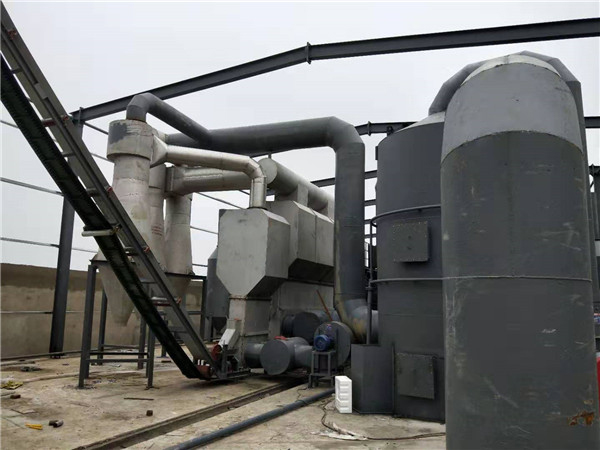
Key component integration including acid reactors, multi-stage absorption columns, and precision thermal crystallizers.
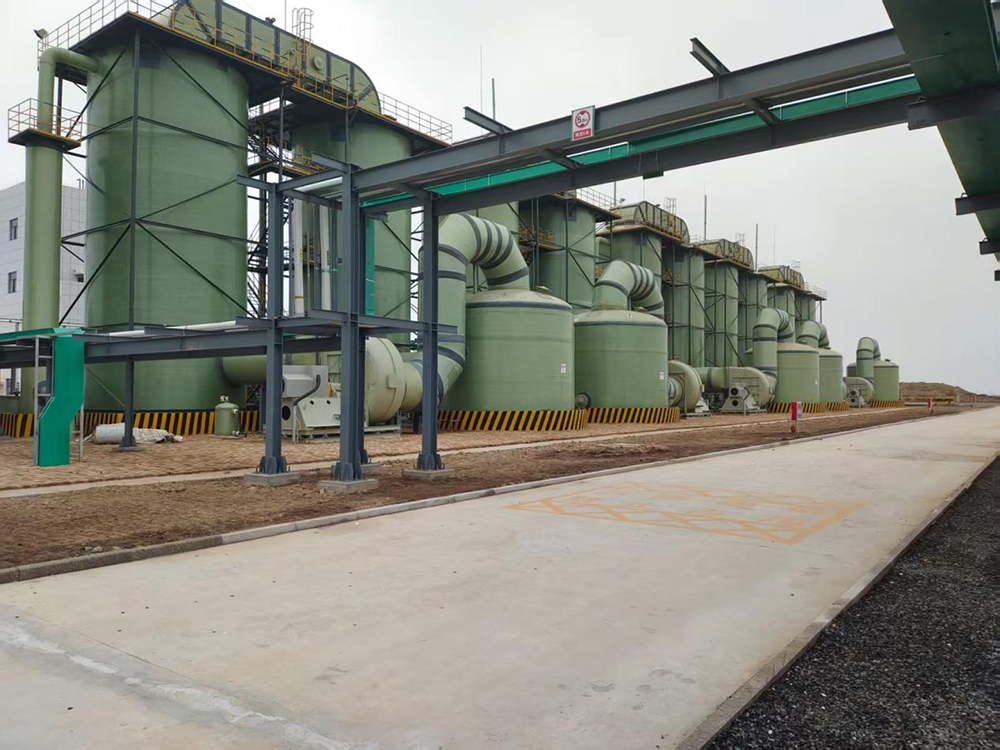
Harnessing seawater bittern and high-salinity underground brines with over 99% theoretical elemental recovery rates.
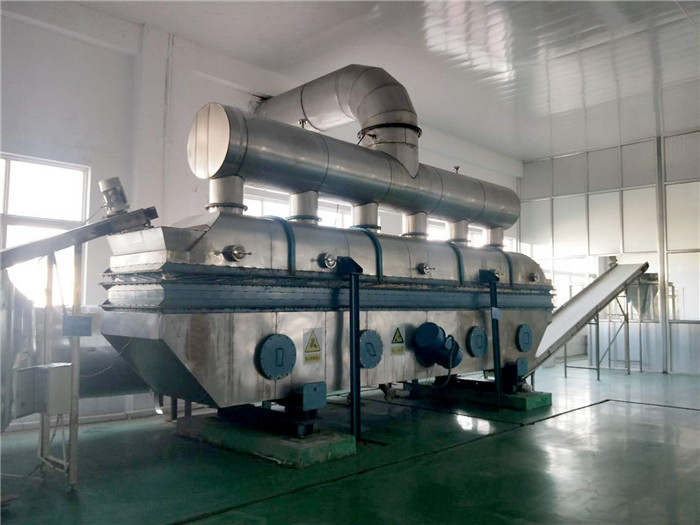
Analyzing thermal performance, moisture evaporation rates, and continuous fluidized bed designs for salt and minerals.
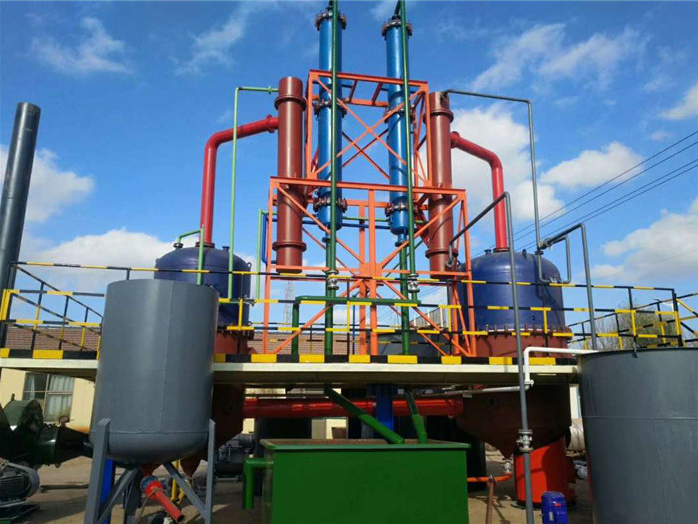
Exploring high-efficiency crystallization, energy-saving granulators, and corrosion-resistant flaking equipment.
Explore our full range of certified industrial machinery designed for Australian salt refineries and chemical plants.