Leave Your Message
Premium corrosion-resistant flow control hardware and lining components engineered to complement custom polypropylene lined tanks and severe-duty fluid storage systems across Australia.
Australia boasts one of the world's most demanding industrial environments. From the hyper-saline brine basins of the Pilbara and the nickel-cobalt leaching refineries in Western Australia, to the high-throughput mineral processing facilities in Queensland and Kalgoorlie, chemical containment faces extraordinary challenges. High ambient temperatures, intense solar UV radiation, remote site locations, and hyper-corrosive process reagents make conventional unprotected carbon steel or rubber-lined vessels inadequate over long operational cycles.
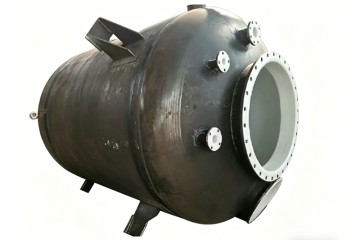
Custom Polypropylene (PP) lined tanks have emerged as an engineering standard for severe service. Polypropylene offers remarkable chemical inertness, high temperature deflection resistance, exceptional mechanical strength, and superior resistance to environmental stress cracking. When combined with a rigid carbon steel structural outer shell, PP-lined tanks deliver the optimum balance of mechanical load integrity and chemical barrier protection, significantly reducing unscheduled turnaround downtime across major Australian industrial corridors.
Our engineered lining solutions and structural containment designs are structured around stringent local operational standards, including AS 1210 for pressure containment, AS 1692 for steel liquid tanks, and relevant occupational and environmental codes. By integrating advanced rotational lining and thick-sheet thermal fusion lining techniques, our vessels deliver zero-permeation security against hot concentrated acids, caustic soda, ferric chloride, and industrial mine effluents.
Embracing predictive process simulation, heavy-duty thermoplastic fusion, and sustainable lifecycle engineering.
Australia's lithium extraction, rare-earths refining, and nickel battery chemicals boom demand tanks that can withstand high temperatures and abrasive acid slurry without internal de-bonding.
Major municipal desalination plants across Sydney, Perth, and Adelaide rely on polypropylene lined systems to resist seawater brine, coagulants, sodium hypochlorite, and chemical backwash systems.
Australia’s vast agricultural chemical industry utilizes custom PP-lined storage for phosphoric acid, liquid nitrogen, and granular blending mixtures that quickly corrode standard steels.
Turnkey industrial processing equipment, salt refining lines, and extraction systems manufactured for heavy-duty reliability.
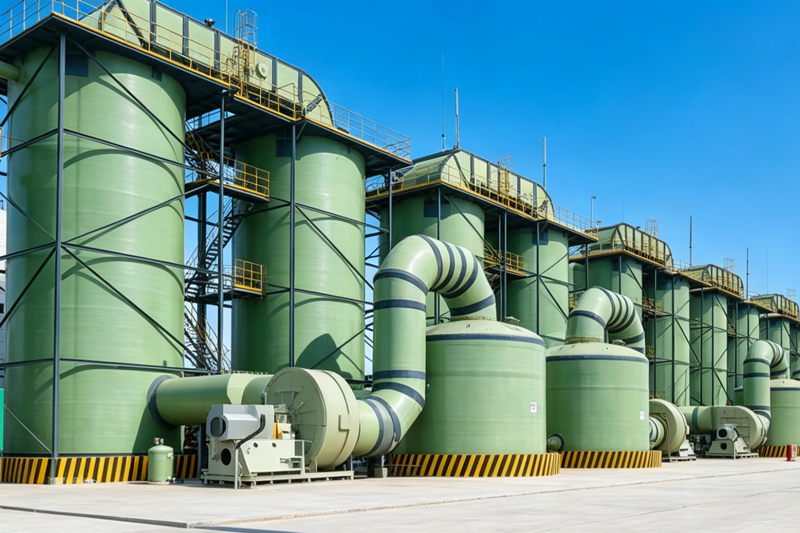
Turnkey turnkey EPC solutions engineered for salt lakes and marine brine extraction. Built with high-purity anti-corrosive PP and fluoropolymer components for maximum asset life.
 Brand: Ruitu Automation
 Origin: China | EPC Worldwide
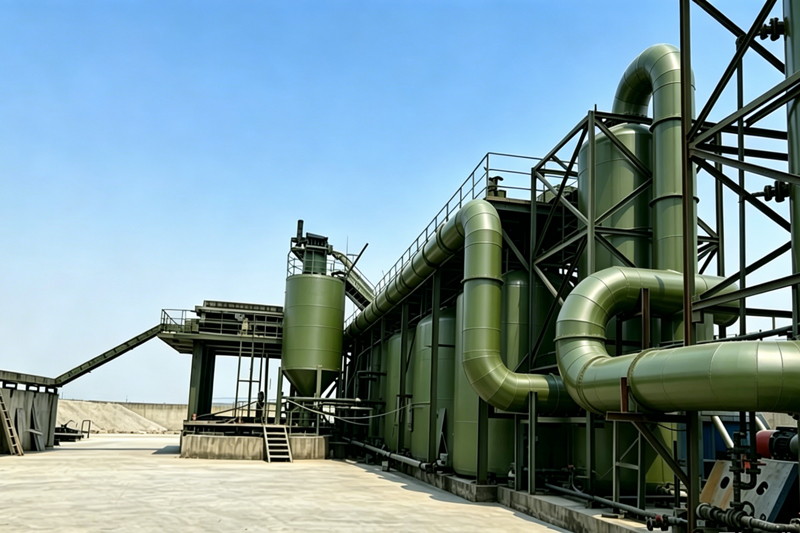
Core Advantages: Strong adaptability to raw materials, high production efficiency, controllable energy consumption, and product purity meeting standards.
Brand: Ruitu Automation Origin: China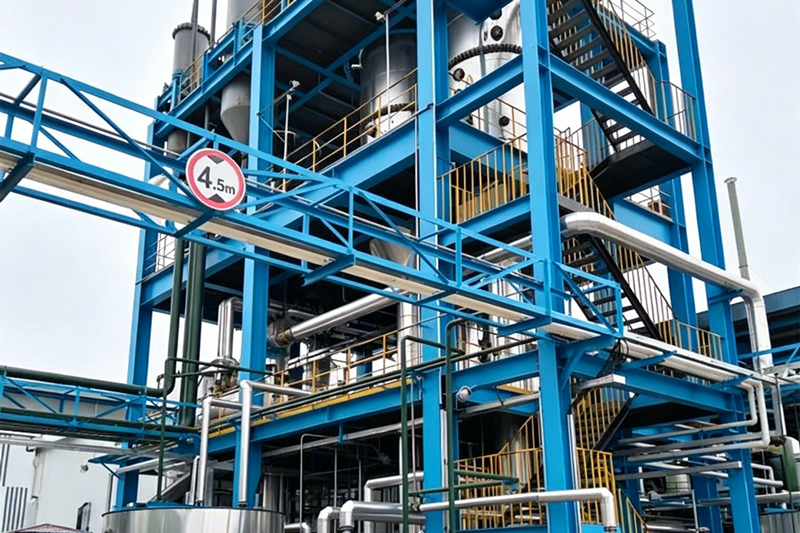
Specially designed for seawater, brine, salt lake water, and magnesium-containing industrial waste processing in high salinity applications.
Brand: Ruitu Automation Origin: China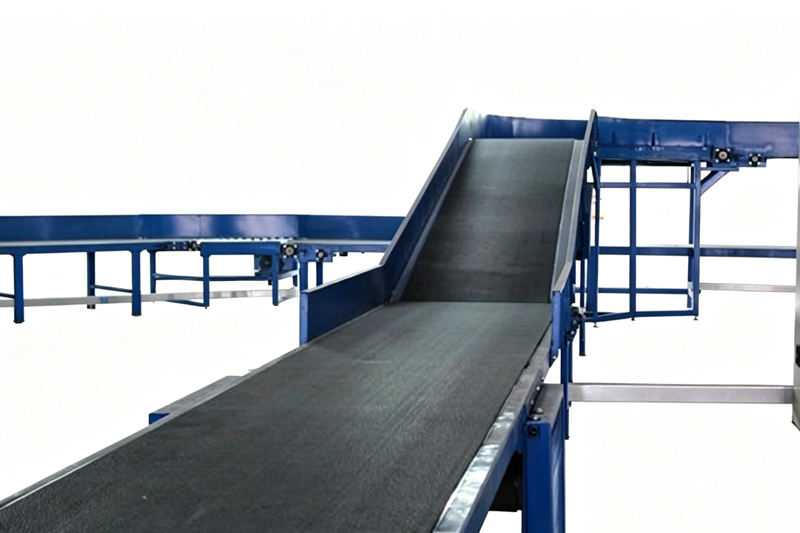
Widely used in mining, metallurgy, chemical industry and other fields, it is designed for continuous conveying of lump, powdery and granular materials.
Brand: Ruitu Automation Origin: China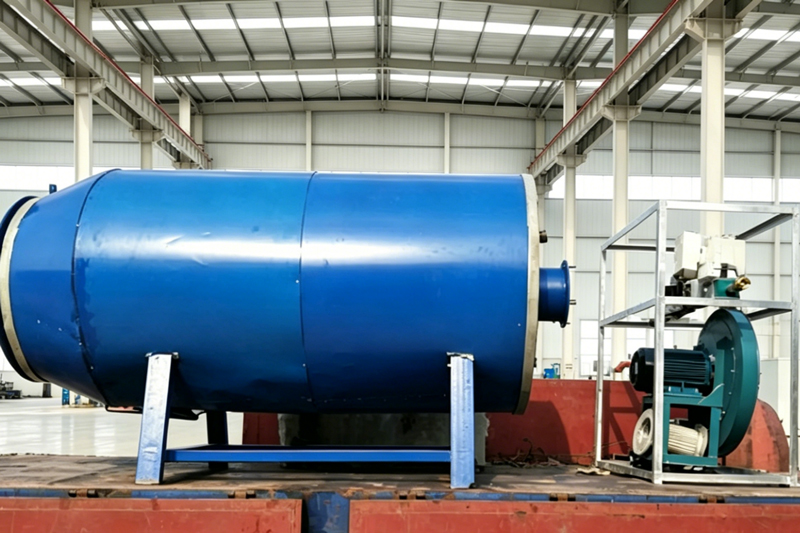
Core Advantages: High efficiency, energy-saving, precise temperature control, stable and safe operation, adaptable to various heat sources.
Brand: Ruitu Automation Origin: China
Purification line, refined salt production, and industrial washing plant. Integrated with anti-corrosive tank reservoirs and washing cyclones.
Brand: Ruitu Automation Application: Salt PurificationOur engineering team matches lining thickness, thermoplastic polymers, and outer reinforcement to withstand Australia’s severe operational demands.
We deploy high-density polypropylene (PP-H and PP-R) lining layers ranging from 3mm to over 16mm in thickness. Thermo-fused seamlessly or rotationally bonded to eliminate microscopic pinholes and joint weak points.
Outer vessel walls feature structural carbon steel (AS/NZS 3678 grade) or FRP (Fiberglass Reinforced Plastic) filament-wound outer jackets designed to withstand extreme wind loads, seismic movements, and heavy mechanical agitation.
Equipped with specialized carbon-black and UV stabilizer formulations, our polypropylene linings resist prolonged degradation under the harsh Australian sun while maintaining service temperatures up to 95°C.
Custom-built with fully encased polypropylene internal baffles, dip pipes, spargers, and vortex breakers designed for abrasive mineral slurry mixing, neutralizing reactors, and leaching columns.
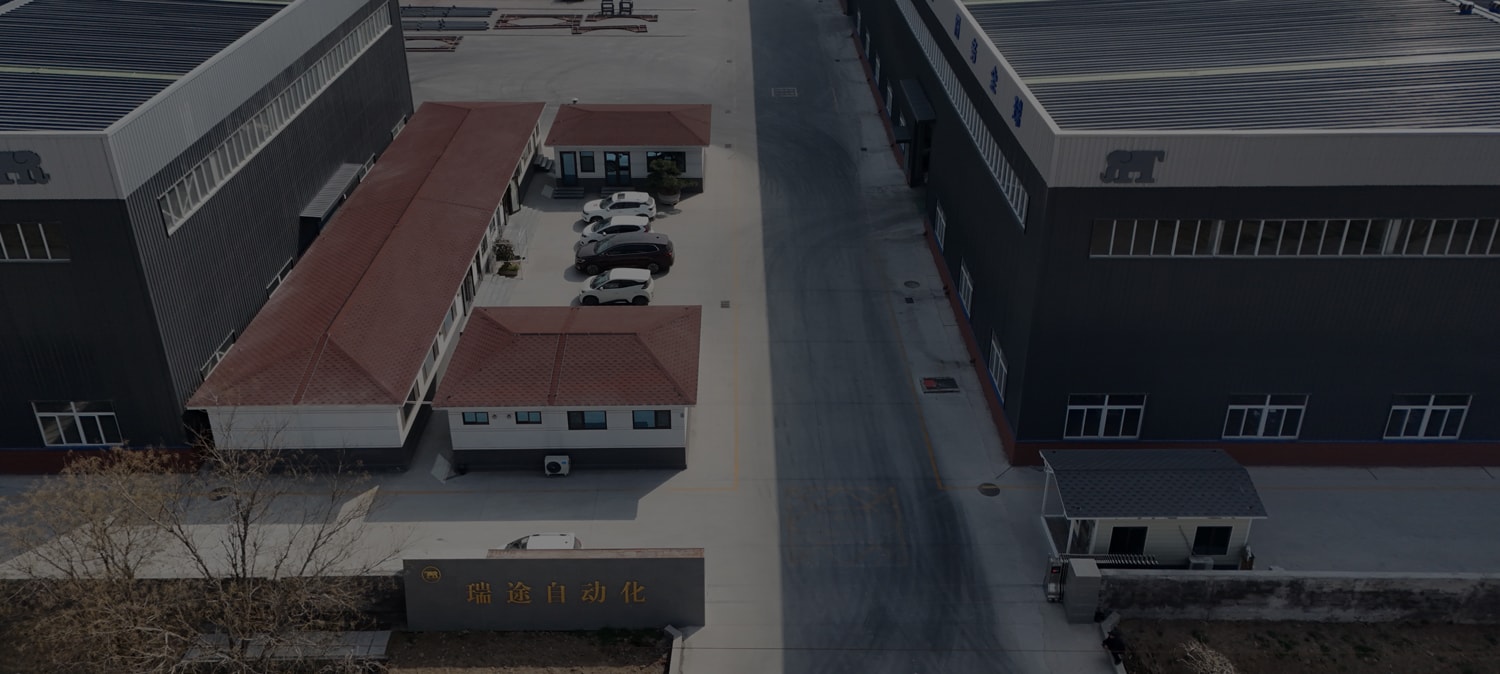
Founded in 2015, the company is located in Binhai Economic and Technological Development Zone, Weifang City, Shandong Province, covering an area of 28,000 square meters. With over a decade of specialized experience in salt chemical equipment and corrosion-resistant vessel manufacturing, we operate as an end-to-end EPC general contractor.
From water quality testing, raw material chemical assaying, and site selection to complete vessel fabrication, process automation formulation, installation, commissioning, and decommissioned recycling, we deliver turn-key reliability for industrial projects across Oceania, Asia, and globally.
From preliminary feasibility studies to on-site assembly across Australian processing plants.
When clients need new projects, our company organizes technicians with rich field experience to analyze local water and mineral resources, providing customized engineering quotations, layout drawings, and economic benefit calculations.
VIEW EPC DETAILS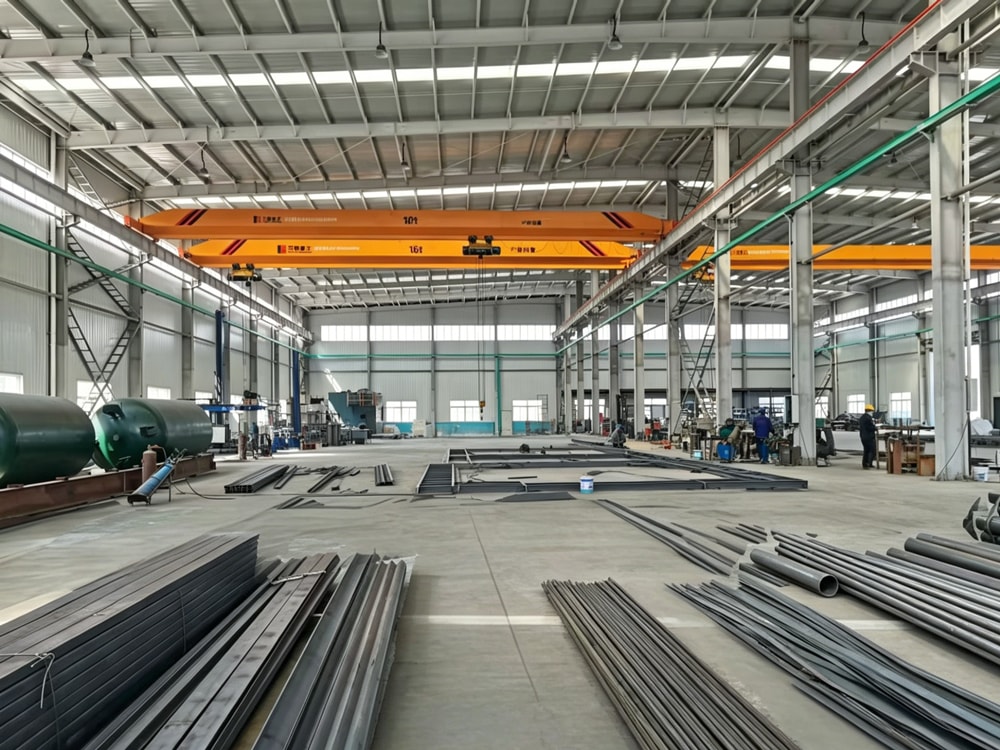
Backed by a mature, strict procurement and supplier management framework, Ruitu utilizes top-grade virgin polymers, high-frequency spark testing, and certified welding practices to ensure world-class vessel fabrication.
VIEW EPC DETAILS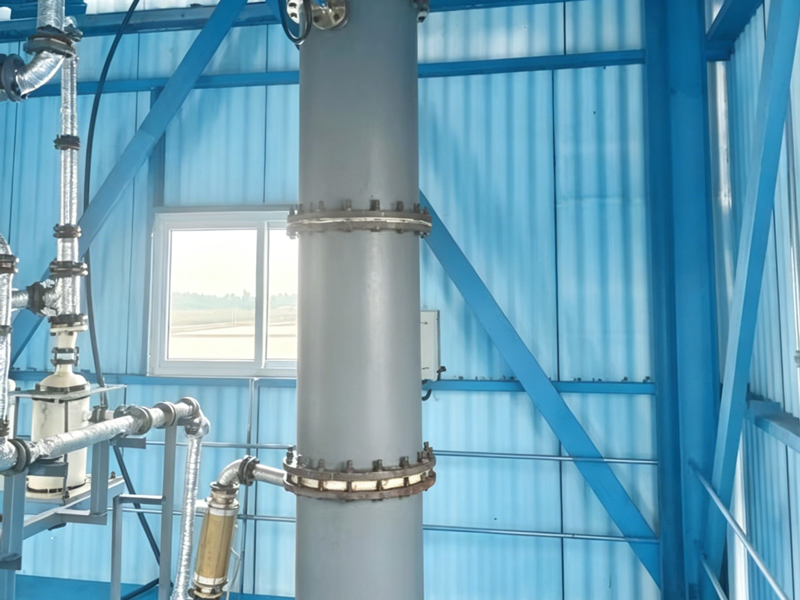
Our engineering technicians oversee on-site positioning, piping hook-ups, electro-fusion verification, and plant startup until processing capacity reaches the specified targets.
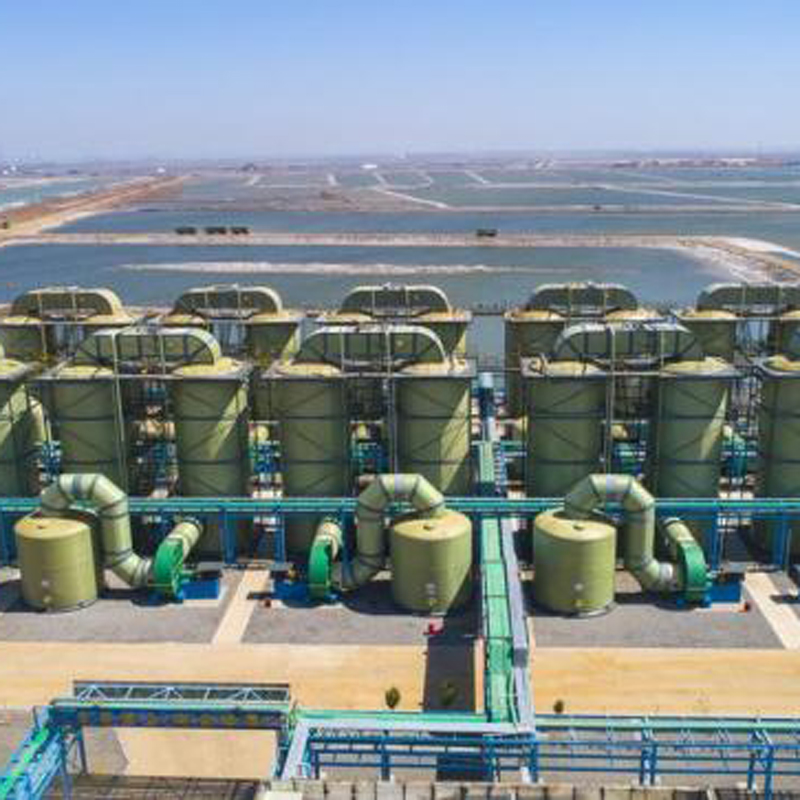
VIEW EPC DETAILSProven anti-corrosion applications in high-intensity extraction and refining environments.
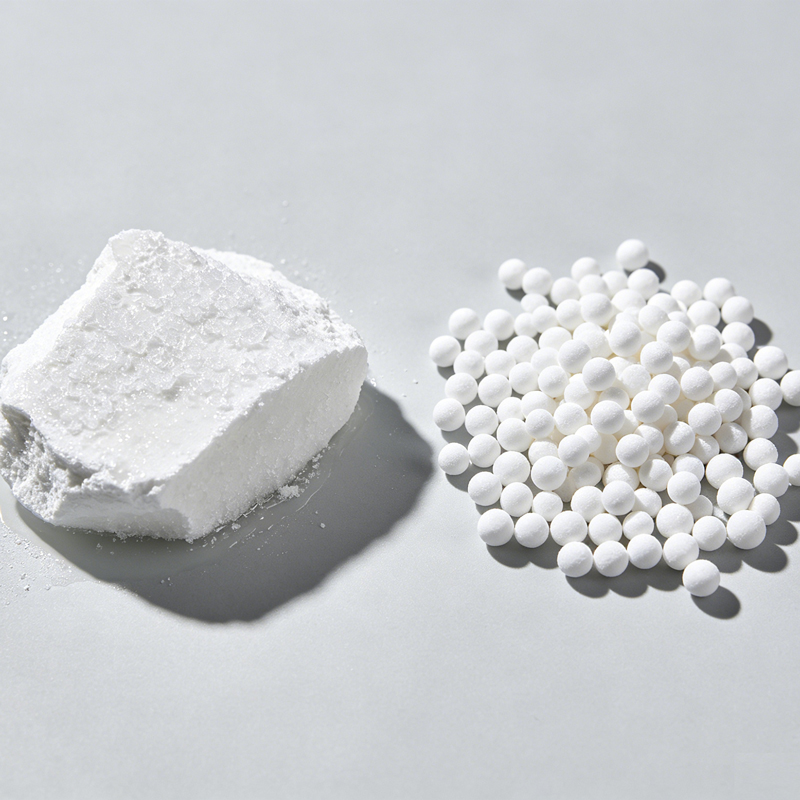
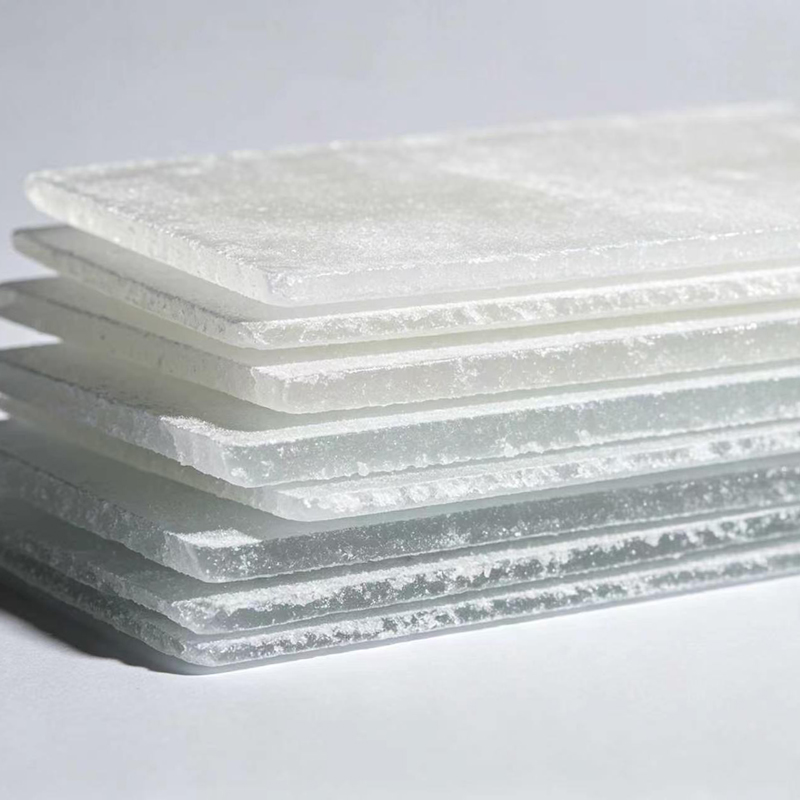
Industry developments in salt chemistry, crystallization systems, and corrosion protection engineering.
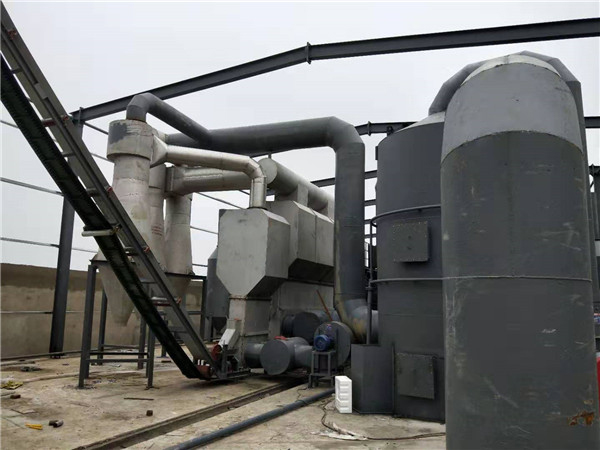
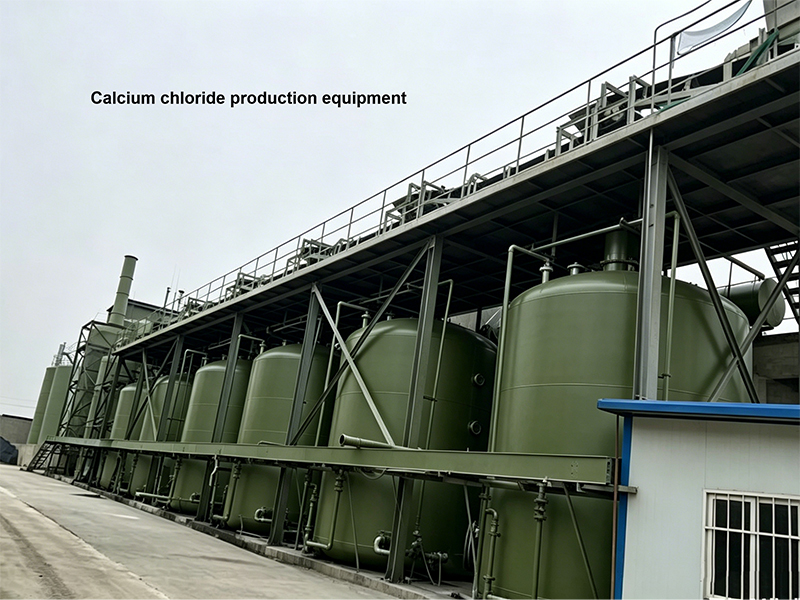
The chlorine gas calcium chloride process equipment consists of key components including reactors and absorption towers built for acid durability.
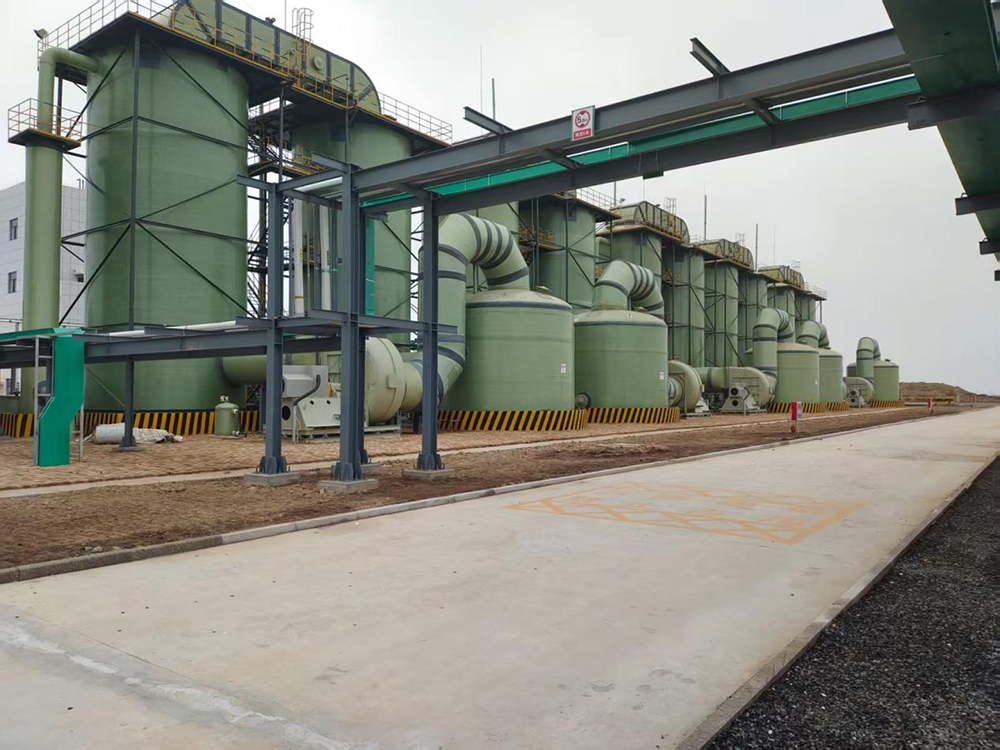
Bromine is known as the "marine element." Over 99% of reserves are in salt resources, requiring specialised non-reactive thermoplastic vessels.
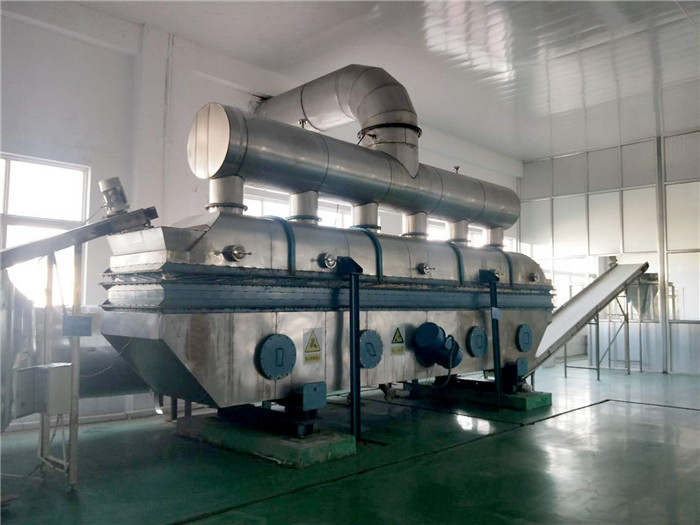
With continuous advances in fluidized bed drying technology, modern salt plants achieve high moisture vaporization efficiency with minimal heat dissipation.
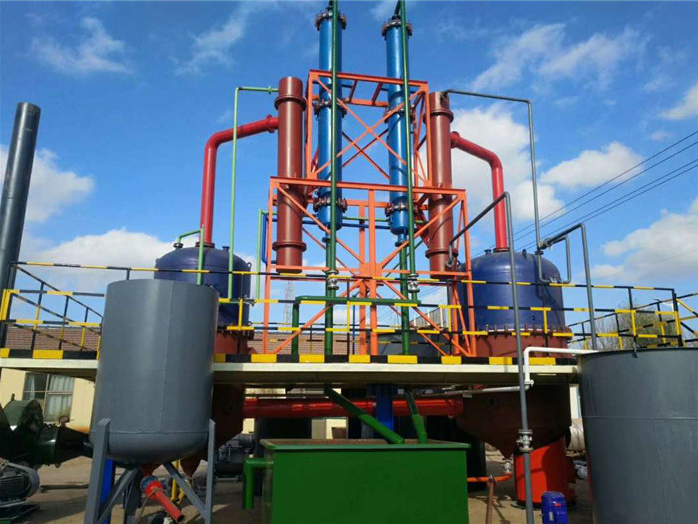
Modern production equipment guarantees lower electricity consumption, operational stability, and high chemical yield under aggressive conditions.
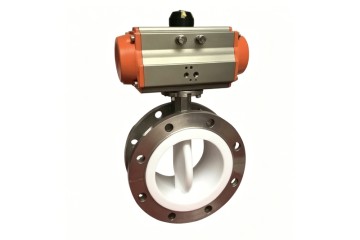
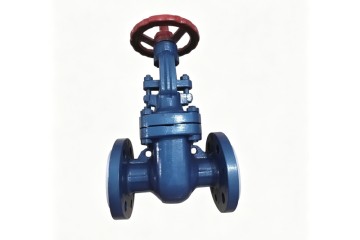
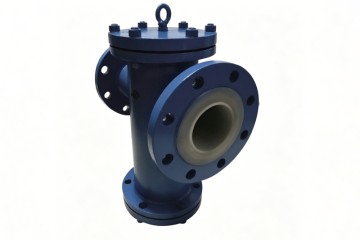
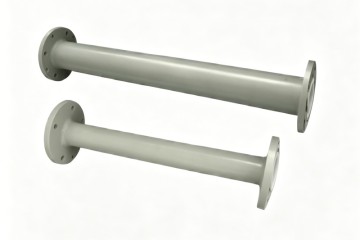
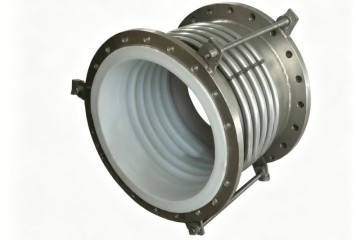
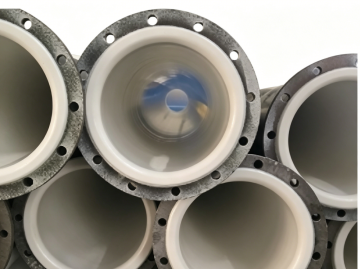
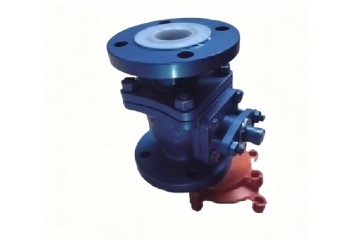
Complementary lined piping, tanks, expansion joints, and valves built for seamless integration with custom polypropylene tank projects in Australia.