Leave Your Message
Advanced engineering solutions tailored to meet Egypt's growing industrial salt and chemical manufacturing standards.
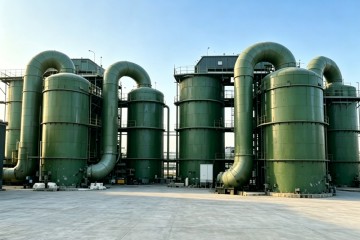
Exploring the commercial dynamics, technological transitions, and natural resources fueling Egypt's salt chemical boom.
Egypt, strategically positioned at the crossroads of Africa, Asia, and Europe, is undergoing a rapid industrial transformation. Under the framework of Egypt Vision 2030, the government is heavily prioritizing the localization of chemical manufacturing, oil and gas processing, and environmental engineering. Bromine (Br2) has emerged as a highly critical element within this industrial push. Currently, Egypt relies significantly on imported bromine compounds to support its massive oil and gas exploration sectors, where bromine-based completion fluids (such as calcium bromide and sodium bromide) are indispensable for maintaining well pressure and stability in high-temperature deep wells along the Gulf of Suez and the Mediterranean shelf.
Furthermore, Egypt's expanding pharmaceutical industry and textile manufacturing complexes require high-purity bromine derivatives for synthesis and flame retardants. Recognizing the high economic value of bromine, local Egyptian chemical enterprises and state-backed entities are shifting focus from importing raw chemicals to establishing localized extraction facilities. By utilizing local resources—such as the highly concentrated bitterns generated by the coastal sea salt works in Alexandria, Port Said, and the inland saline lakes of the Fayoum depression—Egypt is poised to become a regional powerhouse for bromine production, catering not only to domestic needs but also exporting to the Middle East and North Africa (MENA) region.
The SCZONE is rapidly developing into a global logistics and industrial hub. Advanced chemical refining complexes within this zone require integrated bromine recovery units to process industrial wastewater and extract valuable halogen elements, fostering a circular economy model that reduces production costs and environmental impact.
The application of Bromine Extraction Equipment in Egypt is highly localized, dictated by the unique geography and saline characteristics of the country's water bodies:
A. Sea Salt Bypass Bittern Utilization (Alexandria & Port Said): Egypt possesses extensive solar salt fields along its Mediterranean coast. During the crystallization of sodium chloride (table salt), a highly concentrated magnesium-rich waste liquid known as "bittern" is produced. Historically discharged back into the sea, this bittern contains rich concentrations of bromide ions. Ruitu Automation's Alkaline Process Bromine Extraction Equipment is designed to tap into this waste stream, converting an environmental hazard into a highly profitable source of pure liquid bromine.
B. Inland Saline Lakes Exploitation (Qarun Lake, Fayoum): Lake Qarun in the Fayoum Oasis suffers from rising salinity levels due to agricultural drainage. To restore the lake's ecological balance while generating economic value, the Egyptian government is promoting industrial salt extraction plants. Implementing customized bromine and magnesium extraction systems here helps extract high-value minerals, mitigating environmental degradation while producing commercial-grade chemicals.
C. Oilfield Brine and Co-produced Water Processing: As mature oilfields in the Western Desert and Gulf of Suez produce increasing volumes of water, extracting minerals from this co-produced brine presents a lucrative opportunity. Modern extraction plants can process these heavy saline waters to recover bromine, which is then recycled directly into the formulation of drilling and completion fluids.
The future of bromine extraction in Egypt is defined by three key trends: Automation, Corrosion Resistance, and Environmental Compliance. Traditional, manual extraction methods are no longer viable due to safety concerns regarding chlorine gas (used as an oxidant in bromine extraction) and the highly corrosive nature of acidic bromine solutions. The industry is rapidly adopting fully automated PLC-controlled systems that minimize human exposure to hazardous chemicals while maximizing recovery rates.
Material science is also playing a critical role. With Egyptian operations often subjected to high ambient temperatures and aggressive chemical environments, the demand for PTFE-lined extraction columns, titanium heat exchangers, and robust glass-lined piping has skyrocketed. Finally, zero liquid discharge (ZLD) regulations are prompting factories to integrate bromine recovery directly with calcium chloride and magnesium chloride crystallization systems, ensuring that every drop of brine is fully utilized without polluting Egypt's precious water resources.
Explore our comprehensive product portfolio, designed for heavy-duty chemical processing and resource recovery.
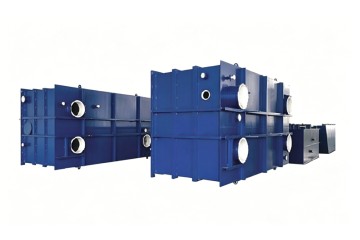
We are an EPC general contractor with over a decade of experience in bromine extraction projects. We specialize in tailoring bromine extraction projects to our clients' specific needs and offer a one-stop service, providing turnkey solutions.
Brand: Ruitu Automation | Product Origin: China
View Detailed Product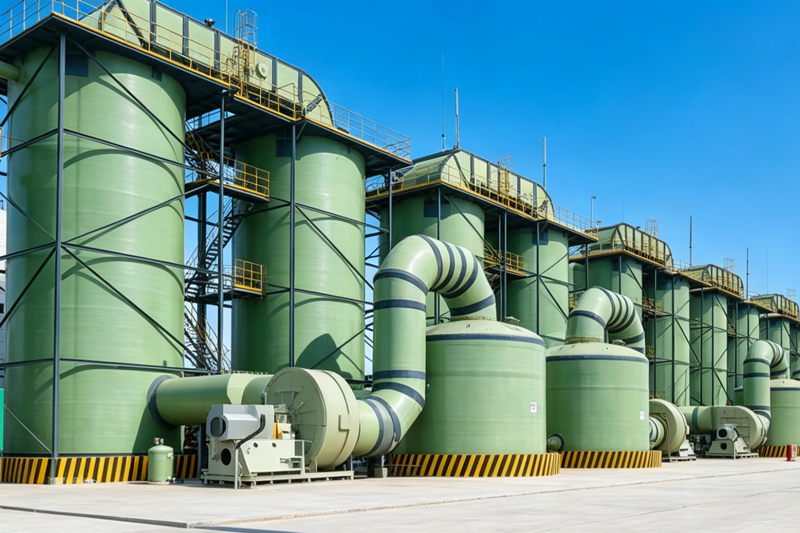
Founded in 2015, the company is located in Binhai Economic and Technological Development Zone, Weifang City, Shandong Province, covering an area of 28,000 square meters. With over a decade of experience in salt chemical equipment manufacturing, we are an EPC contractor specializing in salt chemical equipment, providing comprehensive services from water quality testing, plant site selection, equipment production, process formulation, installation and commissioning, production guidance to product recycling and dismantling of decommissioned projects. We provide satisfactory salt chemical equipment solutions for customers in multiple countries.
Ruitu Automation actively supports Egyptian chemical enterprises by delivering robust equipment engineered to withstand the harsh desert climates and highly saline feedstocks typical of the Egyptian region.
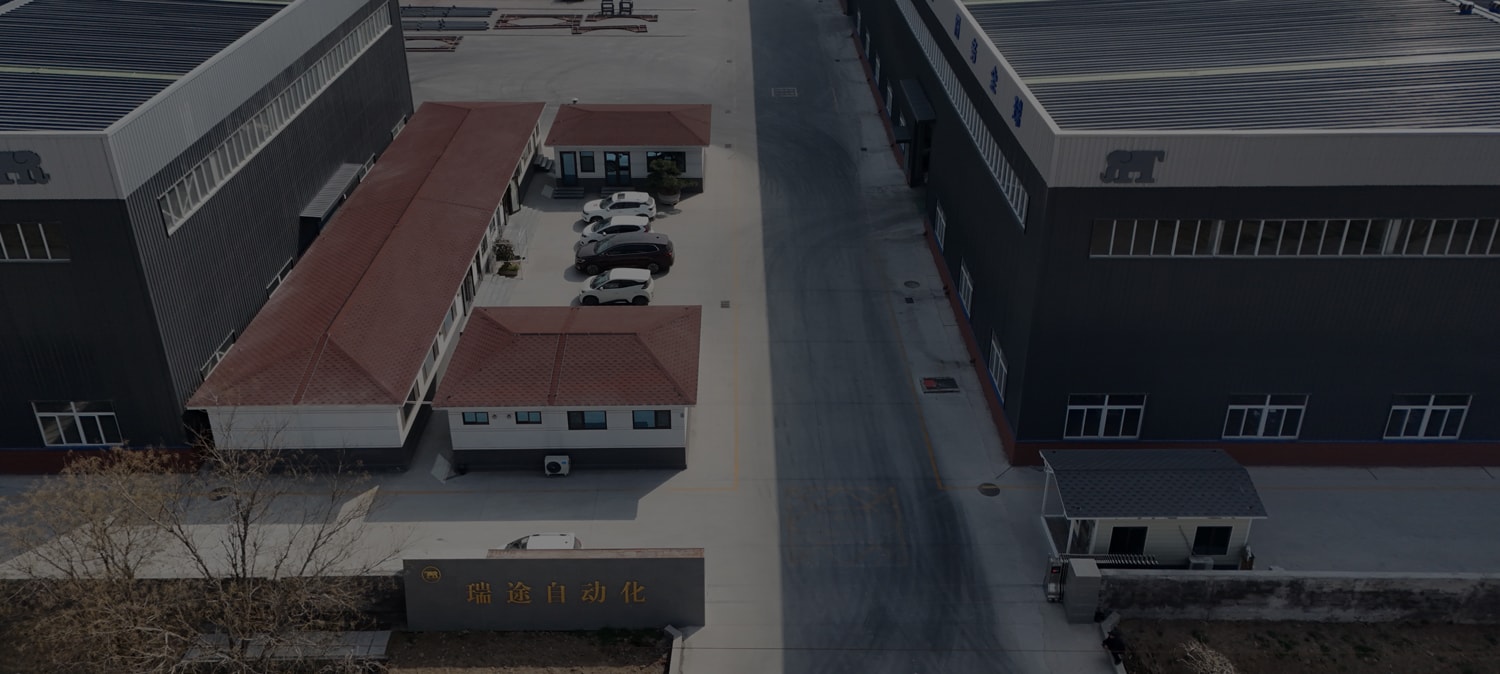
Demonstrating our engineering capability and successful installations worldwide.
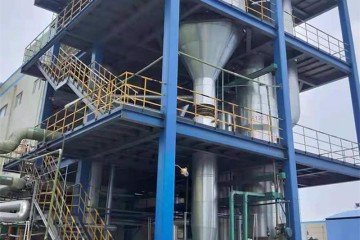
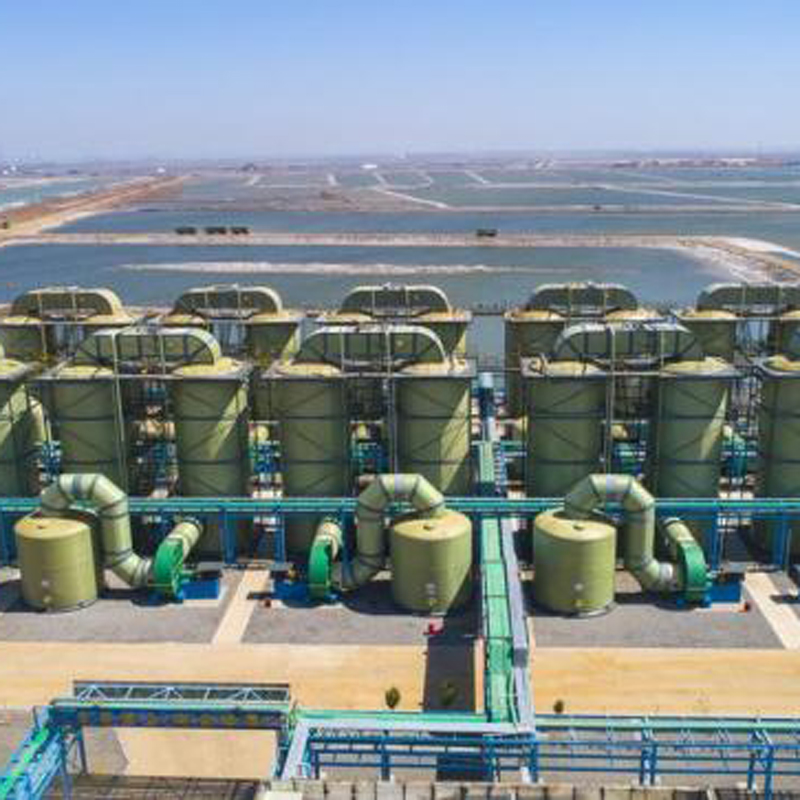
Complete EPC system operating at peak capacity, recovering high-purity bromine from industrial brine.
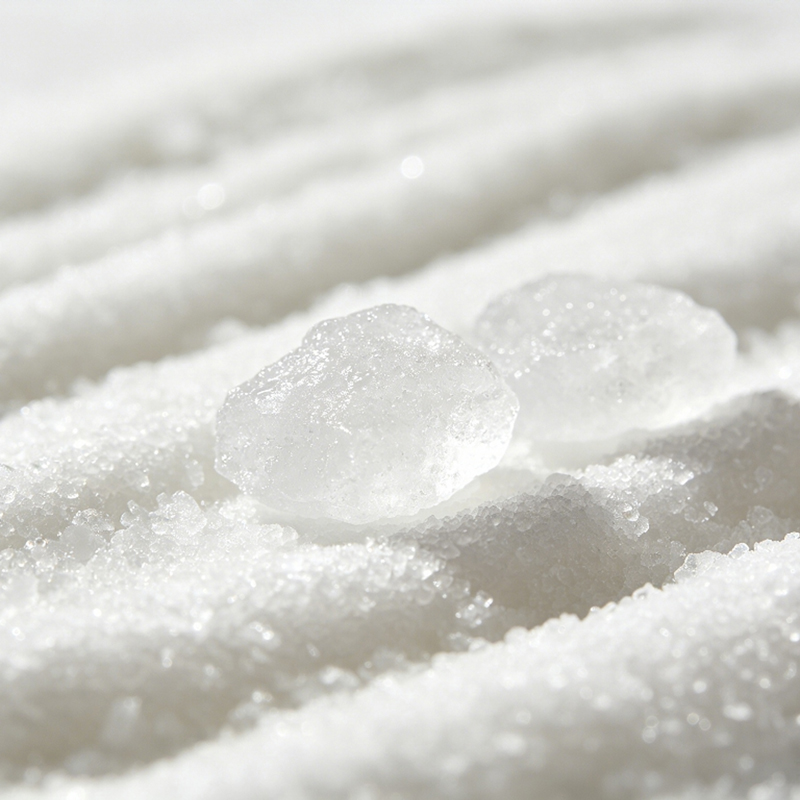
Refining raw solar salt into high-purity industrial and edible salt products.
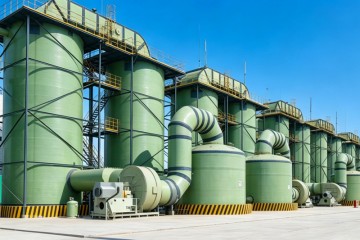
Secondary processing line designed for maximum recovery rates and low water consumption.
From initial design to final commissioning, we provide a seamless, hassle-free project execution model.
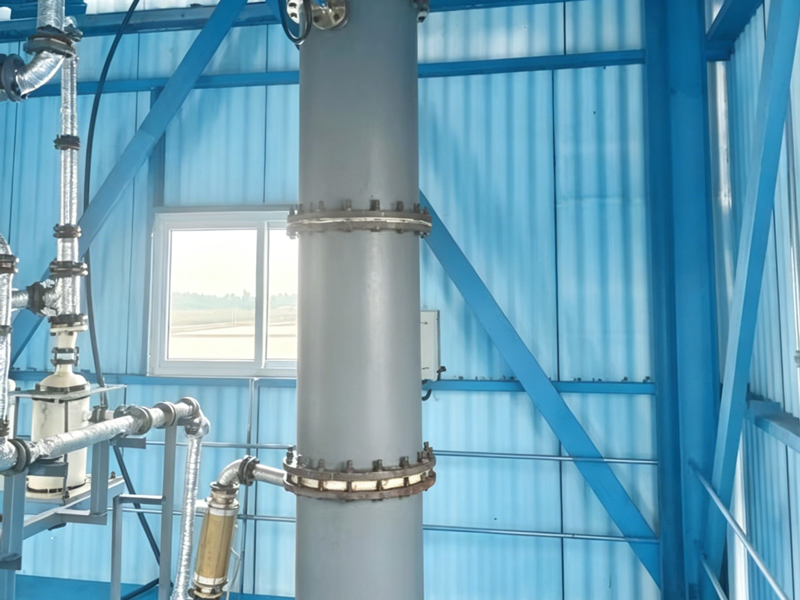
The equipment installation and commissioning have been completed, and the production of finished products has begun. Finished products reach the designed capacity to meet customer requirements.
Learn More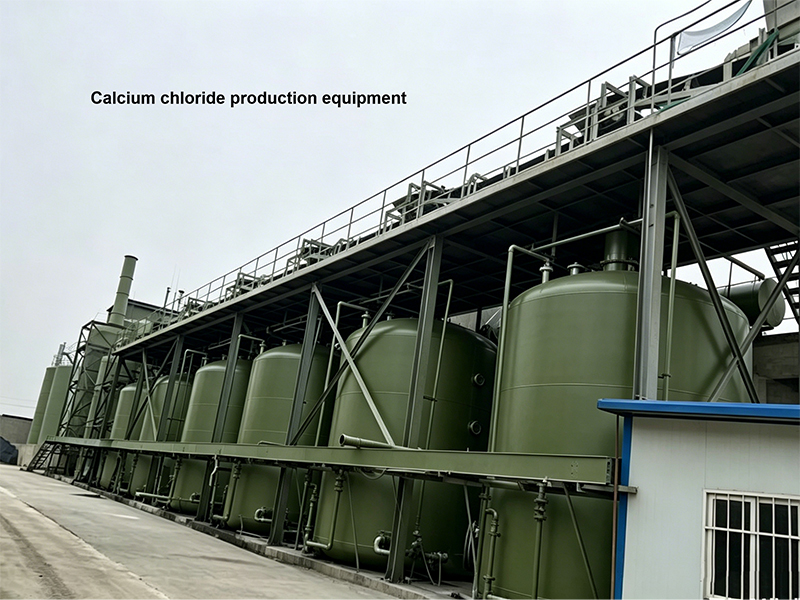
Our experienced technical team analyzes local brine resources, providing customized plant layout, economic benefit analysis, and budget-optimized processing designs.
Learn More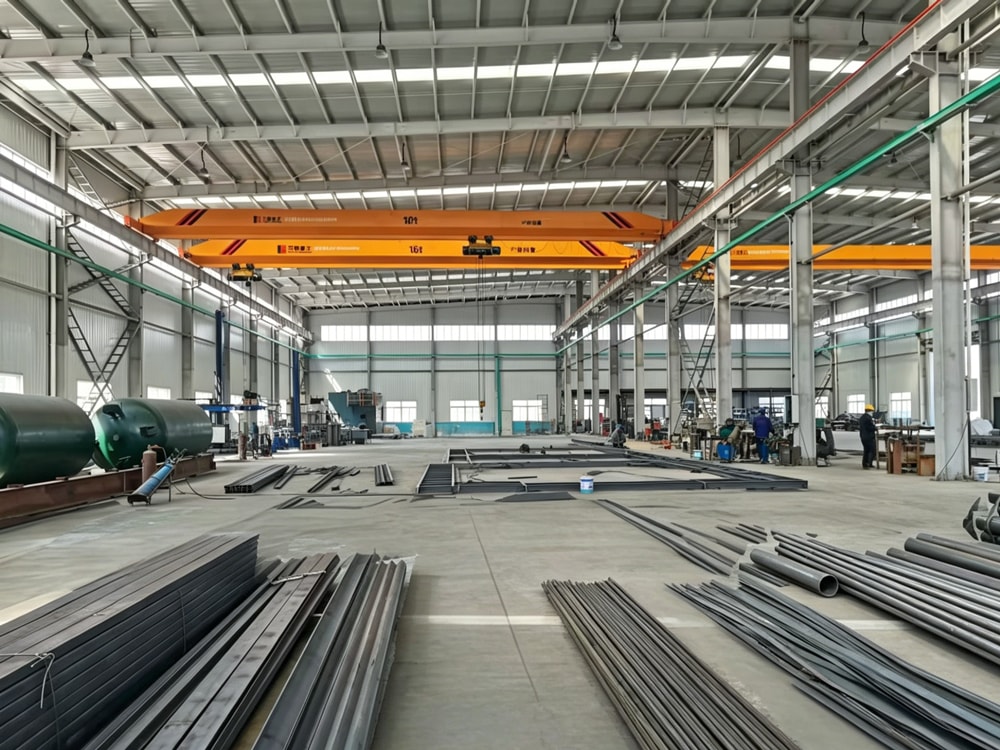
Utilizing a mature supply chain system, Ruitu Automation manufactures premium quality equipment and sources reliable industrial components from trusted global partners.
Learn MoreOur solutions cater to multiple sectors within the chemical and mineral recovery industries.
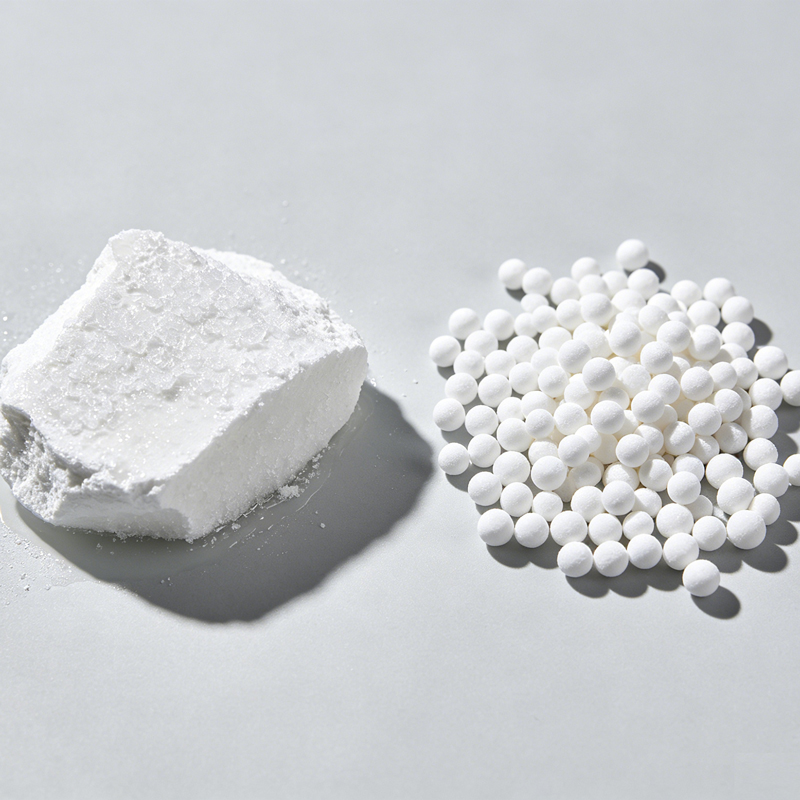
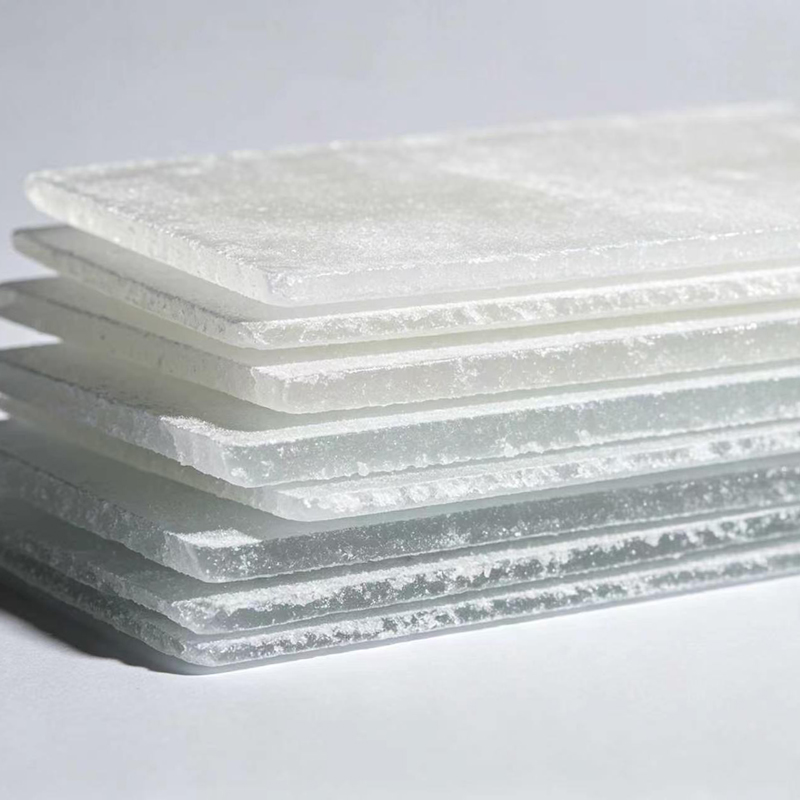
Stay updated with the latest technological breakthroughs and project updates from Ruitu Automation.
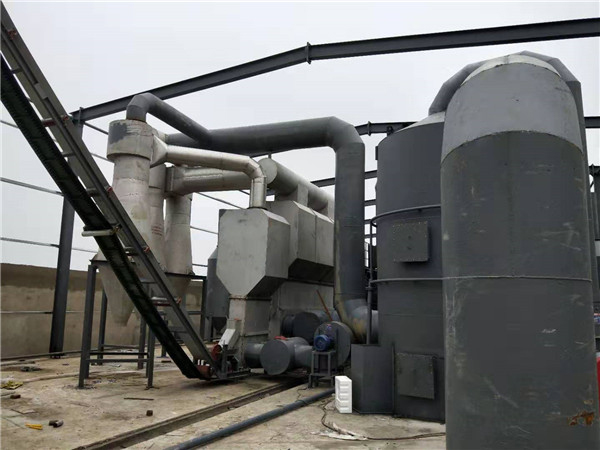
The chlorine gas calcium chloride process equipment consists of key components including a reactor, absorption tower, and concentration units designed for maximum throughput.
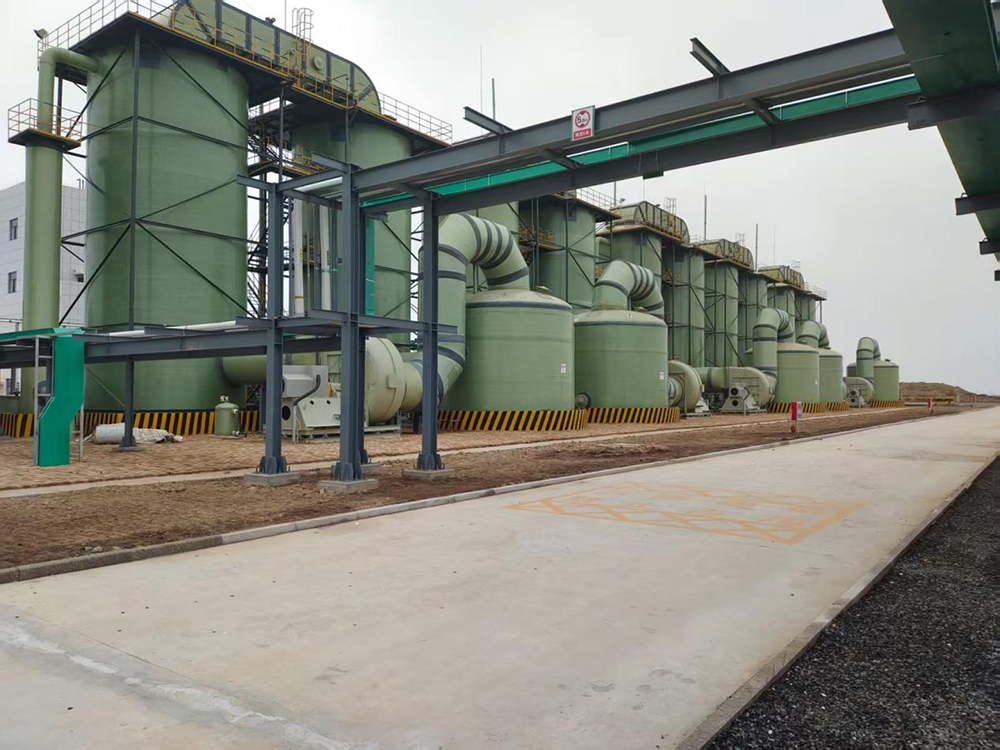
Bromine is known as the "marine element," with over 99% of Earth's bromine reserves stored in the ocean. Learn how we extract it efficiently.
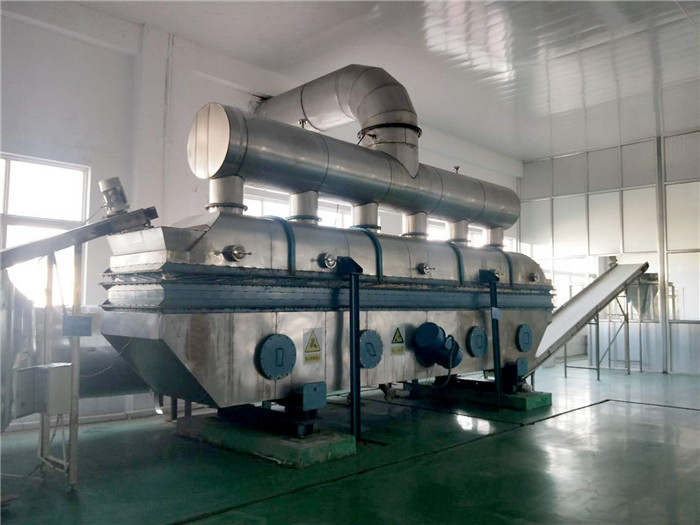
With the development of fluidized bed drying application technology, various types of fluidized bed dryers have been widely adopted in chemical manufacturing.
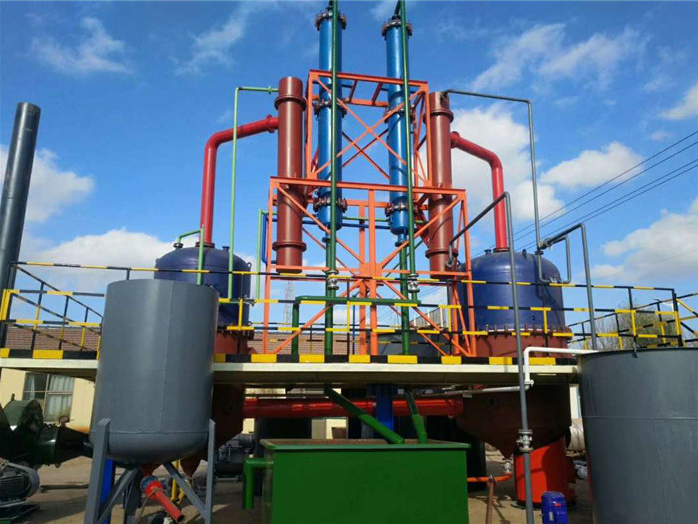
Magnesium chloride equipment features high efficiency, energy savings, stable operation, and superior product quality for diverse industrial feeds.
Browse our complete list of industrial products designed for heavy chemical manufacturing and resources extraction.