What Is the Best Salt Equipment from China?
For 10–50 t/h salt lines, throughput is only the starting point. The USGS Mineral Commodity Summaries 2024 estimated global salt production at about 270 million metric tons in 2023. China contributed roughly 65 million tons, creating strong manufacturing experience and broad equipment capacity.
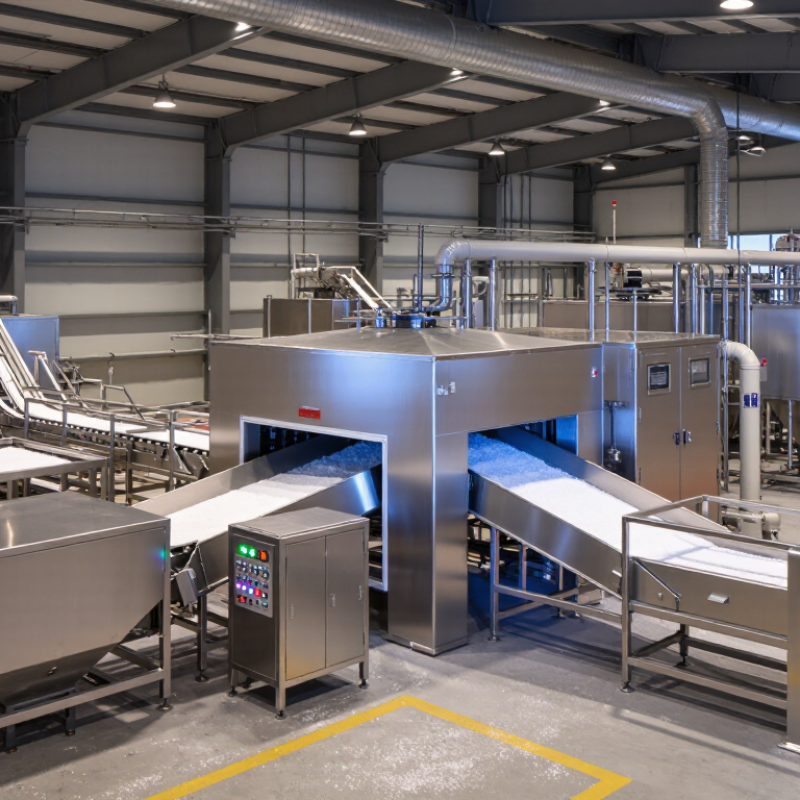
At 10–20 t/h, semi-automatic washing, centrifuging, drying, and packing may control investment. At 30–50 t/h, automatic dosing, moisture sensors, conveyor interlocks, and remote alarms become more valuable. Request a witnessed factory acceptance test using your actual salt. Measure moisture, purity, temperature, and power consumption. Numbers on a brochure can look excellent.
Lifecycle cost deserves harder questions. The IEA reported that industry consumed about 37% of global final energy in 2022. Therefore, compare dryer energy per tonne, not only purchase price. Check heating efficiency, insulation, motor ratings, dust collection, and cleaning time. Corrosion-resistant contact parts matter in chloride-rich environments. Ask for material certificates, maintenance intervals, spare-part lead times, and service response procedures.
A cheaper machine may become expensive through blocked screens, worn bearings, or unstable moisture. I would also inspect electrical cabinets and software backups before signing. Automation reduces labor, but poor sensors create quiet losses. That detail is easy to miss.
Supplier references should include similar feed chemistry and confirmed 12-month operating data. Even then, forecasts remain imperfect. Admitting that uncertainty is better than buying capacity that never reaches 50 t/h.