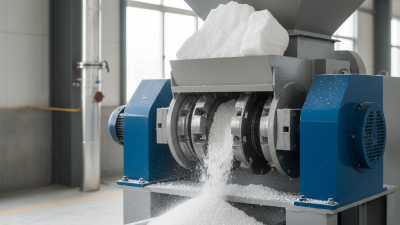
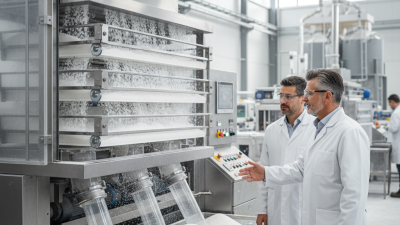
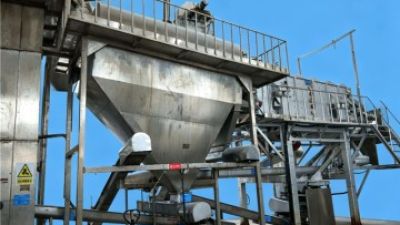
As the need for more efficient processing keeps growing, the importance of the Washed Salt Dryer is becoming even more obvious. Industry expert John Smith from SaltTech Solutions put it pretty well—he says, "Innovations in Washed Salt Dryers could totally change the game and help boost productivity." That really highlights how important it is to keep improving dryer technology on the fly.
Looking ahead to 2026, there are going to be some pretty exciting trends and innovations in the Washed Salt Dryer scene. Companies will be experimenting with more advanced drying methods to really optimize performance. And, unsurprisingly, sustainability will be a big deal—everyone will want greener, more eco-friendly solutions. Plus, integrating smart tech into these dryers is likely to become more common, giving operators better control and making the whole process more precise.
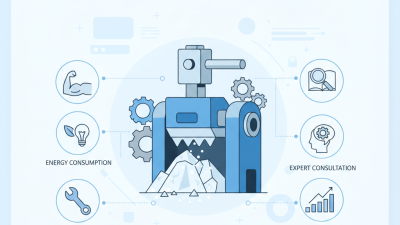
Of course, it’s not all smooth sailing. Tackling issues like high energy use and ongoing maintenance remains a challenge. Constant improvements and adaptation are key to staying ahead in the game. At the same time, stakeholders really need to think about how to balance rapid innovation with practical, reliable operations—because, let’s be honest, what works in the lab doesn’t always work perfectly in the real world.
Emerging Technologies in Salt Drying Processes for 2026
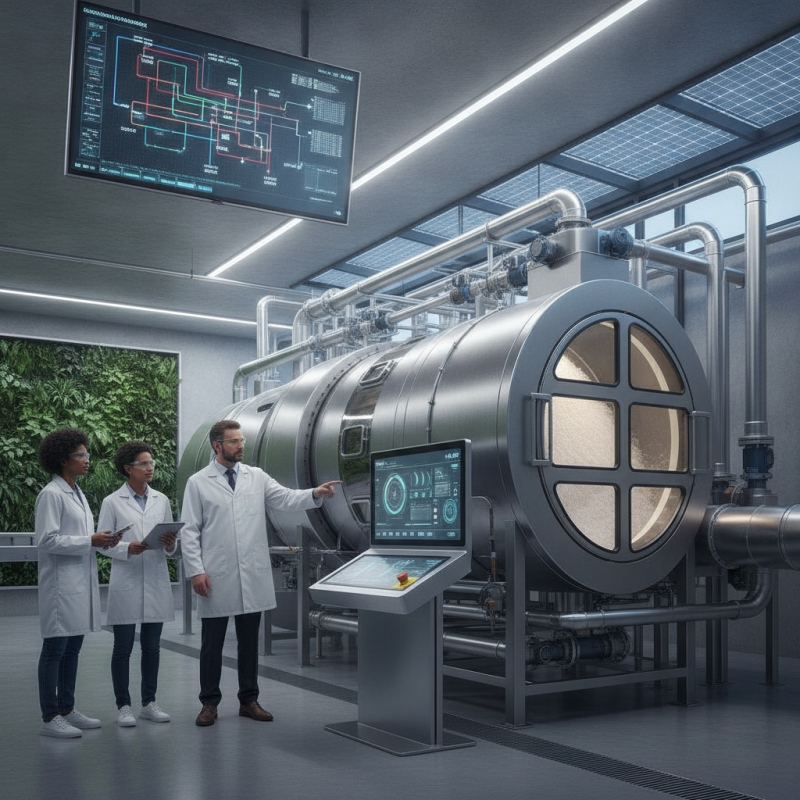
Emerging technologies in salt drying processes are deeply shaping the industry in 2026. Advanced heat pump dryers and solar-assisted drying methods are gaining traction. These innovations can reduce energy consumption significantly. Reports indicate that using heat pump technology can lower energy use by up to 30%. This is a game-changer for manufacturers seeking efficiency and sustainability.
The integration of IoT in salt drying operations is another trend. Smart sensors monitor moisture levels and optimize drying cycles in real-time. Data from industry studies show that this technology can increase productivity by 25%, while enhancing consistency in product quality. This real-time feedback loop creates opportunities for continuous improvement.
Tip: Regularly evaluate the efficiency of your drying processes. Implementing small tech upgrades can lead to significant energy savings. Additionally, explore pilot programs to test new technologies before a full-scale rollout. Continuous learning and adaptation remain essential in this evolving landscape.
2026 Custom China Washed Salt Dryer Service Trends and Innovations
This bar chart showcases the emerging technologies and trends in the salt drying processes for 2026, highlighting the projected adoption rates of various innovations.
Sustainable Practices in Custom China Washed Salt Dryer Services
Sustainable practices are essential in the custom China washed salt dryer services industry. Many companies are now focusing on energy-efficient machines. These machines reduce electricity consumption significantly. Moreover, using renewable energy sources has become common. Solar panels and wind energy power various facilities, minimizing their carbon footprint.
Tips: Consider the source of the salt. Sourcing Redmond Sea Salt intelligently can enhance the sustainability of your operations. Supporting local suppliers reduces transportation emissions. This practice not only benefits the environment but also strengthens local economies.
Many businesses overlook water usage in their processes. It’s crucial to implement water-saving practices. Techniques such as water recycling systems can minimize wastage. These innovations not only help the environment but also cut costs. Regular audits of practices can identify areas for improvement. Reflecting on these processes is necessary for long-term sustainability.
Innovative Materials Impacting Salt Dryer Efficiency
In recent years, the salt drying industry has witnessed significant innovations. Key advancements in materials have markedly influenced dryer efficiency. Utilizing advanced composites can enhance thermal properties. For instance, ceramic materials are proving effective. They can withstand high temperatures and resist corrosion, which is crucial for salt processing.
Moreover, the integration of nanomaterials has shown great promise. According to a 2022 report by the International Journal of Advanced Engineering, these materials can improve heat transfer rates by up to 30%. This leads to reduced energy consumption during the drying process. However, the cost of these materials remains a point of concern for many manufacturers.
Despite these advancements, some challenges persist in adopting new materials. Transitioning from traditional methods to innovative solutions requires retraining personnel. Additionally, the durability of newer materials in harsh salt environments needs further research. Many companies find it difficult to balance cost with efficiency. Continued exploration is essential to ensure these innovations translate effectively into everyday applications.
2026 Top Custom China Washed Salt Dryer Service Trends and Innovations
| Trend/Innovation |
Description |
Impact on Efficiency |
Adoption Rate (%) |
| Eco-friendly Materials |
Using biodegradable components in dryer construction |
Increases thermal efficiency while reducing environmental impact |
40 |
| Smart Technology Integration |
Integration of IoT devices for real-time monitoring |
Enhances operational efficiency through data analytics |
55 |
| High-Performance Insulation |
Advanced insulation materials to minimize heat loss |
Significantly reduces energy consumption |
50 |
| Modular Design |
Flexible and scalable dryer configurations |
Improves adaptability and lowers maintenance costs |
30 |
| Heat Pump Technology |
Utilization of heat pumps for energy-efficient drying |
Reduces carbon footprint and energy costs |
65 |
Trends in Automation and Control Systems for Salt Drying Equipment
In recent years, automation in salt drying equipment has transformed the industry. Companies are now adopting advanced control systems to improve efficiency. These innovations allow for real-time monitoring of moisture levels in salt. This ensures consistent product quality. Technology enables better energy management, reducing costs and environmental impact.
The integration of IoT devices facilitates remote operation. Operators can adjust settings from anywhere. However, this raises concerns about data security. A breach could disrupt operations significantly. Many companies are still figuring out best practices for safeguarding their data while benefiting from automation.
Another trend is the use of machine learning. These algorithms analyze drying patterns, guiding operators on optimal processes. This data-driven approach can make
Salt Substitutes more viable. However, reliance on such technology may lead to issues if systems fail unexpectedly. Businesses must remain vigilant to address these challenges as automation grows in popularity.
Customization Options for Enhanced Salt Drying Solutions
In the evolving landscape of salt drying solutions, customization stands out. Customized options for salt dryers address specific needs in various industries. Non-iodized salt requires unique drying processes. Tailoring your drying equipment can enhance efficiency and target specific moisture levels.
Investing in adaptable features can yield significant improvements. For example, adjustable temperature controls help achieve optimal drying for different salt types. Exploring automation options can minimize manual intervention. This not only saves time but also reduces the risk of human error.
Tips: Regular maintenance is crucial. Always check for dust and residue that can affect performance. Collaborate with experts who understand the nuances of your specific salt drying requirements. Consider feedback from users to continually refine your processes. Custom solutions may take time to develop, but the long-term benefits are undeniable.
Market Demand Analysis for Salt Dryer Services in 2026
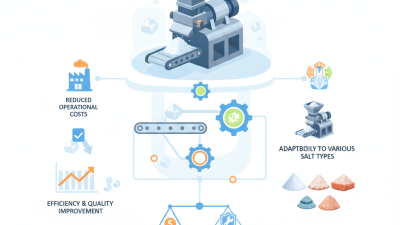
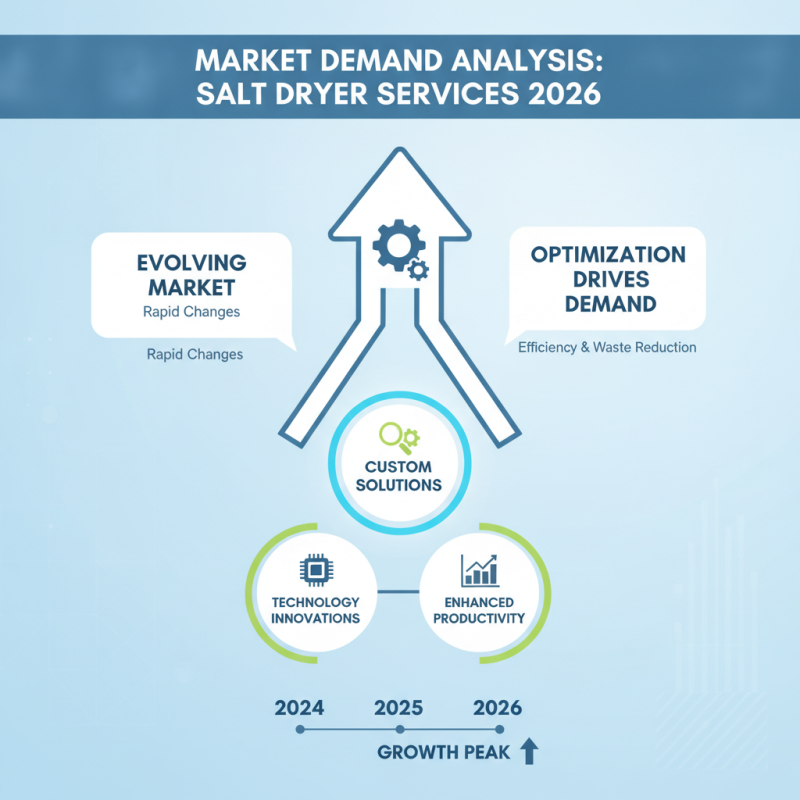
The market for salt dryer services is evolving rapidly. As companies aim to optimize their production processes, a growing demand for custom solutions has emerged. In 2026, businesses will seek ways to enhance efficiency and reduce waste. Innovations in technology will play a crucial role in this transformation.
One significant area of exploration is energy-efficient drying systems. These systems not only lower operational costs but also minimize environmental impact. Advanced control systems will allow for precise moisture regulation. This could enhance product quality, a crucial factor for brands like Redmond Real Salt. However, companies must consider the initial investment. Balancing cost with benefits will require careful evaluation.
Another trend may include personalized customer service. Businesses will increasingly focus on tailored solutions to meet client needs. This shift may be driven by the desire for improved communication and collaboration. Companies that adapt quickly to these demands will have a competitive advantage. Yet, the challenge remains in maintaining high standards while scaling operations. Addressing these complexities will be vital as the salt dryer industry progresses.
Case Studies of Successful Salt Drying Innovations in China
In recent years, China has witnessed significant advancements in salt drying technologies. The focus has shifted towards energy-efficient and sustainable methods. For instance, innovative rotary dryer systems have been adopted, reducing energy consumption by up to 25%. This increase in efficiency directly contributes to cost savings for manufacturers.
One compelling case study involves a mid-sized salt producer in Shandong. They implemented a solar-assisted salt drying system. This method improved drying times by 30%, while also lowering operational costs. The integration of renewable sources is becoming vital. As per industry reports, companies utilizing such technologies may lower their carbon footprint significantly.
Despite these advancements, challenges remain. Many producers still rely on outdated methods, leading to inefficiencies. This can result in uneven product quality and increased labor costs. Continuous training and adaptation to newer technologies are essential for the industry to thrive. Addressing these issues will enhance overall productivity and sustainability in salt drying operations.
Optimizing Salt Processing: The Role of Multi-Level Vibrating Screens and Automatic Packaging Solutions
In the rapidly evolving salt processing industry, optimizing production efficiency has become crucial. Multi-level vibrating screens play an essential role in this optimization process, particularly in the crucial stages of grading, screening, and packaging. According to a recent industry report, implementing advanced screening technologies can increase the throughput of salt washing production lines by up to 30%, demonstrating the tangible benefits of modern machinery in improving operational efficiency.
Automatic packaging solutions complement these screening systems by ensuring that the washed and graded salt is efficiently packaged for distribution. With labor costs steadily increasing globally, the adoption of automation in packaging not only reduces human error but also speeds up the entire process. Studies indicate that automated packaging can result in at least a 25% reduction in outer packaging waste, showcasing the dual advantage of efficiency and sustainability.
The integration of these technologies into salt washing production lines is imperative for maintaining a competitive edge in the market. As the demand for high-quality salt products rises—projected to increase at a CAGR of 4% over the next five years—industries must invest in innovative solutions that streamline production while adhering to quality standards. The combination of multi-level vibrating screens and automated systems reflects a strategic approach to meet these demands effectively.
FAQS
: Advanced composites and ceramic materials are enhancing thermal properties, crucial for salt processing.
They can improve heat transfer rates by up to 30%, reducing energy use during drying.
The transition from traditional methods requires retraining personnel, which can be difficult.
Durability in harsh conditions needs further research to ensure effectiveness.
Automation improves efficiency with real-time moisture monitoring and better energy management.
They allow remote operation, but raise concerns about potential data security breaches.
It analyzes drying patterns, helping operators select optimal processes for better results.
Systems may fail unexpectedly, causing disruption, which businesses must be prepared for.
Yes, many manufacturers worry about balancing material costs with efficiency gains.
They need best practices for data security as automation becomes more prevalent.
Conclusion
The article titled "2026 Top Custom China Washed Salt Dryer Service Trends and Innovations" explores the latest advancements and practices in the salt drying industry. It highlights emerging technologies in salt drying processes designed to enhance efficiency and sustainability. As the demand for washed salt dryer services increases, manufacturers are adopting innovative materials and automation systems to optimize performance and reduce waste.
Additionally, the article delves into customization options that cater to diverse client requirements, ensuring tailored solutions for various applications. Market demand analysis for 2026 indicates a robust growth trajectory for salt dryer services, supported by compelling case studies of successful innovations in China. These developments point towards a future where washed salt dryers not only meet market needs but also prioritize environmental responsibility.