Picking a reliable Stone Hammer Crusher manufacturer? Well, it’s not just about lining up catalog prices. Quarry operators usually look at crushing capacity, feed size, rotor speed, wear resistance, service support, and those verified installation results. Sure, a machine can look tough in a brochure. But real performance shows up in dust, vibration, changing stone hardness, and long shifts—often when no one’s watching.
This guide rounds up ten well-known manufacturers: FLSmidth, Metso, Sandvik, Thyssenkrupp, Williams Crusher, Stedman Machine Company, McLanahan, MEKA, Henan Hongxing Mining Machinery, and SBM Industrial Technology Group. Their equipment differs in design, market focus, replacement parts, and technical support. Some lean hard into heavy-duty engineering. Others offer practical options for smaller aggregate plants. So buyers should compare evidence, not slogans.
And honestly? Site experience matters.
A suitable Stone Crusher Hammer has to match the material and the operating conditions. Limestone, granite, and recycled aggregate can wear things very differently. Maintenance access also affects production costs. Independent test data helps, but it may not reflect every quarry environment. So treat this ranking as a research starting point, not a forever verdict. Manufacturer reputations change, and regional service quality can vary. Before deciding, ask for current specs, warranty terms, energy data, and customer references. Even experienced buyers can miss hidden costs—especially when spare parts arrive slowly or installation advice is thin. In the end, reliable selection takes technical judgment, transparent communication, and careful field verification.
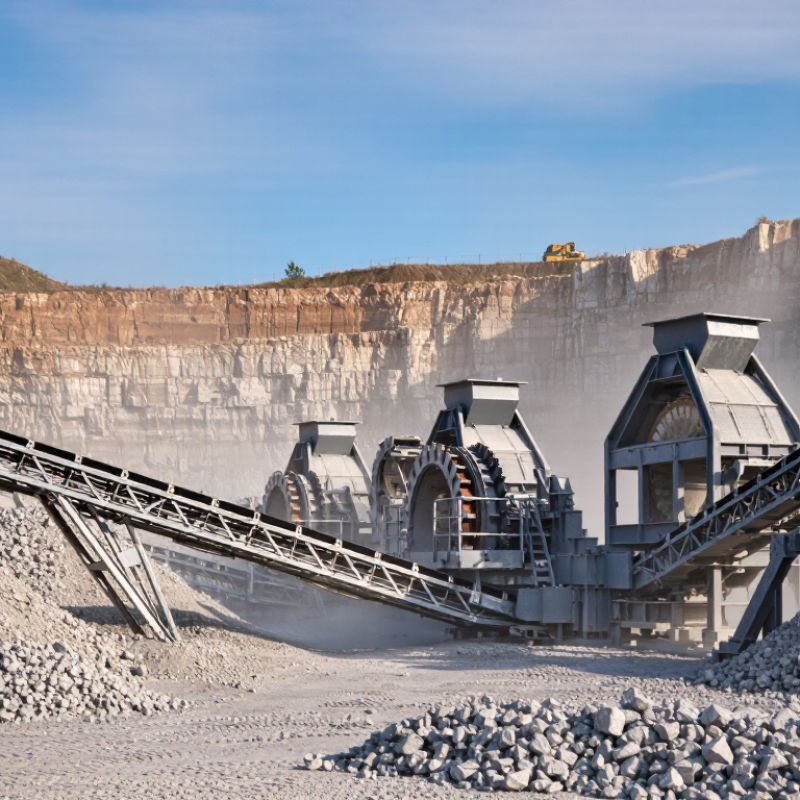
What Is a Stone Hammer Crusher and How Does It Work?
A Hammer Stone Crusher reduces rock through repeated impact. Its rotor spins inside a crushing chamber. Hammers strike the feed and throw it against breaker plates. The material breaks into smaller pieces, then exits through a grate or adjustable opening.
This design suits limestone, gypsum, coal, and other soft-to-medium materials.
It is less suitable for highly abrasive stone. The U.S. Geological Survey reported about 1.5 billion metric tons of crushed stone production in the United States in 2023. That scale shows why energy use, wear control, and stable output matter. A practical inspection should check rotor balance, hammer thickness, bearing temperature, and feed uniformity. Small errors become expensive quickly. Operators sometimes expect one setting to handle every rock. That assumption needs review.
Tips: Keep feed below the rated size. Remove tramp metal before crushing. Measure product size during each shift. Replace worn hammers as a matched set when possible. The European Commission’s Best Available Techniques reference materials stress dust control, enclosure, and water management around mineral processing equipment. These controls also improve visibility near the machine. A dry, uneven feed may increase vibration and reduce capacity. Field experience suggests recording vibration trends, not only reacting to breakdowns. No crusher performs perfectly under neglected maintenance.
Key Factors for Comparing Global Stone Hammer Crusher Manufacturers
Comparing global Stone Hammer Crusher manufacturers requires more than checking price lists. Start with verified operating experience. Ask how long the manufacturer has produced hammer crushers and where similar machines are working. A quarry processing hard limestone needs different rotor protection than a small plant crushing softer aggregate. Request test results using material close to yours. Photos alone are not enough.
Technical details reveal engineering quality. Compare rotor balance, hammer alloy, plate thickness, bearing protection, and access for maintenance. A reliable design should allow workers to replace worn hammers without awkward lifting or excessive downtime. Check stated capacity under specific feed sizes, moisture levels, and discharge requirements. Vague figures deserve careful questions. Energy consumption matters too, especially during long shifts.
After-sales support can separate two apparently similar manufacturers. Examine spare-parts availability, response times, installation guidance, and technician training. Ask for inspection records, warranty conditions, and references from comparable sites. Total cost includes liners, electricity, labor, shipping, and unexpected stoppages. The cheapest quotation may age badly. No comparison is perfect. Supplier documents can be polished, while field conditions remain messy. I would also inspect a running machine, listen for uneven vibration, and review maintenance logs before deciding. A minor detail, such as grease leakage around a bearing, may signal deeper neglect.
Leading Stone Hammer Crusher Manufacturers Worldwide
Leading stone hammer crusher manufacturers worldwide are judged by more than production volume. Experienced buyers examine rotor balance, hammer material, feed opening, and service response. A reliable manufacturer should provide test data, maintenance guidance, and clear wear-part specifications.
In practical inspections, the best suppliers explain how their Stone Crusher Hammer Mill performs with limestone, sandstone, and recycled aggregates. They discuss moisture, feed size, discharge control, and expected capacity without hiding limitations. A stable frame reduces vibration, while accessible inspection doors shorten routine maintenance. Technical drawings and factory quality records also help buyers verify consistency.
No manufacturer is perfect. Some deliver strong equipment but offer slower overseas support. Others respond quickly but provide less detailed process advice. This matters when a crusher operates beside a dusty quarry road, where blocked screens and worn hammers can stop production. Leading manufacturers usually combine controlled assembly, documented testing, trained engineers, and available replacement parts. Buyers should ask for references from comparable sites and inspect actual operating results. Marketing language can sound impressive. Real measurements matter more.
Top 10 Stone Hammer Crusher Manufacturers Worldwide - Leading Stone Hammer Crusher Manufacturers Worldwide
| Rank |
Primary Market Region |
Common Hammer Crusher Configuration |
Maximum Feed Size |
Typical Capacity Range |
Typical Product Size |
Drive Power Range |
Main Stone-Crushing Applications |
| 1 |
East Asia |
Heavy-duty single-stage hammer crusher |
Up to 600 mm |
50–1,200 t/h |
Below 25 mm |
90–1,600 kW |
Limestone, gypsum, coal, and soft to medium-hard rock |
| 2 |
Western Europe |
Reversible impact hammer crusher |
Up to 500 mm |
30–800 t/h |
Below 30 mm |
75–1,000 kW |
Cement raw materials, limestone, marl, and recycled aggregates |
| 3 |
North America |
Industrial ring-hammer crusher |
Up to 450 mm |
40–700 t/h |
6–40 mm |
90–900 kW |
Coal, shale, salt, limestone, and industrial minerals |
| 4 |
Central Europe |
Two-stage hammer crushing system |
Up to 400 mm |
20–500 t/h |
Below 20 mm |
55–800 kW |
Limestone, brick, concrete, and low-abrasion construction waste |
| 5 |
South Asia |
Reversible fine hammer crusher |
Up to 350 mm |
15–400 t/h |
Below 15 mm |
45–630 kW |
Limestone, clinker, gypsum, and manufactured sand feedstock |
| 6 |
Eastern Europe |
Heavy-duty ring-hammer crusher |
Up to 500 mm |
30–600 t/h |
10–50 mm |
75–1,000 kW |
Coal, limestone, dolomite, and mineral processing |
| 7 |
Southeast Asia |
Compact single-rotor hammer crusher |
Up to 300 mm |
10–250 t/h |
Below 25 mm |
30–400 kW |
Limestone, laterite, soft sandstone, and aggregate production |
| 8 |
Middle East |
Abrasion-resistant hammer crusher |
Up to 450 mm |
25–500 t/h |
Below 30 mm |
55–800 kW |
Limestone, gypsum, phosphate rock, and cement materials |
| 9 |
Latin America |
Mobile or semi-mobile hammer crushing unit |
Up to 350 mm |
20–300 t/h |
15–40 mm |
45–500 kW |
Quarry stone, road-base material, limestone, and demolition waste |
| 10 |
Africa and Oceania |
Medium-duty reversible hammer crusher |
Up to 300 mm |
10–200 t/h |
Below 35 mm |
30–315 kW |
Limestone, coal, gypsum, brick, and small-scale aggregate projects |
Technical figures are representative industry ranges. Actual performance depends on material hardness, moisture, feed gradation, rotor speed, grate configuration, and required product size.
Main Product Types and Technologies Offered by Top Manufacturers
Top 10 Stone Hammer Crusher Manufacturers Worldwide
Leading stone hammer crusher manufacturers commonly offer several machine types for different rock conditions. Single-rotor crushers suit medium-hard limestone and controlled feed sizes. Double-rotor designs handle larger feed and improve crushing continuity. Heavy-duty hammer crushers target harder stone, while reversible models can extend hammer service life. Ring hammer units are often selected for calibrated output and lower plugging risk.
Technology choices strongly affect daily performance. Many manufacturers use high-chrome or manganese wear parts for impact zones. Adjustable outlet gaps help operators control final particle size. Hydraulic opening systems simplify chamber inspection and liner replacement. Some advanced models include vibration sensors, temperature monitoring, and PLC-based controls. These features can reveal imbalance before it becomes costly downtime.
Dust suppression systems support cleaner working areas. Enclosed transfer points also reduce airborne particles. In practical projects, moisture content matters as much as compressive strength. Wet clay can block a well-designed crusher. A catalogue rating is not a guarantee. Feed size, rotor speed, hammer shape, and maintenance quality all change results. Experienced suppliers usually recommend testing representative stone samples before selection. Even then, predicted capacity may differ from field output. Operators should record power use, wear rates, product grading, and stoppage causes during trial production. That evidence supports a more reliable purchasing decision.
Top 10 Stone Hammer Crusher Manufacturers Worldwide: Main Product Types and Technologies
The chart summarizes typical industrial capacity ranges associated with the main stone hammer crusher configurations supplied by leading global manufacturers. Values are representative engineering ranges and do not compare individual companies or brands.
Common technologies: reversible rotors, adjustable impact plates, hydraulic opening systems, wear-resistant alloy hammers, grate-bar control, staged crushing chambers, dust suppression, overload protection, and automated gap adjustment.
How to Evaluate Crusher Quality, Capacity, and Maintenance Support
Choosing among the top 10 stone hammer crusher manufacturers worldwide requires more than comparing prices. A reliable evaluation starts with measurable evidence. Inspect the rotor, hammer alloy, lining thickness, and weld quality. Ask for test results using stone similar to your own feed. A Hammer Mill Stone Crusher may appear powerful, yet excessive vibration can reveal poor balance or weak bearings.
Capacity should be checked under real operating conditions. Confirm the expected output in tons per hour, feed size, moisture level, and final particle range. Do not trust one impressive number. It may describe dry limestone, not abrasive granite. During a site inspection, watch the discharge belt and listen for uneven impacts. Small details matter. A stable machine should maintain output without frequent blockages or rising motor temperature.
Maintenance support often separates a productive crusher from an expensive problem. Request a clear spare-parts list, recommended replacement intervals, troubleshooting guides, and technician response times. Check whether common hammers, screens, bearings, and belts are locally available. Training also matters. Operators should know how to inspect gaps, tighten fasteners, and record vibration changes. I have seen buyers focus on capacity and overlook access doors, grease points, or safe lifting space. That mistake becomes costly. Still, maintenance promises should be verified through customer references, service records, and written terms, not friendly sales conversations.
Applications, Advantages, and Limitations of Stone Hammer Crushers
Top 10 Stone Hammer Crusher Manufacturers Worldwide: Applications, Advantages, and Limitations
Stone hammer crushers suit limestone, gypsum, coal, and other medium-soft materials. They are common in small quarries, aggregate plants, and recycling lines. Their fast impact action can produce a cubical product with fewer secondary crushing stages. The USGS Mineral Commodity Summaries 2024 estimated United States crushed-stone production at about 1.5 billion metric tons in 2023. That scale shows why simple, high-throughput equipment remains valuable. Operators also appreciate compact layouts, lower foundation demands, and relatively simple maintenance. The result can be efficient.
However, hammer crushers are not universal solutions. Hard, abrasive rock can quickly wear hammers, grates, and liners. Wet feed may clog the crushing chamber. Excessive fines can also reduce screening efficiency and increase dust-control demands. In practical operation, inconsistent feed size often causes unstable product grading. That detail is easy to overlook. The U.S. Mine Safety and Health Administration emphasizes guarding, lockout procedures, and airborne-dust controls for crushing operations. Maintenance records should include wear measurements, vibration checks, and energy use. A crusher may look economical, yet frequent liner replacement can change the calculation.
Tips: Test representative samples before selection. Measure moisture and abrasiveness, not only compressive strength. Keep feed below the specified maximum size. Inspect hammers daily during heavy production. Review the final product with sieve analysis, because visual uniformity can be misleading.
Double Roll Salt Crushers for Salt Washing Plants: Market Insights from Grand View Research and Mordor Intelligence
Salt washing plants are benefiting from steady demand across food processing, chemical manufacturing, de-icing, and water treatment. Grand View Research has projected continued expansion of the global salt market through 2030, with a reported growth rate of approximately 6% annually in value terms. Mordor Intelligence, meanwhile, estimates global salt consumption at more than 300 million metric tons per year and forecasts further volume growth during the coming years. These trends are increasing the need for dependable crushing and washing equipment that can support consistent product quality and efficient plant operation.
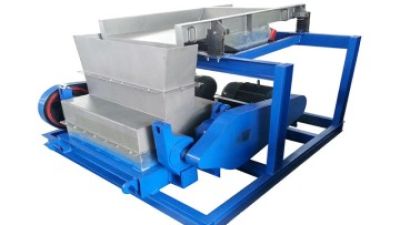
Double-roll salt crushers are well suited to this environment because they provide controlled size reduction while helping minimize excessive fines. Integrated into salt washing machinery, they can process raw material for table salt, edible salt, and industrial-grade applications. Modern production lines can be configured for capacities from 5 to 100 tons per hour, allowing operators to match equipment selection with plant scale and demand. Durable construction, stable feeding, and straightforward maintenance are especially valuable for continuous processing facilities in China and international markets.
For large-scale refined salt production, a properly matched double-roll crusher can improve downstream washing performance, reduce material handling interruptions, and support more uniform crystallized output. Equipment selection should consider feed size, moisture content, target granulation, corrosion resistance, and the required washing capacity.
FAQS
Check verified operating experience, similar installation sites, test results, and maintenance records. Photos are not enough. Ask for evidence from comparable stone and feed conditions.
Compare rotor balance, hammer material, plate thickness, bearing protection, and maintenance access. Workers should replace worn hammers without awkward lifting. Small design details can matter greatly.
Single-rotor models often suit controlled limestone feed sizes. Double-rotor designs may handle larger feed and steadier crushing. Selection still depends on moisture, abrasiveness, and required output.
They can process some wet materials, but wet clay may block the chamber. Hard, abrasive rock can rapidly wear hammers, grates, and liners. This limitation is easy to underestimate.
Request tests using stone similar to your material. Check feed size, moisture, rotor speed, and discharge requirements. Catalogue capacity may not match field output.
Confirm spare-parts availability, response times, installation guidance, technician training, and warranty terms. Ask for references from similar sites. Support can prevent long stoppages.
Include electricity, liners, hammers, labor, shipping, maintenance, and unexpected downtime. The cheapest quotation may age badly. A rough calculation can mislead.
Inspect guarding, lockout procedures, dust controls, vibration, temperature, and grease leakage. Review wear measurements and power records. Listen to the running machine. No inspection is perfect.
Conclusion
This guide explains what a Stone Hammer Crusher is and how its high-speed rotor and hammer system break stones through impact, helping readers understand its structure, working process, and common configurations. It also presents practical criteria for comparing manufacturers worldwide, including engineering experience, material quality, production capacity, energy efficiency, safety design, customization options, warranty terms, spare-parts availability, and technical maintenance support.
The article reviews the main product types and technologies offered by leading manufacturers, such as stationary, mobile, single-stage, and heavy-duty models, while highlighting developments in wear-resistant components and automated operation. It further explains how to evaluate crushing quality, output consistency, maintenance requirements, and lifecycle costs. Finally, the guide discusses applications in aggregate production, mining, construction, and recycling, along with the advantages of simple operation, strong impact performance, and adaptable sizing. It also notes limitations such as noise, dust, component wear, and reduced suitability for overly wet or highly abrasive materials.