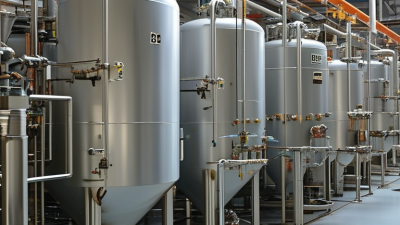
Picking out the top 10 Salt Sieving Machine manufacturers in China isn't just about crunching numbers or browsing slick websites. To really get a sense of who’s reliable, you need to dig deeper—think about how accurate the screening is, the quality of the stainless steel, whether they have proper food-contact certifications, how much they can produce in a given time, and even things like noise levels, how dust is managed, and how easy it is to clean the machine. After all, when salt flows through a vibrating mesh and lands in a hopper, you want to be sure it’s free from any visible contamination—that’s pretty crucial.
Dr. Richard G. Holdich, a well-known expert in particle technology, once said, “Particle size is a key quality factor in powder processing.” That’s a good rule of thumb guiding what you should look for. A solid Salt Sieving Machine isn’t just about size; it should reliably separate bigger crystals, keep the product free from avoidable dirt or contamination, and support smooth production runs. Plus, it has to match the salt’s moisture levels, crystal shape, throughput needs, and the mesh size you require. Sometimes, bigger isn’t actually better.
Now, keep in mind, this list of “top” isn’t set in stone. Things like visiting factories, talking to previous customers, reviewing technical drawings, and checking how they respond after sales can give you a lot more insight than just looking at rankings. Some manufacturers may boast impressive capacity but give limited info on how they perform over the long haul. That’s worth thinking about. Others might make simpler machines with fewer features, but they’re easier to maintain and less likely to cause headaches during operation.
What I’ve put together here is a overview of Chinese manufacturers who really stand out when it comes to practical strength—things like good design, quality fabrication, options for customization, and strong customer service. It’s about choosing equipment that fits your needs, rather than just going for the flashy marketing stuff. Of course, you should still check for certifications, test samples if you can, see if spare parts are easy to get, and make sure everything complies locally. Remember, the machine is just one piece of the puzzle—your overall process is what really counts.
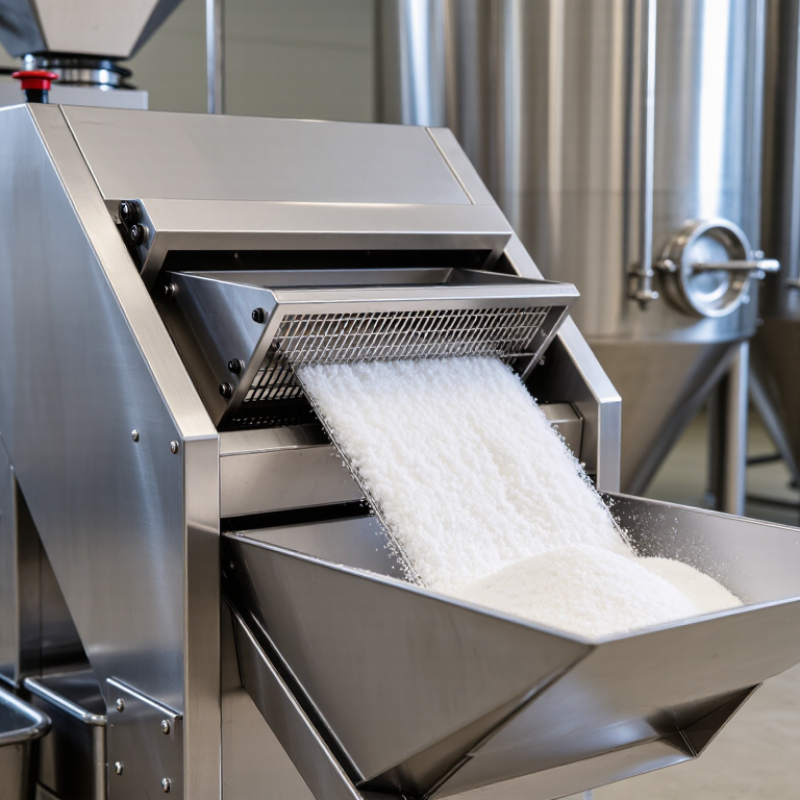
A salt sieving machine separates salt crystals by size and removes lumps, dust, and unwanted particles. It usually uses a vibrating screen, rotary screen, or linear screening deck. The selected mesh controls the final grade. Fine salt may pass through a smaller opening, while coarse crystals remain above it.
The U.S. Geological Survey Mineral Commodity Summaries 2024 estimated global salt production at about 270 million metric tons in 2023. This scale shows why stable screening matters. In a busy processing line, uneven crystals can block feeders or create inconsistent packaging weights. A Salt Maker Machine may include crushing, drying, and screening units. However, the sieving section performs a specific quality-control task. It does not improve purity by itself. Moisture changes everything. Damp salt sticks to the screen, lowers capacity, and can create false oversize material. The machine’s contact parts should also support hygienic cleaning and corrosion resistance.
Tips: Check salt moisture before selecting the screen. Match mesh openings with the target crystal range, not only the machine’s rated capacity. Inspect vibration regularly; excessive movement can damage the deck and increase noise. Operators should record throughput, rejected material, and screen condition. A practical trial with real salt is still better than relying only on catalog figures. This point is often overlooked.
When comparing China’s top 10 salt sieving machine manufacturers, buyers should study the working process, not only capacity figures. A Salt Making Machine usually receives dried salt through a controlled inlet. A vibrating screen then separates crystals by size. Fine particles pass through the mesh openings. Larger crystals move toward the discharge end.
The screen deck vibrates through an electric motor and balanced eccentric weights. This movement spreads salt into a thin, even layer. Contact time matters. If the feed is too thick, smaller crystals may travel over the screen. Moisture creates another problem. Damp salt can stick to the mesh and reduce screening accuracy. Operators often check the material temperature, feed rate, and mesh condition during production.
Small details affect reliable performance. Stainless steel contact parts help resist corrosion in salty environments. Quick-change mesh panels also reduce cleaning time. In practical operation, a steady vibration is more useful than excessive speed. Too much force can produce dust and unnecessary noise. Calibration should be checked with sample batches, because laboratory results may differ from continuous production. That difference deserves attention. An imperfect setup can still appear efficient while sending usable crystals into the wrong outlet. Safety guards, emergency stops, and enclosed drive components support responsible equipment use.
| No. | Machine Configuration | Screening Motion | Typical Capacity* | Typical Screen Aperture | Screen Decks | How It Works | Common Salt-Screening Application |
|---|---|---|---|---|---|---|---|
| 1 | Linear Vibratory Sieve | Two unbalanced motors create a straight-line vibration. | 1–20 t/h | 0.5–10 mm | 1–3 | Salt moves forward across a flat screen. Fine particles pass through the mesh while larger crystals discharge from the end. | Continuous classification of dry, free-flowing industrial or food-grade salt. |
| 2 | Circular Vibratory Separator | Vertical vibration produces circular and three-dimensional movement. | 0.2–8 t/h | 0.1–8 mm | 1–5 | The material spreads across a round screen deck. Oversize travels outward and fines fall through the perforated mesh. | Precision separation of refined salt, fine salt, and small agglomerates. |
| 3 | Gyratory Reciprocal Screen | Horizontal gyratory movement with controlled reciprocation. | 2–30 t/h | 0.5–20 mm | 1–4 | A large screening area imitates the gentle action of manual sieving, improving stratification and reducing impact on salt crystals. | High-capacity grading where accurate separation and low crystal breakage are required. |
| 4 | Rotary Trommel Screen | A slowly rotating cylindrical drum lifts and tumbles the material. | 5–40 t/h | 3–30 mm | 1–3 sections | Salt enters the rotating drum, passes through progressively sized perforations, and exits through separate discharge zones. | Pre-screening raw or washed salt and removing large lumps or foreign matter. |
| 5 | Probability Screen | High-frequency, low-amplitude vibration. | 5–50 t/h | 1–15 mm | 1–3 | Oversize particles quickly leave the deck while correctly sized particles have repeated opportunities to pass through the openings. | Large-volume screening of relatively dry salt with a broad particle-size distribution. |
| 6 | Flip-Flow Screen | Elastic screen mats stretch and relax through a resonant motion. | 3–25 t/h | 3–25 mm | 1–2 | Flexible polyurethane or rubber panels continually change tension, helping release sticky or near-size particles from the screen surface. | Salt containing moisture or material that tends to blind conventional wire mesh. |
| 7 | Rotary Centrifugal Sifter | A rotating paddle or rotor creates centrifugal separation. | 0.5–10 t/h | 0.2–5 mm | 1 | A rotor conveys salt through a cylindrical screen. Fine particles pass through the mesh, while larger particles continue to the outlet. | Enclosed screening of fine, dry salt where dust control and compact installation are important. |
| 8 | Static Grizzly Screen | No powered motion; material separates by gravity and slope. | 5–60 t/h | 10–100 mm | 1 | Large salt lumps and debris slide over fixed bars or perforated plates, while smaller material falls through the openings. | Coarse scalping before crushing, washing, drying, or fine screening. |
| 9 | Drum-Type Grading Screen | Low-speed drum rotation with internal lifting and cascading. | 2–20 t/h | 2–25 mm | 2–4 sections | As the drum rotates, salt is repeatedly lifted and dropped. Different perforated sections separate several size fractions. | Multi-size grading of granular salt after drying or crushing. |
| 10 | Air-Assisted Sieve | Mechanical screening combined with controlled airflow. | 0.2–5 t/h | 0.1–3 mm | 1–2 | Air reduces the buildup of fine powder on the mesh while vibration or rotary motion transports salt through the screen. | Fine powdered salt and applications requiring improved dust containment and reduced screen blinding. |
Salt sieve manufacturers are judged by more than screening speed. According to the USGS Mineral Commodity Summaries 2024, global salt production reached approximately 270 million metric tons in 2023. This scale demands stable equipment, not impressive brochures. Leading manufacturers usually offer stainless-steel contact surfaces, enclosed vibration systems, and adjustable mesh screens. These features help control foreign particles, moisture clumps, and uneven crystals before packaging.
Hygienic design is equally important. Smooth welds, sloped surfaces, tool-free screen access, and quick cleaning reduce residue around the sieve deck. ISO Survey 2023 recorded more than 33,000 ISO 22000 certificates worldwide, showing the growing value of documented food-safety controls. A reliable supplier should provide material certificates, test records, noise data, and clear maintenance instructions. Traceability matters. So does practical access.
Screen performance must match the salt grade and production line. Fine table salt may require gentler vibration, while coarse industrial salt can need heavier screening capacity. A connected Salt Bagging Machine should receive a steady, measured flow without damaging bags or creating dust clouds. Bigger motors are not always better. In real plants, excessive vibration can increase noise, wear, and crystal breakage. I have seen specifications look excellent, yet cleaning took too long. That weakness deserves honest review.
China’s Top 10 Salt Sieving Machine Manufacturers should be judged by measurable performance, not advertising claims. A practical ranking should examine screening accuracy, stainless-steel construction, dust control, delivery records, and after-sales support. The China Food and Packaging Machinery Industry Association identifies automation, hygiene, and production stability as major equipment trends. These factors matter when salt moves through vibrating screens, mesh filters, and conveyors every hour.
Industry data gives useful context. Mordor Intelligence’s 2024 food processing equipment analysis highlights rising demand for automated and hygienic processing lines in Asia. Grand View Research also reports continued growth in industrial food machinery, supported by stricter quality expectations. Therefore, strong Chinese manufacturers usually provide test reports, food-contact material certificates, and documented particle-size results. A reliable supplier should demonstrate performance using your actual salt. Laboratory samples can mislead. Real production is rougher.
Tips: Ask for a video test with wet and dry salt. Check sieve capacity, mesh replacement time, noise levels, and cleaning access. Confirm whether the system connects with a Salt Packing Machine. Small gaps around the screen can collect residue. That detail is easy to overlook. Request references from plants using similar salt grades. A top-ten list should remain provisional, because factory audits, export service, and machine consistency can change. Even experienced buyers sometimes rank price too highly. That is worth reconsidering.
The chart shows nominal sieve openings commonly used for salt particle classification, based on ASTM E11 sieve designations. Smaller openings support finer grading, while larger openings are used for coarse salt separation. These technical dimensions are useful for comparing the screening ranges offered by industrial salt sieving equipment without presenting company-specific data.
China’s salt industry operates at enormous scale. The U.S. Geological Survey’s Mineral Commodity Summaries 2024 estimated global salt production at about 270 million metric tons in 2023, with China contributing roughly 60 million tons. This volume makes supplier comparison more important than a simple “top ten” ranking.
Start with process data, not catalog photos. Ask each supplier for tested capacity, feed moisture, particle size, mesh accuracy, and salt loss. A laboratory report should show results from your own salt sample. Request vibration amplitude, motor power, noise levels, and screen replacement time. Food-contact stainless steel, weld quality, surface finishing, and traceable material certificates also matter. Small details become expensive later.
Check whether the quoted capacity matches continuous operation. Some figures describe ideal dry salt, not humid production conditions. That difference is easy to miss. ISO 9001 certification can support quality control, but it does not prove machine performance. Confirm factory testing, inspection records, spare-parts availability, and response times in writing. The World Bank’s Logistics Performance Index 2023 highlights how infrastructure and shipment reliability affect international procurement, so packaging and export experience deserve attention. A useful comparison table should include warranty terms, commissioning support, delivery risk, and total ownership cost. The cheapest sieve may create the highest maintenance bill.
Salt sieving machines play a practical role in modern salt processing. They separate coarse crystals, fine particles, and unwanted agglomerates after crushing or drying. This improves product consistency before packaging, blending, or further refining. In a working plant, screen selection depends on crystal size, moisture, and required output. A machine handling dry vacuum salt may perform poorly with damp solar salt. The difference can be surprisingly large.
These machines also protect downstream equipment. Removing oversized lumps reduces blockages in conveyors, hoppers, and filling systems. Multi-deck screens can create several grades from one feed stream. Food-grade processing usually requires smooth contact surfaces and simple cleaning access. Operators should monitor vibration, screen tension, dust control, and feed speed. Excessive speed may lower separation accuracy. I have found that higher capacity is not always better. A slower, stable flow often produces cleaner fractions and fewer rejected batches.
Tips: Check salt moisture before choosing the screen design. Keep the feed evenly distributed across the deck. Inspect mesh openings for blinding during each shift. Record product size and machine settings together. Small records reveal problems early. Do not ignore noise or unusual vibration. These signs may indicate loose parts, uneven loading, or screen damage. Regular testing remains essential because salt properties can change between seasons and suppliers.
Buying a salt sieving machine starts with the salt, not the catalogue. USGS Mineral Commodity Summaries 2025 estimated global salt production at about 270 million metric tons in 2024. That scale hides major differences in crystal size, moisture, and contamination risk. Ask for a sieve analysis of your actual material. A machine tested only with dry laboratory salt may perform poorly after humid storage.
Screen aperture is critical. Select the target fraction, oversize limit, and acceptable fines before comparing capacity. For food-grade processing, inspect contact materials, weld quality, drainage, and cleaning access. Hygienic design reduces trapped salt and supports documented sanitation. A 2024 report from the International Association for Food Protection emphasizes environmental control and verification in food facilities, not merely visual cleanliness. That distinction matters.
Check throughput under real conditions. Salt that looks free-flowing can bridge above the mesh when humidity rises. Request test data at your expected moisture level, feed rate, and operating hours. Review noise, vibration, motor protection, spare mesh availability, and energy consumption. USGS data also shows salt serves chemical, deicing, food, and water-treatment markets, so “one machine fits all” is a weak assumption. Stainless steel may be necessary, but the wrong mesh tension can still cause rapid wear. I would also budget for a second trial; the first test often exposes feeding problems that specifications overlook.
Dried salt enters through a controlled inlet. A vibrating screen separates crystals by size. Fine particles pass through the mesh, while larger crystals move toward the discharge end.
An electric motor drives balanced eccentric weights. Their movement spreads salt across the screen deck. Steady vibration usually works better than excessive speed.
Damp salt can stick to the mesh and block openings. This may reduce separation accuracy. Operators should check moisture, temperature, and mesh condition regularly.
A thick feed layer can carry small crystals over the screen. A thinner, even layer improves contact with the mesh. Small adjustments can change the result.
Stainless steel contact parts resist salty corrosion. Smooth welds and sloped surfaces reduce residue. Quick-change screens also shorten cleaning time.
No. Excessive vibration can increase noise, wear, dust, and crystal breakage. Bigger is not always better. The machine should match the salt grade and production rate.
Request material certificates, test records, noise data, and maintenance instructions. Ask about screen changes and cleaning access. A polished brochure proves little.
Run sample batches and compare them with laboratory results. Continuous production may behave differently. Check whether usable crystals reach the wrong outlet. That weakness deserves attention.
A Salt Sieving Machine is essential equipment in modern salt processing, designed to separate particles by size, remove impurities, and produce a more consistent final product. This article explains how vibrating screens, rotary systems, and layered sieving methods work, while highlighting key features found among leading Chinese manufacturers, including durable construction, adjustable screening precision, efficient operation, easy maintenance, and compliance with common industrial safety expectations. It also presents a practical framework for evaluating China’s top 10 salt sieving machine manufacturers without focusing only on price.
Readers will learn how to compare suppliers based on production capacity, material quality, customization options, technical support, delivery capability, and after-sales service. The article further discusses applications in salt refining, food processing, chemical production, and industrial material handling. Finally, it outlines important buying considerations such as screen size, throughput, power consumption, corrosion resistance, installation requirements, and long-term operating costs, helping buyers select equipment that matches their specific processing needs.