When it comes to mining and material processing, let's be honest—having the right machinery can really make all the difference. Take the Salt Hammer Crusher, for example — you can check it out [here](https://www.sdruitu.com/custom-china-salt-hammer-crusher-factory-product). Industry folks like Dr. John Thorne from Minerals Processing Innovations often say, "Getting the right equipment boosts productivity big time." That really hits home, especially when you're dealing with materials like salt, where choosing the proper crusher matters a lot.
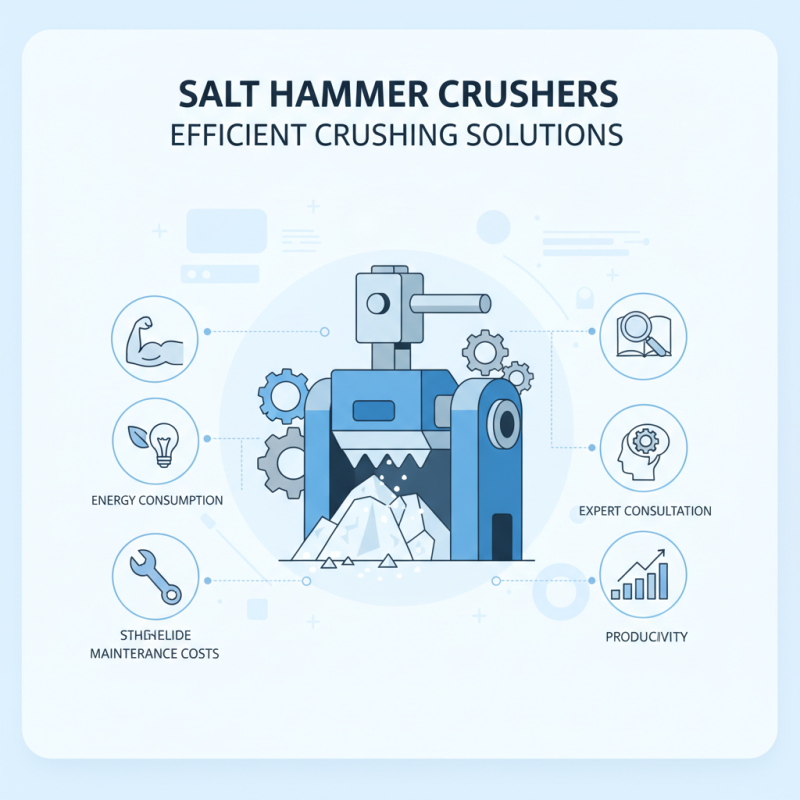
Salt Hammer Crushers are pretty impressive—they’re made to break down salt with a good amount of precision. They're built tough, so they last, but they also do the job efficiently. Of course, for a business, it’s not just about power; you’ve gotta think about energy efficiency and how much it costs to keep these machines running. Skipping over these details can lead to headaches down the line.
Now, here's the thing—markets are packed with options. It’s easy to get overwhelmed when you’re staring at a sea of choices. That’s why, a lot of experts recommend doing your homework and chatting with the pros before making a purchase. As Dr. Thorne puts it, investing in knowledge is just as crucial as investing in the equipment itself. Taking these steps might seem a bit tedious, but it definitely pays off in the long run, helping your operation run smoother and smarter.
Overview of Salt Hammer Crushers and Their Applications
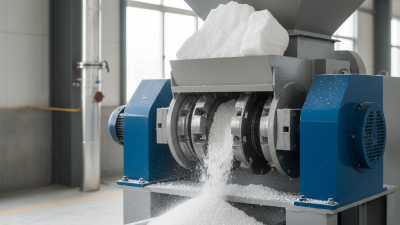
Salt hammer crushers are vital in the mining and agricultural industries. These machines efficiently crush salt blocks into finer granules. Their ability to handle large volumes makes them suitable for both small and large-scale operations. An efficient salt hammer crusher reduces the cost of processing while improving overall productivity.
The design of salt hammer crushers allows for easy maintenance. Regular inspections ensure optimal performance. However, users sometimes overlook minor issues, which can lead to significant downtime. Understanding the machinery’s operational requirements is crucial. Experience shows that not all users take full advantage of the crusher's capabilities.
In various applications, these crushers serve different needs. They are commonly used in food processing, where the purity of salt is essential. Additionally, in de-icing and chemical production, the consistency of crushed salt is critical. Attention to detail in setting up and operating the crusher improves final product quality. However, users must reflect on their operational practices to avoid inefficiencies. Regular training can help ensure safe and effective use of these powerful machines.
Key Features of Efficient Salt Hammer Crushers
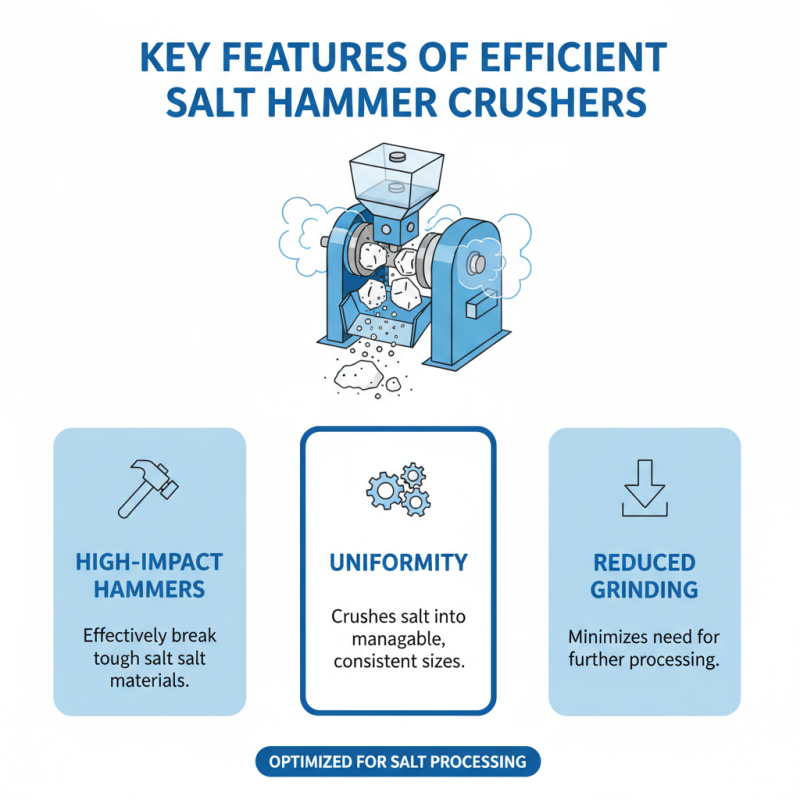
When it comes to efficient crushing solutions for salt, salt hammer crushers stand out. These machines are designed to handle tough materials effectively. They utilize high-impact hammers that break salt into manageable sizes. This process ensures uniformity and reduces the need for further grinding.
Key features of efficient salt hammer crushers include adjustable settings. Users can modify the size of the crushed material according to their specific requirements. Additionally, the machines often feature a robust construction. This durability allows for consistent operation even under heavy loads. Maintenance is essential, and regular checks can prevent unexpected downtime. Operators need to learn how to ensure long-lasting performance.
Noise and dust emissions are important factors to consider. Good models come with noise reduction features and dust containment systems. This can create a safer workplace. However, some users might still face challenges regarding noise levels. Evaluating these factors can help users choose the right equipment. This reflection on both features and potential drawbacks ensures better decision-making.
Mechanisms of Salt Crushing in Hammer Crushers
Hammer crushers are vital for the efficient crushing of salt. The mechanisms involved in salt crushing play a crucial role in the process. The primary action in a hammer crusher involves high-speed rotations of the hammers. These hammers strike the salt, breaking it into smaller pieces. According to industry reports, hammer crushers can reduce salt particle size by up to 90% in a single pass, enhancing processing efficiency.
The design of equipment such as the Ring Hammer Crusher allows for flexible adjustments. This adaptability makes it easier to achieve desired salt granule sizes. Operators must pay close attention to operating speeds and hammer material to optimize crushing. Regular maintenance is essential for preventing material contamination. Inadequate maintenance might lead to decreased efficiency and increased operational costs.
Tips: Ensure hammers are regularly inspected for wear. Using tungsten carbide-tipped hammers can improve durability. Experiment with various speeds to find optimal conditions for your specific salt type. Small changes can lead to significant performance improvements.
Comparison of Different Salt Hammer Crusher Models
When evaluating salt hammer crushers, it’s essential to compare various models to determine the most efficient solution for your needs. Different designs can impact performance significantly. Some crushers focus on high throughput, while others prioritize robust construction to handle tough materials.
Attention to detail is vital. Consider factors like crushing capacity, power consumption, and maintenance requirements. For instance, some models require frequent part replacements, which could lead to increased operational costs. Additionally, check the noise levels they produce, especially if operating in a residential area.
Tips for choosing the right model include researching user reviews and seeking expert opinions. Practical insights can help identify which models perform well under specific conditions. Avoid rushing the decision; take your time to assess all features and functionalities thoroughly. Ensure you prioritize reliability and safety in your selection process.
Advantages of Using Salt Hammer Crushers in Industrial Settings
Salt hammer crushers are crucial in industrial settings. They efficiently break down salt into manageable sizes for various applications. These machines utilize high-impact hammering to crush salt into consistent granules. This ensures better handling and processing in industries like food and chemical manufacturing.
One advantage of salt hammer crushers is their versatility. They can handle different salt types, offering flexibility in production. Their design also allows for easy maintenance, which is essential for continuous operation. A well-maintained machine can significantly reduce downtime.
Tips: Regularly check wear parts to avoid unexpected failures. Consider adjusting the hammer speed for optimal crushing efficiency. Monitor the output size to meet specific requirements. These practices can enhance performance and reliability in the long run.
Using salt hammer crushers also reduces energy consumption. They operate efficiently, minimizing the power required for crushing. This leads to lower operational costs. However, operators should remain vigilant about the machine’s settings. Improper adjustments can lead to excessive wear or inefficient performance. The balance between quality and efficiency is crucial in using these machines effectively.
Maintenance Tips for Optimal Performance of Salt Hammer Crushers
Maintaining a salt hammer crusher is crucial for reliable performance. Regular maintenance can enhance efficiency and extend the lifespan of your equipment. According to industry reports, regular inspections can prevent failures that lead to costly downtime. Keeping an eye on wear and tear is essential. Components like hammers and screens should be replaced timely based on operational data.
One key tip involves lubrication. Ensure all moving parts are adequately lubricated to reduce friction. This simple step can prevent overheating, which is often a major cause of mechanical failure. An effective Crusher Hammer Mill should have lubrication points easily accessible for routine checks. Routine cleaning is also important to prevent buildup that can disrupt operations.
Monitoring crushing efficiency is another critical factor. Aimed efficiency rates for salt hammer crushers typically range from 80% to 90%. However, some operators report inefficiencies due to poor maintenance. Performing consistent performance checks can help identify issues early. Regularly evaluate the equipment's output to ensure it meets your expected production rates, which can inform your maintenance scheduling.
Top Salt Hammer Crusher for Efficient Crushing Solutions
| Model |
Capacity (tons/hour) |
Power (kW) |
Weight (kg) |
Maintenance Frequency (weeks) |
| Model A |
5 |
75 |
1200 |
4 |
| Model B |
8 |
90 |
1500 |
6 |
| Model C |
10 |
110 |
1800 |
8 |
| Model D |
12 |
130 |
2100 |
10 |
Future Trends in Salt Hammer Crushing Technology
Future trends in salt hammer crushing technology are evolving rapidly. Innovation is driven by the need for greater efficiency and environmental sustainability. The mining industry is projected to grow significantly, with a report by Grand View Research indicating an expected market size of $757 billion by 2025. This growth highlights the critical role of advanced crushing solutions.
In recent years, the salt hammer crusher has gained attention for its enhanced capabilities. The introduction of automation and smart technology is transforming how salt is processed. Sensors and AI can monitor the crushing process, optimizing performance and reducing energy consumption. A study by Research and Markets suggests that automated systems can improve efficiency by up to 30%. This is crucial as industries aim to reduce operational costs while maximizing output.
However, challenges remain. The acquisition and implementation of these advanced technologies can be expensive. Smaller operations may struggle with these upfront costs. Additionally, maintaining the equipment requires specialized knowledge. Companies must weigh these factors against the benefits of modernizing their salt crushing operations. The quest for a more efficient
Coal Crusher Hammer remains a focal point in discussions on future technology trends in this sector.
Innovative Solutions for Salt Production: Exploring Water Washing Salt Equipment and Advanced Purification Technologies
Innovative solutions for salt production are increasingly vital as the demand for high-quality salt continues to rise globally. The salt processing industry is at a turning point, with advanced technologies paving the way for cleaner and more efficient methods of salt purification. One particularly noteworthy technique is water washing, which uses innovative equipment to enhance the washing process, ensuring that the final product meets strict purity standards.
Recent industry reports indicate that the global salt market is projected to grow significantly, driven by its applications in various sectors including food processing, de-icing, and chemical manufacturing. As competition intensifies, salt producers are seeking methods that not only enhance product quality but also reduce environmental impact. Water washing salt equipment addresses these needs by providing effective purification capabilities while consuming less water and energy compared to traditional methods. This makes it suitable for small, medium, and large-scale salt processing plants.
Investing in advanced purification technologies enables producers to achieve high purity levels in sea salt, lake salt, and rock salt, thereby improving product quality and increasing market competitiveness. These innovations not only streamline operations but also align with sustainability goals in the salt production industry. The focus on water-saving and low-energy processes reflects a broader trend toward environmental responsibility, ensuring that the industry can meet both regulatory standards and consumer expectations for cleaner products.
FAQS
: They crush salt blocks into finer granules for mining and agriculture.
Regular maintenance ensures optimal performance and reduces downtime.
High-speed hammers strike salt, breaking it into smaller pieces efficiently.
Attention to detail in setup and regular training for operators are key.
They can reduce energy consumption, lowering operational costs.
They can cause excessive wear and inefficient performance.
Output size and hammer speed for optimal crushing efficiency.
Regular training ensures safe and effective use of the machinery.
It can reduce particle size by up to 90% in a single pass.
It helps avoid inefficiencies and improves overall productivity.
Conclusion
The article "Top Salt Hammer Crusher for Efficient Crushing Solutions" provides a comprehensive overview of salt hammer crushers and their significant role in various industrial applications. It details the key features that make these machines efficient, including their robust design and effective crushing mechanisms. The comparison of different models highlights the variety available in the market and assists potential buyers in making informed decisions based on their specific needs.
Additionally, the article discusses the advantages of utilizing salt hammer crushers in industrial settings, emphasizing their ability to streamline production processes. Maintenance tips are provided to ensure optimal performance and longevity of the equipment. Finally, it touches upon future trends in salt hammer crushing technology, indicating ongoing advancements aimed at improving efficiency and reducing operational costs. Overall, salt hammer crushers prove to be invaluable assets in the industrial processing of salt.