The global tank market is really on the move these days, thanks to a mix of innovation and growing environmental worries. If you look at the options out there, the Polypropylene Lined Tank definitely catches your attention — it's known for being tough and resistant to chemicals. According to a report from Grand View Research, the worldwide market for polypropylene is expected to hit around $200 billion by 2026. Needless to say, that kind of growth really pushes up the demand for tanks, especially in industries like chemicals and food processing.
Thanks to advances in technology, the design and manufacturing of these polypropylene-lined tanks are getting better and better. Companies like Tuffa Tanks and ATECH are stepping up their game with top-notch solutions that meet stricter safety standards. But of course, it’s a pretty competitive market, with lots of players trying to improve efficiency. Some manufacturers still struggle with quality control, which shows just how important precise engineering is to make sure the tanks perform well.
On top of that, new environmental rules are pushing everyone toward greener practices. Using Polypropylene Lined Tanks can really help cut down on leaching and contamination, especially where it matters most. Of course, sourcing sustainable materials isn’t always easy, and companies have to strike a balance between doing the right thing and keeping costs in check. All in all, the future for these tanks is full of potential, but it’s also got its fair share of challenges — meaning innovation and responsibility are more important than ever.
Overview of Polypropylene Lined Tanks in 2026
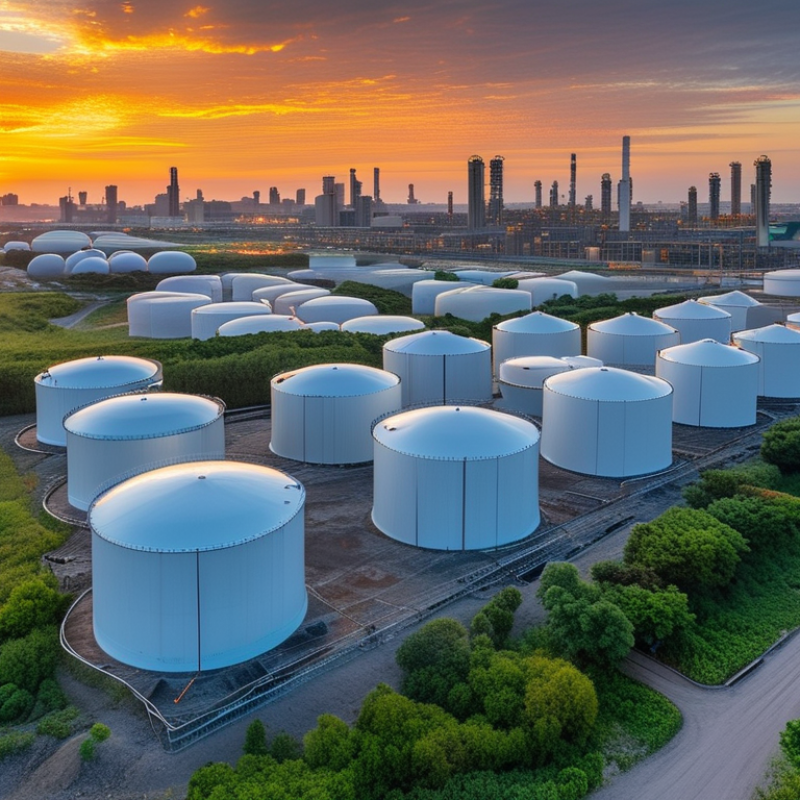
As we approach 2026, the relevance of polypropylene lined tanks is expanding across various industries. These tanks offer essential corrosion resistance. They are ideal for handling aggressive chemicals. This feature enhances their durability and lifespans significantly.
The applications for polypropylene lined tanks are diverse. From water treatment facilities to chemical storage, their versatility is remarkable. These tanks simplify the storage of hazardous materials with reduced risk. However, their effectiveness heavily depends on the installation process. Improper installation can lead to leaks and failures. A trained professional is vital to maximizing their performance.
In terms of market trends, buyers increasingly prioritize sustainability. Manufacturers are focusing on eco-friendly materials. This shift may affect the pricing and availability of polypropylene lined tanks. Additionally, it is crucial to monitor technological advancements in tank design. Innovations could enhance their efficiency and user-friendliness. However, not all advancements guarantee improvement. Buyers must analyze each option critically.
Key Features and Benefits of Polypropylene Lined Tanks
Polypropylene lined tanks are gaining traction in various industries. These tanks offer excellent chemical resistance, which makes them ideal for storing aggressive substances. The versatility of polypropylene provides enhanced durability. They can withstand harsh environments while maintaining structural integrity. This makes them suitable for both industrial and agricultural applications.
One standout feature of these tanks is their lightweight nature. This quality simplifies installation and transportation. Additionally, the smooth interior lining prevents build-up and facilitates easy cleaning. Potential users often overlook maintenance, but it is critical for maximizing tank lifespan. A well-maintained Po Pe Lined Tank ensures optimal performance and safety.
However, not all polypropylene tanks are created equal. Users should consider factors such as thickness and design when making a purchase. Some tanks might not fulfill their advertised capabilities. It's essential to seek reliable sources for procurement. Understanding the specific needs of each application can greatly influence tank selection. Emphasizing these aspects can lead to better outcomes in storage solutions.
Top Manufacturers of Polypropylene Lined Tanks Globally
Polypropylene lined tanks are becoming increasingly popular among global manufacturers. These tanks are ideal for storing various chemicals and substances safely. With their durable lining, they offer excellent resistance to corrosion and chemicals, making them a preferred choice in industrial applications.
When choosing a polypropylene lined tank, consider factors like capacity and operational environment. It's important to ensure that the tank can withstand both external and internal pressures. Evaluate the maintenance requirements as well; improperly maintained tanks can lead to significant operational issues and potential safety hazards.
Tips: Always request detailed specifications from manufacturers. This helps in understanding the tank's capabilities better. Also, check for certifications to ensure compliance with industry standards. Remember that not all tanks are created equal. Some may not perform well under specific conditions.
Finding reliable manufacturers is essential. Research each company’s reputation in the industry. Look for reviews and case studies on their polypropylene lined tanks. A strong track record can provide insights into quality and reliability. Ultimately, investing in the right Pe Lined Storage Tank can enhance operational efficiency and safety in your processes.
Global Demand for Polypropylene Lined Tanks in 2026
Market Trends Influencing Polypropylene Lined Tank Demand
In recent years, the demand for polypropylene lined tanks has surged. This trend is influenced by the increasing need for durable storage solutions in various industries. Many sectors, particularly chemical processing and water treatment, now rely on Po Lined Storage Tanks. These tanks offer resistance to corrosion, making them ideal for storing hazardous materials. Their longevity reduces the need for frequent replacements, thus saving costs.
Another factor driving the market is the growing awareness of environmental sustainability. Companies are actively seeking materials that minimize ecological impact. Polypropylene is a lightweight, recyclable option that aligns with greener practices. However, some organizations remain hesitant, questioning the long-term reliability of these tanks under extreme conditions. Balancing cost-effectiveness with durability is essential.
The global shift towards advanced manufacturing techniques also plays a role. Industries are increasingly incorporating automation in tank production, leading to better quality control and efficiency. Yet, the initial investment in automated systems can be daunting. Industries must weigh the benefits against potential risks. Overall, understanding these market trends is crucial for buyers looking to invest in polypropylene lined tanks in 2026.
Applications of Polypropylene Lined Tanks Across Industries
Polypropylene lined tanks are gaining traction across multiple industries due to their unique properties. These tanks offer excellent chemical resistance, making them ideal for storing corrosive materials. The food and beverage sector benefits significantly from using polypropylene tanks. Their inert surface helps maintain the purity of products like juices and sauces.
In the chemical industry, polypropylene’s durability is unmatched. These tanks withstand harsh environments, reducing the risk of leaks and spills. They are lightweight compared to traditional materials, making them easier to transport and install. Furthermore, industries are increasingly aware of sustainability. Polypropylene is recyclable, aligning with eco-friendly goals.
Despite these advantages, there are challenges to consider. The initial cost of these tanks can be higher than alternatives. Additionally, not all applications allow for polypropylene. Over time, users may find they need additional training for proper maintenance. This reflects a continuous need for education in safe handling and usage practices.
Comparative Analysis of Polypropylene Lined Tanks vs. Alternatives
The demand for polypropylene lined tanks is rising in various industries. These tanks are known for their durability and chemical resistance. Compared to alternatives like stainless steel or fiberglass, polypropylene tanks offer unique advantages. They are lightweight and cost-effective, which can appeal to budget-conscious buyers. However, one must consider the specific use case before choosing.
Tips: Always assess the chemical compatibility before making a purchase. Not all plastics handle every substance. Take time to review your storage needs. Certain materials may degrade quickly, affecting tank longevity.
In some cases, alternatives may prove beneficial. Stainless steel, for instance, provides superior strength. It is often preferred for high-pressure applications. Despite its higher cost, it might reduce long-term maintenance needs. Reflecting on these aspects allows for informed choices. Understanding the trade-offs between polypropylene and alternatives is crucial for practicality and safety.
Guidelines for Selecting the Right Polypropylene Lined Tank
When selecting the right polypropylene lined tank, buyers should consider several key factors. The material's chemical resistance is crucial. A tank designed for aggressive substances must withstand corrosive environments. Polyolefin Lined Tanks offer excellent durability and are often a preferred choice for various industries. Assessing the type of chemicals you'll store is vital. Not all lined tanks are created equal.
Size and capacity are also significant. Ensure the tank can handle your operational demands. Oversized tanks may incur unnecessary costs. Additionally, look at the design features. A well-designed tank increases efficiency. Features like easy access for maintenance enhance overall functionality. Pay attention to details that can improve your workflow.
It's essential to explore supplier capabilities. Experience in manufacturing and delivering polyolefin lined tanks helps ensure reliability. Review past client testimonials for insights. However, be cautious if reviews seem too perfect. Every product has limitations, and knowing potential issues can guide your decision. Thoughtful consideration of these aspects will lead to a more informed choice.
Maximizing Efficiency and Durability: Insights from Industry Reports on PTFE-Lined Large-Scale Extraction Tanks
The importance of utilizing advanced materials and robust designs in large-scale extraction tanks cannot be overstated, particularly when it comes to maximizing efficiency and durability in various industrial applications. Reports indicate that PTFE-lined tanks are becoming increasingly prevalent in industries such as chemical, metallurgical, and pharmaceutical sectors due to their superior performance characteristics. These tanks consistently demonstrate strong acid and alkali resistance, allowing for the safe handling of corrosive substances and reducing downtime caused by equipment failure.
Additionally, industry studies reveal a marked improvement in processing efficiency when employing PTFE-lined tanks. Their innovative design not only guarantees complete anti-corrosion protection but also enhances operational performance with features like uniform mixing capabilities and excellent sealing efficiency. These factors contribute to a significant increase in production output and overall reliability, thereby making PTFE-lined large-scale extraction tanks a preferred choice in demanding industrial environments.
Moreover, the longevity of the PTFE lining ensures that these tanks outlast conventional materials, addressing the common challenge of wear and tear in extraction processes. The long service life of such tanks is supported by data illustrating reduced maintenance costs and extended operational readiness, ultimately delivering substantial economic benefits to manufacturers seeking to optimize their resource use while maintaining a high quality of output.
FAQS
: They store various chemicals and substances safely, resisting corrosion effectively.
Improper maintenance can lead to operational issues and safety hazards. Regular checks are essential.
Request detailed specifications and confirm compliance with industry certifications.
Increased need for durable storage solutions and environmental sustainability awareness are key factors.
Some organizations question their performance under extreme conditions.
Automation improves quality control and efficiency, but it requires significant initial investment.
Research reputation, reviews, and case studies to gauge quality and reliability.
Ensure the tank meets both internal and external pressure requirements for your operational environment.
They are lightweight and recyclable, aligning with greener practices in various industries.
Balance the initial investment against the potential savings from reduced replacements and maintenance.
Conclusion
In 2026, the market for Polypropylene Lined Tanks is expected to grow significantly, driven by their robust features and benefits. These tanks are known for their resistance to corrosion and chemicals, making them ideal for various industrial applications. The demand is influenced by current market trends, including an increasing focus on sustainable solutions and the need for efficient storage systems.
Key manufacturers are enhancing the design and functionality of Polypropylene Lined Tanks, attracting buyers globally. Industries ranging from chemical processing to water treatment are recognizing the versatility of these tanks. A comparative analysis with alternative materials highlights their advantageous properties, solidifying their position in the market. As demand rises, potential buyers must consider guidelines for selecting the right Polypropylene Lined Tank tailored to their specific operational requirements.