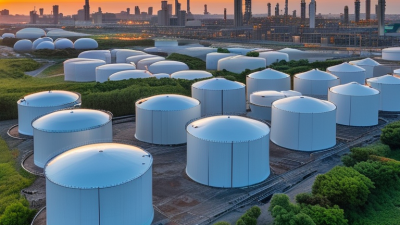
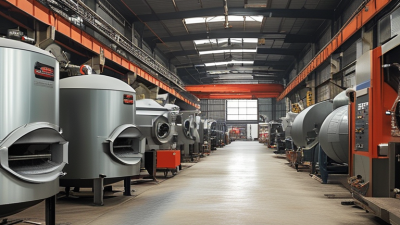
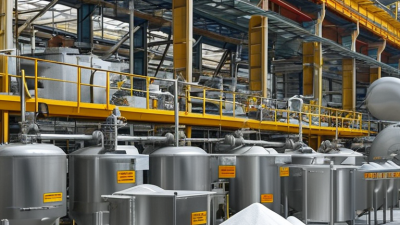
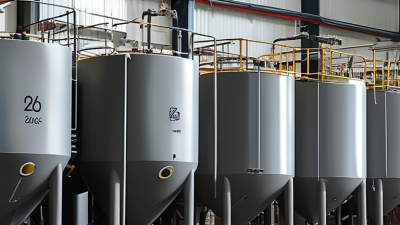
In today’s industrial world, keeping things running smoothly and safely is a top priority, right? That's where the **Polypropylene Lined Tank** really shines. These tanks are pretty versatile—they’re mainly used for storing all sorts of substances, especially corrosive ones. Thanks to the sturdy polypropylene lining, they provide excellent resistance against chemicals eating away at the tank, which is a huge plus.
A lot of companies go for these tanks because they’re durable and can handle tough environments, which means you'd probably spend less on maintenance over time. That said, not every application is a perfect fit for a polypropylene-lined tank, so it’s really important to take a close look at your specific needs.
In the long run, the benefits become pretty clear—these tanks tend to last longer and help keep safety levels high. Of course, there are a few challenges too, like the initial cost and making sure the tank’s compatible with what you're storing. These are definitely important factors to think about, and getting the right advice from someone who knows their stuff can make all the difference. But overall, the pros tend to outweigh the cons, making them a solid choice if you’re looking to make an informed decision.
Definition of Polypropylene Lined Tanks and Their Construction
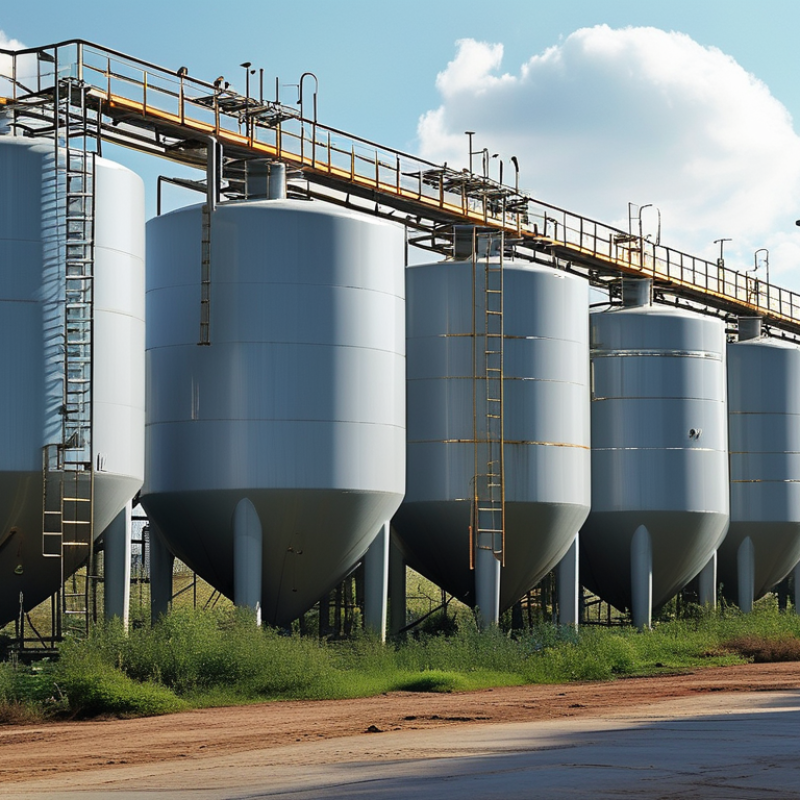
Polypropylene lined tanks are engineered solutions designed to meet specific storage needs. These tanks feature a durable core, often made from steel or fiberglass, layered with a polypropylene lining. This lining provides excellent chemical resistance, making it suitable for various industries. Their design ensures that stored materials do not come into direct contact with the tank material, reducing the risk of contamination.
Constructing a polypropylene lined tank involves precise methods. The inner polypropylene layer is bonded to the outer shell using advanced techniques. This method not only enhances the tank’s durability but also makes it lightweight. The choice of polypropylene is crucial. It stands out for its ability to withstand corrosive substances. This quality is vital for industries dealing with chemicals or hazardous materials.
While polypropylene lined tanks offer numerous benefits, they also present challenges. The initial investment can be higher than traditional tanks. Maintenance needs can vary depending on the chemicals used. Additionally, the technology used in construction must be continuously updated. Many users may overlook these aspects, leading to potential issues down the road. Balancing upfront costs with long-term benefits requires careful consideration.
Common Applications of Polypropylene Lined Tanks in Various Industries
Polypropylene lined tanks are widely used in various industries due to their unique properties. In the chemical industry, these tanks store aggressive substances, preventing corrosion. They withstand extreme temperatures and chemical reactions. This resilience makes them ideal for applications involving acids and bases. Many companies have found these tanks to be a reliable solution for their storage needs.
In the water treatment sector, polypropylene lined tanks hold treated water or chemicals. Their lightweight design facilitates easier transport and installation. Additionally, adherence to safety standards is crucial. While polypropylene tanks offer many advantages, they require careful maintenance. Proper inspection routines can help identify wear and tear. This proactive approach ensures that the tanks function effectively and safely over time.
Another common application is in the food industry. Polypropylene's non-toxic nature makes it suitable for storing food-grade materials. However, contamination risks can arise if not maintained properly. Regular cleaning and monitoring of these tanks are necessary to ensure food safety. In summary, while polypropylene lined tanks offer numerous benefits, ongoing diligence in maintenance is essential to maximize their effectiveness.
What is a Polypropylene Lined Tank and Its Benefits? - Common Applications of Polypropylene Lined Tanks in Various Industries
| Application Area |
Typical Use |
Benefits |
Material Compatibility |
| Chemical Processing |
Storage of corrosive chemicals |
High resistance to chemicals and excellent durability |
Compatible with acids and alkalis |
| Wastewater Treatment |
Tank storage for wastewater |
Corrosion resistance; easy to clean |
Suitable for a variety of waste types |
| Food Industry |
Storage of food ingredients |
Non-reactive with food products |
Safe for food processing |
| Pharmaceuticals |
Storage for chemical compounds |
Meets hygiene standards; resistant to contamination |
Compatible with various chemicals |
Comparative Advantages of Using Polypropylene Linings over Other Materials
Polypropylene linings offer several advantages for tanks. One key benefit is their high resistance to chemical corrosion. This makes them suitable for holding various substances. Tanks with polypropylene linings can manage both acidic and alkaline materials without degrading. In environments with fluctuating temperatures, these linings can withstand stress, maintaining their integrity over time.
Compared to other materials, polypropylene is lightweight yet durable. This characteristic simplifies installation and maintenance. Additionally, polypropylene has a lower thermal conductivity, reducing heat transfer. In contrast, metal linings may suffer from rust and wear, needing constant repairs. While polypropylene linings can be more expensive initially, their long lifespan can lead to lower overall costs.
Another factor to consider is flexibility. Polypropylene can adapt to different tank shapes and sizes. This adaptability can be a benefit when designing custom tanks. However, careful planning is essential to avoid misalignment. The potential drawbacks of polypropylene linings include limited UV resistance, which may require protective coatings. Balancing these factors is crucial for selecting the right tank for specific needs.
Durability and Resistance Features of Polypropylene Lined Tanks
Polypropylene lined tanks offer significant durability and resistance features that make them suitable for various industrial applications. These tanks are crafted with a robust polymer lining that provides excellent chemical resistance. According to a report by the American Society for Testing and Materials (ASTM), polypropylene can withstand temperatures up to 200°F while maintaining structural integrity. This characteristic is crucial for industries that handle volatile substances.
The resistance to corrosion is another notable feature. A study from the Chemical Engineering journal indicates that polypropylene's resistance to acids and alkalis is superior to many traditional materials. Consequently, these lined tanks require less frequent maintenance and replacement, leading to cost savings over time. Additionally, they offer a lightweight alternative which makes installation easier and less expensive.
When considering a Pe Lined Storage Tank, it's essential to analyze your specific storage needs. Always assess the chemical compatibility of the lined material with substances you plan to store. Regular inspections can also help identify any wear before it becomes a significant issue. Choosing the right type of lining can greatly influence the longevity of your storage solution.
Maintenance Guidelines for Polypropylene Lined Tanks to Ensure Longevity
Maintaining a polypropylene lined tank is essential for its longevity and optimal performance. Routine checks should be part of regular maintenance. Inspect the tank for signs of wear, including cracks or punctures in the lining. These issues can lead to leaks and contamination, which is detrimental to your operations. Ensure that all fittings and connections are secure to prevent any accidental spills.
Cleaning is another crucial aspect. Use appropriate cleaning agents that won't harm the polypropylene lining. Heavy-duty chemicals can degrade the material, leading to costly replacements. It’s advisable to have a scheduled cleaning routine. Inspect the tank after cleaning to ensure the integrity of the lining.
Monitoring the tank’s environment is also important. Avoid exposing the tank to extreme temperatures or direct sunlight for extended periods. UV exposure can weaken the lining. Regularly review the tank's conditions and make adjustments as needed. Always aim to catch problems early. A proactive approach can minimize downtime and ensure the longevity of your Po Lined Storage Tank.
Environmental Impact and Sustainability Aspects of Polypropylene Tanks
Polypropylene tanks are increasingly recognized for their low environmental impact. They are made from a thermoplastic polymer that is lightweight and durable. This material is resistant to chemical corrosion, contributing to longer lifespans. With less frequent replacements, the overall waste generated is reduced. Being fully recyclable, polypropylene can be processed into new products instead of ending up in landfills.
Sustainability extends beyond materials. The production of a Polyolefin Lined Tank generally requires less energy compared to metal options. This translates to lower carbon emissions during manufacturing. However, challenges remain around the disposal of these tanks at the end of their life cycle. While recycling is possible, not all regions have established systems in place. Creating accessible recycling solutions is crucial for enhancing sustainability.
The storage capabilities of polypropylene tanks also play a role in environmental considerations. They can safely hold hazardous materials, minimizing the risk of leaks. Proper management is vital to prevent pollution. Efforts to educate users about handling and maintenance can further reduce potential environmental impacts.
Environmental Impact Comparison of Polypropylene Lined Tanks vs. Traditional Tanks
Cost-Effectiveness Analysis of Polypropylene Lined Tanks for Businesses
Polypropylene lined tanks are gaining traction in various industries. These tanks provide essential benefits, particularly in cost-effectiveness. The durable material resists corrosion, making these tanks long-lasting. Businesses can avoid frequent replacements, saving money in the long term. Additionally, polypropylene's lightweight nature reduces transportation and installation costs.
Conducting a cost-effectiveness analysis reveals further advantages. Initial costs may compare favorably with traditional materials. When evaluating lifespan and maintenance, polypropylene lined tanks often emerge as more economical. However, some businesses may overlook the total cost of ownership, focusing solely on upfront prices. This oversight can lead to unexpected expenses down the line.
Investing in polypropylene lined tanks can also enhance operational efficiency. Their robust construction can handle a variety of chemicals safely. This versatility reduces the risk of contamination or leaks. However, it is essential to assess specific needs before making a purchase. Each application is unique, and not all tanks will fit every requirement. Regular evaluations can ensure that businesses maximize their investments.
The Comprehensive Guide to Understanding and Selecting PTFE Lined Tees in Industrial Applications
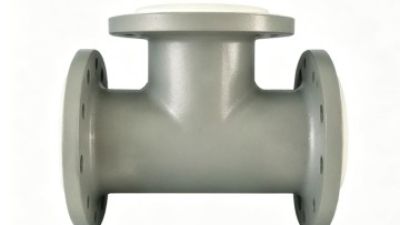
In industrial applications, the selection of appropriate fittings is crucial for ensuring the efficiency and safety of pipeline systems, especially when dealing with highly corrosive media. PTFE lined tees have emerged as a favored choice for achieving fluid diversion, confluence, or direction change in such demanding environments. The use of polytetrafluoroethylene (PTFE) internally lining these tees offers exceptional resistance to strong acids and alkalis, making them suitable for harsh working conditions where traditional materials might fail.
One of the key advantages of PTFE lined tees is their flanged connections, which not only facilitate stable installation but also enhance adaptability within various piping configurations. This design mitigates the risks associated with fluid leakages and ensures a secure connection between pipes. Additionally, the low flow resistance and minimal conveying loss during fluid passage through these tees are critical for maintaining system efficiency. By minimizing turbulence and pressure drop, they enable smoother fluid transport, which is invaluable in maintaining operational efficiency in processes handling corrosive substances.
FAQS
: They have a durable core made of steel or fiberglass, with a polypropylene lining.
Polypropylene provides excellent chemical resistance and can withstand corrosive substances effectively.
They offer durability, lightweight installation, and reduced maintenance due to corrosion resistance.
Initial costs can be high, and maintenance needs vary depending on the chemicals used.
Routine inspections for wear, secure fittings, and appropriate cleaning methods are essential for maintenance.
Avoid using heavy-duty chemicals that may degrade the polypropylene lining and cause costly damage.
Exposure to extreme temperatures or UV light can weaken the lining and lead to potential leaks.
Regular checks should be routine to identify any signs of wear before serious issues arise.
Address any cracks promptly to prevent leaks and contamination from affecting operations.
Consider balancing upfront costs with long-term savings from reduced maintenance and downtime.
Conclusion
A Polypropylene Lined Tank is a specialized storage solution designed with a lining of polypropylene, a durable thermoplastic known for its chemical resistance and strength. These tanks are constructed to cater to various industrial needs, providing an effective method for storing a wide range of substances. Common applications include the chemical, food processing, and wastewater industries, where the integrity of the stored materials is crucial.
The advantages of Polypropylene Lined Tanks over other materials include superior chemical resistance, enhanced durability, and lower maintenance requirements. Their resistance to corrosion extends the lifespan of the tanks, while proper maintenance guidelines ensure ongoing efficiency. Moreover, polypropylene's lightweight nature contributes to ease of installation and cost-effectiveness for businesses. Environmental considerations also factor in, as polypropylene is recyclable, aligning with sustainability initiatives. Overall, Polypropylene Lined Tanks represent a reliable and economical choice for manufacturers seeking optimal performance in storage solutions.