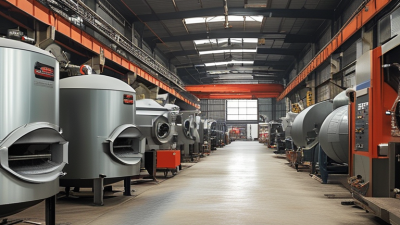
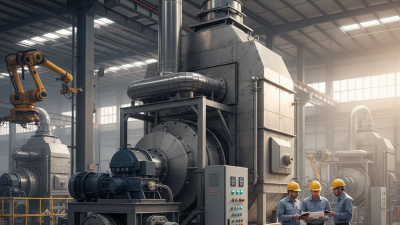
Picking out the right Industrial Hot Air Furnace isn’t exactly a walk in the park. I mean, it can get pretty overwhelming! I remember chatting with John Smith from HeatTech Solutions—he’s pretty much the go-to guy—and he told me, "Understanding what you really need in terms of heating is key to getting the most out of your equipment." That really stuck with me because it highlights how important it is to pick a furnace that’s a good fit for your operation.
Now, these furnaces aren’t just for one thing; their uses are pretty much everywhere. Whether you’re drying stuff, curing, or doing some kind of processing, each situation calls for a bit of thought. One thing I’ve noticed people often overlook, though, is how energy-efficient their choice actually is. A furnace that’s perfect for one task might totally fall flat on another, and that can end up costing you a lot more in the long run with higher energy bills and less productivity.
And let’s not forget about quality. Not all brands are created equal. Some companies are more about cutting corners than delivering reliable, safe equipment. Going with a well-known, reputable brand might cost a bit more upfront, but it’s worth it to avoid costly repairs down the line. So, really, taking the time to understand your specific needs and chatting with some experts will steer you in the right direction for sure.
Understanding the Basics of Industrial Hot Air Furnaces
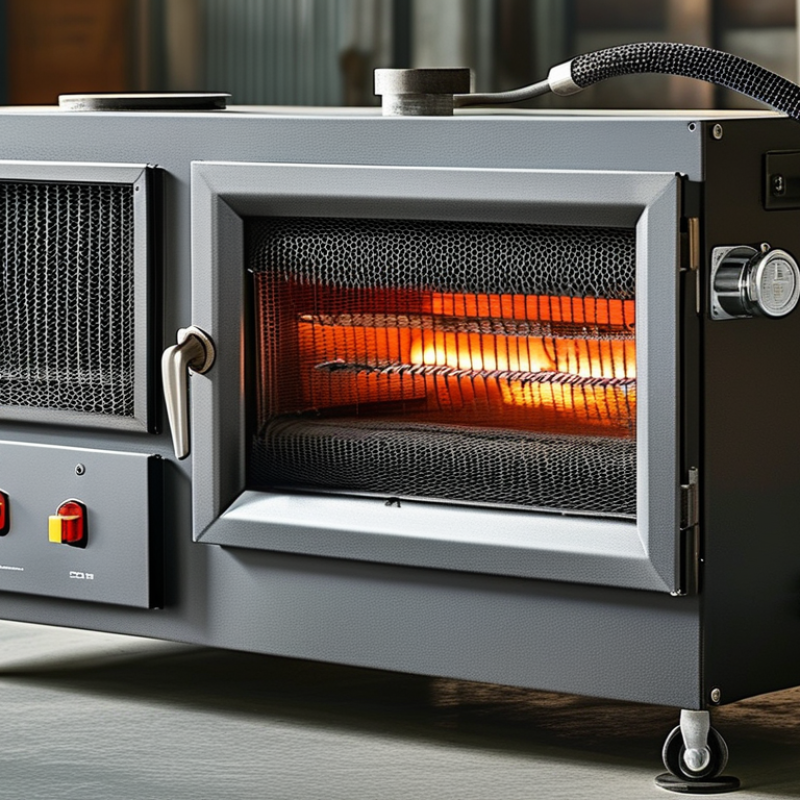
When selecting an industrial hot air furnace, understanding its fundamentals is crucial. An industrial hot air furnace is designed to deliver heated air for drying, curing, or other processes. According to a report by the International Energy Agency, these furnaces can operate at efficiencies above 90%, significantly reducing energy costs in manufacturing enterprises.
The efficiency of an industrial hot air furnace can depend on several factors, including fuel type and design. Natural gas and electric furnaces serve different needs. For instance, natural gas options are often more effective for large-scale applications due to their rapid heating capabilities. In contrast, electric models are suitable for smaller operations where precise temperature control is paramount. Industry statistics show that around 40% of manufacturing energy consumption stems from heating processes, emphasizing the need for efficient systems.
Considering environmental impacts is also essential. The shift towards eco-friendly heating solutions influences how companies choose their furnaces. As reported by the U.S. Department of Energy, energy-efficient models can lower greenhouse gas emissions by up to 30%. This shift towards sustainability complicates decisions but is essential in a climate-conscious market. Evaluating operational needs and sustainability goals can guide the selection of the right Hot Air Blast Furnace.
How to Choose the Right Industrial Hot Air Furnace for Your Needs?
| Dimension |
Value |
| Furnace Type |
Indirect Heat |
| Heating Capacity |
200,000 BTU/h |
| Fuel Type |
Natural Gas |
| Temperature Range |
100°F to 600°F |
| Airflow Rate |
500 CFM |
| Energy Efficiency |
High Efficiency (over 90%) |
| Applications |
Drying, Melting, Forging |
| Maintenance Requirements |
Low Maintenance |
Key Applications and Industries Utilizing Hot Air Furnaces
Hot air furnaces play a vital role across various industries. In manufacturing, they are commonly used for drying processes, ensuring products retain quality while speeding up production times. For example, the textile industry relies on these furnaces to dry fabrics efficiently. In the food sector, they help in the dehydration of products, enhancing shelf life without compromising flavor.
Moreover, the pharmaceutical industry utilizes hot air furnaces for sterilization. This process is critical in maintaining the integrity and safety of medical products. The precision offered by these furnaces ensures that high standards are met. However, choosing the right furnace can be challenging due to diverse applications and operational demands.
Users often overlook energy efficiency when selecting a furnace. A furnace that's too powerful will waste energy, while one that’s insufficient might not meet production needs. Reflecting on actual usage and requirements can help in making a more informed decision. Relying on expertise and proper research can guide you to a furnace that aligns with your specific operational goals.
Evaluating the Heating Capacity: BTUs and Efficiency Ratings
When choosing an industrial hot air furnace, heating capacity is crucial. The measurement of BTUs (British Thermal Units) indicates how much heat a furnace can produce. For large-scale operations, a furnace should generate between 500,000 to 1 million BTUs. This ensures that the heating demands of the facility are met effectively. However, relying solely on BTUs can be misleading. It’s essential to evaluate the efficiency ratings as well.
Efficiency ratings, often represented as a percentage, provide insight into how effectively a furnace converts fuel into heat. A furnace with a rating of 80% means that 80% of the energy input is converted into heat. High-efficiency models often exceed 90%. The U.S. Department of Energy states that upgrading to a more efficient furnace can save businesses 10-30% on energy costs. This not only reduces operational costs but also minimizes environmental impact.
It’s important to consider the specific needs of your facility. Intense heating needs may require a unit with higher BTUs, but efficiency shouldn’t be sacrificed. Balancing these factors can be challenging. Underestimating heating needs can lead to insufficient warmth, while overestimating BTUs may result in wasted energy and costs. Make sure to consult industry standards and possibly seek expert advice for the best configuration for your needs.
Exploring Fuel Options: Electric vs. Gas Hot Air Furnaces
When choosing between electric and gas hot air furnaces, consider their operational costs and efficiency. Electric hot air furnaces generally have higher energy efficiency. They convert almost all electric energy into heat. This can lead to lower energy bills. However, the initial cost of electric systems may be higher due to their advanced technology.
Gas hot air furnaces can be more economical to operate in many regions. Their fuel is often cheaper than electricity. However, gas systems can have higher maintenance needs, which may offset savings. Safety is another factor; gas systems pose risks like leaks. Electric systems, on the other hand, do not have these hazards, making them a safer choice.
For those looking into Biomass Hot Air Furnaces, this option offers unique benefits. Biomass is renewable, bringing sustainability to the heating process. However, sourcing and managing biomass fuel can be more complex. This approach may require additional space and handling capabilities. Carefully assess your operational needs and local fuel availability before deciding.
Assessing Size and Configuration for Optimal Performance
When selecting an industrial hot air furnace, size and configuration significantly impact its performance.
Oversized equipment can lead to energy waste. In fact, studies show that a furnace operating at only 70%
efficiency can increase fuel costs by over 30%. Therefore, accurate sizing is crucial.
Analyze the volume of the space to be heated and consider factors such as insulation, ambient conditions,
and heat loss.
Choosing the right configuration also matters. A well-configured
Electric Hot Air Furnace
ensures that hot air circulates efficiently throughout the workspace. Consider the layout of your facility.
Ductwork should be optimized to minimize resistance. Regular maintenance checks can reveal inefficiencies,
prompting necessary adjustments to improve airflow and reduce operational costs.
Efficient use of an Electric Hot Air Furnace depends on understanding your specific needs.
Consider your production schedule—will you need consistent heating or variable warmth throughout the day?
Balancing these aspects can enhance productivity. Continuous assessment of the furnace's performance
can reveal hidden issues. Keep a log of operational metrics for future reference.
Seek guidance from industry experts to maximize your furnace’s potential.
Maintenance and Safety Considerations for Hot Air Furnaces
Maintaining a hot air furnace is crucial for its efficiency and longevity. Regular inspections help identify potential issues. According to industry reports, 70% of furnace failures stem from lack of maintenance. It's essential to check filters monthly. Clogged filters can greatly reduce efficiency, resulting in higher energy costs.
Safety is another critical aspect of furnace operation. Hot air furnaces can reach high temperatures. This can create fire hazards if proper precautions are not taken. A study from the National Fire Protection Association highlighted that improper maintenance leads to a 30% increase in fire incidents. Regular cleaning and a well-planned maintenance schedule can mitigate these risks.
Training staff on furnace safety is also vital. Workers should understand the risks associated with operating a
Vertical Hot Air Furnace.
This includes knowing emergency shut-off procedures. Additionally, proper ventilation reduces the buildup of harmful gases. These considerations contribute to a safe working environment while maximizing efficiency. Ignoring these details can lead to costly repairs and dangerous situations.
Cost Analysis: Initial Investment vs. Long-Term Operating Costs
When selecting an industrial hot air furnace, cost analysis is crucial. The initial investment can feel overwhelming. However, the long-term operating costs can significantly impact overall profitability. Understanding both aspects is vital to make an informed decision.
Consider the energy efficiency of the furnace. Higher efficiency models may come with a higher price tag but can reduce monthly utility bills. Examine the potential savings over time. A slight increase in upfront costs may lead to substantial savings over the years.
Invest in regular maintenance. This practice can enhance efficiency and prolong the lifespan of the furnace. Neglected equipment tends to consume more energy, negating initial savings. Regular checks can reveal hidden issues before they become costly repairs.
Analyze your specific needs carefully. A larger furnace might seem beneficial, yet could lead to wasted energy if the demand is lower. Conversely, a smaller unit may not cope with peak demand. Evaluate how each option aligns with your operational requirements for optimal decision-making.
Enhancing Industrial Efficiency: The Impact of PTFE-Lined Flexible Hoses on Pipeline Solutions - Insights from Market Growth Reports
The industrial landscape is continuously evolving, driven by the need for enhanced efficiency and safety in operations. One of the critical components contributing to this advancement is the use of PTFE-lined flexible hoses. These industrial pipeline accessories are gaining traction across various sectors, particularly in chemical engineering, petroleum, and pharmaceuticals. According to market growth reports, the demand for such specialized equipment is expected to increase, largely due to their ability to transport corrosive media safely. Industries are recognizing the significant benefits provided by PTFE-lined hoses when handling strong acids, strong alkalis, and organic solvents in challenging environments.
The versatility of PTFE-lined flexible hoses is further underscored by their remarkable temperature range, capable of functioning in extremes from -200°C to 260°C. This broad operating capability makes them ideal for applications requiring both high temperature and pressure resistance. The internal PTFE lining offers exceptional corrosion resistance, thus minimizing the chances of equipment degradation and maximizing safety. Reports indicate that such characteristics not only reduce downtime due to equipment failure but also enhance overall system efficiency, creating a more productive industrial environment.
Moreover, the smooth internal surface of these hoses significantly lowers resistance during fluid transportation, promoting efficient flow rates and reducing energy consumption. As industries push for greener and more efficient solutions, integrating PTFE-lined hoses into pipeline systems could prove vital. The flexibility of these hoses allows for easy installation and adaptability, aligning with the growing trend of customized industrial solutions for diverse operational needs.
FAQS
: Hot air furnaces are vital in manufacturing, food, and pharmaceuticals.
They efficiently dry fabrics while maintaining quality and speeding up production times.
Oversized furnaces waste energy and increase costs. Proper sizing is key.
Analyze the heating space, insulation, ambient conditions, and heat loss.
A well-configured system improves air circulation and minimizes resistance.
Users often overlook energy efficiency, which can impact operational costs.
Regular checks reveal inefficiencies and help optimize performance.
Consistent versus variable heating needs should be aligned with your production.
They help identify hidden issues for future assessments and improvements.
Reach out to industry experts and reflect on your specific operational goals.
Conclusion
Choosing the right Industrial Hot Air Furnace involves understanding several critical aspects. Firstly, it is important to grasp the basic functioning of these furnaces along with their key applications across various industries, such as food processing, manufacturing, and drying operations. Evaluating heating capacity (measured in BTUs) and efficiency ratings is essential for ensuring that the furnace meets specific operational needs.
Furthermore, one must explore the available fuel options, comparing electric and gas models to determine the most suitable choice for cost-effectiveness and efficiency. Assessing the size and configuration of the Industrial Hot Air Furnace ensures optimal performance, while maintenance and safety considerations are vital for long-term reliable operation. Finally, conducting a thorough cost analysis, including initial investment and ongoing operating costs, will aid in making an informed decision that balances budget and performance needs.