Picking the right belt conveyor for your business actually can make a pretty big difference when it comes to staying efficient and getting stuff done. I mean, just ask John Doe over at Conveyor Systems Inc.—he’s been in the game for more than 20 years. He always says, “Choosing the right belt conveyor can save you both time and money,” and he’s not kidding. This stuff really matters.
When you’re trying to pick out a belt conveyor, you gotta think about what you actually need. Things like what kind of material you’re moving, how much weight it needs to handle, and the environment it’s operating in all matter quite a bit. If you pick the wrong one, you might end up with delays or worse—your system breaking down when you least expect it. Can you imagine a factory drowning in delays just because their conveyor can’t handle the load?
And honestly, a lot of businesses overlook how important it is to chat with experts before making a decision. It’s easy to think you know what you need, but belt conveyor systems can be pretty complex. Talking to someone who’s been around the block a few times can really open your eyes to options that actually fit what you’re doing. So, take your time, do your homework. Trust me, how well you choose could seriously make or break your success in the long run.
Understanding the Basics of Belt Conveyors in Industrial Settings
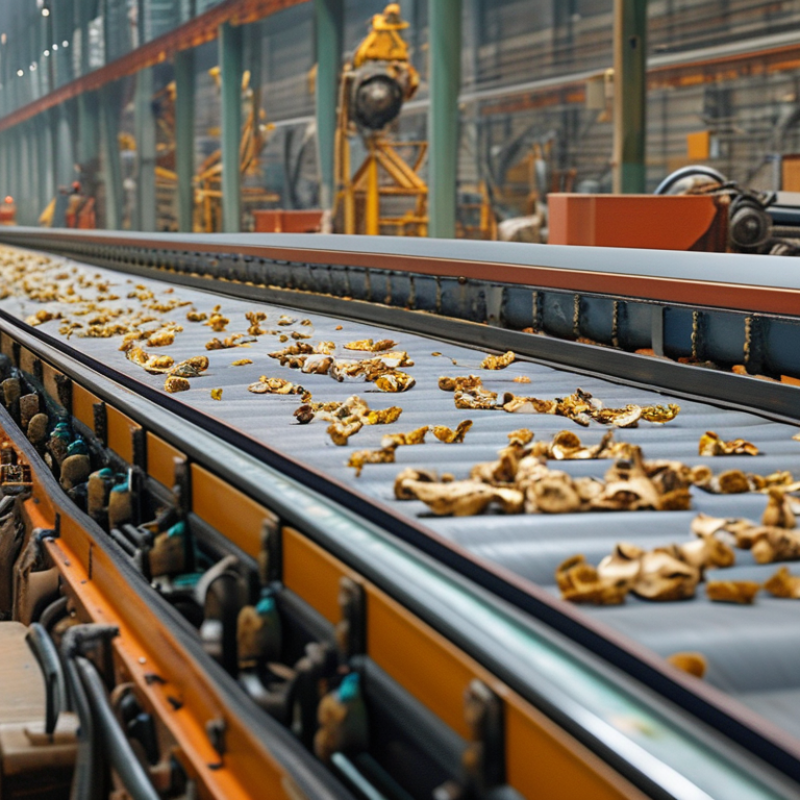
Belt conveyors are vital in many industries, from manufacturing to logistics. Understanding their basics is crucial for optimizing operations. Reports indicate that over 50% of manufacturing processes rely on conveyors for efficiency, highlighting their importance. These systems transport materials swiftly and securely, which minimizes downtime and boosts productivity.
Choosing the right belt conveyor depends on your specific needs. Various factors, such as material type and weight, play a role in this decision. Industry analyses show that selecting an inappropriate conveyor can lead to operational inefficiencies and increased maintenance costs. For example, if the chosen conveyor cannot handle the load, it may cause frequent breakdowns. This situation emphasizes the necessity of careful evaluation.
Different belt materials serve specific functions. For instance, rubber belts are great for heavy loads, while PVC offers flexibility for lighter items. Additionally, understanding space constraints is essential. Conveyors need adequate space for installation and maintenance. Companies often overlook these details, leading to operational challenges. This reflection is crucial for successful implementation and long-term efficiency.
Identifying Your Business Needs for Conveyor Systems
Identifying your business needs for conveyor systems is crucial for efficiency. Start by analyzing your current operations. What materials do you handle? Consider weight, size, and shape. The type of items influences the design of your
Conveyor Conveyor Belt. If you're moving bulk materials, you may need a different solution than if you're handling packaged goods.
Think about your space limitations. A conveyor conveyor belt must fit within your facility. Measure the available area and account for any obstacles. This will help determine the type and layout of your system. Flexibility is essential, too. Your needs may change over time, requiring an adaptable solution.
Consider the speed and capacity required. How fast do items need to move? A high-speed conveyor can boost productivity but may not suit every product. Safety features are also vital. You want a system that minimizes risk to workers. Reflect on these factors as you plan. It’s easy to overlook smaller details, but they can greatly impact performance. Your conveyor system should grow with your business, so choose wisely.
Evaluating Different Types of Belt Conveyors and Their Functions
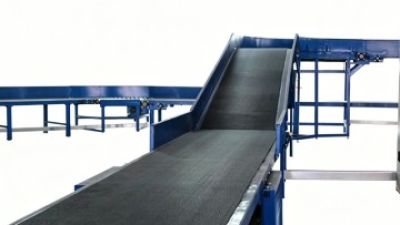
When selecting a belt conveyor for your business, understanding different types is essential. Each conveyor type has unique functions tailored to specific industries. For example, modular belt conveyors are ideal for complex layouts, while inclined belt conveyors allow for elevation changes in material transport.
Tips: Consider the material weight and size you intend to transport. This will determine the conveyor's capacity needs and the type of belt suitable for your operations. Look at the environment as well. Will the conveyor face moisture or extreme temperatures? This influences your choice as well.
Another aspect is the conveyor speed. A slower conveyor may suit certain delicate items, while bulk materials often require faster movement. Reflect on maintenance needs. Simpler systems tend to require less upkeep, but might not offer the flexibility needed for diverse products. Always evaluate how changes in business volume can impact your choices. A conveyor system should evolve with your operations.
How to Choose the Right Belt Conveyor for Your Business? - Evaluating Different Types of Belt Conveyors and Their Functions
| Conveyor Type |
Material Handled |
Belt Width (inches) |
Max Load Capacity (lbs) |
Speed (FPM) |
Primary Function |
| Flat Belt Conveyor |
Boxes, Packages |
12 |
200 |
50 |
Transportation |
| Modular Belt Conveyor |
Food Products, Pallets |
24 |
300 |
60 |
Processing |
| Wire Mesh Belt Conveyor |
Hot Items, Liquids |
18 |
150 |
30 |
Cooling, Drying |
| Heavy Duty Belt Conveyor |
Bulk Materials, Heavy Loads |
30 |
1000 |
40 |
Bulk Handling |
| Cleated Belt Conveyor |
Loose Products, Inclined Transfers |
16 |
250 |
55 |
Elevation |
Assessing Material Characteristics for Optimal Conveyor Selection
When selecting the right belt conveyor for your business, material characteristics are crucial. Understanding the nature of the material you are handling can significantly influence your choice. For instance, bulk materials like gravel require a different conveyor design than delicate items such as packaged goods. Factors like weight and size determine the necessary belt strength and surface texture. A rough-textured belt may be ideal for heavy loads, while a smooth surface is better for lighter, fragile products.
Material properties extend beyond just weight. Consider the moisture content and chemical properties of your materials. Wet materials can cause slippage, while abrasive materials might wear down the belt faster. Assessing these characteristics helps in choosing the right Conveyor Belt Conveyor. If your material tends to clump, a belt with adjustable angles might be the solution. It's essential to evaluate your operations regularly, as changes in material can necessitate adjustments to your conveyor system.
Another aspect to consider is the temperature resistance of the conveyor. Some materials produce heat during transport, which might affect the belt's integrity. A conveyor designed for higher temperatures may be required. Regularly reviewing these requirements can prevent downtime and maintain efficiency. Balancing these materials' properties is a complex yet necessary task. Think about how adjustments can lead to better performance in your system.
Determining Conveyor Length and Width Requirements
Choosing the right length and width for your belt conveyor is crucial. The dimensions directly impact efficiency and productivity. Assessing the materials you will transport is the first step.
Heavy items require different specifications than lighter ones. Utilize the width to accommodate the bulk of your products. If you're moving wider items, adjust the width accordingly.
Determine the length based on your facility layout. A longer conveyor can streamline operations, but it may consume extra space. Measure the distance between loading and unloading zones carefully.
Remember, unused space could lead to inefficiencies. Also, consider future growth; opt for a length that allows for expansion.
Consulting with experienced professionals in the field can be beneficial. They can provide insights into optimal configurations based on real-world applications. It’s important to remember that every facility is unique.
Gather feedback from your team as well. Their hands-on experience can highlight practical needs that may not be obvious initially.
Considering Environmental Factors Impacting Conveyor Design
When choosing a belt conveyor, environmental factors play a critical role in the design and functionality of the system. An essential aspect is the material of construction. For example, the use of a Pu Conveyor Belt can enhance durability in various conditions. According to industry studies, nearly 30% of conveyor failures are linked to inappropriate material choices. This reinforces the necessity of selecting materials that can withstand environmental stressors such as humidity, temperature, and chemical exposure.
Moreover, routing and layout also depend on the environment. In facilities where dust and debris are prevalent, dust-tight and enclosed conveyors may be necessary. Research indicates that conveying systems with better environmental seals can reduce maintenance costs by approximately 25%. This reflects the importance of careful planning and consideration of the surrounding environment when designing the conveyor system. Addressing these factors can lead to enhanced efficiency and longevity of the equipment. Observing the physical location is vital, as extreme weather conditions may pose challenges that require innovative solutions.
In conclusion, environmental factors should not be overlooked. The choice of belt material, such as a Pu Conveyor Belt, and the overall conveyor design can significantly influence operational efficiency. Regular assessments can help businesses adapt to changing environmental conditions and improve system reliability.
Reviewing Costs and Maintenance for Sustainable Conveyor Operations
When evaluating costs and maintenance for belt conveyors, it is crucial to analyze long-term expenses. A recent industry report indicates that conveyor systems can lead to significant savings. Maintenance costs account for about 10-12% of total operational expenses. Ignoring routine checks can lead to more frequent breakdowns, increasing costs significantly.
Sustainability is becoming vital in conveyor operations. Many companies overlook the impact of using an Old Conveyor Belt. Upgrading to energy-efficient models can reduce power consumption by around 20-30%. This change not only lowers operational costs but also supports environmental goals. However, businesses should consider the initial investment versus potential savings.
Regular maintenance is essential to ensure a conveyor's longevity. A survey revealed that companies performing scheduled checks have 25% less downtime compared to those who do not. This emphasizes the need for a proactive approach. Nonetheless, it requires a cultural shift within organizations. In the end, focusing on the correct balance of costs and maintenance strategies can enhance operational efficiency significantly.
Enhancing Efficiency in Mining and Chemical Industries with Industrial Belt Conveyors from Trusted Chinese Suppliers
In the competitive landscape of mining and chemical industries, enhancing operational efficiency is paramount. Industrial belt conveyors play a crucial role in achieving this efficiency by facilitating the seamless transport of materials. These conveyors are specifically designed to handle a range of materials, including lump, powdery, and granular substances, making them versatile for various applications within these sectors.
One of the standout features of modern industrial belt conveyors is their high capacity and stable operation. With advancements in engineering, these systems can be customized to cater to diverse working conditions, which significantly reduces maintenance costs and downtime. The reliability of conveyor systems ensures that operations remain uninterrupted, enhancing productivity and ultimately leading to cost savings.
Moreover, the ability to tailor these conveying solutions to specific operational needs allows companies to optimize their processes effectively. By investing in reliable conveying equipment, mining and chemical industries can focus on their core activities while ensuring a smooth and efficient flow of materials, thereby driving overall growth and success.
FAQS
: Material characteristics determine the conveyor design based on weight, size, and surface texture.
Wet materials may cause slippage, while abrasive materials can wear the belt faster.
A belt with adjustable angles might be necessary to handle clumping materials effectively.
Regular evaluations are essential to adapt to changes in material and maintain efficiency.
Humidity, temperature, and chemical exposure can all influence material choices and system design.
In dusty environments, using dust-tight and enclosed conveyors can prevent maintenance issues.
Some materials produce heat that can affect belt integrity, needing temperature-resistant designs.
Good planning helps address environmental challenges, enhancing efficiency and equipment longevity.
Nearly 30% of failures are due to unsuitable materials that can't withstand environmental conditions.
Improved seals can reduce maintenance costs by about 25% and increase operational efficiency.
Conclusion
When selecting a Belt Conveyor for your business, it’s essential to understand the fundamental concepts of these systems within industrial settings. Begin by identifying your specific needs, as different types of belt conveyors serve various functions. Evaluating the characteristics of the materials you intend to transport plays a critical role in optimal conveyor selection.
Additionally, consider the required length and width of the conveyor to ensure it fits seamlessly into your operations. Environmental factors, such as temperature and humidity, can significantly impact conveyor design and functionality. Finally, reviewing costs and maintenance requirements is crucial for ensuring the sustainability of your conveyor operations, allowing you to make an informed decision that aligns with your business goals.