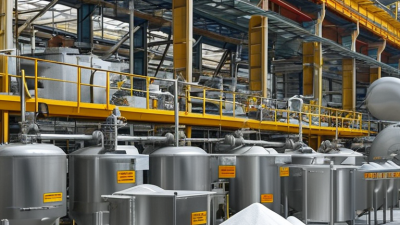
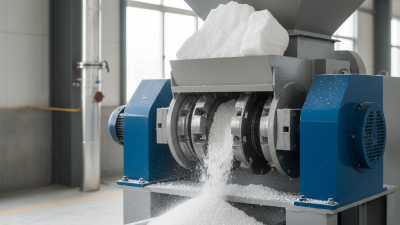
Choosing the right Salt Washer isn’t just about comparing capacity and price — there’s more to consider. When you’re sourcing globally, factors like how far the equipment has to travel, the reliability of the supplier, spare parts availability, and how support is handled during installation all come into play. Something that works really well in coastal areas might not perform so great when used with rock salt, high clay content, or unstable moisture levels in the feed.
Salt-processing engineer David A. Brookes wisely points out, “Wash for purity, but design for recovery.” That’s a key idea especially when you're looking at a Counter Flow Salt Washer. Using counter-current water flow can boost washing efficiency while cutting down on freshwater use, but honestly, how well it works depends on the salt size, impurity levels, how long the material stays in the system, and the quality of the water.
First, start with the material itself. Don't hesitate to ask your suppliers for test results using your actual salt — real data always beats guesswork. Get clear numbers on washing capacity, how much salt gets lost, the moisture content after discharge, and energy usage. And don’t forget to check the parts that come into contact with the salt — stainless steel, protected bearings, corrosion-resistant components — these can really save you headaches down the line, especially in harsh brine environments.
Keep in mind, the cheapest machine upfront might cost you more in the long run. When you're shopping around globally, it makes sense to look into a supplier’s experience, how they handle commissioning, whether they provide proper operator training, and how quickly they respond to technical issues. A supplier that has real installations under their belt is usually a safer bet than just fancy brochure claims. But, honestly, nothing beats testing a machine under real conditions before you commit.
I’d recommend comparing at least three different options — and don’t just take their word for it. Question everything: Does that capacity assume wet or dry salt? Are water, labor, and energy costs included? Can the system handle seasonal fluctuations in your operation?
In the end, a good Salt Washer should fit your specific raw materials, quality goals, site conditions, and long-term plans. Going for the biggest machine isn’t always the answer — it’s about choosing the one that consistently delivers the desired purity, good recovery rates, and manageable maintenance. That’s how you get the best value and peace of mind in the long run.
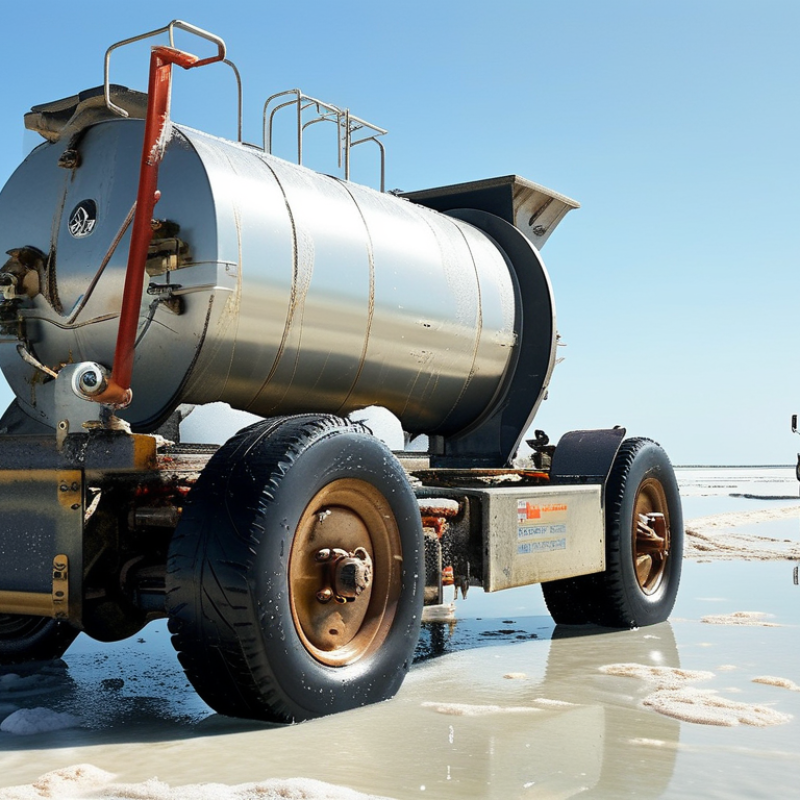
Define the Salt Washing Process and Its Equipment Requirements
Salt washing removes clay, dust, and soluble impurities from raw salt through controlled contact with saturated brine. The process usually starts with screening, followed by measured feeding into a washer. Inside a Salt Countercurrent Washer, clean brine moves opposite to the salt flow. This contact loosens surface dirt without dissolving excessive product. Agitation, residence time, brine density, and temperature directly affect purity and yield. The washed salt then needs dewatering, often through a centrifuge or drainage screen. Moisture matters.
Equipment selection should follow the actual salt analysis, not a catalog capacity. During field evaluations, I check feed size, hourly throughput, target purity, available water, and discharge moisture. The washer should use corrosion-resistant wetted parts and provide inspection access. A closed brine circuit can reduce water use, but it requires filtration, density control, and scheduled purging. Pumps must handle abrasive slurry without unstable flow. Instruments should monitor brine density, motor load, temperature, and moisture. Small details count. A pilot run can reveal plugging, salt loss, or poor washing that a brochure will not show. One weakness remains: laboratory results may not match seasonal feed conditions. Leave adjustment range in the design, especially for variable clay content and crystal size.
Identify Key Salt Washer Types and Their Operating Principles
How to Choose the Best Salt Washer for Global Sourcing?
Salt washers differ in structure, water use, and separation efficiency. A batch tank washer suits smaller, variable feed volumes. Agitators loosen clay and soluble impurities before screening. It is simple, but labor and water demand can rise quickly.
Continuous screw washers provide steadier production. An Industrial Screw Washer moves salt through a trough while paddles or flights create controlled scrubbing. Counter-current designs send cleaner water toward the final washing zone. This improves washing efficiency and limits salt loss. A 2024 U.S. Geological Survey report estimated global salt production at about 270 million metric tons in 2023. That scale makes stable throughput important for international buyers. Small details matter.
When comparing suppliers, request test data using your actual salt size and impurity profile. Ask for residence time, water consumption, chloride concentration in discharge, and final moisture. UN Comtrade trade records also show salt moving across diverse export and import markets, so equipment must suit different utilities and compliance expectations. Stainless steel contact parts may reduce corrosion risks, though material choice depends on brine chemistry. No selection is perfect. I would challenge any claimed recovery rate without a witnessed trial, because overly aggressive washing can dissolve valuable salt. A practical comparison should include screen openings, drive load, spare-part access, and cleaning time. These points often matter more than brochure capacity.
Match Washer Capacity and Design to Your Sourcing Needs
How to Choose the Best Salt Washer for Global Sourcing?
Choosing a salt washer starts with capacity, not catalog appearance. The USGS Mineral Commodity Summaries 2024 estimated global salt production at about 270 million metric tons in 2023. That scale shows why one fixed design cannot suit every sourcing program. A coastal refinery may receive wet, fine salt, while an inland mine may supply harder crystals with more insoluble material. Record feed rate, moisture, particle size, and contamination across several shipments. One sample is not enough.
Match the washer to your real operating window. A compact unit may process 5–10 tonnes per hour, while larger systems can exceed 30 tonnes per hour, depending on salt quality and washing intensity. Ask for tested performance at your target throughput, not the highest brochure figure. Short residence time can leave clay behind. Excessive agitation may break crystals and increase fines. Small details matter. Screen openings, spray pressure, screw speed, and drainage space should reflect your final purity target.
Water use also affects global sourcing costs. The International Energy Agency reports that industrial water efficiency can reduce operating pressure in water-stressed regions, although equipment figures vary by process. Request water consumption per tonne, power demand, and recoverable salt losses. Include corrosion-resistant contact materials and simple access points for cleaning. I would avoid oversizing without evidence; idle capacity still raises capital and maintenance costs. A specification can look precise and remain wrong when seasonal feed conditions change. Validate it with site trials, shipment records, and independent laboratory tests.
Evaluate Material Quality, Durability, and Food-Grade Compliance
When choosing a salt washer for global sourcing, material quality deserves close inspection.
Salt and moisture can attack weak metal quickly. Look for corrosion-resistant stainless steel, suitable for continuous contact with brine. Ask for the exact material grade, not simply “food-grade steel.” Inspect welds, corners, screens, and drainage areas for cracks or salt traps. Smooth, polished surfaces are easier to clean and less likely to retain residue.
Durability depends on more than a thick frame.
Check the washer’s load capacity, motor protection, bearing design, and sealing system. Request test records for vibration, continuous operation, and corrosion exposure. Review maintenance intervals and spare-part availability before signing a contract. Small details matter. A poorly sealed bearing can stop production after repeated washing cycles. Supplier audits, factory photos, and sample inspections can reveal differences between drawings and actual equipment.
Food-grade compliance must be supported by documents.
Request declarations for product-contact materials, coating safety, seals, lubricants, and electrical components. Confirm whether the documentation matches your destination market, because requirements differ across regions. Traceable material certificates and cleaning procedures strengthen supplier credibility. Yet paperwork is not proof of every production detail. A specification sheet may look reassuring while hiding rough welds or unverified components. An independent inspection is often worthwhile. No checklist is perfect, and buyers should review their assumptions after testing a real salt sample.
Compare Energy Use, Maintenance Needs, and Total Ownership Costs
Choosing a salt washer for global sourcing starts with measured operating data, not brochure capacity. The U.S. Department of Energy advises evaluating motor systems through real load profiles and operating hours. A 5.5 kW wash pump running eight hours daily, for 300 days, uses about 13,200 kWh yearly. Add heaters, conveyors, pumps, and compressed air. The energy bill becomes a sourcing issue. The IEA’s Energy Efficiency 2023 report also identifies industrial efficiency as a major route to lower operating costs.
Maintenance changes the calculation. Inspect spray nozzles, screens, bearings, seals, and wash-water filters. Salt can accelerate corrosion when cleaning is delayed. Ask suppliers for service intervals, spare-part prices, cleaning access, and technician response times. A cheaper washer may need more frequent screen replacement. That difference can quietly exceed the purchase-price gap. The awkward truth is that precise savings remain difficult without local electricity, labor, water, and disposal rates. Build three scenarios instead of trusting one estimate.
Tips: Request a 30-day pilot using comparable material, including Redmond Sea Salt. Record kWh per tonne, water use, downtime, and salt loss. Compare the results with the supplier’s guaranteed figures. Use total ownership cost: purchase price, installation, energy, water, labor, parts, planned maintenance, and unplanned stoppages. Keep a contingency allowance. Real plants rarely perform perfectly.
Verify Supplier Reliability, Customization Options, and After-Sales Support
Choosing the best salt washer for global sourcing requires more than comparing equipment prices. Supplier reliability should be tested through factory audits, reference checks, and documented performance data. Request a factory acceptance test using your salt grade, not a generic sample. Check washing capacity, moisture after dewatering, corrosion resistance, and power requirements. The World Bank’s 2023 Logistics Performance Index shows that customs, infrastructure, and shipment reliability strongly affect international supply chains. A dependable supplier should provide export records, traceable components, inspection reports, and realistic delivery dates.
Customization matters when raw salt varies by region. Ask whether the washer can handle different crystal sizes, impurities, water quality, and production volumes. Food-contact materials should have appropriate compliance documentation. If your process also handles Salt Substitutes, confirm compatibility before signing. Include wastewater controls, sensor calibration, voltage standards, and remote monitoring in the technical specification. Small omissions become expensive later.
After-sales support is often the real differentiator. Require spare-parts lists, installation training, troubleshooting procedures, and response-time commitments. A useful service agreement should define local technician access and warranty exclusions clearly. WHO’s 2023 global sodium report links salt reduction with growing interest in reformulation, so flexible washing and dosing systems may protect future production choices. Still, I would not trust impressive brochures alone. Ask for operating data from comparable installations, even if the supplier cannot disclose customer names. One overlooked weakness remains possible. That is why a staged order, independent inspection, and performance acceptance clause are sensible safeguards.
How to Choose the Best Salt Washer for Global Sourcing?
Recommended procurement scorecard weights for comparing salt washer suppliers
Supplier reliability receives the highest weighting because stable quality, delivery consistency, and production capacity directly affect business continuity. Customization options cover material selection, washing capacity, automation, and regional electrical requirements. After-sales support includes installation assistance, spare-parts availability, training, and response capability. Use these weights as a transparent starting point and validate each supplier with documented evidence.
FAQS
Choose corrosion-resistant stainless steel with a documented grade for food-contact environments. Ask for certificates. “Food-grade steel” alone is too vague. Check welds, corners, screens, and drains for cracks or trapped salt.
Look for smooth, polished surfaces that clean easily and retain less residue. Examine welds closely. Rough joints may collect moisture and salt. Photos help, but physical inspection reveals more.
Review load capacity, motor protection, bearing design, seals, and corrosion resistance. Request vibration and continuous-operation test records. A weak bearing seal can stop production after repeated washing cycles. Thicker metal alone proves little.
Request declarations for product-contact materials, coatings, seals, lubricants, and electrical components. Confirm the documents match your destination market’s requirements. Traceable material certificates improve confidence. Paperwork cannot prove every hidden detail.
Arrange a factory audit, reference check, and acceptance test using your actual salt grade. Measure washing capacity, moisture after dewatering, power use, and corrosion performance. Generic samples may mislead you. Test the real material.
Confirm compatibility with different crystal sizes, impurities, water quality, and production volumes. Include wastewater controls, sensor calibration, voltage standards, and remote monitoring. Small omissions become expensive later. Plan carefully.
Check export records, traceable components, inspection reports, and realistic delivery dates. Review customs, infrastructure, and shipment reliability. A low equipment price may hide delays or support gaps. Cheap is not always efficient.
Require spare-parts lists, installation training, troubleshooting procedures, and response-time commitments. Define local technician access and warranty exclusions clearly. Ask for operating data from comparable installations. Brochures can look perfect.
Use a staged order, independent inspection, and a performance acceptance clause. Review assumptions after testing a real salt sample. No checklist is perfect. Unexpected weaknesses remain possible.
Conclusion
Choosing the best Salt Washer for global sourcing requires more than comparing purchase prices. Start by understanding the washing process, including impurity removal, salt flow, water use, and the required separation or dewatering steps. Different washer types operate in different ways, so their working principles should be matched with your salt grade, throughput, moisture target, and production conditions. Capacity, layout, automation, and adaptability are also important when planning for current demand and future expansion.
A reliable Salt Washer should be built with durable, corrosion-resistant, food-contact-appropriate materials and designed for hygienic operation. Buyers should compare energy and water consumption, cleaning access, maintenance frequency, spare-part availability, and total ownership costs rather than focusing only on the initial investment. Supplier evaluation is equally essential: confirm manufacturing capabilities, quality documentation, testing procedures, customization support, installation guidance, and responsive after-sales service. A well-matched system can improve product consistency, operating efficiency, and long-term sourcing security.