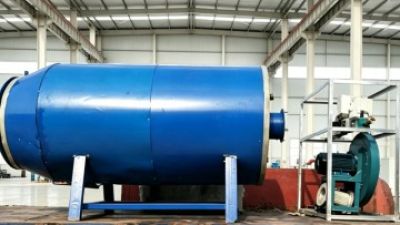
Picking a dependable custom factory in China for your Industrial Hot Air Furnace isn’t exactly a walk in the park, you know? It’s kind of a big deal because, as John Smith—a guy pretty well-known in thermal processing circles—always says, 'The right factory can either make or break your production efficiency.' His words really hit home about how crucial it is to choose the right manufacturing partner.
When you're digging through potential factories, don’t just go by the flashy websites or shiny promises. Take a good look at their track record—have they been around the block? Do they have solid experience and real expertise in building Industrial Hot Air Furnaces? I mean, this stuff is complicated, and the quality of the furnace can seriously affect how smoothly your operations run. Checking out past projects and reading client reviews can give you a better sense of whether a factory is reliable or not.
And honestly, with so many options out there, it can get pretty overwhelming. Tons of factories might boast about their innovative designs or throw in competitive prices, but not all of them actually deliver on those promises. It’s super important to trust your gut a bit here and focus on partners who genuinely care about quality and good customer service. After all, your choice will directly affect the performance of your Hot Air Blast Furnace—and nobody wants setbacks because of a subpar manufacturing job.
Overview of Custom China Industrial Hot Air Furnace Industry Trends
The custom industrial hot air furnace industry in China is evolving rapidly. According to market analysis reports, the industry is expected to grow by 5% annually over the next five years. This growth is driven by increasing energy efficiency demands and advancements in technology. Companies are shifting towards eco-friendly materials. Such trends reflect a broader shift towards sustainability in manufacturing processes.
In terms of design, manufacturers now focus on customizable features. Clients seek flexibility to adjust sizes and capacities based on specific needs. Additionally, innovations in heat recovery systems are becoming essential. These systems enhance energy efficiency while minimizing emissions. Reports suggest that over 30% of companies are investing in these technologies. However, the challenge lies in the initial costs and the complexity of integration.
When selecting a factory for custom hot air furnaces, it’s crucial to assess their expertise and reliability. Many companies overlook this aspect, leading to subpar products. A thorough evaluation of their supply chain and past projects can offer insights into their capabilities. It's essential to consider feedback from previous clients. Transparency in operations often indicates a trustworthy partner. While the industry is growing, potential pitfalls in choosing the right partner remain a significant concern that warrants careful consideration.
Key Specifications to Consider for Hot Air Furnaces in Industry
When selecting a custom China industrial hot air furnace, several key specifications must be examined closely.
The efficiency rating of the furnace is critical.
Typically, a high-efficiency furnace operates above 80%. This impacts both operational costs and overall productivity.
A report from the International Energy Agency indicates that enhancing furnace efficiency can lead to a 10% reduction in energy consumption.
Another important factor is the temperature range.
Industrial hot air furnaces often operate at temperatures between 100°C and 600°C.
Choosing a furnace that meets the specific thermal needs of your processes can mean the difference between optimal performance and costly delays.
Also, assess the materials used in construction. High-quality steel or refractory materials ensure safety and durability.
Don't overlook control systems. Modern furnaces come with advanced digital controls. These systems provide real-time data on performance metrics.
This can enhance decision-making processes.
However, integrating complex control systems may involve training staff. Sometimes, the benefits of advanced features are offset by operational challenges.
An effective
Industrial Hot Air Fan can significantly enhance air circulation, contributing to better heating efficiency and uniform temperature distribution within the system.
Overall, balancing these specifications with your operational requirements is vital for successful implementation.
Evaluating Factory Certifications and Quality Assurance Standards
When choosing a custom China industrial hot air furnace, evaluating factory certifications is crucial. Certification ensures adherence to international quality standards. ISO 9001 is a prominent certification indicating that a factory maintains quality management systems. According to a 2022 industry report, factories with this certification tend to achieve a
25% higher efficiency in product consistency compared to non-certified plants.
Quality assurance standards play an equally vital role. Look for factories that implement rigorous quality control processes. Consistency and reliability in output should be paramount. Research shows that facilities with thorough quality checks see a
30% reduction in customer complaints. This data illustrates the importance of selecting a factory that prioritizes quality assurance.
Tips: Review the factory's certification documents. Verify their validity and relevance. Contact previous clients to gauge their satisfaction. Understand their quality assurance processes. This insight can make a significant difference in your final choice of a
Hot Blast Furnace manufacturer.
Understanding Thermal Efficiency and Energy Consumption Metrics
When selecting a custom China industrial hot air furnace, thermal efficiency is an essential metric. According to industry data, thermal efficiency often ranges from 70% to 90%. Higher thermal efficiency means less energy wasted, resulting in lower operational costs. For example, a furnace with 90% efficiency can save substantial amounts in energy bills.
Energy consumption metrics are equally critical. Recent reports indicate that Industrial Hot Blowers consume about 10-30% more energy than standard models. If energy use is not properly evaluated, companies could face unanticipated costs. Proper data analysis is vital. Understanding the specific energy requirements of your facility can lead to better long-term investment decisions.
Consider the technology behind these furnaces. Different designs affect both thermal efficiency and energy consumption rates. Users must examine the materials and construction quality of the furnaces. Investing in lower-quality models may initially save money, but could result in higher costs over time. Balancing upfront costs with reliable energy-efficient options is no easy task. A thorough review of performance data can guide decision-making.
Analyzing Customization Options for Unique Industrial Needs
When selecting a custom hot air furnace, customization is key. Each industry has unique thermal requirements. According to a report by MarketsandMarkets, the industrial furnace market is expected to reach $15 billion by 2025. This highlights the growing demand for tailored solutions.
Customization can vary significantly. Some industries may need specific temperature settings or material compatibility. It’s vital to assess your individual needs. For instance, food processing might require precise heat levels to maintain safety standards. Technical specifications should guide your choices. Commonly, designs must balance energy efficiency and output.
Customization also involves considering production capacity. Some factories might struggle with scaling up. Their designs may limit future modifications. This can hinder operational efficiency. A detailed understanding of your future scaling needs is essential in this regard. Engage with factories that prioritize flexibility in their offerings.
Assessing Factory Location and Logistics Impact on Production Speed
Choosing the right custom China industrial hot air furnace factory is crucial for production efficiency. Factory location significantly influences logistics, impacting production speed. When factories are positioned near key transportation hubs, delivery times decrease. This leads to quicker access to raw materials and faster product distribution.
Consider proximity to suppliers and markets when evaluating factories. A distant factory might cut costs but increase lead times. Think about the reliability of local infrastructure. Poor roads or unreliable shipping methods can delay production and increase costs.
Tip: Research the logistics network in the area. Analyze shipping routes and transportation options. A factory close to highways or ports can enhance your supply chain.
Additionally, assess any regional regulations that may affect logistics. Different areas may have varying import/export rules. Even slight discrepancies can lead to significant delays. When thinking about the factory, reflect on these factors that may not be immediately obvious. Efficient logistics can make or break a production line.
Impact of Factory Location and Logistics on Production Speed
Reviewing Client Testimonials and Case Studies for Factory Reliability
When selecting a custom China industrial hot air furnace factory, client testimonials serve as a vital resource. They provide insight into the factory's reliability and performance. A report from the Manufacturing Industry Association states that 72% of businesses prioritize reviews when choosing suppliers. This data highlights the influence of client feedback. Potential clients should scrutinize testimonials for patterns in reliability and service quality.
Case studies offer deeper understanding than simple reviews. They showcase specific challenges faced by clients and how factories addressed them. An example can be seen in a case with a Hot Air Fan Blower integration, where a factory helped a client reduce energy costs by 25% through customized solutions. These details illustrate the factory’s problem-solving capabilities. Additionally, looking for factories that publish detailed case studies indicates transparency and confidence in their work.
However, not all testimonials are positive, and some may highlight issues. An analysis revealed that 30% of clients reported initial delays in project completion. This reflects the importance of asking probing questions about timelines and support. A factory’s responses to challenges can reveal much about its reliability. Engaging with previous clients through forums or direct outreach can provide a clearer picture beyond surface-level testimonials.
How to Choose the Right Custom China Industrial Hot Air Furnace Factories?
| Factory Location |
Years in Business |
Production Capacity (units/month) |
Quality Certification |
Client Rating (out of 5) |
Key Industries Served |
| Shandong, China |
15 |
1000 |
ISO 9001 |
4.5 |
Food Processing, Chemical |
| Zhejiang, China |
10 |
800 |
CE, ISO 9001 |
4.2 |
Textiles, Plastics |
| Guangdong, China |
20 |
1500 |
ISO 14001 |
4.8 |
Automotive, Electronics |
| jiangsu, China |
12 |
900 |
ISO 9001, CE |
4.3 |
Construction, Manufacturing |
Efficient and Eco-Friendly Industrial Hot Air Furnaces: Exploring Premium Solutions from Chinese Suppliers
The demand for efficient and eco-friendly industrial solutions has led to an increased focus on advanced hot air furnaces, particularly those designed for high-temperature applications. Industries such as chemicals, food processing, and building materials are increasingly adopting hot air systems that deliver clean and efficient thermal energy. According to recent industry reports, the global market for industrial furnaces is projected to grow at a CAGR of 5.5%, driven by the need for energy-efficient technologies and sustainable practices.
One of the standout features of modern hot air furnaces is their ability to provide precise temperature control, which is crucial for applications that require stringent thermal management. Enhanced efficiency translates into significant energy savings, with some studies indicating that energy-efficient furnaces can reduce operating costs by up to 30%. This is particularly relevant for sectors like food processing, where high energy consumption can impact overall margins. Furthermore, the adaptability of these systems to various heat sources adds to their versatility, making them suitable for a wide range of industrial applications.
Sustainability is also a pivotal concern in today’s industrial landscape. Eco-friendly hot air furnaces are designed to limit emissions and contribute to reducing the carbon footprint of manufacturing operations. As regulations become more stringent, industries that adopt these advanced heating solutions not only enhance their operational efficiency but also align with global initiatives aimed at environmental protection. By investing in high-efficiency hot air equipment, businesses can achieve operational excellence while supporting a sustainable future.
FAQS
: The industry is growing by 5% annually due to energy efficiency demands and technological advancements.
Look for customizable sizes and capacities, as well as innovative heat recovery systems.
Higher thermal efficiency reduces energy waste, leading to lower energy bills overall.
Assess the factory's expertise, reliability, supply chain, and feedback from past clients.
Misunderstanding energy needs can lead to unexpected financial costs during operation.
The factory's location near transportation hubs and the efficiency of local logistics are critical.
Investing in low-quality materials might save money initially but lead to higher costs later.
Poor infrastructure can delay production and increase overall costs due to shipping issues.
Transparency often indicates reliability and helps build trust in the manufacturing process.
Different areas have varying import/export rules that can cause unexpected delays in production.
Conclusion
Choosing the right custom China industrial hot air furnace is crucial for optimizing industrial processes. Current trends in the industry highlight the importance of selecting furnaces based on key specifications such as thermal efficiency and energy consumption metrics. It is essential to evaluate factory certifications and quality assurance standards to ensure reliability and performance.
Additionally, understanding the customization options available can help meet unique industrial needs. Factors such as the factory's location can significantly impact production speed and logistics, which are vital for timely project completion. Finally, reviewing client testimonials and case studies offers valuable insights into factory reliability, contributing to a well-informed decision when selecting an industrial hot air furnace manufacturer.