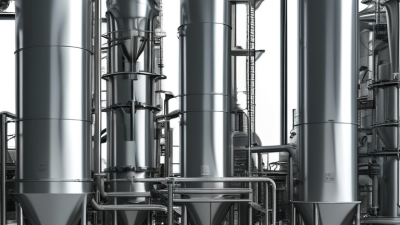
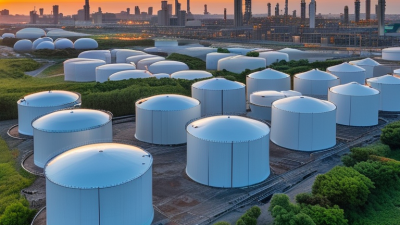
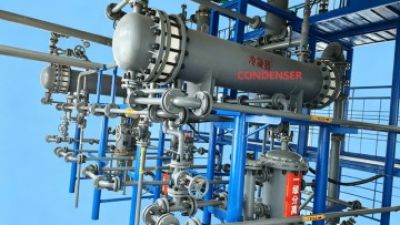
Picking the right Bromine Extraction equipment can make a pretty big difference in how smoothly your operations run. It’s not just about efficiency—it also touches safety and how much you end up spending. Honestly, too many folks overlook just how important specialized gear is. It’s super important to get a good handle on what's out there in the market.
When you're choosing bromine extraction equipment, think about what you actually need. Different projects might call for different machines. I know scrolling through all the options — tech specs, features — can get downright overwhelming. That’s where chatting with experts really helps. They often point out little details and nuances that you might miss just from reading product descriptions.
Ultimately, your pick should tick both boxes: it needs to work well and be reliable. Every piece of equipment has its pros and cons. Something that’s perfect for one operation might not be ideal for yours. So, take your time, weigh your options carefully, and find what’s really the best fit for your specific needs.
Factors to Consider When Selecting Bromine Extraction Equipment
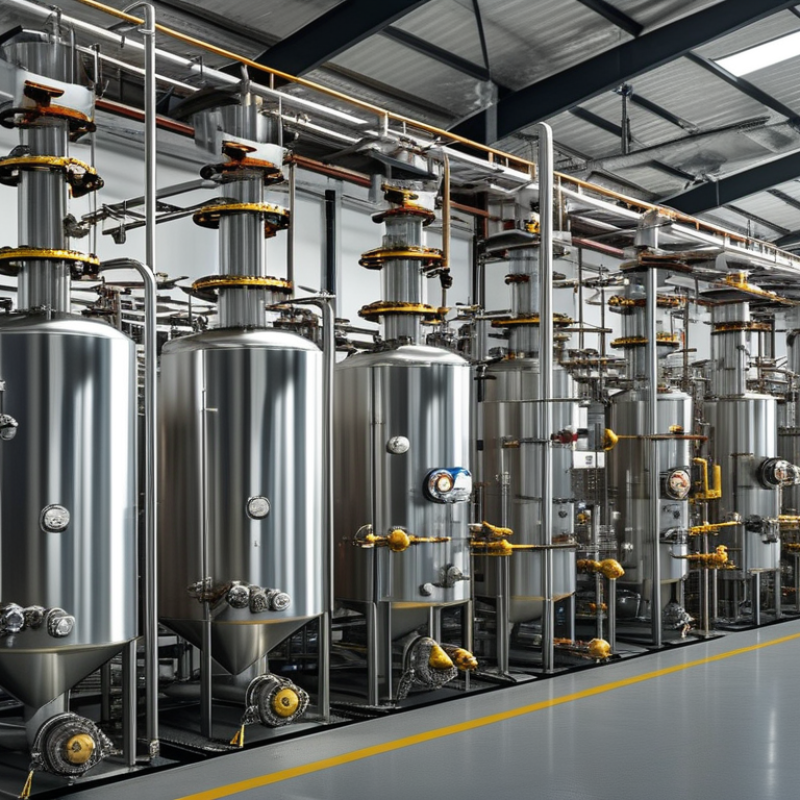
When selecting bromine extraction equipment, several factors are crucial to ensure efficiency and safety. The material used in construction significantly impacts the durability and effectiveness of the equipment.
Stainless steel, for instance, is often preferred due to its corrosion resistance. According to a recent industry report, equipment made from high-grade materials can last up to 20 years, reducing long-term costs.
Another important aspect is capacity. The extraction equipment should match the scale of production. A system that is too small will lead to bottlenecks. Conversely, oversized equipment may waste resources.
Operators should analyze production goals and choose machinery designed for their specific output needs.
Consider the technology used in the extraction process as well. Advanced systems can provide better recovery rates and reduce energy consumption. It's essential to stay updated with the latest advancements in extraction techniques.
Industry experts recommend that businesses review data from recent studies to make informed choices.
For optimal results, evaluate your facility’s layout. Ensure that the equipment fits the designated area with appropriate access for maintenance. This prevents operational downtime.
Always seek feedback from experienced users and industry professionals. Their insights can aid in avoiding common pitfalls.
Types of Bromine Extraction Methods Available in the Market
Bromine extraction methods vary widely in their efficiency and technology. Understanding these types can help in selecting the best equipment. One common method is the Hot Air Extraction System. This approach utilizes heated air to evaporate bromine from organic material, making it energy-efficient and relatively straightforward.
Another popular technique is direct extraction with solvents. This method involves using various solvents to dissolve bromine, which is then separated from the mixture. While effective, this can be complex. Users may face challenges such as solvent recovery and ensuring the purity of the extracted bromine.
When considering bromine extraction equipment, think about scalability. Will the method meet future demands? Alternatively, assess the environmental impact. Some methods require significant energy, which can be costly. A balance between efficiency and sustainability is crucial. Experimenting with different methods may reveal unexpected results.
Key Specifications and Features of Effective Bromine Extraction Equipment
When selecting bromine extraction equipment, key specifications play a vital role in efficiency and safety. The ideal equipment should incorporate advanced separation technologies to maximize yield. Reports suggest that optimizing extraction processes can lead to a yield increase of up to 30%. Effective equipment must also feature robust safety protocols. According to industry standards, a reliable design includes pressure relief systems to prevent hazardous leaks.
Operational efficiency is another critical factor. Equipment should have a streamlined design for easy maintenance. Regular maintenance is crucial; a study indicates that 40% of downtime is attributed to equipment failure caused by neglect. Consider the energy consumption ratings as well. Energy-efficient models can significantly reduce operational costs.
Additionally, the choice of materials in construction impacts durability. Corrosion-resistant materials extend the lifespan of the equipment. It's important to weigh the initial investment against long-term benefits. Many facilities overlook this aspect and face higher replacement costs sooner than expected. Balancing cost, efficiency, and safety standards is essential for making the right choice.
How to Choose the Best Bromine Extraction Equipment?
| Specification |
Description |
Importance |
| Capacity |
The volume of bromine that can be processed, typically measured in liters per hour. |
Essential for meeting production demands. |
| Material |
Corrosion-resistant materials are preferred due to bromine's reactive nature. |
Affects longevity and maintenance costs. |
| Efficiency |
Measures how effectively the equipment separates bromine from raw materials. |
Higher efficiency reduces waste and increases yield. |
| Safety Features |
Includes ventilation systems, pressure relief, and emergency shut-off controls. |
Critical for ensuring operator safety and compliance with regulations. |
| Modularity |
Equipment that can be easily expanded or modified for changing needs. |
Increases adaptability to different operational conditions. |
| Maintenance Requirements |
Frequency and ease of maintenance activities required to keep the equipment running. |
Affects operation costs and downtime. |
Comparative Analysis of Different Bromine Extraction Technologies
The process of bromine extraction can vary significantly based on the technology used. A comparative analysis highlights several methods: vacuum distillation, solvent extraction, and ion exchange. Each method has unique benefits and challenges. For instance, vacuum distillation offers high purity but can be energy-intensive. In contrast, solvent extraction provides efficiency but requires careful handling of chemicals.
Recent data suggests that the global bromine market could reach $5 billion by 2025, emphasizing the need for efficient extraction technologies. However, companies must weigh factors such as operational costs, environmental impact, and equipment reliability. Many extraction processes lead to waste, which necessitates meticulous evaluation. Choices made today can impact profitability and sustainability.
When choosing the right bromine extraction equipment, consider Washed Salt Equipment as a reliable choice for minimization of waste. An efficient selection process improves overall output and reduces long-term costs. Take time to evaluate equipment specifications, like energy consumption and maintenance needs. Small adjustments can lead to significant improvements in extraction efficiency and sustainability.
Comparison of Bromine Extraction Technologies
Cost-Effectiveness and Budgeting for Bromine Extraction Equipment
When budgeting for bromine extraction equipment, cost-effectiveness is essential. Understand your specific needs before making a purchase. Research various options and consider maintenance costs. Equipment quality influences long-term expenses. Always compare manufacturers and suppliers. Sometimes, lower upfront costs lead to higher repairs down the line.
Evaluate your production scale. Larger operations may require more extensive systems. Investing in advanced technologies can streamline your processes. However, don’t overlook simpler setups. They might offer more value for smaller endeavors. Also, factor in training expenses if the equipment is complex.
Tips for cost management include seeking used or refurbished equipment. Inspect all options carefully to avoid hidden issues. Consider integrating Salt Washing Equipment into your process. It could enhance efficiency and lower costs over time. Establish a budget range, and remain flexible. Prioritize long-term savings over immediate expenses.
Maintenance and Durability Considerations for Bromine Extraction Units
When selecting bromine extraction equipment, maintenance and durability are crucial factors. Regular upkeep can significantly extend the lifespan of these units. Industry reports indicate that improper maintenance can reduce operational efficiency by up to 30%. Regular inspections of mechanical components, seals, and connections help identify potential issues early. This proactive approach prevents unexpected downtime and manages repair costs effectively.
Durability hinges on the materials used in construction. High-quality equipment should resist corrosion and withstand harsh chemical environments. A 2021 study showed that units with robust corrosion-resistant materials have a lifespan of over ten years. Conversely, inferior models often fail within five years. Investing in equipment with proven durability not only ensures long-term operational reliability but also aligns with sustainability goals.
Additionally, operators should consider integration with Vacuum Drying Equipment, as these technologies complement bromine extraction. Effective drying techniques can optimize the extraction process. However, reliance on outdated equipment may neglect advancements in energy efficiency and output. Often, companies find themselves using systems that no longer meet industry standards, leading to reduced productivity. This reflection drives the need for regular equipment reassessment to maintain competitiveness.
Evaluating Manufacturer Reputation and Support Services in Equipment Choice
Choosing the right bromine extraction equipment is crucial. A major factor in this decision is the reputation and support services of the manufacturer. Industry data shows that 70% of companies prioritize vendor reliability when selecting equipment. A company's reputation reflects not only its product quality but also its customer service capabilities.
Support services are often overlooked but are vital for smooth operations. A study highlighted that 65% of equipment failures stem from inadequate maintenance support. Manufacturers that offer comprehensive training and immediate technical assistance can enhance equipment longevity. These aspects help companies avoid potential downtime and costly repairs.
It’s essential to examine customer reviews and case studies. Engaging with industry peers can provide insight into their experiences. While positive feedback is reassuring, scrutinizing negative reviews can reveal weaknesses. Companies often appreciate the need for transparent communication regarding equipment performance issues. Manufacturers who address concerns openly tend to build stronger client relationships. This transparency can greatly influence the decision-making process.
Innovative High-Efficiency Units for Optimal Bromine Extraction: A Guide to China's Leading Suppliers and Factories
In the fast-evolving field of bromine extraction, optimizing processes for efficiency and effectiveness is paramount. Leading manufacturers in China have developed innovative high-efficiency units that significantly enhance bromine extraction operations. These advanced condensation and separation units cater specifically to the bromine extraction industry, ensuring that operations run smoothly and produce high yields.
The design of these units prioritizes reliability and performance, making them essential components for facilities engaged in bromine extraction. With their state-of-the-art technology, these systems streamline the extraction process, allowing companies to maximize output while reducing operational costs. By adopting these units, businesses can not only advance their productivity but also ensure compliance with industry standards and practices.
As companies seek to improve their extraction methodologies, investing in these high-efficiency condensation and separation units becomes a crucial step toward achieving optimal results in bromine extraction. Emphasizing advanced engineering and robust performance, these systems represent the forefront of innovation in the industry, positioning manufacturers for success in a competitive market.
FAQS
: Material, capacity, technology, and facility layout are key factors. Quality materials ensure durability, while capacity must match production goals.
The material affects durability and corrosion resistance. High-grade materials can extend equipment life, saving long-term costs.
Small equipment can create bottlenecks; oversized equipment wastes resources. Matching size to production scale prevents these issues.
Advanced technology improves recovery rates and reduces energy consumption. Staying updated on advancements ensures optimal performance.
Proper fit and maintenance access prevent operational downtime. A well-planned layout supports efficient extraction processes.
Understanding specific needs and long-term costs is vital. Comparing options helps avoid costly repairs from low-quality equipment.
Factor in training expenses and support services. Proper training can prevent misuse and enhance equipment effectiveness.
A strong reputation indicates quality and reliability. Support services are crucial for maintenance and can prevent downtime.
Reviews offer insights into product performance and manufacturer reliability. They can highlight potential weaknesses and strengths.
Consider used or refurbished options. Ensure thorough inspections to avoid hidden issues and prioritize long-term benefits over immediate costs.
Conclusion
When selecting the best Bromine Extraction Equipment, it is crucial to consider several factors that affect both efficiency and overall performance. Key aspects include the types of extraction methods available, such as distillation or dissolution, and the specifications of the equipment, which determine its suitability for specific applications. A comparative analysis of different technologies helps in understanding their effectiveness, while evaluating cost-effectiveness and budgeting is essential to ensure that operational expenses align with business objectives.
Additionally, maintenance and durability should not be overlooked; reliable equipment minimizes downtime and repair costs. Lastly, assessing the reputation of manufacturers and the support services they provide can significantly impact the long-term success of the investment in bromine extraction equipment. By considering these elements, businesses can make informed decisions that enhance their extraction processes and productivity.