So, you're on the hunt for Belt Conveying Equipment in 2026? Well, it's not just about picking a belt width or motor rating – that's the easy part. The real deal is all about the material you're hauling, the route it's taking, how much you need to move per hour, and the kind of environment it'll be working in. Take granular ore – that's a whole different beast compared to damp fertilizer, or even delicate packaged goods. Each one puts its own kind of pressure on the belt surface, the loading points, and those transfer chutes. So yeah, it's a bit of a balancing act. You'd think a short conveyor wouldn't have much to worry about, but honestly, even those can run into trouble when material piles up under a return roller or spills over at a loading zone that's not aligned quite right. It's the little things that really matter, you know? This guide is here to walk you through comparing conveyor types, belt materials, drive systems, safety features, and maintenance needs—using practical criteria that actually make sense in real life.
You also have to think about energy use, automation readiness, installation constraints, and the total cost of ownership—because the sticker price rarely tells the whole story. Before you even ask for a quote, make sure you know your required capacity, incline, belt speed, ambient conditions, cleaning method, and how often you'll run it. And don't be shy about asking suppliers for technical data—if you have unusual loads or frequent washdowns, spell that out. Otherwise, you might end up paying for assumptions you didn't even know you made. Honestly, there's no one-size-fits-all solution for every plant. Look, a conveyor that works great in a dry warehouse might need totally different parts if there's heat, dust, or moisture around. And let's be honest – some of those choices just stay uncertain until you actually go do a site survey or run a material test. That's something we should admit. Because it's not about chasing the flashiest new feature – it's about matching verified performance to the real conditions you've got, and making sure you've got room for sensible maintenance down the road.
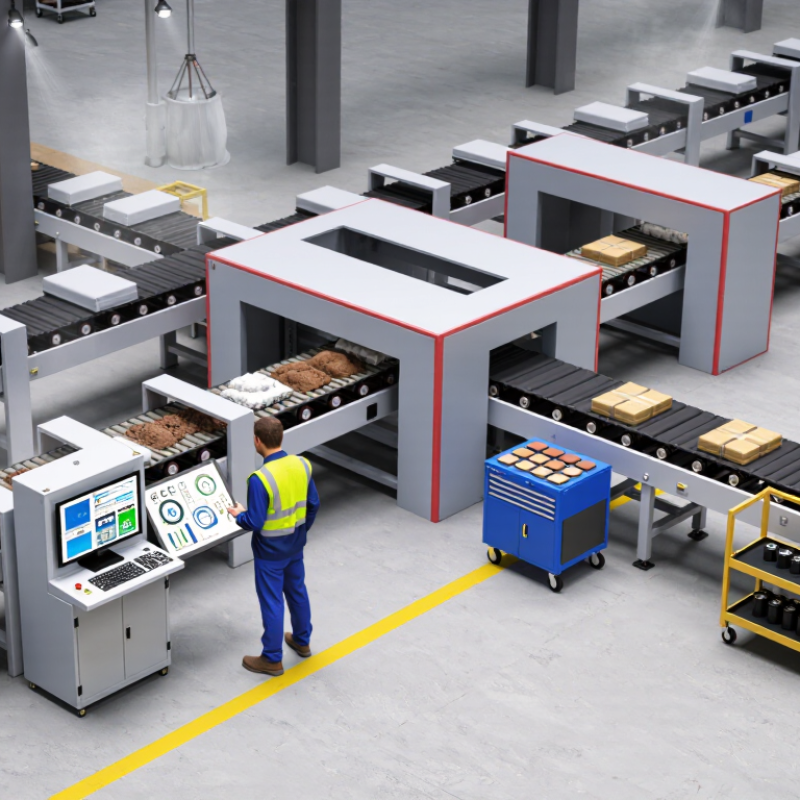
Choosing belt conveying equipment starts with a clear description of the material and the job. Record its bulk density, lump size, moisture, temperature, and abrasiveness. Note whether feed arrives steadily or in sudden surges. Small details matter. A damp, fine powder may cling to a belt, while coarse pieces can strike hard at the loading point.
Set operating goals that can be checked on site. Define peak throughput, conveying distance, elevation change, operating hours, and acceptable spillage. Size for realistic peak demand, not just an average that looks tidy on paper. Consider how the belt will start under load and how operators will clear blockages. These estimates are rarely perfect; verify them with actual samples and production data when possible. For Washed Salt Equipment, assess residual moisture and the washdown routine, then specify materials and components suited to that exposure. Include access for cleaning, belt tracking checks, and replacement of wear parts. A design that meets capacity but is difficult to inspect may create avoidable downtime.
A reliable belt conveyor starts with a careful site assessment, not a capacity chart alone. Walk the route and note floor slopes, columns, doorways, and maintenance access. A difference of a few centimeters can affect transfer points or require extra supports. Measure twice. Check where material will be loaded and discharged, including space for safe cleaning and belt replacement.
Environmental conditions shape the conveyor design. Outdoor routes may face wind, rain, freezing temperatures, or direct sun. Indoors, dust, humidity, and washdown water can affect belt materials, rollers, bearings, and electrical components. In areas near Salt Washing Equipment, salt residue and frequent rinsing deserve special attention. Ask how drainage works and whether water can collect beneath the frame. Small details matter.
Consider the full layout, not just the straight sections. Curves, elevation changes, and tight transfer points may increase spillage or wear. Leave room for guards to open and technicians to reach inspection points. A site plan is useful, but it can miss uneven floors and nearby equipment that shifts during production. Verify critical dimensions on site, and record any assumptions that still need checking. That extra review may feel slow, yet it can prevent costly changes after installation.
| Assessment dimension | What to check | Example site information | Equipment and design implications |
|---|---|---|---|
| Material and throughput | Material type, bulk density, particle size, moisture, abrasiveness, lump size, and required capacity. | Dry aggregate; bulk density about 1.6 t/m³; nominal flow 250 t/h; occasional larger lumps. | Size belt width and speed for the required flow; check belt, chute, idler, and impact-area suitability against material properties and loading conditions. |
| Route length and elevation | Horizontal distance, lift or descent, changes in elevation, and the conveyor profile. | A 90 m route with a 12 m rise and two direction changes. | Calculate belt tension, drive power, take-up travel, and braking needs for the complete profile. Confirm incline feasibility using the material, belt surface, and operating conditions; there is no single suitable incline for every material. |
| Available space and layout | Building clearances, existing equipment, access routes, transfer points, and space for maintenance. | Restricted headroom near a transfer point; access needed along one side for inspection. | Compare straight, inclined, curved, or modular layouts as appropriate. Reserve safe access for belt tracking, idler replacement, guarding, and cleaning before fixing the conveyor position. |
| Ground and structural conditions | Foundation capacity, soil or floor condition, settlement risk, support points, and wind or seismic loads where relevant. | Outdoor steel conveyor on supports over variable ground; foundation data available for review. | Have supports and foundations checked for applicable dead, live, dynamic, wind, and site-specific loads. Allow for alignment adjustment and inspectability. |
| Weather and temperature | Rain, snow, ice, solar exposure, ambient temperature, and temperature of the conveyed material. | Outdoor installation exposed to seasonal rain and freezing conditions. | Consider weather covers, drainage, corrosion protection, suitable belt and component temperature ratings, and measures to manage ice or material buildup. |
| Dust, spillage, and cleanliness | Dust generation, transfer-point spillage, cleanup method, and nearby people or equipment. | Dry fine material at loading and discharge points in an occupied work area. | Evaluate sealed transfer chutes, skirts, belt cleaners, and dust-control systems. Select controls based on the material and site risk assessment; maintain access for inspection and cleaning. |
| Water and corrosive exposure | Washdown, humidity, salt, chemicals, wastewater, and possible contact with corrosive materials. | Frequent washdown near a process area with wet floors and drainage channels. | Specify compatible materials and finishes, protect electrical components, provide drainage, and check that cleaners and seals suit the cleaning regime. |
| Hazardous-area and fire risks | Combustible dust or gas, ignition sources, fire exposure, and applicable local regulations. | Fine combustible material handled in an enclosed transfer area. | Complete a site-specific hazard assessment. Where required, select appropriately rated electrical equipment and belt properties, and specify fire-protection and detection measures under applicable codes. |
| Power, controls, and operating pattern | Available supply, start frequency, operating hours, automation interfaces, and upstream/downstream interlocks. | Multiple starts per shift with automatic feed equipment upstream. | Check motor and drive selection for starting and operating duty. Coordinate controls, emergency stops, pull-cord switches, and interlocks with the plant control and safety design. |
| Maintenance and safety access | Inspection frequency, lifting points, guarding, isolation, walkways, and replacement access for heavy components. | Drive assembly located above floor level; routine inspection planned during scheduled shutdowns. | Provide safe access and lifting provisions, guarding, and lockout/isolation arrangements. Confirm the design complies with applicable workplace and conveyor-safety requirements. |
Values in the example column are illustrative planning inputs, not design limits. Final equipment selection requires verified material data, site measurements, engineering calculations, and review of applicable local standards.
Choosing belt conveying equipment in 2026 starts with the load, route, and operating environment—not catalog speed. For grain or aggregate, a troughed belt supports loose material and helps limit edge spillage on long runs. Flat belts suit cartons, where steady transfer matters. Cleated belts move parts up steeper inclines, but their cleats can complicate cleaning and maintenance. Modular plastic belts can suit washdown areas, though hinges and sprockets need regular inspection.
The U.S. Department of Energy’s 2014 Improving Motor and Drive System Performance sourcebook estimates that motor-driven systems use about 70% of U.S. manufacturing electricity. This is not a conveyor-only figure, but it makes energy use worth checking. Compare motor sizing, operating hours, loading, and speed controls—not just purchase price. CEMA’s Belt Conveyors for Bulk Materials offers engineering methods for capacity, belt tension, and power calculations. Validate these against real material density, lump size, moisture, and transfer-point conditions. Calculations can still miss sticky buildup.
Tips: Test a sample load on the proposed belt. Check spillage, incline stability, and cleaning time. A short trial can reveal problems drawings miss.
Compare typical inclination ranges by conveyor type to help identify options for your application.
Inclination ranges are indicative, not guaranteed operating limits. The suitable angle depends on material characteristics, belt design, cleat geometry, loading, and operating conditions. Confirm requirements with application-specific engineering.
In 2026, size the belt around the material and the real operating rate, not just the peak figure on a spreadsheet.
Check bulk density, lump size, moisture, and how evenly material arrives. A narrow belt can spill coarse pieces at the loading point, while an oversized belt may add cost without improving flow. Leave practical edge clearance. Small details matter.
Estimate drive power using belt length, elevation change, material load, and resistance from idlers and cleaners. Then check starting conditions and operating hours. A loaded restart after a short stoppage can demand more torque than steady running.
For inclined conveyors, consider rollback risk and suitable braking or backstopping arrangements.
Calculations are useful, but assumptions can be wrong; confirm them against the actual route and duty cycle.
Supporting components need the same attention as the belt. Match idler spacing to belt tension and load, and reinforce the loading zone where falling material can cause impact. Select pulleys and take-up travel to maintain tracking and tension as the belt stretches.
Dust, washdown, heat, and abrasive fines can change component life. I have seen a sound drive struggle because a transfer point fed material off-center.
Review the layout with maintenance staff, then verify tracking and loading during commissioning. A little adjustment is normal.
A belt conveyor should be assessed with the people who will clean, inspect, and operate it, not only from a capacity sheet. Check that emergency stops are reachable along the route and that guards cover pinch points near pulleys and transfer chutes. Small details matter. A narrow service gap may turn routine belt tracking into an awkward, risky task. Ask how the system behaves after a jam or power loss, and confirm that alarms are clear enough to guide a safe response.
A belt conveyor quote should describe more than belt width and motor power. Compare suppliers on loading conditions, incline, dust exposure, and access for routine inspection. Ask for drawings, component specifications, and a clear list of exclusions. Ask for evidence. A low purchase price can hide extra installation work or hard-to-source parts.
Estimate lifecycle cost across the conveyor’s expected service period. Include energy use, belt and roller replacements, planned labor, and the cost of production interruptions. Request assumptions behind any savings estimate, then test them against your operating hours and material load. Downtime is expensive. If the line also uses Hot Air Heating Equipment, check how heat, airflow, and material temperature affect belt selection and nearby components.
Maintenance support deserves the same scrutiny as the equipment itself. Compare response times, technician availability, spare-parts access, and the quality of troubleshooting documents. A supplier should explain inspection intervals and identify wear points your team can check safely. Ask who handles commissioning and operator training. A polished proposal is useful, but it may not reflect a difficult night shift; discuss real service scenarios before signing, and note any uncertainty in the comparison.
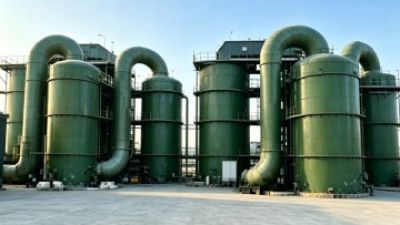
The USGS *Mineral Commodity Summaries 2025* estimates U.S. bromine production at about 220,000 metric tons in 2024, underscoring the scale of the established brine-based industry. For buyers comparing Chinese suppliers, the key question is whether a system can handle the chemistry and variability of the intended feed—not simply its advertised capacity. Seawater, salt-lake brines, oilfield brines, and industrial wastewater differ in bromide concentration, suspended solids, and corrosive components, so reliable design depends on feed analysis, pretreatment, materials selection, and continuous process control.
Air-blowing systems typically oxidize dissolved bromide, strip the released bromine with air, and use an alkaline absorption stage to capture it for subsequent recovery. A supplier should therefore provide performance data for the complete process train, including bromine recovery, reagent and energy consumption, corrosion protection, emissions control, and wastewater handling. These details help assess suitability for both large-scale plants and variable industrial streams. China-based equipment manufacturers offer systems configured for brines and other bromide-bearing sources; prospective purchasers should request pilot or reference data using comparable feed chemistry and confirm that equipment capacity, automation, and maintenance arrangements match site conditions.
Record bulk density, lump size, moisture, temperature, and abrasiveness. Note whether feed is steady or arrives in surges. Small details matter.
Set a realistic peak throughput, not just an average. Include distance, elevation, operating hours, and acceptable spillage. Check estimates against actual samples when possible.
Damp powder may cling to the belt and need more frequent cleaning. For washed materials, check residual moisture and washdown routines. It is easy to underestimate buildup.
Check whether coarse pieces strike hard at loading. Confirm the receiving belt can handle the upstream discharge rate. Test with material, not guesses.
Make emergency stops reachable along the conveyor. Guard pinch points near pulleys and transfer chutes. Check that service gaps allow safe inspection.
Confirm alarms clearly identify faults. Ask how the belt restarts after a jam or power loss. A confusing display helps nobody.
Test belt speed, motor load, slipping, spillage, and startup stability under load. Empty-belt trials can miss the messy parts.
Compare motor size, speed control, belt resistance, and operating hours with the actual duty cycle. Record energy use and wear during commissioning. The first assumptions may be off.
Choosing Belt Conveying Equipment in 2026 starts with a clear understanding of the materials to be moved, required throughput, operating hours, and performance goals. Next, assess the installation site, including available space, conveyor routes, elevation changes, weather exposure, dust, moisture, and other environmental conditions. These factors help determine which conveyor configuration is appropriate, such as a standard, inclined, enclosed, or curved system.
Once the application is defined, match belt width, speed, drive capacity, rollers, and support structures to the load and operating demands. Compare safety features, control options, and energy use to support reliable, efficient operation. Finally, look beyond the initial purchase price: evaluate expected service life, maintenance needs, spare-parts availability, supplier expertise, and after-sales support. Considering these elements together helps identify a practical system that fits both the site and long-term operating requirements.