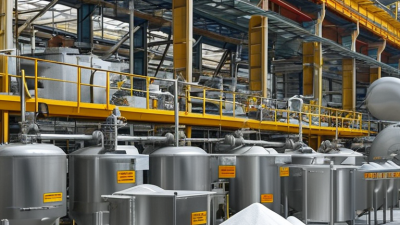
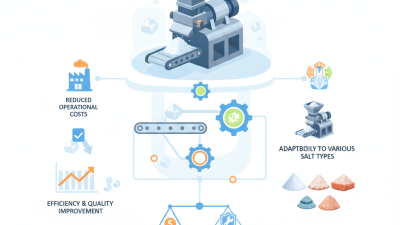
In the pretty competitive world of salt processing, picking the right equipment can really make a difference for your business. John Smith, a top expert at SaltTech Industries, points out, “Getting a Washed Salt Dryer can boost your product's quality and make operations way more efficient.” That just goes to show how important a Washed Salt Dryer can be when it comes to improving your overall results.
So, what does a Washed Salt Dryer actually do? Basically, it's designed to dry out the washed salt, removing excess moisture so that it hits those strict quality standards. Thanks to the fancy technology inside these dryers, the final salt is purer, with a better grain size. As more companies aim to meet customer demand for top-notch products, having a Washed Salt Dryer can really be a game-changer.
But here’s the thing—it's not just about getting the best equipment. You really gotta think about your specific needs. Investing in one of these isn’t cheap, and understanding how much salt you process is key. Finding that sweet spot between quality and staying within your budget can be tricky. Ultimately, while a Washed Salt Dryer can definitely help boost your brand, it’s a decision that deserves some serious thought.

Benefits of Using a Washed Salt Dryer in Industry
When considering industrial applications, washed salt dryers provide unique advantages. They effectively reduce moisture levels in salt, ensuring a longer shelf life. High moisture content can lead to clumping or bacterial growth. Using a washed salt dryer helps maintain consistent quality throughout the production process.
Additionally, these dryers are energy-efficient. They utilize advanced technology to minimize energy consumption while maximizing output. This can result in significant cost savings over time. Precision is key, as even slight variations in moisture can affect the end product. A reliable dryer ensures that specifications are met consistently.
However, reliance on specific equipment can pose challenges. Regular maintenance is crucial to prevent breakdowns. Operators must also be trained to handle the machinery efficiently. Diverse operating conditions might require adjustments, which can lead to operational inefficiencies if not managed carefully. Adapting to these variables is essential for optimal performance.
Understanding the Functionality of Washed Salt Dryers
Washed salt dryers play a crucial role in the salt processing industry. They help in removing impurities and moisture from washed salt, enhancing its quality and extending shelf life. According to a report by the Salt Institute, the global salt market is expected to grow by 3.2% annually, highlighting the increasing demand for high-quality salt products. A well-functioning washed salt dryer can significantly impact production efficiency and product quality.
When selecting a washed salt dryer, consider its energy efficiency. These dryers can reduce energy consumption by up to 30%, as per findings from recent industry studies. This not only lowers operating costs but also supports sustainability efforts. Additionally, understanding how different dryer designs impact salt quality is essential. A dryer that maintains optimal temperatures leads to a superior end product.
Tips: Monitor moisture levels regularly. This will help in maintaining consistent product quality. Training staff on proper dryer operation can prevent mishaps. Regular maintenance checks keep the dryer running smoothly, preventing unexpected breakdowns. Addressing these aspects can save time and reduce waste, ensuring a steady supply of high-quality washed salt.
Comparison of Washed Salt Dryers and Traditional Drying Methods
In the competitive landscape of industrial drying, washed salt dryers offer distinct advantages over traditional drying methods. Traditional dryers, such as rotary or spray dryers, can lead to uneven moisture content and longer drying times. According to industry reports, conventional methods may consume up to 30% more energy, drastically affecting operating costs.
Washed salt dryers, on the other hand, employ advanced techniques that ensure uniform moisture removal. Studies suggest these dryers can reduce drying times by up to 50%. This increased efficiency not only minimizes energy waste but also improves the overall quality of the final product. However, transitioning to washed salt drying may involve higher initial investments and possible training for staff to adapt to new equipment.
Tip: Consider conducting a cost-benefit analysis before switching to a washed salt dryer. Evaluate both the upfront cost and the long-term savings on energy consumption and maintenance.
Understanding the nuances between drying methods can lead to better business decisions. While traditional methods have been the norm, washed salt dryers present a compelling case for modern operations. Companies should remain vigilant about performance metrics and continually assess their drying processes to maximize efficiency and product quality.
Key Features to Look for in a Washed Salt Dryer
When selecting a washed salt dryer, it's vital to understand the features that truly matter. Efficiency is key. A good dryer should minimize energy consumption while maximizing output. Look for a model that has adjustable temperature settings. This flexibility allows you to optimize the drying process for different types of salt.
Another critical feature is the capacity. Make sure the dryer can handle your business needs without constant downtime. A larger capacity can significantly boost productivity. Additionally, consider the design and build quality. Stainless steel constructions often offer durability and ease of maintenance. This can lead to long-term reliability, avoiding costly repairs.
Monitoring systems are also important. Advanced units provide real-time data on moisture levels. This helps in determining the drying process's effectiveness. However, not all models are user-friendly. Some may feature complex controls. It's essential to choose a model that balances advanced features with intuitive operation. If you're not cautious, you might end up with a dryer that's hard to operate and manage.
Cost-Effectiveness of Washed Salt Dryers in Business Operations
Washed salt dryers are gaining attention for their cost-effectiveness in various industries. These machines deliver reliable results while minimizing operational expenses. By efficiently removing moisture, they enhance product quality and prevent spoilage. A lower moisture content can increase shelf life, providing economic benefits.
In business operations, evaluating upfront costs is crucial. Washed salt dryers may require significant initial investment. However, their long-term savings can offset this. Consider factors like maintenance and energy consumption when making a choice. Investing in reliable equipment may yield better returns over time.
Tips: Ensure proper training for operators. This improves efficiency and reduces potential errors. Regular maintenance checks also extend equipment lifespan. Monitoring performance metrics can highlight areas for improvement. Adopting a proactive approach to equipment management can result in more savings down the line.
Maintenance and Longevity of Washed Salt Dryers
Washed salt dryers play a crucial role in various industries. Their maintenance directly impacts operational efficiency. Regular upkeep can extend the lifespan of these equipment considerably. According to industry reports, with proper maintenance, the lifespan of a washed salt dryer can exceed 15 years. This is significantly greater than the outdated models that often fail within a decade.
Routine checks and cleaning of critical components, like the drying chamber and heating elements, are essential. Ignoring these tasks can lead to decreased performance and higher energy costs. Reports indicate that neglected dryers can lose up to 30% of their efficiency. It's important to establish a maintenance schedule. Industry experts recommend quarterly inspections to catch potential issues early.
Advanced technology in washed salt dryers allows for real-time monitoring. This ensures systems operate within optimal parameters. However, relying solely on technology can be misleading. Human oversight is crucial in interpreting data effectively. Regular staff training and updated practices can mitigate risks associated with equipment failure. Ensuring that every operator understands the importance of maintenance is vital for overall business success.
Real-World Applications of Washed Salt Dryers in Various Sectors
Washed salt dryers play a crucial role in various industries. Their applications can be observed in food processing, chemical production, and even water treatment. In the food sector, washed salt dryers ensure the salt is dry enough for preservation. Adequate drying minimizes clumping and maintains the salt's purity, which is essential for safe consumption.
In chemical production, efficiency is key. Washed salt dryers help remove excess moisture from raw materials. This process prevents chemical reactions that could occur due to moisture. The precise control over drying temperatures is vital in maintaining product quality. For water treatment facilities, these dryers ensure that salt used for regeneration is optimally dried, improving overall system efficiency.
Tip: Regular maintenance of your washed salt dryer is important. Check components frequently to avoid unexpected failures. Another tip is to monitor humidity levels in your facility. This can help optimize the drying process and enhance overall performance. Keep in mind that each application may require different drying times. Experimentation may lead to better results, though it can be time-consuming. Balancing efficiency with quality is a continuous challenge.
Why Choose a Washed Salt Dryer for Your Business Needs? - Real-World Applications of Washed Salt Dryers in Various Sectors
| Sector |
Application |
Benefits |
Key Features |
| Food Industry |
Drying Salt for Food Preservation |
Extended shelf life, enhanced flavor |
Low energy consumption, consistent moisture removal |
| Chemical Manufacturing |
Production of Chemical Compounds |
Improved product quality, reduced impurities |
High temperature resistance, robust design |
| Environmental Management |
Dehydration of Waste Brine |
Reduction of landfill waste, lower operational costs |
Eco-friendly operation, customizable settings |
| Agriculture |
Production of Fertilizers |
Optimal nutrient composition, better crop yields |
Advanced drying technology, efficient heat transfer |
| Textile Industry |
Dyeing Process Control |
Consistent dye uptake, enhanced fabric quality |
Precise temperature control, quick drying times |
FAQS
: Washed salt dryers provide uniform moisture removal and reduce drying times by up to 50%.
Traditional dryers may use 30% more energy, increasing operating costs. Washed salt dryers minimize this waste.
A cost-benefit analysis is important. Evaluate initial costs against long-term energy savings.
Look for energy efficiency, adjustable temperature settings, and sufficient capacity for your needs.
Regular maintenance can exceed the lifespan to 15 years, unlike outdated models that may fail sooner.
Ignoring maintenance can reduce efficiency by up to 30%, leading to higher energy costs and potential failures.
No, some models may have complex controls. Choose one that balances features with ease of use.
Industry experts recommend quarterly inspections for critical components to ensure optimal performance.
While technology aids in monitoring, human interpretation is crucial to avoid misreading data.
Regular training and updated practices help reinforce the significance of proper maintenance for success.
Conclusion
A Washed Salt Dryer offers numerous advantages for businesses across various industries, primarily due to its efficiency in drying washed salt while maintaining the quality and purity of the product. These dryers utilize advanced functionality that distinguishes them from traditional drying methods, enabling faster processing times and reduced energy consumption. Key features to consider when selecting a Washed Salt Dryer include capacity, energy efficiency, and ease of maintenance.
Moreover, the cost-effectiveness of Washed Salt Dryers significantly enhances business operations by lowering long-term operational costs and improving product turnover. With proper maintenance, these dryers can ensure longevity and reliable performance, making them a valuable investment. Real-world applications showcase their versatility in sectors such as food processing, agricultural industries, and chemical production, highlighting the essential role of Washed Salt Dryers in modern industrial practices.