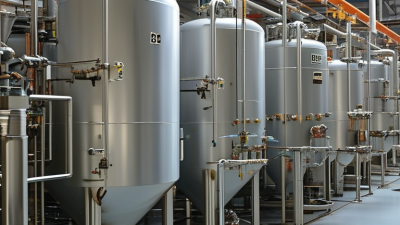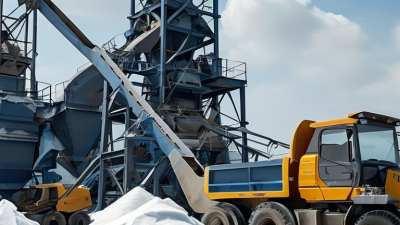
Picking the best Bromine Extraction equipment from China isn’t just about comparing prices or flipping through catalogs. What really matters is finding a supplier who truly gets the ins and outs of brine chemistry, steam stripping, absorption, corrosion control, and wastewater management. These details can make all the difference in whether your Bromine extraction line runs smoothly or faces issues down the line.
Trevor Kletz, a well-known expert in process safety, once said, “If you think safety is expensive, try an accident.” That’s a good reminder when you're choosing equipment—safety shouldn’t be an afterthought. Look into how they design pressure vessels, what their emergency shutdown systems are like, ventilation setups, and whether they use chemical-resistant materials. Also, see if they provide proper operator training. Materials like Hastelloy, titanium, lined steel, or specialized plastics are all choices depending on the process zone, temperature, bromide levels, pH, and pressure—so it pays to get that right.
Let’s not forget—performance data is key. A trusted manufacturer based in China should be able to share process flow diagrams, detailed equipment drawings, material certifications, factory testing records, and references from similar projects. Getting an independent inspection can really boost your confidence. Transparent warranty terms and solid support during commissioning are just as important. And, of course, energy consumption shouldn’t be overlooked—an efficient system that recovers well but uses too much steam can end up costing more in the long run.
Now, no supplier is perfect—admitting that is just realistic. Sometimes brochures make operating conditions seem easier than they really are. And some buyers want results without fully sharing their feed data, which can make things tricky. So, it’s wise to include pilot testing, work with real-world operating assumptions, and ensure everything meets environmental and safety regs. The best manufacturer isn’t just the biggest or cheapest; it’s the one that explains their limitations honestly, updates designs when necessary, and stands by your Bromine Extraction equipment throughout its life.
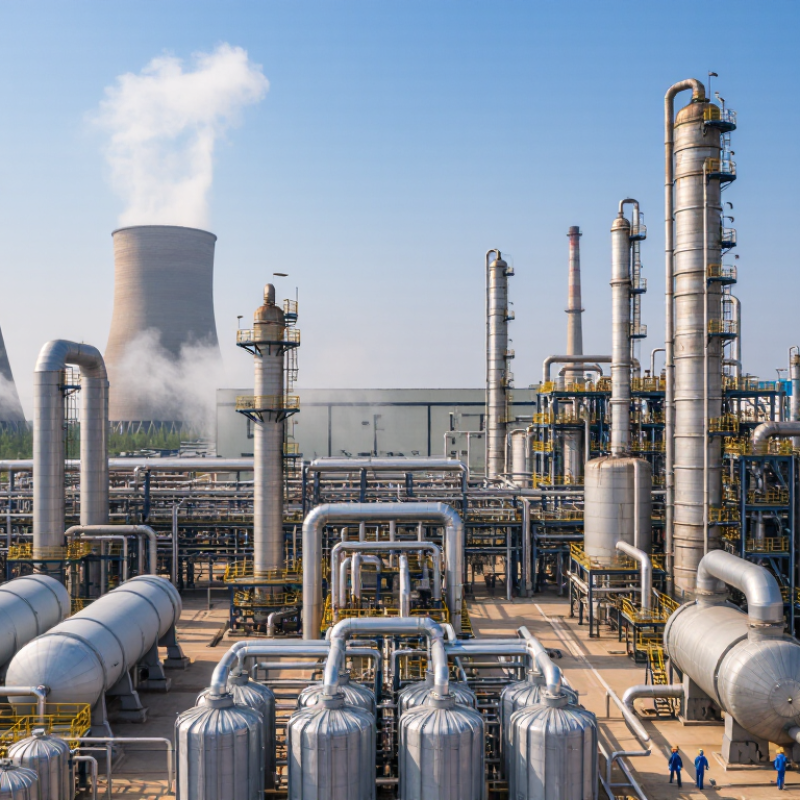
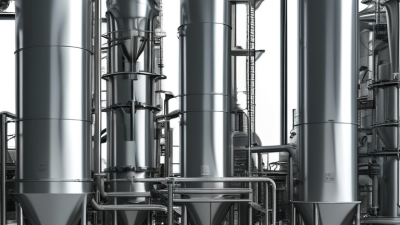
Bromine extraction equipment separates bromine from bromide-rich brine in a controlled industrial process. It usually includes feed tanks, reaction vessels, stripping towers, condensers, scrubbers, and collection units. An oxidizing stage converts dissolved bromide into bromine. Air or heated air then carries bromine vapor from the brine. A Hot Air Extraction System can improve gas movement and support steady separation. Sealed piping and corrosion-resistant materials are essential because bromine is highly reactive. Engineers commonly monitor temperature, pressure, pH, and oxidation-reduction potential during operation. Small changes matter.
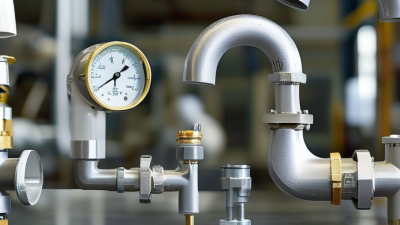
In practical installations, equipment selection depends on brine chemistry, flow rate, bromide concentration, and local environmental requirements. A system may perform well in testing but lose efficiency after scale forms inside a tower. That is an easy detail to underestimate. Operators should inspect nozzles, packing, seals, and scrubber liquid regularly. Leak detection also deserves serious attention. Good ventilation, automatic shutdowns, and trained personnel reduce operational risks. The design should support maintenance without exposing workers to process vapors.
Tips: Request corrosion data for every wetted component. Check gas-tight connections before commissioning. Record operating readings daily, even when production appears stable. Do not treat laboratory results as a complete plant design. Field conditions are usually less cooperative.
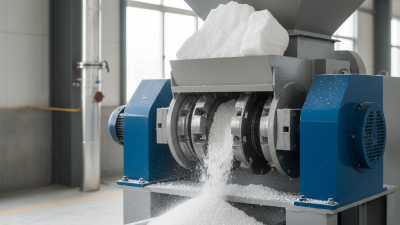
Bromine extraction systems recover bromine from bromide-rich brine through controlled oxidation and separation. The process starts with screening, filtration, and brine conditioning. In integrated plants, Washed Salt Equipment can help remove suspended solids before extraction. Cleaner brine protects pumps, pipes, and packed towers. Small impurities matter.
Inside the extraction tower, an oxidizing agent converts dissolved bromide into elemental bromine. Air or steam then carries bromine vapor away from the liquid phase. The vapor moves into an absorption section, where water or a suitable circulating solution captures it. Operators monitor flow, temperature, pressure, and chemical balance. Stable control improves recovery and reduces emissions.
The final liquid may pass through concentration and purification stages, depending on the required product quality. Closed piping, leak detection, ventilation, and scrubbers are essential engineering features. No system runs perfectly. Scaling, corrosion, and changing brine composition can reduce performance. Experienced technicians inspect tower packing and valves regularly. They also compare laboratory results with field readings, because instruments can drift. A reliable design leaves space for maintenance, adjustment, and honest review.
China Best Bromine Extraction Equipment Manufacturer?
Key Technologies Used in Bromine Recovery
Bromine recovery begins with controlled oxidation. Chlorine converts bromide ions in concentrated brine into elemental bromine. Air or steam then strips bromine from the liquid. Packed towers increase contact area, while sealed condensers recover vapors safely. The USGS Mineral Commodity Summaries 2024 estimates global bromine production at roughly 400,000 metric tons in 2023. This volume highlights the need for stable recovery systems, not simply larger equipment.
Process control matters more than headline capacity. Online sensors monitor pH, oxidation-reduction potential, temperature, and bromine concentration. A small change in brine chemistry can reduce recovery efficiency. Absorption columns capture remaining bromine and limit atmospheric release. Salt Washing Equipment removes soluble impurities before downstream concentration, improving crystallizer performance and reducing fouling. Membrane systems may lower chemical consumption, but their cost and maintenance requirements need careful testing. Not every plant benefits from them.
Details decide reliability. Corrosion-resistant alloys, spray-free piping, and secondary containment protect operators and equipment. The International Energy Agency reports that industrial energy efficiency depends heavily on heat integration and process optimization. Therefore, recovered heat from stripping steam can support feed preheating. This sounds simple. It is often missed.
Pilot trials remain essential. Laboratory brine rarely matches field brine. A responsible equipment evaluation should compare recovery rate, energy use, chemical demand, wastewater quality, and downtime over several operating cycles. Some calculations will be imperfect. That is exactly why transparent test data matters.
China’s leading bromine equipment manufacturers are judged by engineering performance, not advertising alone. Experienced suppliers understand bromide-rich brine, oxidation control, air blowing, steam stripping, and recovery systems. Their equipment must manage heat, pressure, corrosion, and changing feed conditions. Practical designs often use corrosion-resistant alloys, lined vessels, reliable pumps, and accessible inspection points. Small details matter.
A capable manufacturer should provide process calculations, material recommendations, equipment drawings, and factory testing records. It should also explain expected recovery rates under specific brine conditions. Generic promises are not enough. Each project needs pilot data or documented operating experience. Skilled engineers can adjust gas-liquid contact time, temperature, and circulation speed. These choices affect energy use and product stability.
Reliable support continues after delivery. Installation guidance, operator training, spare parts, and maintenance procedures reduce avoidable downtime. I would ask for references from comparable facilities, although references alone cannot prove every claim. No design is perfect. Unexpected scaling, corrosion, or seasonal brine changes may still appear. Manufacturers that report these risks honestly deserve greater trust. Clear documentation and responsive technical service often separate a leading supplier from an ordinary equipment seller.
| Equipment Configuration | Primary Extraction Principle | Typical Feed Conditions | Main Process Media | Typical Equipment Materials | Key Performance Characteristics | Best-Fit Application | Important Selection Criteria |
|---|---|---|---|---|---|---|---|
| Air-Blowing Bromine Extraction System | Chlorine oxidizes dissolved bromide to elemental bromine, which is stripped from the brine by counter-current air. | Brine containing bromide; the exact concentration depends on the source and must be confirmed by laboratory analysis. | Chlorine or another approved oxidant, process air, water, and caustic absorption solution. | FRP, PVC, PP, PVDF, glass-lined steel, or other bromine-compatible materials selected according to concentration and temperature. | Continuous operation; suitable for large brine flows; requires effective gas-liquid contact and off-gas control. | Large-scale brine fields, salt-lake brines, and other continuous industrial operations. | Gas-liquid contact area, fan capacity, pressure drop, corrosion resistance, chlorine control, and tail-gas treatment. |
| Steam-Stripping Bromine Recovery System | Steam transfers volatile bromine from oxidized brine into a vapor phase for condensation or absorption. | Oxidized bromide-bearing brine with sufficient bromine concentration to justify steam use. | Low-pressure steam, cooling water, process water, and an absorption or condensation stage. | Glass-lined steel, fluoropolymer-lined equipment, FRP, titanium, or other materials verified for wet bromine service. | Can achieve strong stripping performance, but steam demand and heat integration significantly affect operating cost. | Sites with reliable steam availability or integrated chemical and salt-processing utilities. | Steam consumption, condenser duty, heat recovery, bromine vapor containment, and resistance to hot corrosive brine. |
| Hybrid Air-and-Steam Extraction Line | Combines air stripping with steam heating or polishing to improve mass transfer and recovery stability. | Variable brine composition or feed streams requiring flexible operating control. | Process air, steam, cooling water, oxidant, and absorption liquid. | Mixed corrosion-resistant construction based on the temperature and bromine exposure of each section. | Offers operational flexibility but has a higher control, utility, and maintenance requirement than a single-mode system. | Facilities experiencing seasonal feed variation or changing bromide concentrations. | Control-valve rangeability, utility balancing, start-up sequence, heat recovery, and automatic safety interlocks. |
| Oxidation and Bromine Absorption Module | Converts bromide to bromine and captures bromine-containing gas in water or alkaline solution. | Gas or liquid streams generated by an upstream extraction unit. | Oxidant, absorption water or alkali, cooling water, and process air where required. | FRP, PP, PVC, PVDF, rubber-lined steel, or glass-lined components depending on service conditions. | Supports product recovery and environmental control; absorber design must account for bromine solubility and gas loading. | Systems requiring controlled bromine capture, intermediate bromine liquor, or reduced atmospheric emissions. | Absorber height, packing compatibility, liquid-to-gas ratio, temperature control, mist elimination, and emergency scrubbing. |
| Bromine Concentration and Purification Section | Concentrates and purifies bromine liquor after primary extraction and absorption. | Aqueous bromine solution or bromine-rich intermediate liquor with controlled impurity levels. | Water, cooling medium, heat, and compatible separation or distillation media as required by the process design. | Glass-lined steel, titanium, tantalum, fluoropolymers, ceramics, or other materials selected through corrosion assessment. | Improves product concentration and quality; operating conditions depend strongly on dissolved chlorides and organics. | Projects producing commercial bromine or bromine compounds with defined quality specifications. | Purity target, heat-transfer surface, condenser performance, chloride carryover, vapor containment, and cleaning method. |
| Modular Skid-Mounted Bromine Plant | Integrates oxidation, stripping, absorption, circulation, instrumentation, and safety systems on prefabricated modules. | Small- to medium-scale or phased projects with defined feed chemistry and limited installation space. | Oxidant, air or steam, cooling water, absorption liquid, electrical power, and instrument air where applicable. | Material selection is divided by service zone; wetted parts require documented bromine and chloride compatibility. | Shorter site installation period and easier factory inspection; capacity expansion may require additional modules. | Pilot plants, demonstration facilities, remote sites, and staged capacity development. | Transport dimensions, modular connection points, commissioning support, spare parts, control philosophy, and local utility standards. |
| Automatic Continuous-Control System | Uses online measurements and feedback control to regulate oxidation, pH, flow, temperature, pressure, and absorption conditions. | Feed streams with measurable and reasonably stable flow and chemistry. | Process chemicals, electrical power, instrument air, cooling water, and calibration solutions. | Sensor wetted materials must be selected for bromine, chloride, oxidant, and temperature exposure. | Improves consistency and operator safety; sensor fouling, calibration, and signal reliability require regular maintenance. | Industrial plants prioritizing stable recovery, traceability, and reduced manual intervention. | Online bromine or redox measurement, pH control, PLC integration, alarm logic, data logging, and fail-safe shutdown. |
| Tail-Gas Scrubbing and Emergency Protection System | Removes residual bromine and oxidant from exhaust gas before discharge and provides emergency containment. | Off-gas from strippers, absorbers, tanks, vents, and maintenance operations. | Alkaline scrubbing liquor, water, emergency power, and ventilation air. | FRP, PP, PVC, PVDF, or other materials proven for bromine-containing gas and alkaline service. | Essential for emissions control and worker protection; normally designed together with the extraction and absorption equipment. | Any facility handling elemental bromine, bromine vapor, chlorine, or concentrated bromine liquor. | Design gas flow, peak release scenario, scrubber residence time, redundancy, leak detection, ventilation, and emergency response plan. |
Choosing the best bromine extraction equipment manufacturer requires more than comparing prices or production claims. A reliable supplier should understand your brine chemistry, bromine concentration, temperature, and daily capacity. Ask for process calculations, material specifications, and performance data from similar installations. Practical experience matters. A supplier that has handled corrosion, scaling, and unstable feed conditions can identify problems before commissioning.
Evaluate the supplier’s engineering depth and quality controls. Check whether critical components have traceable materials certificates and documented inspections. The equipment should include suitable corrosion-resistant materials, controlled gas handling, monitoring instruments, and accessible maintenance points. Request a clear commissioning plan and operator training schedule. After-sales support is equally important, especially when replacement parts or remote troubleshooting are needed. A short warranty may signal limited confidence, but warranty length alone proves little. I would also question unusually perfect test results; real brine rarely behaves so neatly.
Tips: Visit a working reference site when possible. Ask for energy consumption under comparable conditions. Review safety procedures with your technical team. Confirm response times for service requests. Check whether drawings, manuals, and test records are complete. Avoid suppliers that dismiss difficult questions. Small omissions become expensive later. Also, let an independent engineer review the design before signing. This step may feel slow, but it can expose weak assumptions that sales documents often hide.
Bromine extraction systems serve brine-processing plants, chemical production facilities, and specialized water-treatment operations. In a typical process, oxidized bromide is released from concentrated brine, separated through air stripping, and recovered in an absorption stage. Stable airflow matters. So does chemistry control.
Operators should monitor pH, oxidation-reduction potential, temperature, pressure, and brine concentration during each shift. Small changes can reduce recovery efficiency or increase corrosion. Packing beds need inspection for scaling and blocked channels. Pumps, valves, seals, and corrosion-resistant linings also require scheduled checks. Leak detectors and ventilation systems must remain functional.
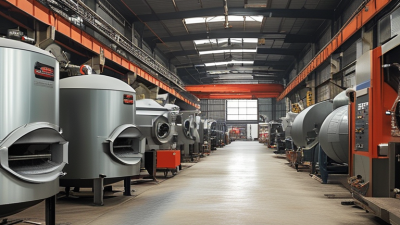
Maintenance should follow measured conditions, not only calendar dates. Sensor calibration is often overlooked. It should not be. Vacuum Drying Equipment may be used after recovery to dry related salts or crystalline products under controlled temperature and pressure. Clean filters, inspect vacuum lines, and check door gaskets carefully. Moisture inside a drying chamber can affect product quality.
No extraction system stays perfect. A minor pressure fluctuation may reveal a blocked line, worn seal, or inaccurate instrument. Technicians should record these signs instead of correcting them casually. Safe operation requires documented procedures, trained personnel, suitable protective equipment, and compliance with applicable environmental and workplace rules.
Bromine extraction systems are commonly used for brine treatment, chemical manufacturing, pharmaceutical intermediates, flame-retardant production, and water-treatment chemicals. The chart shows typical planning intervals for key maintenance activities. Actual schedules should be adjusted according to bromine concentration, temperature, corrosion rate, operating hours, and site safety procedures.
Recommended practice: inspect leak points and ventilation systems frequently, verify scrubber performance, replace damaged corrosion-resistant seals promptly, and perform a complete system review at least annually.
Controlled oxidation converts bromide ions in concentrated brine into elemental bromine. Air or steam then strips it from the liquid.
Packed towers increase gas-liquid contact area. This helps remove bromine more efficiently from brine.
Operators should monitor pH, oxidation-reduction potential, temperature, pressure, and bromine concentration. Small chemical changes matter.
Yes. Heat from stripping steam can preheat incoming brine. The idea is simple, but plants often miss it.
Corrosion-resistant alloys, protected piping, suitable linings, and secondary containment reduce damage risks. Material selection needs real brine data.
Request process calculations, material certificates, inspection records, and comparable performance data. Visit an operating reference site when possible.
They are strongly recommended. Field brine may differ from laboratory samples in chemistry, temperature, and impurity levels.
Inspect packing beds, pumps, valves, seals, filters, vacuum lines, and corrosion-resistant linings. Calibrate sensors regularly.
Sealed condensers, absorption columns, leak detectors, ventilation, and secondary containment help control exposure and releases. Procedures need documentation.
Record pressure changes, scaling, blocked channels, leaks, sensor errors, and downtime. Casual corrections can hide developing failures.
Bromine Extraction Equipment is designed to recover bromine efficiently from bromide-rich brine, seawater-derived solutions, and other approved industrial feedstocks. A complete system may include pretreatment, oxidation, air or steam stripping, absorption, condensation, purification, and storage units. Its performance depends on controlled chemical reactions, corrosion-resistant materials, reliable heat and mass transfer, and effective gas-liquid separation. Modern systems can also incorporate automated monitoring to regulate temperature, pressure, flow rate, and bromine concentration while reducing emissions and improving resource efficiency.
When evaluating a bromine equipment supplier in China, buyers should consider engineering experience, customization capabilities, production quality, safety design, testing procedures, installation support, and after-sales service. Suitable equipment should match the feedstock composition, required capacity, operating conditions, and environmental standards. Common applications include chemical manufacturing, water treatment, pharmaceuticals, flame-retardant production, and other regulated industrial processes. Regular inspection, cleaning, corrosion monitoring, calibration, and the timely replacement of wearing components are essential for maintaining stable performance, protecting workers, and extending system service life.