Leave Your Message
0%

Picking a top fluorine-lined elbow manufacturer in China isn’t just about comparing prices—honestly, that’s only the starting point. You need real proof, actual process knowledge, and communication you can count on. Think about it: in a chemical plant, even a small elbow can face hot acids, solvents, abrasive particles, and pressure that keeps changing. The fluoropolymer lining inside has to stay continuous through the whole bend. One weak spot, and boom—you’re dealing with a pricey maintenance headache.

Michael Chen has spent more than 15 years working with fluoropolymer piping in the field, and he puts it pretty simply: “A lining protects only when design, installation, and inspection work together.” That idea is basically the backbone of everything Hengda Fluoropolymer Equipment Co., Ltd. does. They’re a China-based manufacturer and supplier of lined piping components, and before they recommend a Fluorine Lined Elbow, they take a close look at things like pipe diameter, operating temperature, chemical concentration, pressure, and even the type of connection you’re planning to use. Their techs also give the flange faces, lining edges, and finished bore a good once-over. And honestly, the little details? They matter.

Honestly, you shouldn't pick a lined fluorine elbow just from a catalogue. The right material depends on the actual medium and how the operating cycle really works. PTFE handles a lot of corrosive services, sure, but every application deserves its own review. No lining is immortal, no matter what the brochure says. And installation mistakes? They still happen, even with experienced crews. That uncomfortable fact is worth sitting with. Honestly, if you're a buyer, don't just approve things on faith. Ask for the drawings, material specs, dimensional checks, and inspection records upfront. And yeah, bring up packaging and installation guidance too—it's easy to forget until it's too late. A good supplier won't tell you every elbow will fit in every situation. Instead, they'll be upfront about the limitations and use field feedback to tweak the design when something doesn't work.
China Top Fluorine Lined Elbow Manufacturer Supplier

Fluorine-Lined Elbows: Definition, Structure, and Main Functions

Fluorine Lined Elbow: Definition, Structure, and Main Functions

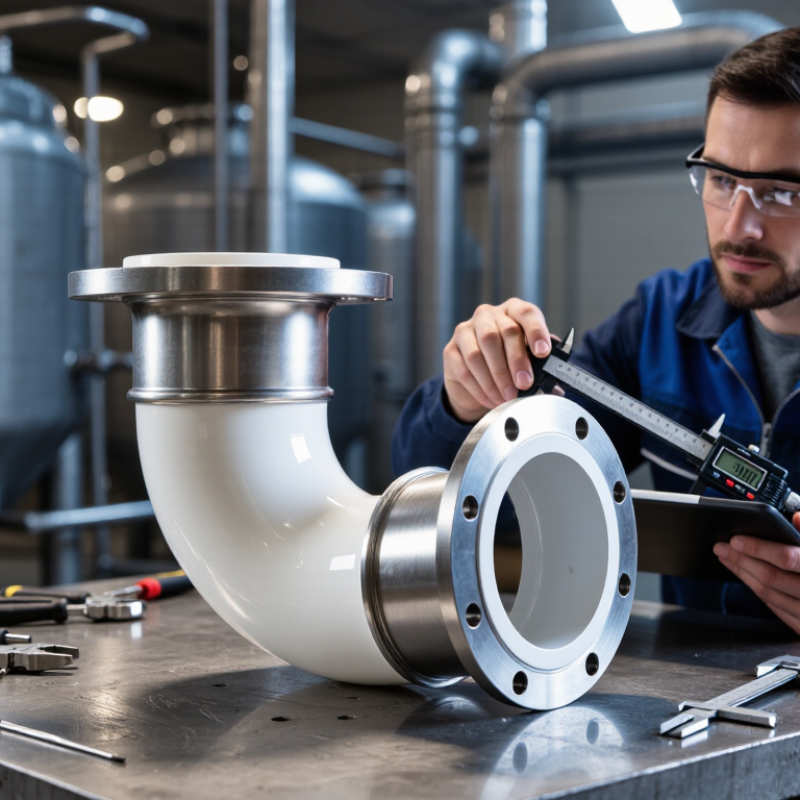
A Fluorine Lined Elbow is a pipe fitting designed to change fluid direction while resisting aggressive chemical media. Its inner surface usually contains PTFE or another fluoropolymer lining. The outer body is commonly made from carbon steel, stainless steel, or another pressure-resistant metal. The metal provides mechanical strength. The lining protects the process fluid from direct contact with the shell.

Its structure includes an elbow body, a molded or machined fluoropolymer liner, and raised sealing faces at both ends. Common angles include 45 and 90 degrees. During inspection, technicians should check the liner for wrinkles, pinholes, cracks, and uneven flaring. A smooth surface matters. Even a small defect may affect service life under repeated thermal cycling. The liner must fit firmly without excessive stress, especially when the system experiences vacuum or sudden temperature changes.

This fitting is widely used for acids, solvents, corrosive gases, and high-purity process fluids. It reduces corrosion risk at directional changes, where turbulence can increase wear. Proper installation also requires aligned pipes and controlled bolt tightening. Over-tightening may deform the sealing face. Under-tightening may cause leakage. That detail is easy to underestimate. Material selection should consider temperature, concentration, pressure, and flow speed together. No fluoropolymer lining suits every condition, so practical operating data should guide the final specification.

Key Materials Used in Fluorine-Lined Elbow Manufacturing

A fluorine-lined elbow combines structural metal with a chemically resistant fluoropolymer layer. The choice of each material matters. According to Grand View Research’s 2024 fluoropolymers market analysis, global demand is expected to expand steadily through 2030, driven by chemical processing, semiconductors, and energy applications. This growth increases pressure on manufacturers to control lining quality.

Carbon steel is commonly selected for the outer shell because it offers strength and economical fabrication. Stainless steel may be preferred when external corrosion or contamination creates additional risks.

Inside, PTFE remains widely used for strong acid, alkali, and solvent resistance. PFA can provide improved melt-processability and smoother surfaces. FEP is another option, although its temperature capability is generally lower than PTFE’s.

Small details matter. A typical elbow requires careful surface blasting before lining. Poor preparation can create hidden voids behind the fluoropolymer. Glass fiber, carbon, or graphite fillers may improve wear resistance and dimensional stability, but fillers can reduce chemical purity. That trade-off is easy to underestimate. The 2023 MarketsandMarkets fluoropolymer report identified chemical processing as a major application sector, where leakage prevention and service life directly affect operating costs.

In practical production, manufacturers should inspect thickness, pinholes, adhesion, and bend geometry. Spark testing helps locate discontinuities. It is useful, not perfect. Temperature cycling can still expose weak bonding later. Material selection must therefore consider chemicals, pressure, temperature, flow speed, and cleaning conditions together.

Types and Design Options for Fluorine-Lined Elbows

Fluorine-lined elbows protect pipelines handling aggressive acids, solvents, and corrosive process fluids. Their design begins with the elbow angle. Common options include 45-degree and 90-degree elbows, while custom angles suit restricted layouts. Long-radius elbows reduce turbulence and pressure loss. Short-radius versions save space but may increase flow resistance. PTFE lining offers broad chemical resistance, while PFA lining can provide smoother surfaces and better processing performance. The correct choice depends on temperature, pressure, fluid concentration, and cleaning conditions.

Construction details matter. Most elbows use a steel outer shell with a molded or machined fluoropolymer lining. Flanged ends support easier installation and maintenance. Welded ends may create a tighter system, but they require more careful field work. Equal-diameter elbows fit standard pipelines; reducing designs manage changes in pipe size. Vacuum service needs special reinforcement, because lining stability can change under negative pressure. This point is sometimes missed. I have seen otherwise suitable elbows fail because vacuum conditions were treated as an afterthought. Inspection should check lining thickness, pinholes, flange faces, and dimensional accuracy.

Tips: Confirm the actual operating temperature, not only the normal temperature. Review pressure spikes and cleaning chemicals with the supplier. Keep elbows properly aligned during installation. Excessive bolt force can damage the flange or distort the lining. When the angle is unusual, request a drawing before production. A small drawing review can prevent an expensive replacement.

Manufacturing Process of a China Fluorine-Lined Elbow Supplier

China Top Fluorine Lined Elbow Manufacturer Supplier

Manufacturing Process of a China Fluorine-Lined Elbow Supplier

A reliable supplier begins with careful material selection. Carbon steel or stainless steel forms the elbow’s outer body. Fluoropolymer lining materials, such as PTFE or PFA, provide chemical resistance inside the flow path. Each batch should include material records and traceable inspection data.

The process starts by machining the elbow and removing sharp edges. The steel surface is then blasted and cleaned. This step improves bonding and reduces hidden contamination. The liner is shaped to match the elbow’s radius, then inserted through controlled heating, molding, or expansion. Technicians monitor temperature and pressure closely. Small changes matter. After cooling, workers inspect the flange faces, liner thickness, and internal surface. They may perform spark testing, dimensional checks, and pressure testing before packing.

Tips: Confirm the operating temperature, pressure, chemical concentration, and pipe size before ordering. Ask for inspection records and lining thickness data. Similar controls should apply to a Lined Fluorine Y Filter. Do not judge quality by appearance alone. A bright surface can still hide weak adhesion. No process is flawless. Experienced suppliers review failed samples and adjust tooling, cleaning, or heating settings. That habit supports more consistent performance in demanding chemical service.

Performance Standards and Quality Inspection Requirements

A fluorine-lined elbow must maintain chemical resistance, pressure stability, and reliable flow direction in demanding pipeline service. Its performance depends on lining thickness, bonding quality, dimensional accuracy, and correct flange alignment. During production, inspectors should verify the elbow radius, wall thickness, face-to-face dimensions, and bolt-hole positions against approved drawings.

Visual inspection comes first, but it is not enough. Technicians should check the lining for pinholes, blisters, cracks, exposed metal, and uneven surfaces. Spark testing can identify small defects in nonconductive fluoropolymer linings. Hydrostatic testing should confirm pressure integrity without damaging the lining.

Vacuum testing may reveal separation or hidden leakage around edges. Test pressure and holding time must follow the project specification, because one fixed value cannot fit every service condition.

A Fluorine Lined Y Strainer also needs careful inspection. Its screen opening, lining continuity, drain connection, and cover sealing surface directly affect system performance. Material certificates, inspection records, and batch traceability should accompany each shipment. In practical factory work, rushed visual checks sometimes miss thin areas near corners. That weakness deserves attention. Experienced inspectors recheck these locations under strong lighting and record measurements rather than relying on appearance alone. Performance standards should remain clear, measurable, and linked to the actual fluid, temperature, pressure, and operating cycle.

Applications of Fluorine-Lined Elbows Across Industrial Systems

Fluorine-Lined Elbow Applications in Industrial Systems

Fluorine-lined elbows support reliable flow control in corrosive process environments. They are commonly used in chemical transfer, semiconductor production, pharmaceutical processing, and wastewater treatment. A Lined Ptfe Elbow can protect the pipeline when acids, solvents, or chlorinated liquids pass through sharp directional changes. Its smooth inner surface also reduces residue buildup and cleaning difficulties. Small details matter.

In practical installations, engineers consider temperature, pressure, fluid concentration, and pipe size before selecting an elbow. PTFE lining offers strong chemical resistance, but it is not suitable for every operating condition. Excessive heat may reduce mechanical stability. Abrasive particles can also wear the lining over time. These limits require honest evaluation.

Fluorine-lined elbows are useful around storage tanks, reaction vessels, pumps, and filtration units. Their corrosion-resistant construction can reduce leakage risks at connection points when installation is performed correctly. Proper flange alignment is essential. Uneven tightening may damage the lining or create sealing problems. Maintenance teams should inspect bolts, gaskets, and visible surfaces during scheduled shutdowns. In some systems, designers focus heavily on chemical resistance and overlook flow velocity. That can become an expensive mistake. Reliable selection combines material data, operating records, and advice from experienced piping professionals.

China Top Fluorine Lined Elbow Manufacturer Supplier - Applications of Fluorine-Lined Elbows Across Industrial Systems

Industrial System Typical Process Media Recommended Lining Common Elbow Configuration Key Performance Requirement Selection Considerations
Chemical Processing Acids, alkalis, solvents and corrosive process liquids PTFE, PFA or FEP 45° and 90° long-radius elbows Chemical resistance and leak-tight containment Verify compatibility with the exact chemical concentration, temperature and pressure.
Semiconductor and Electronics High-purity acids, bases and cleaning chemicals PFA or high-purity PTFE Compact 90° elbows for process distribution lines Low contamination and smooth internal surfaces Consider particle control, extractables, weld quality and cleanroom handling.
Pharmaceutical and Bioprocessing Aggressive cleaning agents, purified chemicals and specialty fluids PTFE or PFA, subject to hygiene requirements Short-radius or custom elbows where space is limited Cleanability and resistance to chemical cleaning cycles Confirm applicable sanitary design, surface-finish and validation requirements.
Water and Wastewater Treatment Chlorine-containing chemicals, acids, caustic soda and sludge-related fluids PTFE or FEP for suitable service conditions 90° elbows in dosing and transfer lines Corrosion resistance and reliable long-term sealing Assess abrasion, solids content, vacuum conditions and chemical concentration.
Mining and Mineral Processing Acid leach solutions, mineral slurries and process chemicals PTFE where chemical resistance is primary Long-radius elbows to reduce flow disturbance Resistance to corrosive media and controlled pressure loss Fluoropolymer linings are not suitable for every highly abrasive slurry; evaluate wear separately.
Oil, Gas and Petrochemical Hydrocarbons, sour-service chemicals and corrosive additives PTFE, PFA or other specified fluoropolymer 45° or 90° elbows in chemical injection and transfer systems Chemical isolation of the metal shell and low friction Check permeation, pressure cycling, static electricity and applicable piping codes.
Food and Beverage Processing Corrosive cleaning solutions and specialty ingredients Food-contact-suitable PTFE or PFA when specified Smooth-bore 90° elbows for hygienic pipe routing Non-stick surface and resistance to cleaning chemicals Confirm regulatory approval, cleanability and temperature limits for the complete assembly.
General Corrosive Service Mixed corrosive gases, vapors and liquids PTFE, PFA or FEP based on service conditions 45°, 90° and 180° configurations Broad chemical resistance and reduced maintenance Review operating temperature, pressure, vacuum, permeation and flange compatibility.

Note: Operating limits depend on the complete lined-elbow design, lining thickness, pressure rating, vacuum conditions, temperature, chemical concentration and installation practice. Always confirm the final specification against the applicable piping standard and supplier data sheet.

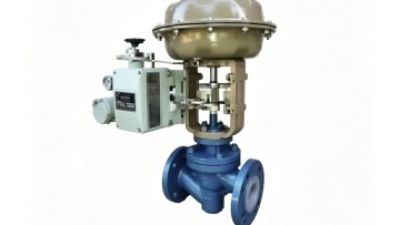
PTFE-Lined Control Valves from China: Precision Fluid Regulation for Chemical and Pharmaceutical Applications

PTFE-lined control valves from China provide precise fluid regulation for chemical and pharmaceutical processing lines where corrosion resistance and repeatable performance are essential. A pneumatic or electric actuator adjusts the valve core opening in response to control signals, enabling accurate management of flow rate, pressure, and process stability. Industry research from MarketsandMarkets has projected continued growth in the global control valve market, driven largely by automation, process safety, and demand for more efficient production systems.

The PTFE lining protects wetted surfaces from aggressive acids, alkalis, solvents, and other corrosive media commonly found in chemical manufacturing. This makes the valve suitable for dosing systems, reaction vessels, transfer pipelines, and pharmaceutical utility networks. In pharmaceutical production, where consistent conditions support batch quality, high-resolution valve positioning can help reduce fluctuations in pressure and flow. Industry 4.0 studies, including those published by the International Society of Automation, also identify automated instrumentation as a key factor in improving monitoring, traceability, and operational consistency.

Manufactured in China, these regulating valves can be configured with pneumatic actuators for rapid, fail-safe operation or electric actuators for digitally coordinated control. Their corrosion-resistant construction, precise adjustment capability, and compatibility with automated process systems make them practical for demanding fluid-handling environments. Factory-based engineering and customization support allow users to select suitable valve sizes, lining specifications, actuator configurations, and control accessories for complex chemical and pharmaceutical applications.

FAQS

What should inspectors check on a fluorine-lined elbow?

Verify the elbow radius, wall thickness, face-to-face length, and bolt-hole positions. Compare every measurement with approved drawings.

Why is visual inspection not enough?

Small pinholes, thin corners, or hidden separation may escape normal viewing. Strong lighting and recorded measurements improve inspection accuracy.

Which lining defects require attention?

Inspectors should look for pinholes, blisters, cracks, exposed metal, and uneven surfaces. Even small defects can affect long-term reliability.

How can spark testing help?

Spark testing can detect tiny defects in nonconductive fluoropolymer linings. It adds evidence beyond appearance.

What do hydrostatic and vacuum tests confirm?

Hydrostatic testing checks pressure integrity without damaging the lining. Vacuum testing may reveal edge separation or concealed leakage.

Should every elbow use the same test pressure?

No. Test pressure and holding time must match the project specification and service conditions. One fixed value may be unsuitable.

Where are fluorine-lined elbows commonly used?

They serve chemical transfer, semiconductor production, pharmaceutical processing, and wastewater treatment systems. They handle directional changes in corrosive pipelines.

What operating factors affect elbow selection?

Engineers should review fluid type, concentration, temperature, pressure, pipe size, and flow velocity. Abrasive particles may gradually wear the lining.

How should installation quality be controlled?

Align flanges carefully and tighten bolts evenly. Uneven tightening can damage the lining or create sealing problems.

What should inspection records include?

Shipments should include material certificates, inspection records, and batch traceability. Rechecking corner areas is wise. Appearance alone is not proof.

Conclusion

A Fluorine Lined Elbow is a corrosion-resistant pipe fitting designed to redirect fluid flow while protecting the metal structure from aggressive chemicals, high-purity media, and demanding operating conditions. Its construction typically combines a strong outer shell, often made from carbon steel or stainless steel, with an inner fluoropolymer lining such as PTFE or other compatible fluorine-based materials. Available in various angles, diameters, connection styles, and pressure ratings, these elbows can be customized to meet specific system requirements.

A reliable China Fluorine Lined Elbow supplier should apply precise forming, lining, bonding, and finishing procedures to ensure consistent quality. Production inspection commonly includes dimensional checks, lining thickness verification, visual examination, adhesion testing, pressure testing, and leak detection. With low friction, excellent chemical resistance, and dependable sealing performance, fluorine-lined elbows are widely used in chemical processing, pharmaceutical production, water treatment, semiconductor manufacturing, food processing, and other industrial piping systems where durability and material compatibility are essential.
Amelia

Amelia

Amelia is a dedicated marketing professional with extensive expertise in the field of bromine extraction equipment. As an integral member of a leading domestic EPC contractor, she specializes in the research and development, design, manufacturing, and installation of complete bromine extraction......
Previous What Is Belt Conveying Equipment and How Does It Work?