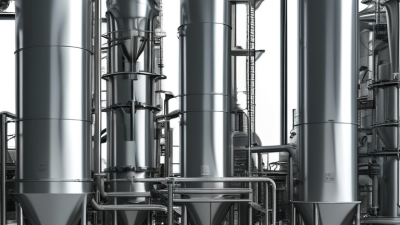
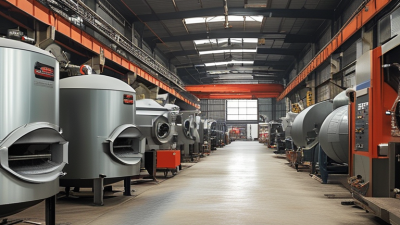
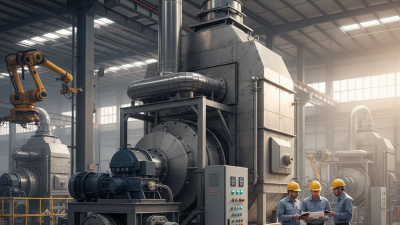
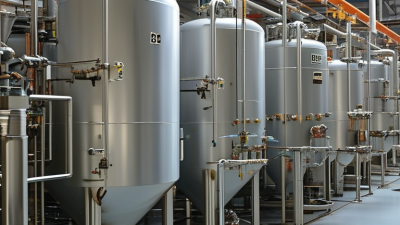
When it comes to crushing equipment, the Stone Hammer Crusher really stands out for being both pretty efficient and versatile. Experts like John Smith, who’s a top engineer over at RockTech Innovations, often highlight how valuable this machine is. He once mentioned, “The Stone Hammer Crusher is really an essential tool for getting materials processed effectively.” His point is clear—this machine can handle a bunch of different industries, from construction sites to mining operations.
The way a Stone Hammer Crusher is designed, it can break down big stones into smaller, more manageable pieces. This step is super important in construction, especially when you need materials of specific sizes. But while the machine is built to last, folks sometimes forget how crucial regular maintenance is. Neglecting upkeep can really mess up its performance—leading to costly downtimes and headaches. So, making sure it’s checked and maintained regularly is a must.
On top of that, picking the right Stone Hammer Crusher isn’t a one-size-fits-all. Different models come with their own features suited to different crushing needs. It's a good idea to really think about what you’re aiming for before making a choice. The main goal? Boost productivity without running into extra problems down the line. And honestly, investing in the right machine can pay off big time in the long run.
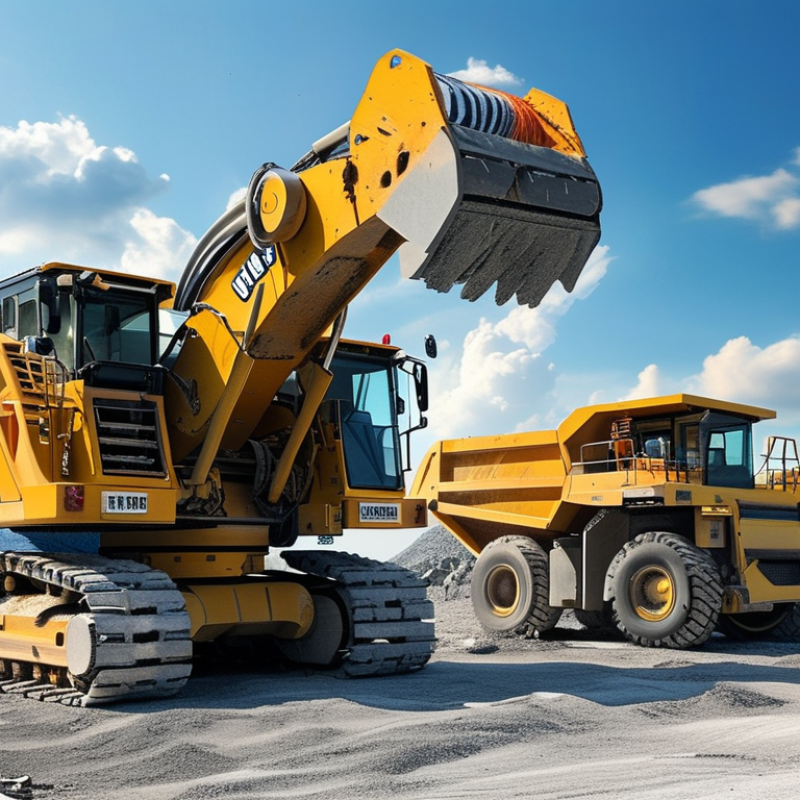
Overview of Stone Hammer Crushers
Stone hammer crushers play a vital role in various industries. Their primary function is to crush stones and rocks into smaller fragments. This process is essential for construction projects and mineral processing. The design of the Hammer Stone Crusher ensures maximum efficiency. It uses a heavy hammer to break materials into manageable sizes.
Operation of a stone hammer crusher is straightforward. The materials enter the crusher through a feed opening. The hammers, rotating at high speed, strike the material. This action breaks down the stones. Afterward, smaller pieces exit the machine. A vital aspect to consider is the maintenance of these machines. Regular checks on the hammers and the rotating mechanism are crucial. Neglecting maintenance can lead to reduced efficiency and unexpected downtime.
One concern is that not all hammer crushers are designed for heavy-duty use. Some models may struggle with tougher materials. It is important to choose the right crusher for your specific needs. Users should assess their requirements carefully. Misjudgment in selecting a Hammer Stone Crusher can lead to poor performance. Each crushing project is unique, and understanding the materials is key. Adjustments may be necessary based on the type of stones being processed.
Key Features of Efficient Hammer Crushers
When evaluating effective hammer crushers, several key features stand out. Efficient hammer crushers should have robust construction to withstand heavy usage. A durable body resists wear and tear, ensuring longevity. Additionally, the design of the hammer and its material plays a crucial role in crushing efficiency. High-quality alloys can increase hardiness and performance.
Another important aspect is the size and adjustment options. Crushers that offer adjustable settings allow for versatility in processing different materials. This adaptability enhances operational efficiency. Furthermore, the crushing capacity and speed are vital. A high throughput rate is desirable for optimal operation, but this can sometimes compromise the quality of the output. It’s essential to find a balance.
One must also consider the ease of maintenance. Regular upkeep is necessary for operational reliability. Complex designs can lead to challenges during servicing, affecting uptime. A reliable hammer crusher should simplify this process. User feedback often highlights these issues, showcasing the need for improvement in certain models. Focusing on these key features ensures an informed decision when selecting the best stone hammer crusher for your needs.
Best Stone Hammer Crusher for Efficient Crushing Solutions
Types of Stone Materials Suitable for Hammer Crushers
When considering the types of stone materials suitable for hammer crushers, several factors come into play. Hammer crushers excel at processing medium-hard to soft materials. They are effective for stones like limestone, gypsum, and coal, which are often used in cement production. According to industry reports, about 70% of the aggregate produced in construction is made from these materials. Their properties allow for easier fragmentation, which is key for efficient crushing.
Limestone, a prevalent choice in the construction sector, has a Mohs hardness of approximately 3 to 4. This characteristic ensures a smoother crushing process and reduces wear on equipment. In contrast, harder stones like granite are less suitable for hammer crushers. The high hardness can lead to increased maintenance costs and frequent downtime.
Moreover, the moisture content in these materials plays a crucial role. Materials with high moisture can cause blockages in the crusher. It's noted that 5% to 10% moisture is manageable, but anything more can be challenging. Therefore, understanding the material's properties and moisture levels is essential for optimizing crushing operations. This data-driven approach enhances reliability in material processing and improves overall productivity in projects.
Working Principle of Stone Hammer Crushers
The Stone Hammer Crusher operates on a straightforward principle. It uses a rotating hammer to crush materials. This design creates high-impact force, breaking down stones effectively. As the hammer spins, it strikes the material with significant energy. This impact shatters the stones into smaller pieces.
Understanding the working principle is key to optimizing performance. The size of the stones matters. Larger stones require more power and time to crush. Adjusting the feed size can lead to better efficiency. Additionally, the speed of the hammer rotation is vital. A higher speed increases the crushing rate but can also lead to wear and tear.
Operators must regularly inspect the equipment. Wear on the hammers can affect efficiency. If hammers are worn, the crushing process slows down. Maintenance is crucial for consistent performance. An efficient Stone Hammer Crusher can produce high-quality aggregate. However, improper operation can lead to increased costs and downtime. Reflecting on these factors can improve overall productivity.
Factors Influencing Crushing Efficiency
When considering the efficiency of stone hammer crushers, several factors come into play. The design of the hammer itself is crucial. A well-engineered hammer ensures maximum impact while minimizing wear. Material hardness also affects crushing efficiency. Harder stones require more force, making the selection of the right equipment vital for effective results.
Another essential element is the speed of the crusher. Higher speeds can lead to finer outputs but risk overheating and rapid wear. Operators must find a balance for optimal performance. Additionally, the moisture content of the material can change how efficiently it is crushed. Wet materials may clump and cause blockages.
Regular maintenance cannot be overlooked. An under-maintained crusher can lead to unexpected breakdowns and inefficiencies. Operators should routinely check wear and tear, ensuring all parts are functioning correctly. Sometimes, the nuances of crushing operations get overshadowed. Each variable impacts the overall efficiency more than one might assume.
Comparison of Leading Hammer Crusher Brands
When selecting a hammer crusher, understanding the competitive landscape is essential. Different brands offer various features and efficiencies. A robust
Stone Hammer Mill
is critical in heavy-duty applications. This makes comparisons necessary for informed choices.
Consider the durability of materials used in manufacturing. Some brands prioritize high-quality steel, while others may compromise for cost. Performance can vary significantly based on design. A well-designed stone hammer mill enhances crushing efficiency and reduces energy consumption. Users often find that certain models excel in specific materials, like limestone or granite.
Maintenance and user-friendliness are another important aspect. Some hammer crushers require frequent servicing, which can hinder productivity. An effective stone hammer mill should minimize downtime. User experiences often reveal that attention to serviceability can significantly impact long-term satisfaction. Balancing cost, performance, and maintenance needs can lead to better decision-making.
Maintenance Tips for Optimal Hammer Crusher Performance
Maintaining your hammer crusher is crucial for its performance. A well-maintained
Ring Hammer Crusher
can increase efficiency and prolong its lifespan. Regular inspections are essential.
Check for wear on the hammers and other components. These parts are often the first to show
signs of fatigue. Ignoring them may lead to major breakdowns.
Lubrication is another key aspect. Keeping moving parts well-lubricated reduces friction.
This can prevent overheating and wear. Be sure to use the right type of lubricant. Over time,
seals may wear out, leading to leaks. Replace any damaged seals promptly to avoid oil loss.
Cleaning is vital, too. Dust and debris can hinder performance. Regularly clear any buildup
around the machine. This can help maintain airflow and cooling. Even small blockages can cause
significant issues. Pay attention to the discharge area. Any signs of clogging should be addressed
immediately. Proper care and attention to detail can make a difference in your hammer crusher’s efficiency.
Innovative Solutions for Salt Processing: The Double Roll Salt Crusher Machine by Ruitu Automation
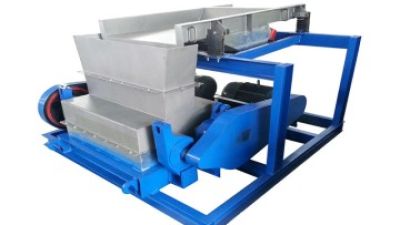
The double roll salt crusher machine represents a significant advancement in salt processing technology, particularly within the salt washing machinery sector. This innovative equipment is designed to enhance the efficiency of salt crushing and washing applications, catering to diverse needs ranging from food-grade salt production to industrial scales. With the capacity to handle between 5 to 100 tons of salt per hour, these machines are well-suited for both large salt washing plants and smaller operations seeking to improve their processing capabilities.
Recent industry reports highlight the growing demand for efficient salt processing solutions across various applications, including de-icing, water treatment, and chemical production. The double roll salt crusher employs a unique design that ensures consistent particle size and optimal purity, crucial for food-grade salt applications. As salt production continues to shift towards larger scale operations to meet rising global demands, the implementation of advanced machines like the double roll crusher is essential for manufacturers aiming to maintain competitiveness in the market.
Moreover, as sustainability becomes an increasing focus for various industries, employing innovative machinery can also promote greener practices in salt production. By optimizing energy consumption and improving overall process efficiency, modern salt processing equipment contributes to minimizing the environmental impact of salt extraction and production processes. As the industry evolves, the importance of integrating cutting-edge technology in salt washing and processing will only continue to grow.
FAQS
: Key features include robust construction, durable materials, adjustable settings, high crushing capacity, and ease of maintenance.
The hammer's design affects crushing efficiency. High-quality alloys enhance performance and durability.
Larger stones require more power and time to crush. Adjusting feed size can improve efficiency.
Operators should check for wear on the hammers. Worn hammers slow down the crushing process.
Complex designs can complicate maintenance, leading to increased downtime and decreased productivity.
A high throughput rate is desirable, but prioritizing it can compromise the quality of the produced material.
Higher speeds can increase crushing rates but may also result in faster wear and tear on the equipment.
User experiences highlight reliability and maintenance issues, indicating areas for improvement in selected models.
Higher quality materials reduce wear and improve the lifespan of the crusher, contributing to efficient operation.
Consider durability, performance, serviceability, and material compatibility to make an informed choice.
Conclusion
The article titled "Best Stone Hammer Crusher for Efficient Crushing Solutions" provides a comprehensive overview of stone hammer crushers, highlighting their key features, such as high efficiency and durability. It discusses the various types of stone materials suitable for these crushers, including limestone, granite, and other aggregates, emphasizing the versatility of the stone hammer crusher in different applications.
Furthermore, the working principle of stone hammer crushers is explained, detailing how they effectively reduce material size through impact and shearing forces. The article also explores various factors that influence crushing efficiency, such as material hardness and moisture content. Additionally, maintenance tips are provided to ensure optimal performance of hammer crushers over time. Overall, this resource serves as a valuable guide for those seeking effective crushing solutions with stone hammer crushers.