When it comes to the industrial world, efficiency really is king. It’s what keeps the lights on and the business running smoothly—think profitability and being able to sustain everything long-term. That’s where the Salt Drying Heater steps in—it’s a pretty crucial piece of the puzzle. I remember reading in Industrial Heating Magazine that companies can cut down energy costs by as much as 30% just by using smarter, more efficient heating equipment. So yeah, picking the right heater isn’t just a minor detail—it’s actually a big deal for keeping things running efficiently.
Dr. Emily Hawthorne from ThermoTech Solutions really nails it when she talks about the importance of modern drying tech. She says, “Investing in a good quality Salt Drying Heater can make a real difference—improving your product quality and cutting down on drying times.” But honestly, a lot of industries tend to overlook some key factors that actually impact heater performance—like whether the materials match up or how evenly the heat’s distributed.
Choosing a salt drying heater isn’t just about chasing the lowest initial price either. You’ve gotta think about what your specific operation needs. Some folks might focus on saving money upfront, but that can backfire in the long run with increased costs and inefficiencies. Taking a step back to honestly review your current heating setup can really open up some opportunities for making things better and more cost-effective in the end.
Understanding Salt Drying Heaters in Industrial Settings
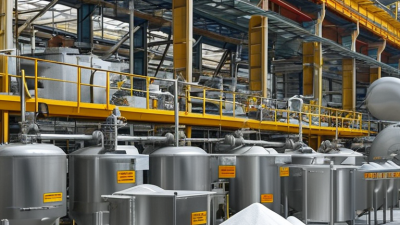
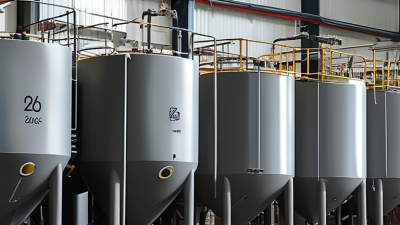
Salt drying heaters play a crucial role in various industrial settings. They help in the removal of moisture from salt, ensuring product quality. Without adequate moisture control, salt can clump together or degrade in quality. This affects both storage and transportation. Understanding how these heaters operate is key to maximizing their efficiency.
The design of salt drying heaters often focuses on airflow and temperature regulation. Proper airflow ensures uniform heat distribution, enhancing the drying process. Temperature control is also vital. Too high a temperature can lead to salt degradation, while too low might not remove enough moisture. Operators need to find the right balance for effective drying.
Maintenance is another area that warrants careful attention. Regular checks can prevent unexpected failures. Dust can accumulate, affecting performance. Operators often overlook this, leading to inefficiencies. Addressing these small details regularly can enhance the overall function of the heater, contributing to a more reliable industrial process.
Key Features to Look for in a Salt Drying Heater
When selecting a salt drying heater, certain critical features can greatly enhance efficiency. One of the most important aspects is the heater's control system. A precise temperature control allows for optimal drying conditions. Too high a temperature can degrade the quality of salt. A digital readout often eases the monitoring process.
The design of the heater should promote improved airflow. Good airflow facilitates even heat distribution. This feature helps prevent hot spots that can lead to clumping in the salt. Additionally, energy efficiency cannot be overstated. An efficient heater minimizes energy costs, contributing to overall savings in production.
Consider the materials used in construction as well. Durability is essential in industrial settings. Heaters made from high-quality, corrosion-resistant materials will perform longer. Yet, it’s also crucial to balance cost and functionality. Investing in a dependable heater can save money and time on repairs and replacements in the long run.
Always assess maintenance requirements. A simpler design often results in fewer breakdowns, but it’s important to remain vigilant about regular checks.
Types of Salt Drying Heaters and Their Applications
Salt drying heaters play a critical role in industrial applications, ensuring that salt is processed correctly for various uses. These heaters come in different types, each suited for specific operational needs. Electric, gas-fired, and thermal fluid heaters are among the most common. Electric models are popular in smaller setups, while gas-fired options are often chosen for their efficiency in larger operations.
The choice of a Salt Drying Hot Air Heater greatly impacts production. For instance, electric heaters offer rapid temperature control and are ideal for small batches. On the other hand, gas-fired heaters provide higher output and are suitable for bulk processing in demanding environments. Each type presents its unique set of advantages and challenges, making careful selection essential.
It's worth considering the maintenance aspect as well. Regular upkeep is necessary to ensure optimal performance and longevity. Some systems may experience inconsistent heating, leading to uneven drying. This can affect the final product quality. Users should reflect on these issues and aim for solutions that prioritize reliability and efficiency.
Efficiency Metrics for Industrial Salt Drying Processes
Efficiency in industrial salt drying processes is crucial for maximizing productivity. Various metrics can help measure how effectively a drying heater performs. Energy consumption is a key metric. An Edible Salt Heater should ideally use minimal energy while achieving optimal moisture extraction. This balance can directly affect operational costs and sustainability.
Another important metric is the drying rate. It refers to how quickly moisture is removed from the salt. An efficient heater can drastically reduce drying time, which enhances throughput. However, faster drying should not compromise quality. It's essential to monitor product integrity during the process. If salt dries too quickly, it can lead to undesirable clumping. This could require additional processing, erasing the gains achieved from faster drying.
Temperature uniformity is another critical factor. Uneven heating can result in inconsistent drying rates. A reliable salt drying heater should distribute heat evenly. Regular maintenance is needed to ensure consistent performance. Observations from long-term use indicate that neglecting this can lead to decreased efficiency. Therefore, understanding these metrics can significantly improve industrial salt drying operations, leading to better overall results.
Maintenance Best Practices for Salt Drying Heaters
When maintaining salt drying heaters, attention to detail is crucial. Regular inspections help identify potential issues early. Check for accumulated salt and debris, as this can hinder performance. A clean unit operates more efficiently, leading to reduced energy costs and improved output.
Periodic calibration of the Salt Washing Air Heater is essential. This ensures that the temperature control system functions correctly. Inaccurate readings can lead to over-drying or insufficient drying, both of which can affect product quality. Operators must take time to assess the heater's performance metrics regularly.
Proper ventilation is often overlooked in maintenance routines. Ensuring that air flows freely can prevent overheating and prolong the heater's lifespan. Operators should be aware of rust or corrosion that may develop in humid conditions. Addressing these issues promptly can prevent more significant repairs later. Maintenance practices evolve, and it’s vital to adapt and embrace new technologies and methods for the best results.
Comparative Analysis of Leading Salt Drying Heater Brands
When selecting a salt drying heater, a comparative analysis of industry leaders reveals crucial differences. Many professionals turn to
Hot Air Blower Heater
for effective drying solutions. Featuring advanced thermal efficiency, these units can reduce drying times by up to 30%. However, not every model delivers consistent performance. Factors like airflow and temperature uniformity play vital roles in overall efficiency.
In a recent industry report, it was highlighted that the right salt drying heater can improve product quality significantly. For instance, heaters with a calibrated temperature range ensure that no salt granules overheat. This precision is essential, as over-saturation can lead to undesirable clumping. Yet, some users report issues with humidity control, which can compromise the drying process, indicating a need for better technology integration.
Environmental considerations are also key. The latest findings show that efficient hot air blower heaters minimize energy consumption by up to 40%. Nevertheless, there remains a discussion about emissions. Some traditional models still contribute higher levels of pollutants. Continuous improvements in design and materials are crucial to meet stricter environmental standards. This ongoing evolution prompts users to rethink their options and select heaters that strike a balance between efficiency and sustainability.
Cost Considerations for Implementing Salt Drying Solutions
When considering the implementation of salt drying solutions, cost is a vital factor. According to industry reports, the initial investment in industrial salt drying heaters can range widely, with estimates between $20,000 to $150,000. This variation often depends on the heater's capacity and efficiency. Investing in high-efficiency models can lower operational costs long-term. They might require more upfront capital but, on average, reduce energy consumption by up to 30%.
Maintenance expenses are another essential consideration. Regular upkeep is critical to ensure optimal performance. Reports suggest that neglecting maintenance can increase costs by as much as 15% annually due to inefficiency and potential breakdowns. Additionally, the location of the facility affects costs. Proximity to energy sources or skilled labor can influence both installation and operational expenses.
It's also important to evaluate the return on investment (ROI). While top-tier salt drying heaters offer reliability, they may not always be the most cost-effective choice. Operators must weigh immediate costs against long-term savings. Careful analysis can reveal the best-performing option tailored to specific production needs. The journey to finding the right solution involves balancing quality with economic feasibility.
Best Salt Drying Heater for Efficient Industrial Use? - Cost Considerations for Implementing Salt Drying Solutions
| Heater Type |
Power (kW) |
Efficiency (%) |
Cost ($) |
Maintenance Cost/Year ($) |
| Electric Heater |
50 |
90 |
4000 |
500 |
| Gas Heater |
60 |
85 |
5000 |
600 |
| Infrared Heater |
40 |
95 |
4500 |
450 |
| Heat Pump |
70 |
92 |
6000 |
700 |
| Convection Heater |
55 |
88 |
4700 |
550 |
Maximizing Efficiency and Quality: Understanding the Market Trends and Innovations in Professional Salt Drying Machinery from China
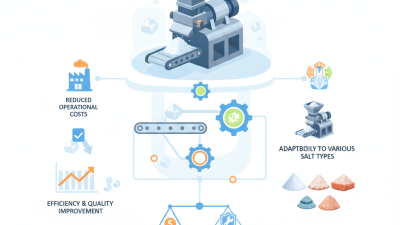
In the rapidly evolving landscape of salt washing technology, maximizing efficiency and maintaining quality are paramount. Recent market trends indicate a significant shift towards advanced machinery designed specifically for the unique challenges faced in salt processing. This includes handling larger and irregular particle sizes, which have traditionally posed difficulties in achieving optimal flow and consistency in production lines. Innovations in machinery are now enabling factories to operate with improved reliability and efficiency.
Among the standout solutions in this sector are specialized salt washing machinery designed for both drying and cooling applications. These machines excel in managing products that cannot easily flow due to their size or shape, ensuring that the integrity of the particles is preserved throughout the washing and drying process. By utilizing equipment that requires low fluidization speeds, salt processing facilities can enhance their operational performance while reducing waste and energy consumption. Such advancements not only boost the efficiency of salt washing but also align with modern sustainability goals, driving the industry forward.
As the demand for high-quality salt continues to grow, understanding and leveraging these technological innovations are crucial. The focus on enhancing machine performance in salt washing and drying not only supports operational excellence but also caters to the evolving needs of the market, reflecting a broader trend towards automation and efficiency in industrial processes.
FAQS
: Look for precise temperature control and efficient airflow. These features enhance drying efficiency and prevent clumping.
Monitor energy consumption and drying rates. Both metrics help assess the heater's performance and identify potential issues.
Precise temperature control maintains quality. High temperatures can degrade salt, leading to poor product integrity.
Choose durable, corrosion-resistant materials. They enhance longevity but balance cost and functionality in your selection.
Regular maintenance reduces inefficiencies. Neglecting this can increase operational costs by up to 15% annually.
Initial investments can range from $20,000 to $150,000, depending on capacity and efficiency.
Faster drying can enhance throughput, but it should not compromise quality. Uneven drying may lead to clumping.
Energy-efficient heaters can lower operational costs significantly. They balance upfront investment with long-term savings.
ROI evaluates the balance between immediate costs and future savings. Assess top-tier options carefully for best outcomes.
It is crucial. Consistent checks maintain performance and prevent long-term inefficiencies that can escalate costs.
Conclusion
Salt drying heaters play a crucial role in industrial applications, designed to efficiently remove moisture from salt products. Understanding the fundamental aspects of these heaters is vital for effective implementation. Key features to consider include energy efficiency, durability, and control systems that enhance the drying process. Various types of salt drying heaters are available, each tailored for specific industrial needs, ensuring optimal performance.
Efficiency metrics are essential for evaluating the effectiveness of salt drying processes, while maintenance best practices are critical for extending the lifespan of these heaters. A comparative analysis of leading salt drying heater brands can offer insights into performance and reliability, guiding industries in making informed decisions. Additionally, cost considerations must be factored into the overall implementation strategy, balancing initial investments with long-term operational savings. Overall, selecting the right salt drying heater is integral to enhancing productivity in industrial settings.