Leave Your Message
Buying a commercial Electric Hot Air Furnace isn’t just about comparing the rated output on paper. From a global buyer’s perspective, there’s a lot more to consider—like how consistent the temperature really stays, how the airflow design works, insulation quality, control precision, ease of service access, and whether replacement parts are readily available. Sometimes, a unit that looks fantastic in a brochure might behave totally differently once you set it up in a dusty workshop or a humid production zone, especially if there’s a lot of door opening. Little details actually matter quite a bit. It’s a good idea to ask manufacturers for operational data in conditions that closely mimic your own environment—don’t just rely on the flashy efficiency numbers in their brochures.
This guide is meant to help you compare different manufacturers who serve international buyers, and it points out some key questions to ask before you request a quote. Important stuff includes heating capacity, airflow volume, temperature range, control options, installation requirements, warranty details, and technical support. And don’t forget to consider expert insights—like what industrial-heating pro Elena Park suggests: “Pick a furnace based on the process and airflow you actually need, not just the biggest number on the nameplate.” That’s an easy thing to overlook, but it’s pretty crucial. It also reminds us that specs need context—you can’t just go by what’s published without some due diligence. Use these comparisons as a jumping-off point, but always follow up with the supplier to verify real-world performance, setup options, and ongoing support. It’s all about making an informed choice that really matches your needs.
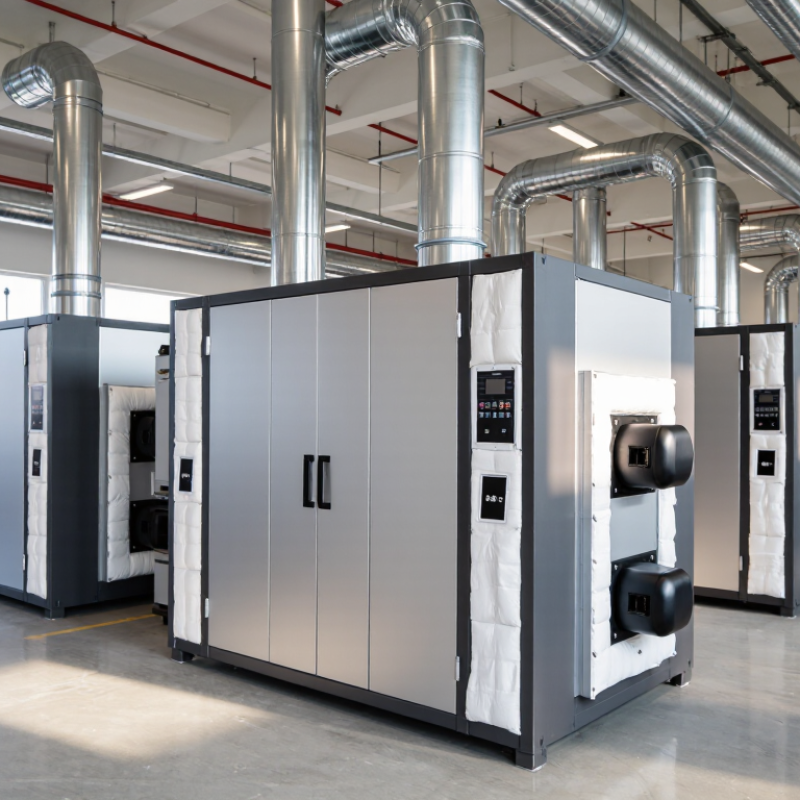
An electric hot-air furnace heats air with resistance elements, then moves it through a chamber using a fan. Unlike a combustion furnace, it does not burn fuel inside the heating unit. Air passes over the energized elements, gains heat, and exits through a duct or outlet. A thermostat or controller switches the elements and fan to maintain the target temperature. Simple in principle. In practice, airflow, element spacing, insulation, and controls all affect temperature uniformity.
The International Energy Agency’s Electricity 2024 report recorded global electricity-demand growth of 2.2% in 2023 and projected average annual growth of 3.4% for 2024–2026. That wider trend makes electrical capacity and operating costs important checks when sizing industrial heating equipment; it is not a furnace-performance benchmark. The term Hot Air Blast Furnace can describe a different industrial context, so buyers should confirm the equipment type and intended process before comparing specifications.
Tips: Check the rated airflow, temperature range, and control accuracy against your material and production speed. Ask for temperature-uniformity test data at the actual operating load, not just an empty-chamber reading. A small mismatch in airflow can leave one corner cool. That detail is easy to overlook. Also review insulation condition and electrical demand during startup, when heating elements may draw substantial power.
| Dimension | Established Technical Information | What Global Buyers Should Verify |
|---|---|---|
| Definition | An electric hot air furnace heats air using electrically powered heating elements and moves the heated air through a chamber, duct, or process area. | Confirm whether the equipment is designed for space heating, industrial process air, drying, curing, or another specified use. |
| Operating principle | Electrical resistance in the heating elements produces heat. A fan or blower moves air across or around the elements, transferring heat to the air stream. | Check the airflow direction, fan arrangement, heater staging, and whether the unit is designed for continuous or intermittent operation. |
| Heating elements | Resistance elements commonly use alloys such as nickel-chromium or iron-chromium-aluminium. Element material and construction depend on operating temperature and application. | Request element material, allowable element temperature, expected service conditions, and replacement-part specifications. |
| Heat output and electrical input | For a resistance heater, 1 kW of electrical input produces approximately 1 kW of heat at the element. Delivered system performance can be lower because of heat loss and air-distribution conditions. | Compare rated electrical input with specified useful heat output, and confirm the rating conditions and measurement method. |
| Airflow and temperature rise | For air near ordinary atmospheric conditions, the approximate relationship is: heat output (kW) ≈ 0.000335 × airflow (m³/h) × temperature rise (°C). | Validate the required airflow and temperature rise together; the formula is an estimate and actual results depend on air density, pressure, and system losses. |
| Electrical supply | Available supply voltage and frequency vary by country and facility. Industrial installations may use single-phase or three-phase power, depending on load and local supply. | Specify the site voltage, frequency, phase, maximum current, connection method, and required electrical protection before ordering. |
| Temperature control | Temperature may be controlled using sensors, a controller, and switched or modulated heater stages. Control performance depends on sensor placement, airflow, and system design. | Confirm the control range, temperature tolerance, sensor type, control interface, and whether independent over-temperature protection is included. |
| Airflow and safety interlocks | Airflow monitoring and interlocks can prevent or limit heater operation when required airflow is not present. Over-temperature protection is also used in many designs. | Ask for the control sequence, airflow-failure response, over-temperature shutdown method, and restart procedure. |
| Installation and heat loss | Insulation, duct length, leakage, ambient conditions, and recirculation affect the temperature delivered to the process or occupied area. | Assess the complete air path and installation conditions, not just the furnace rating. Check required clearances and insulation details. |
| Application suitability | Electric hot air equipment can be used for applications such as process-air heating, drying, and space heating when the equipment is designed and rated for the intended duty. | Provide the process temperature, airflow, operating schedule, air composition, and any dust, moisture, or corrosion concerns. |
| Documentation for international procurement | Electrical and product requirements depend on the destination market and the equipment’s intended use. | Request the wiring diagram, technical datasheet, installation and operating instructions, test documentation, and confirmation of applicable local requirements. |
Technical values and requirements depend on the specific design and installation. Buyers should confirm all ratings and compliance requirements with the equipment supplier and the relevant local authorities.
Industrial hot air furnaces support manufacturing by delivering consistent heat to processes where temperature stability and dependable operation matter. The U.S. Department of Energy’s *Bandwidth Study on Energy Use and Potential Energy Saving Opportunities in U.S. Manufacturing* (2015) estimates that process heating accounts for about 36% of manufacturing energy use. That makes efficient heat generation and careful temperature control important: they can help reduce wasted energy while maintaining repeatable production conditions.
A well-designed furnace circulates clean, high-temperature air and adjusts output to match process requirements. Precise control can help protect product quality during drying and heating, while stable operating features support continuous production. Equipment adaptable to different heat sources can also give facilities more flexibility as fuel availability and operating needs change. These capabilities are useful across chemical processing, food production, building-material manufacturing, and other drying applications.
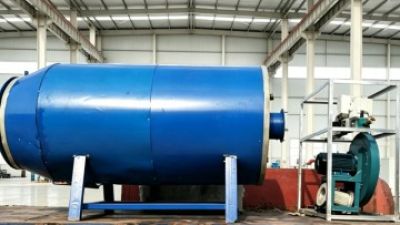
For plants evaluating general-purpose equipment, a China-manufactured industrial hot air furnace with high-efficiency operation, energy-saving design, and safeguards for stable use can be a practical option. The International Energy Agency reports that industry accounts for roughly 37% of global energy consumption, underscoring why dependable, efficient process heat matters. Selecting a furnace should also involve matching its capacity, temperature range, and heat-source configuration to the specific material and production cycle.
Resistance elements warm the air. A fan moves it through the chamber and out through a duct or outlet. Simple in principle.
No. It uses energized heating elements rather than burning fuel in the heating unit.
Airflow, element spacing, insulation, and controls all matter. A loaded tray may leave one corner cooler than expected.
Compare rated airflow, temperature range, and control accuracy with your material and production speed. Small mismatches matter.
Ask for results under your actual operating load, not just an empty-chamber reading. Empty tests can be misleading.
Check voltage, frequency, and electrical demand, including during startup. Heating elements may draw substantial power then.
Ask about over-temperature protection, component materials, and access to sensors and heating elements. Easy access can save time.
Request wiring diagrams, control specifications, and a sample test report using your product or a representative load. Review gaps carefully.
Not always. Confirm real operating limits, insulation condition, and spare-part availability. I would still verify the details.
This guide introduces the Electric Hot Air Furnace, explaining how it converts electrical energy into heat and circulates warm air for controlled industrial and commercial processes. It reviews 2026 market trends and applications, including demand for efficient, reliable heating across different operating environments. Readers will learn which features distinguish leading manufacturers, such as temperature control, energy performance, build quality, safety systems, and customization options.
The article also outlines how global buyers can compare equipment and evaluate manufacturers using technical specifications, production capabilities, service resources, and total ownership costs. It highlights practical considerations for international sourcing, including applicable standards, documentation, delivery planning, installation support, warranties, and after-sales service. Together, these topics provide a clear framework for identifying a suitable furnace solution and building a dependable supplier relationship.