Leave Your Message
0%

Honestly, picking the right salt-processing machinery isn't like just flipping through a catalog. Think about it—a facility dealing with damp, coarse salt has totally different requirements than one that's refining fine crystals for food products. Capacity's important, sure, but it's not the be-all and end-all. You've also got to weigh in things like feed consistency, how well the equipment holds up against corrosion, whether you can actually get in there to clean it properly, energy consumption, and, you know, the practical stuff like how much room you've got around your existing conveyors and dryers. And the little things? They can trip you up more than you'd expect. For instance, if an inspection door is in a bad spot, something as simple as doing routine checks turns into a whole awkward ordeal.

So, for this guide, we're looking at things from a salt-processing angle, and we've got this fictional technical adviser named Alex Morgan to help us out. Alex's whole philosophy? "Buy for the salt you actually process, not the capacity you hope to reach." And just to be clear, that's not from a real interview—I crafted that quote for this piece. But it's a handy mindset, you know? You've got to compare equipment against your real feed samples, figure out your target moisture, how much throughput you're truly after, and what the maintenance situation looks like. Basically, keep it grounded in what you're actually dealing with, not some pie-in-the-sky goal. So, about [Washed Salt Equipment](https://www.sdruitu.com/china-custom-washed-salt-equipment-factory-service) – yeah, that could be a solid match for lines where you really need to keep washing and dewatering under control. But honestly, when it comes to drying, screening, and packing, you're going to want to give each of those systems its own careful once-over.

So, when you're putting together your 2026 buyer's shortlist, you've really got to nail down the basics—clear specs, easy access for maintenance, spare parts that won't leave you hanging, and test results that actually match the conditions you'll be operating in. I'd also ask suppliers straight up: how does your gear handle salt that varies in size and moisture? Don't be shy about requesting drawings, utility numbers, and a maintenance schedule that's realistic, not just a wish list. Look, no shortlist is perfect—you'll always find gaps, especially when the site where you'll install things doesn't exactly mirror their test setup. It's just part of the game. You know those gaps? Don't just brush them off—treat them like puzzles you need to solve. This overview is for buyers worldwide, helping them compare salt equipment more carefully. But remember, there's no one-size-fits-all: the right setup really depends on each plant’s product, process, and what they're aiming to achieve.
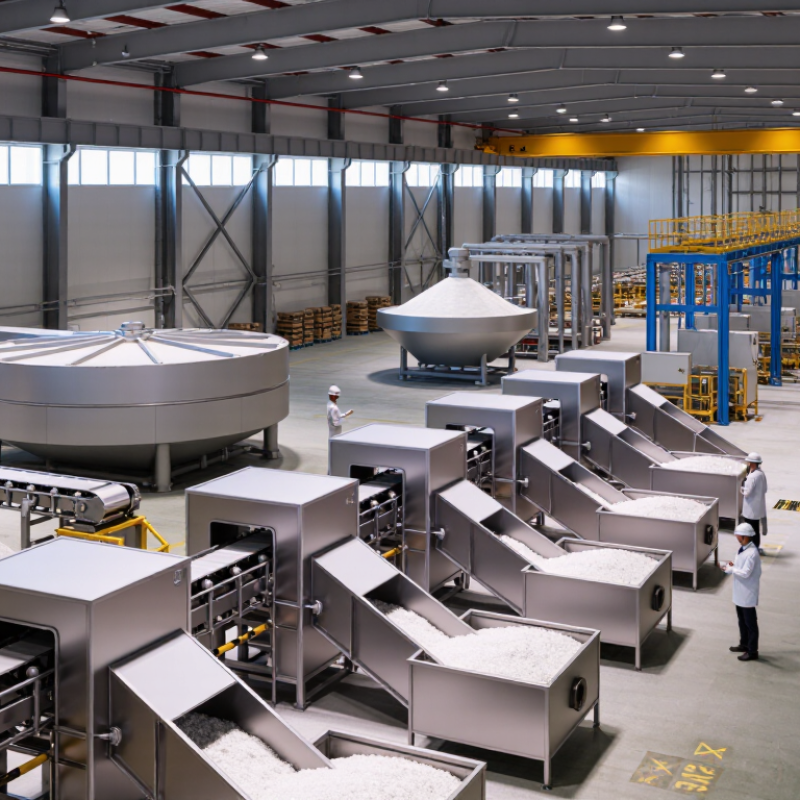
2026 Best Salt Processing Equipment for Global Buyers

Salt Processing Goals and Common Product Types

Salt processing goals begin with the product, not the machine list. Food-grade salt may need controlled washing, drying, and screening, while road or industrial salt often prioritizes steady throughput and a practical grain size. Small differences matter. A few wet clumps can interrupt bag filling, and excessive fines may create dust during handling.

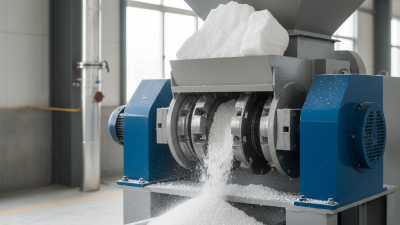
Common products include coarse crystals, fine table salt, flake salt, and industrial grades. Each calls for a different combination of equipment. Salt Washing Equipment helps reduce surface impurities, but washing also adds moisture and increases drying demand. Crushers and mills adjust crystal size; vibrating screens separate size fractions. Rotary or fluid-bed dryers can lower moisture, depending on feed conditions and the required output. The details count.

Buyers should define target purity, capacity, particle-size range, and incoming salt moisture before comparing equipment. A sample test can reveal whether crystals break easily or retain excess brine. That is useful. A plant plan is rarely perfect on paper; raw salt can vary by source and season. It may be tempting to choose the largest machine, yet oversized capacity can leave equipment underused. Ask suppliers for measurable test conditions, including feed rate and final moisture, and record the results.

Typical Process Flow from Raw Salt to Finished Product

A typical salt-processing line starts with receiving and inspecting raw rock salt or harvested brine salt. Rock salt is crushed and screened; surface dirt may be removed by washing. Brine-based feed often needs clarification before evaporation. The route depends on feed quality. There is no single ideal flow.

After cleaning, salt is dewatered, dried, and screened to meet target size. Fine crystals may suit table use, while coarser grades serve other applications. The USGS Mineral Commodity Summaries 2025 estimated global salt production at about 270 million metric tons in 2024. That scale makes consistent moisture control and reliable conveying important. Operators should check moisture, particle-size distribution, and purity at practical points along the line. Small details matter. A missed wet patch can cause clumping later. Even experienced teams may need to adjust settings as feed quality changes.

Tips: Sample incoming material before choosing equipment capacity. Track dryer outlet moisture and screen performance during each shift. Keep dust collection and transfer points in the inspection routine. These checks are simple, but they are easy to overlook.

Equipment for Salt Washing, Refining, and Purification

Salt washing, refining, and purification begin with a clear picture of the feed: crystal size, insoluble matter, moisture, and brine chemistry. The U.S. Geological Survey’s Mineral Commodity Summaries 2025 estimated global salt production at about 270 million metric tons in 2024. That scale makes consistent process control important, but production volume alone says nothing about product purity. For food-grade salt, Codex Alimentarius sets a minimum sodium chloride content of 97% on a dry-matter basis, excluding additives. Small details matter. Buyers should match washer capacity, screen openings, and brine circulation to the actual feed, rather than relying on catalogue capacity alone.

A well-designed line limits crystal breakage while removing clay and other insoluble material. Check wash-water use and salt losses together; a cleaner product can still be an inefficient one. Refining stages may include dissolution, clarification, and recrystallization, depending on the impurity profile. Centrifuges then reduce surface moisture, while Vacuum Drying Equipment can help control final moisture and caking risk. Not glamorous. Ask suppliers for test results using representative feed, plus data on water, energy, and product recovery. I would not assume one trial proves year-round performance: raw salt and ambient humidity can vary, and that uncertainty deserves a place in the design.

Drying, Milling, Screening, and Packaging Equipment

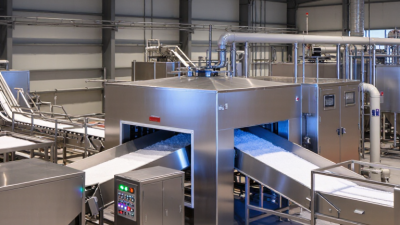
For salt processors, a dependable line connects drying, milling, screening, and packaging without overlooking product quality. A dryer should match incoming moisture, salt throughput, and the available heat source. Uneven drying can leave damp pockets that cause clumping later. Small checks matter.

After drying, milling equipment helps achieve a more consistent particle size for the intended application. Screening separates oversized grains and fines, but mesh selection should reflect real product samples, not assumptions. Ask suppliers to test representative salt and share the results. A perfect-looking sample may not reflect daily production.

Packaging equipment should protect the finished salt from moisture and support the required bag sizes and filling rates. Confirm changeover time, dust control, and access for cleaning before choosing a configuration. Belt Conveying Equipment can move salt between stages, but transfer points need attention because abrasion and spillage can build up. Compare capacity, material contact surfaces, maintenance access, and energy use across the complete line. There is no single layout for every plant. Recheck operating conditions after installation; actual salt behavior may expose details that a specification sheet misses.

2026 Best Salt Processing Equipment for Global Buyers — Drying, Milling, Screening, and Packaging

Indicative throughput ranges for industrial salt-processing equipment. Actual capacity depends on salt moisture, particle size, product specification, and equipment configuration; confirm requirements with suppliers before selection.

How to Match Equipment to Capacity and Salt Type

Selecting salt processing equipment starts with the feed, not a catalogue capacity. Solar salt often needs washing, screening, and drying to remove clay and control moisture. Mined rock salt usually needs crushing and grading first. Vacuum salt requires crystallization, centrifuging, and drying. Details matter.

The USGS Mineral Commodity Summaries 2025 estimates 2024 global salt production at about 270 million metric tons. That figure shows the market’s scale, but it does not specify an individual plant’s needs. Buyers should calculate hourly throughput from usable operating hours, expected recovery, and seasonal peaks. For example, a line processing 20 metric tons per hour over 16 hours handles 320 tons nominally, before downtime and losses.

Salt type also affects wear and product quality. Abrasive rock salt can call for tougher crusher liners and accessible screens. Fine vacuum salt may need gentle conveying to limit breakage and dust. Ask suppliers to test a representative feed sample, including its moisture and particle-size range. A spreadsheet helps, but real feed varies. That part is easy to underestimate.

Global Buying Criteria: Quality, Compliance, and Total Cost of Ownership

Global buyers should compare salt-processing lines by verified output, not brochure capacity. USGS’s Mineral Commodity Summaries 2025 estimates 2024 world salt production at about 270 million metric tons. That scale makes uptime, wash-water handling, and consistent crystal size practical purchasing concerns. Ask for test results using feed salt close to yours in moisture, impurities, and grain size. Small details matter.

Quality evidence should follow the product through every stage: corrosion-resistant contact surfaces, guarded conveyors, calibration records, and documented cleanability. For food-grade applications, request material declarations and certificates relevant to the destination market; requirements vary by use and country. The IEA’s Energy Efficiency 2023 report attributes about 37% of global energy demand to industry. This is a warning, not a salt-plant benchmark. Compare measured kilowatt-hours per finished tonne, including drying and dust collection. Assess Hot Air Heating Equipment at actual inlet moisture and target temperature, not under empty-line conditions.

Total cost of ownership includes spares, labor, downtime, water, and disposal—not only purchase price. Request clear factory and site acceptance-test scopes, warranty exclusions, and consumables lists. A low quote can conceal long lead times for screens or bearings. One awkward point: buyers may not independently verify lifetime savings before installation. Use conservative assumptions and record them. Keep commissioning data; revisit it after six months.

Alkaline Process Bromine Extraction Equipment: Design, Selection, and Automation Solutions

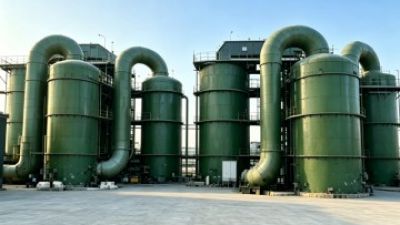
Alkaline-process bromine extraction equipment should be designed around the feed’s bromide concentration, flow rate, impurities, and operating variability. Seawater, concentrated brine, salt-lake brine, oilfield water, industrial wastewater, and desalination streams each require a different pretreatment and materials strategy. The U.S. Geological Survey’s *Mineral Commodity Summaries 2024* reports U.S. bromine production of approximately 240,000 metric tons in 2023, illustrating the scale that industrial systems may need to support. For air-blowing processes, engineers should assess gas–liquid contact efficiency, tower sizing, corrosion resistance, and the energy demand of air circulation and downstream recovery.

Equipment selection should also consider modular capacity, water and reagent use, maintenance access, and safe management of process streams. Automated controls can monitor flow, pH, pressure, temperature, and key process indicators, adjusting operating conditions as feed quality changes and alerting operators to deviations. A suitable system combines alkaline conditioning, efficient air stripping, and recovery equipment with instrumentation that supports stable, continuous operation. Comparing these features against site-specific sampling and production targets helps determine whether a system is appropriate for brine, seawater, or wastewater applications.

FAQS

What should buyers define before choosing salt-processing equipment?

Set target purity, hourly capacity, particle-size range, and incoming moisture. Test a representative sample. Paper estimates can miss real feed variation.

How does salt type affect the processing line?

Solar salt may need washing, screening, and drying. Rock salt often needs crushing and grading. Vacuum salt requires crystallization, centrifuging, and drying.

Why is washing not always a simple solution?

Washing can reduce surface impurities, but it adds moisture and increases drying demand. That trade-off matters.

What equipment helps control crystal size?

Crushers and mills reduce crystal size, while vibrating screens separate size fractions. Gentle handling can help limit breakage in fine salt.

How can a plant estimate its required capacity?

Calculate throughput using operating hours, expected recovery, and seasonal peaks. A line processing 20 metric tons per hour for 16 hours has 320 tons of nominal capacity. Downtime lowers the actual total.

What should operators monitor during production?

Check moisture, particle-size distribution, and purity at practical points along the line. Track dryer outlet moisture and screen performance each shift. Small checks, easily missed.

Why does raw salt need inspection before equipment selection?

Feed can vary by source and season. Sample its moisture and particle sizes, and check whether crystals break easily or retain brine.

What can cause clumping or dust during handling?

Wet patches can lead to clumps during bag filling. Excessive fines may create dust, so inspect transfer points and dust collection. A spreadsheet alone is not enough.

Conclusion

Choosing the right Salt Equipment starts with defining the finished product, its purity, moisture level, particle size, and target output. A typical production line moves raw salt through washing or refining, purification, drying, milling, screening, and packaging. Each stage should be selected to suit the salt’s characteristics and the intended market, while supporting consistent quality and efficient operation.

Capacity, process integration, and future expansion are important when comparing equipment options. Buyers should also assess construction quality, hygiene and safety features, applicable quality requirements, energy and water use, maintenance needs, spare-parts availability, and total cost of ownership. A well-matched system can help turn raw salt into a reliable finished product while balancing production goals with long-term operating costs.

Isabella

Isabella

Isabella is a dedicated marketing professional with extensive expertise in the field of bromine extraction equipment. As a prominent figure within her company, she plays a crucial role in driving innovative solutions for the domestic EPC contracting market. With a strong focus on research and......
Previous How to Choose Belt Conveying Equipment in 2026?