Leave Your Message
0%

Picking out the best PTFE lined elbow for 2026 isn't just about glancing at prices or flipping through catalog photos. Buyers around the world really need solid proof of chemical resistance, precise dimensions, traceability, and reliable support. You might look at two fittings that seem identical at first glance, but their actual performance can be worlds apart.

Industry data back this up. According to Grand View Research, the fluoropolymers market is driven by demands from industries like chemical processing, semiconductor manufacturing, and industrial piping. And MarketsandMarkets keeps emphasizing how fluoropolymer growth continues, mainly because it’s essential for corrosion control and maintaining strict process reliability. That's why, when you're looking at an Lined Ptfe Elbow, it's important to remember it often operates in tough environments—exposing acids, solvents, chlorides, or super high-purity fluids that would just eat away at normal metal fittings.

So, what really matters? The specs. Buyers should dig into details like the PTFE grade, lining thickness, vacuum suitability, flange drilling patterns, maximum temperature, and weld quality. While referencing standards like ASME, ASTM, and ISO can help compare suppliers, don’t just take their word for it—always ask for supporting documents. Material certificates, inspection reports, pressure test results, even photos of the manufacturing process—they all help paint a clearer picture. Little things count too—like a smooth bore, a clean flange face, and consistent lining around the elbow curve—that can really impact how long the fitting lasts.

And the little details are often the difference between something that lasts and something that doesn’t.

Experience matters, too. Sometimes, you’ll find suppliers boasting about high pressure ratings but leaving out crucial info about how temperature affects those ratings or what the installation conditions should be. That’s a red flag worth noting. A solid decision for 2026 should be based on a mix of official data, independent inspections, overall cost, and the supplier’s track record in real-world applications. This guide aims to walk buyers through those key points so they can confidently choose a dependable, high-performing product around the globe.
2026 Best PTFE Lined Elbow for Global Buyers?

PTFE-Lined Elbow Basics: Structure, Materials, and ASME B16.5 Dimensions

PTFE-Lined Elbow Basics: Structure, Materials, and ASME B16.5 Dimensions

A PTFE-lined elbow combines a corrosion-resistant inner liner with a pressure-supporting metal shell. The liner usually follows a 45° or 90° flow path, while PTFE flares across the flange sealing face. This continuous surface helps protect the elbow from acids, solvents, and aggressive process fluids. The outer shell is commonly carbon steel, stainless steel, or another suitable alloy. It carries mechanical loads, but it does not replace correct piping design. In practical inspections, small liner damage near the flange often causes larger problems than expected.

Tips: Check the nominal pipe size, pressure class, flange facing, and temperature range together. ASME B16.5 defines key flange dimensions, including outside diameter, bolt-hole layout, thickness, and facing details. However, it does not define every elbow face-to-face dimension. That length may depend on the elbow design or manufacturer’s dimensional standard. Confirm this point before ordering. A drawing is safer than a catalogue image.

PTFE has excellent chemical resistance, but its strength changes with temperature and pressure. Thermal expansion can create stress around the liner and flange area. Careful users review vacuum conditions, cycling frequency, gasket compatibility, and bolt tightening procedures. One detail is easy to miss: matching bolt holes does not guarantee a suitable lining or flow geometry. Measure twice. A reliable specification should state NPS, pressure class, liner thickness, shell material, flange type, and inspection requirements. Even experienced buyers sometimes leave one item unclear.

Key PTFE Properties: 327°C Melting Point and 260°C Service Limit

For global buyers, a Ptfe Lined Elbow should be judged beyond its 327°C melting point. This value describes phase transition, not safe operation. Published fluoropolymer data from the National Institute of Standards and Technology places PTFE melting near 327°C. However, common continuous service guidance limits use to approximately 260°C. The gap is critical.

At 240°C, a lined elbow may look stable while pressure capability declines. Thermal expansion can also stress the liner against the steel shell. ASTM D4894 and ISO 12086 provide recognized methods for evaluating PTFE resin properties, but they do not replace component testing. Buyers should request pressure-temperature curves, liner thickness, vacuum limits, and cycling results. A 260°C rating alone is incomplete.

In field inspections, sharp bends often reveal the problem first. A poorly supported elbow can develop distortion near the flange after repeated heating and cooling. Chemical compatibility matters too. PTFE resists many corrosive media, but permeability, abrasion, and mechanical loading still require review. The European Chemicals Agency’s fluoropolymer assessment materials also emphasize controlling processing and end-use conditions. That deserves attention.

Do not overtrust one number. A better specification states 327°C melting behavior, 260°C service guidance, operating pressure, cycle frequency, and installation limits. One detail is easy to miss: the metal shell may tolerate the temperature while the liner loses dimensional stability. That mismatch can be costly.

2026 Best PTFE-Lined Elbow for Global Buyers?

Key PTFE thermal properties provide a practical reference when evaluating lined elbows for high-temperature chemical and process applications.

PTFE has a melting point of approximately 327°C and a commonly cited continuous-use temperature limit of approximately 260°C. The glass transition temperature is typically around 115–120°C. Actual elbow performance also depends on pressure, chemical exposure, lining thickness, cycling, and installation conditions.

Selecting Liner Thickness for Corrosion, Vacuum, and Pressure Conditions

2026 Best PTFE Lined Elbow for Global Buyers?

Selecting liner thickness begins with the service, not the elbow size. The NACE IMPACT study estimated global corrosion costs at about US$2.5 trillion annually, or 3.4% of global GDP. That figure explains why a small thickness decision deserves serious engineering review.

For most chemical transfer duties, a 3–5 mm PTFE liner may provide a practical starting point. Highly permeating chemicals, abrasive particles, or frequent thermal cycling can require a thicker design. However, thickness alone does not guarantee longer service.

PTFE can creep under pressure, while sudden cooling may create vacuum conditions inside the Ptfe Lined Pipe Elbow.

ASTM F1545 covers plastic-lined steel pipe and fittings, but the final design still needs temperature, pressure, vacuum, and flange-load verification. A vacuum-rated elbow may need structural backing, not simply extra liner material. This point is often underestimated.

Tips:

Request liner thickness, allowable vacuum, operating temperature, and test records in writing. Compare continuous pressure with surge pressure. Check the flange face under real installation conditions. Ask whether the liner was inspected after forming.

A bright surface is not proof of sound adhesion. I have seen specifications focus heavily on corrosion resistance while overlooking vacuum collapse during drain-down.

That is a useful warning. Recheck the weak assumption.

Comparing 45° and 90° Elbows by Flow, Radius, and Pressure Loss

For global buyers, a PTFE-lined elbow should be selected by flow behavior, not angle alone. A 45° elbow usually creates less turbulence than a 90° elbow. Its gentler change in direction can reduce pressure loss and protect sensitive process flow. It also needs more installation space. Check the internal radius, bore size, liner smoothness, and operating velocity. Keep the technical drawing nearby.

A 90° elbow suits compact layouts and sharp directional changes. However, its pressure loss can be much higher, especially with a short radius. A long-radius 90° elbow normally performs better because the flow turns more gradually.

Engineers often estimate loss with a resistance coefficient, or K value, then compare equivalent pipe length. Values vary by geometry. Do not copy a generic table without checking the actual fitting.

Pressure loss also affects pump selection and operating cost. During commissioning, pressure gauges before and after the elbow can reveal unexpected restriction. A small reading difference may still matter at high flow rates.

PTFE-lined designs require checks for temperature, vacuum conditions, flange loading, and liner damage. A rough calculation can mislead. I once focused on the elbow angle and overlooked a reduced upstream bore. The fitting was acceptable, but the piping system still lost flow. This detail deserves review.

Global Standards: ASTM F1545, ASME B16.5, and EN 1092-1 Compliance

For global buyers, a PTFE-lined elbow must satisfy more than corrosion-resistance claims. ASTM F1545 defines requirements for plastic-lined ferrous metal pipe, fittings, and flanges, including liner quality and construction. For a Dn50 Ptfe Lined Elbow, buyers should verify the nominal size, liner thickness, steel backing, and joining method against the purchase specification.

ASME B16.5 provides flange dimensions, pressure-temperature ratings, materials, tolerances, and marking requirements. EN 1092-1 uses PN classifications and European flange dimensions. These systems are not automatically interchangeable.

A PN16 drilling pattern may not match an ASME Class 150 connection. Physical inspection matters. Check bolt-hole count, pitch-circle diameter, face type, and gasket seating before shipment.

Grand View Research reported that the global fluoropolymer market reached approximately USD 8.6 billion in 2023, with chemical processing among its major applications. That demand reflects real exposure to acids, solvents, and heated fluids. Still, market growth does not prove every lining will perform equally. Independent test records, material certificates, hydrostatic results, and spark-test data provide stronger evidence. One practical weakness remains: suppliers may state “ASTM compliant” without identifying the tested assembly. Buyers should request clause-level documentation, temperature limits, and traceable inspection photographs. That extra review can prevent a costly mismatch at installation.

Quality Testing: Spark Testing, Hydrotesting, and 100% Liner Inspection

For global buyers in 2026, a PTFE lined elbow should be judged by evidence, not appearance alone. In field inspections, small liner defects often appear near the flange edge or elbow radius. These areas deserve close attention before shipment.

Spark testing checks the liner for pinholes and weak spots. A controlled electrical probe travels across the PTFE surface without damaging it. The voltage must match the liner thickness and test procedure. Excessive voltage can create misleading results.

Hydrotesting then checks pressure integrity through the complete elbow assembly. Inspectors should record pressure, holding time, temperature, and visible leakage. Clear records matter.

Every liner needs inspection. That means checking the bore, weld transition, flange face, and liner seating. Uneven thickness, wrinkles, exposed metal, and trapped particles should trigger review.

Photographs help connect findings with specific production stages. No test catches every defect. This is easy to forget.

Experienced teams combine spark testing, hydrotesting, dimensional checks, and visual inspection. They also verify test equipment calibration before testing.

A final 100% liner inspection may slow delivery slightly, but rushed acceptance creates greater uncertainty. Buyers should request signed reports, inspection criteria, and traceable measurements before approving the elbow.

2026 Buyer Checklist: Traceability, Certifications, Lead Time, and Cost

2026 Best PTFE Lined Elbow for Global Buyers?

A reliable Dn80 Ptfe Lined Elbow begins with traceability, not a low quotation. Request heat numbers, lining batch records, dimensional reports, and photographs before shipment. ASTM F1545 provides a useful reference for plastic-lined ferrous pipe and fittings. Ask suppliers to confirm lining thickness, holiday testing, flange dimensions, and operating temperature. A certificate alone is not proof of every batch.

Certification deserves careful checking. ISO’s 2022 Survey recorded more than 1.2 million ISO 9001 certificates worldwide. That figure shows broad adoption, but it does not guarantee process quality. Request a current certificate, issuing-body details, and scope covering lined fittings. ASME B16.5 alignment can reduce connection risks, especially when bolt holes meet unfamiliar site piping. The World Bank’s 2023 Logistics Performance Index evaluates timeliness across 139 economies. Lead time still depends on port capacity, customs, inspection, and documentation.

Tips: Compare landed cost, not unit price. Include freight, duties, testing, packaging, and possible rework. Ask for a realistic production schedule with inspection milestones. A five-day promise may hide material shortages. Also, review the failure history. This step is often skipped. It should not be. For critical service, request a sample inspection plan and independent verification rights before payment. Prices can fall, but traceability rarely returns after shipment.

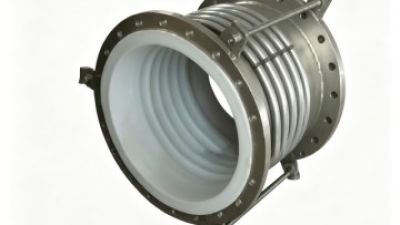
PTFE-Lined Expansion Joints for Corrosive Media: Ruitu Automation’s Reliable China Supplier Solution

PTFE-lined expansion joints are designed for piping systems that transport highly corrosive media, including strong acids, alkalis, and other aggressive chemicals. Manufactured in China, this bellows expansion joint combines a durable metal structure with an internal polytetrafluoroethylene lining, providing reliable protection against chemical attack. Its primary function is to absorb thermal expansion, contraction, and mechanical vibration, helping maintain stable operation in demanding industrial environments.

The flexible bellows provide substantial movement compensation, reducing stress caused by pipeline deformation, temperature fluctuations, and equipment vibration. This helps protect connected pipes, valves, and process equipment while supporting longer service life for the entire system. A flange connection structure enables secure installation, convenient alignment, and adaptability to different piping layouts. With strong chemical resistance, dependable sealing performance, and effective stress relief, this expansion joint is a practical solution for chemical processing, pharmaceutical production, wastewater treatment, and other industries requiring reliable corrosion-resistant pipeline components.

FAQS

: What liner thickness is a practical starting point for chemical service?

: A 3–5 mm PTFE liner often provides a practical starting point. Highly permeating chemicals may require more thickness. Abrasive solids and frequent thermal cycling also deserve review. This is not a perfect rule.

Does a thicker liner always provide longer service?

No. PTFE can creep under sustained pressure. Extra thickness cannot replace proper structural design. Sudden cooling may create vacuum conditions inside the elbow. That assumption fails.

What information should buyers request before ordering?

Request liner thickness, allowable vacuum, operating temperature, and test records. Also request pressure data, dimensional reports, and inspection photographs. Written details reduce misunderstandings between the supplier and site team.

How should vacuum conditions affect elbow selection?

Review vacuum rating during drain-down, cooling, and pump-off conditions. The steel backing may need to support the liner. More PTFE alone may not prevent collapse. Check the weak assumption.

Which connection details require physical checking?

Check bolt-hole count, pitch-circle diameter, flange face, and gasket seating. Different flange systems may not match automatically. A European PN16 pattern may differ from an ASME Class 150 connection. Check it physically.

What records help verify liner quality?

Ask for material certificates, lining batch records, hydrostatic results, and spark-test data. Request inspection evidence after forming the liner. A bright surface does not prove sound adhesion. Photographs help, but they are not complete proof.

How can buyers verify standards and certifications?

Confirm the applicable plastic-lined pipe, fitting, and flange requirements. Check dimensions, pressure-temperature ratings, materials, tolerances, and markings. Request clause-level documents identifying the tested assembly. A certificate alone is insufficient.

How should buyers compare price and delivery time?

Compare landed cost, including freight, duties, packaging, testing, and possible rework. Request production milestones and inspection dates. A short promise may hide material shortages. I may be too cautious, but delays often begin before shipment.

What traceability details matter for critical service?

Request heat numbers, batch records, dimensional reports, and inspection photographs. Consider independent verification before payment. Review previous failure history when available. Traceability rarely returns after shipment.

Conclusion

A Ptfe Lined Elbow combines a corrosion-resistant PTFE inner liner with a robust metal outer body, providing reliable performance in demanding piping systems. Buyers should review the liner structure, material compatibility, and ASME B16.5 dimensions before selection. PTFE melts at approximately 327°C, while its practical continuous service limit is commonly around 260°C, so operating temperature, chemical exposure, vacuum conditions, and pressure must all be evaluated. Liner thickness should be chosen according to corrosion risk, mechanical stress, and vacuum resistance requirements.

The choice between 45° and 90° elbows depends on flow direction, installation space, bend radius, and acceptable pressure loss. Global projects may require alignment with ASTM F1545, ASME B16.5, and EN 1092-1 requirements. Quality assurance should include spark testing, hydrotesting, dimensional checks, and complete liner inspection. For 2026 purchasing decisions, confirm material traceability, inspection records, certifications, production lead time, service support, and total cost rather than focusing only on the initial price.
Amelia

Amelia

Amelia is a dedicated marketing professional with extensive expertise in the field of bromine extraction equipment. As an integral member of a leading domestic EPC contractor, she specializes in the research and development, design, manufacturing, and installation of complete bromine extraction......
Previous What is a Polypropylene Lined Tank and Its Benefits?