




0102030405
Alkaline Process Bromine Extraction Equipment from China Suppliers | Innovative Factory Solutions for Efficient Extraction
Technical Characteristics
Alkali Process Bromine Extraction (Alkaline Solution Absorption):
The extraction of bromine from brine by alkali progress roughly involves a three-stage process: the first stage is the release of bromine, followed by the capture and concentration of bromine, and finally the recovery and purification of bromine. Alkali Process Bromine Extraction is a traditional process historically used in coastal areas and specific chemical complexes.
Alkali Absorption (The Alkali Process)
The main difference between acid method and alkali method is the difference of absorption liquid.
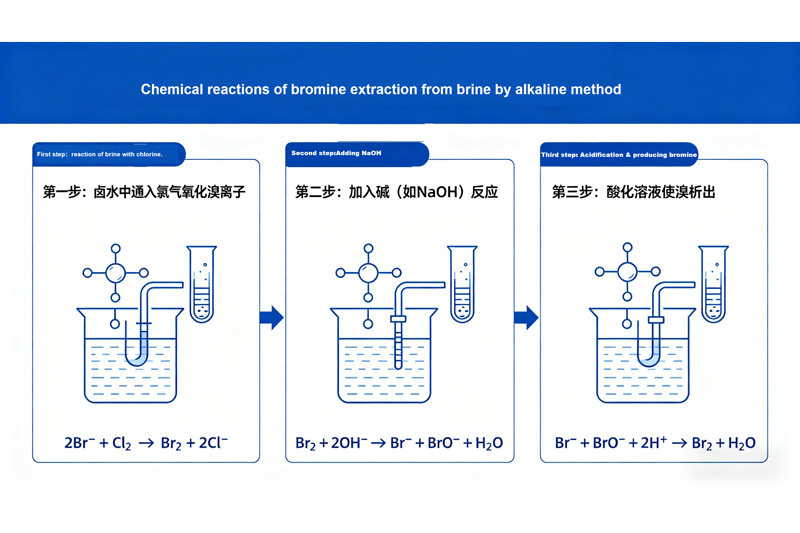
Alkali process: the bromine vapor is absorbed by an alkaline solution (such as sodium hydroxide, NaOH, or sodium carbonate). This reduces the free bromine back into concentrated bromide (Br-) and bromate salts.

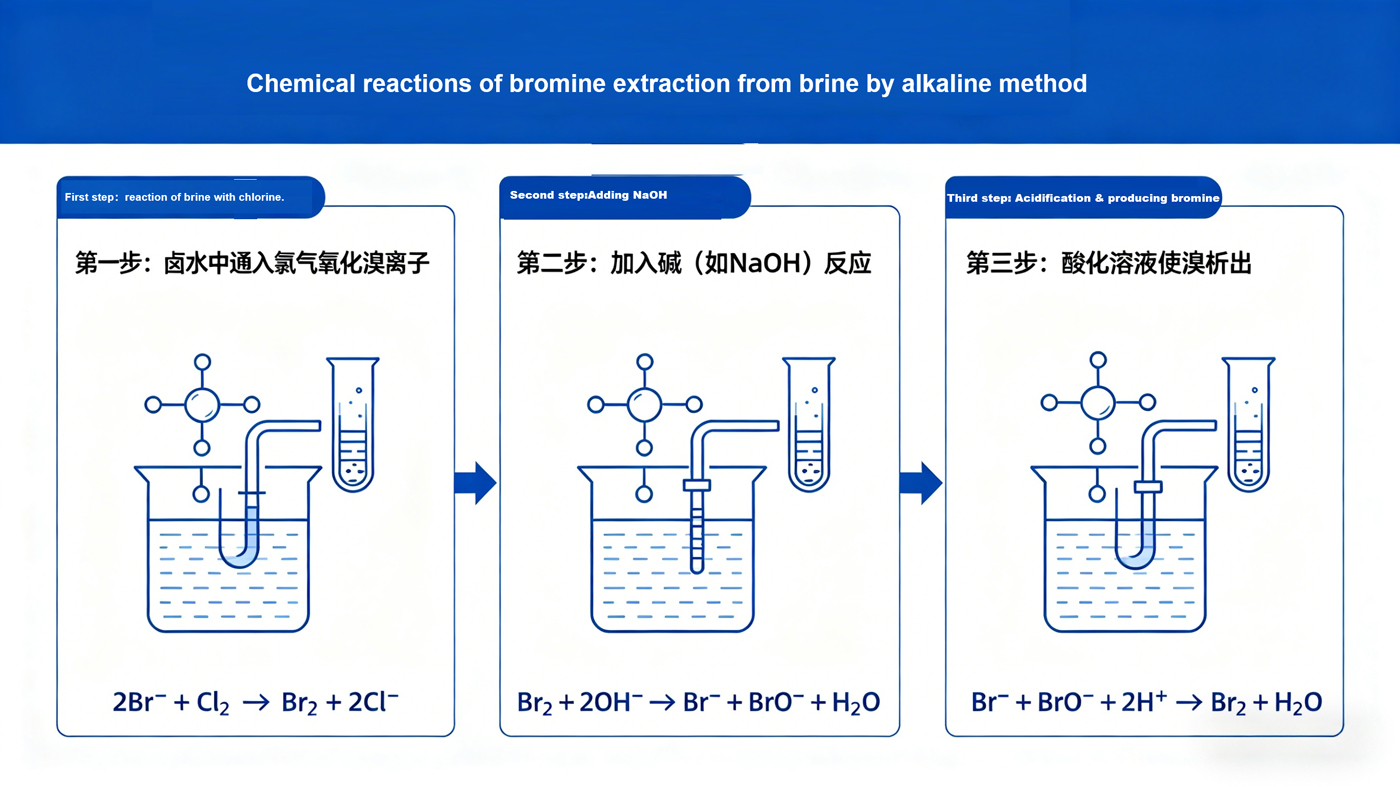
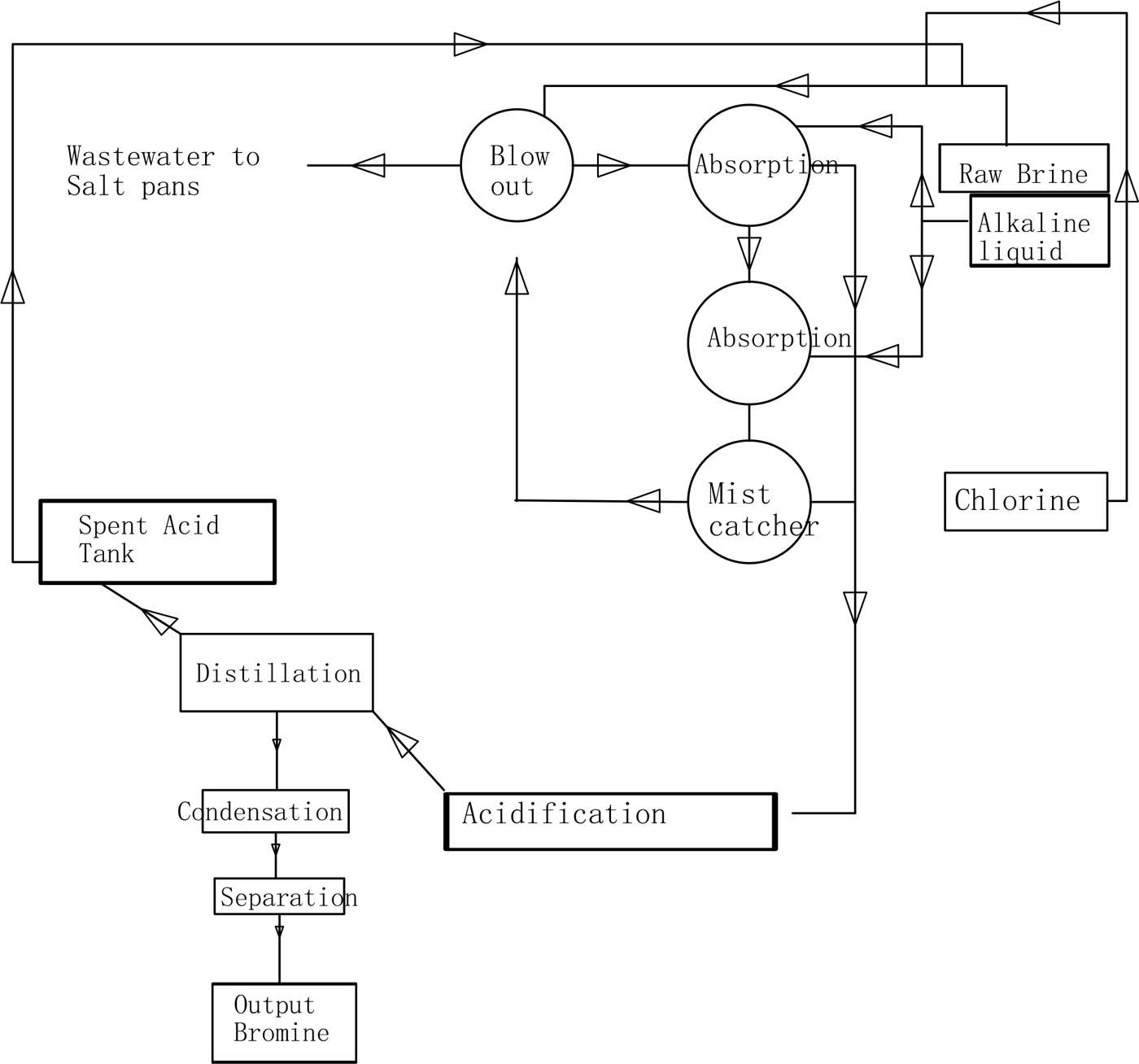
Chlorine is introduced into the brine to acidify it to an appropriate pH value. The oxidized brine is sprayed down from the top of the blow-off tower, with air blown in from the bottom to force the bromine dissolved in the water to be blown out. The brine after bromine removal is sent to the salt field for salt production.
The air carrying bromine vapor enters the absorption tower from the top. During this process, chlorine is added to oxidize bromide ions into free bromine. The bromine vapor is then discharged by air and absorbed by an alkaline solution (such as sodium carbonate or sodium sulfite) to form an alkaline bromide, namely sodium bromide. If you just want to produce sodium bromide, this method is suitable enough for you.
Then sodium bromide passes through the distillation tower, and water vapor at 80 - 85 degrees Celsius is introduced to trigger the reaction to produce elemental bromine.
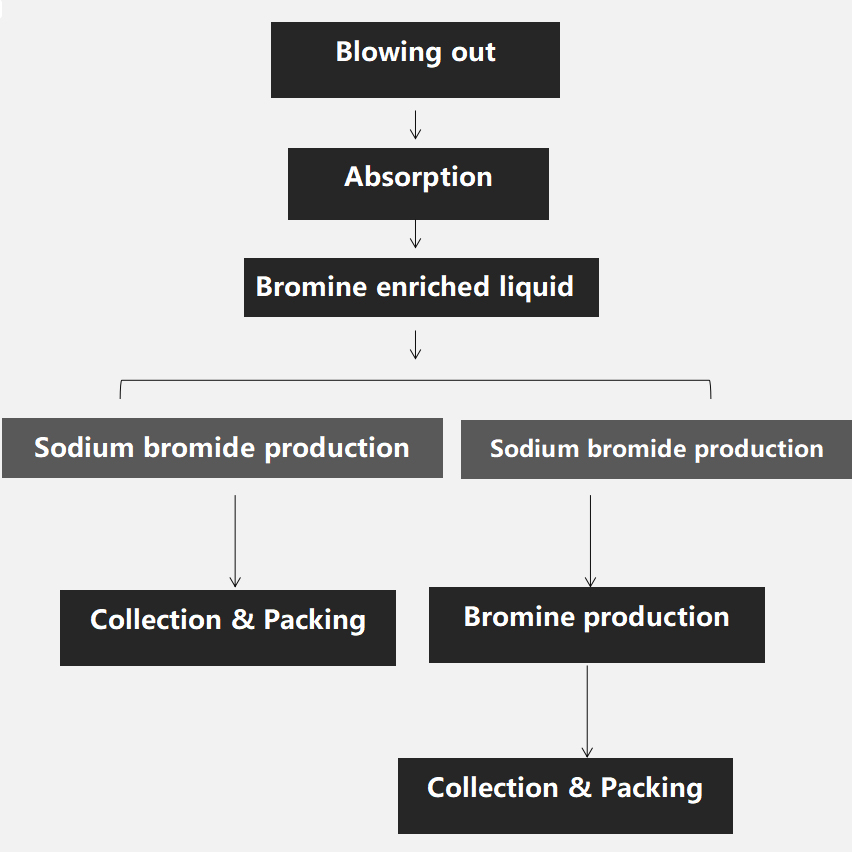
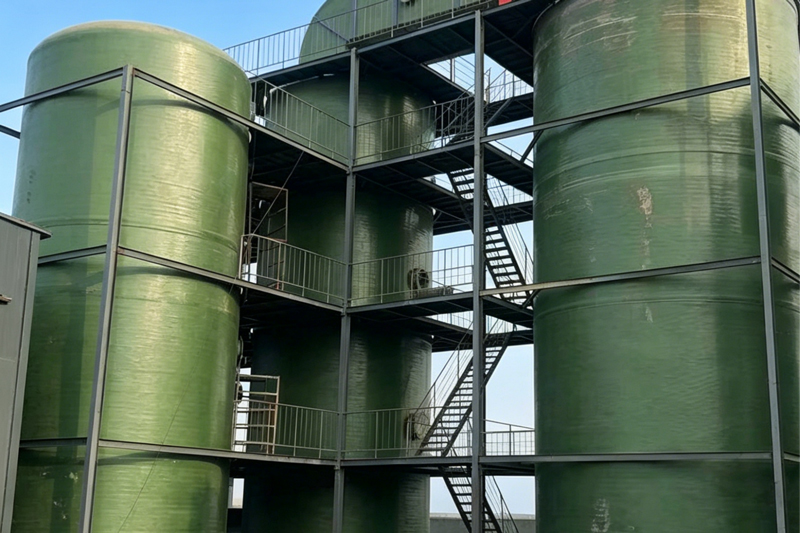
The main difference of blow-out & absorption tower between bromine extraction by acid method and alkali method is the quantity of absorption tower. Former is two, later is three.
The following is a flowchart for your reference.
1
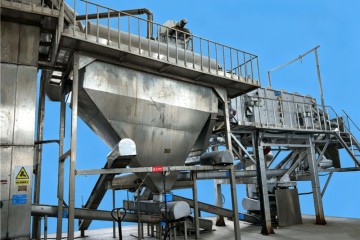
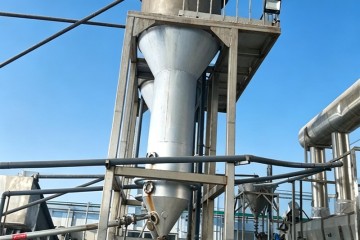
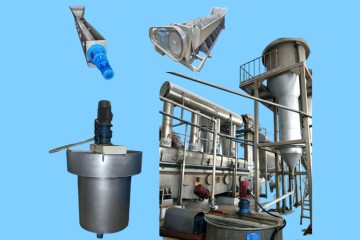
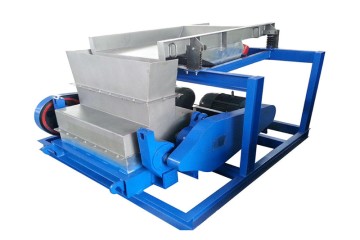
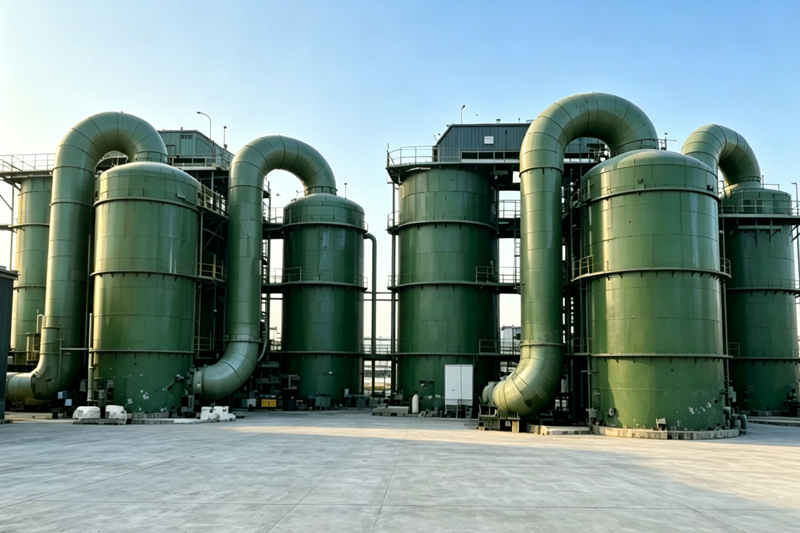
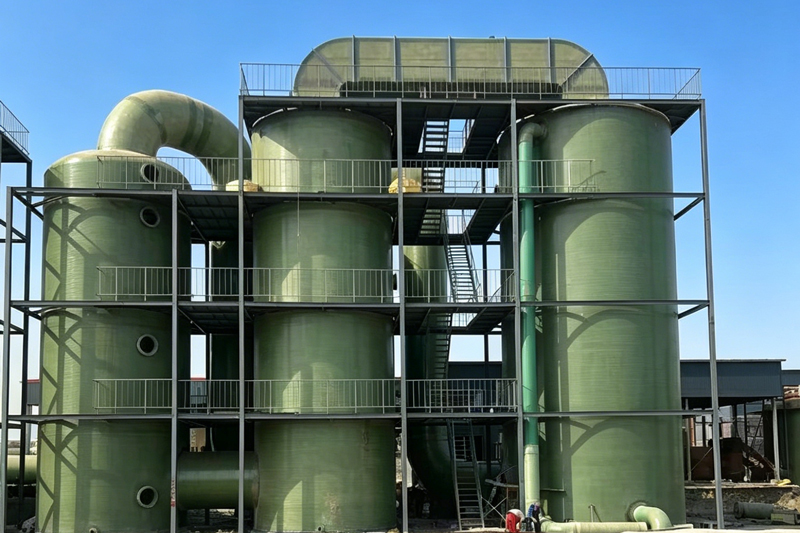
Equipment selection shall be primarily based on the daily bromine production capacity. The overall specifications, processing capacity, and ancillary units (distillation, absorption, and oxidation) must be compatible with the designed daily bromine output. Below is details of one set of machinery working, for your reference.
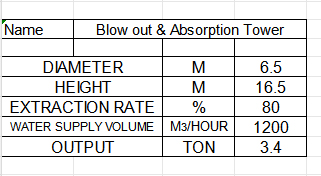
2
The influence of bromine concentration must be thoroughly considered. The bromine concentration in brine directly determines daily output, chlorine consumption, and extraction rate.
| Finished product purity | No less than 99.95% |
| Cost Advantage | 15-20% lower energy consumption, low maintenance cost |
| Durable equipment | FRP and PTFE corrosion-resistant material, 15+ year service life |
| Our Service | Customized design for different raw materials and production scales |
Frequently Asked Questions
Q: What is the Alkali Process for bromine extraction?
The Alkali Process (alkaline solution absorption) is a traditional three-stage extraction method involving the release of bromine from brine, followed by capturing and concentrating it using an alkaline solution, and finally recovering and purifying it.
Q: What is the main difference between the acid method and the alkali method?
The primary difference lies in the absorption liquid used. The alkali process utilizes an alkaline solution (such as sodium hydroxide or sodium carbonate) to absorb the bromine vapor, reducing free bromine back into concentrated bromide and bromate salts. Additionally, the alkali method uses three absorption towers, whereas the acid method uses two.
Q: How is elemental bromine produced from sodium bromide in this process?
The sodium bromide obtained during the absorption stage is passed through a distillation tower. Water vapor at 80 to 85 degrees Celsius is then introduced to trigger the chemical reaction that yields elemental bromine.
Q: What factors should be considered when selecting bromine extraction equipment?
Equipment selection should be primarily based on the daily bromine production capacity. The overall specifications, processing capacity, and ancillary units (such as distillation, absorption, and oxidation) must be fully compatible with your target daily output.
Q: How does the bromine concentration in brine affect the overall extraction process?
The bromine concentration in the source brine is a critical factor that directly determines the daily production output, the amount of chlorine consumption required for oxidation, and the overall extraction efficiency rate.