




0102030405
Acid Bromine Extraction System: China Suppliers & Factory for Industrial Production and Brine Recovery
Overview
Acid bromine extraction, also known as air stripping+sulfur dioxide reduction absorption, is the most widely used, mature, and cost-effective technology for extracting bromine from underground brine, salt lake brine, and seawater. It has the characteristics of high bromine recovery rate, stable operation, and low energy consumption, and is the preferred solution for modern large-scale bromine plants.
Working principle
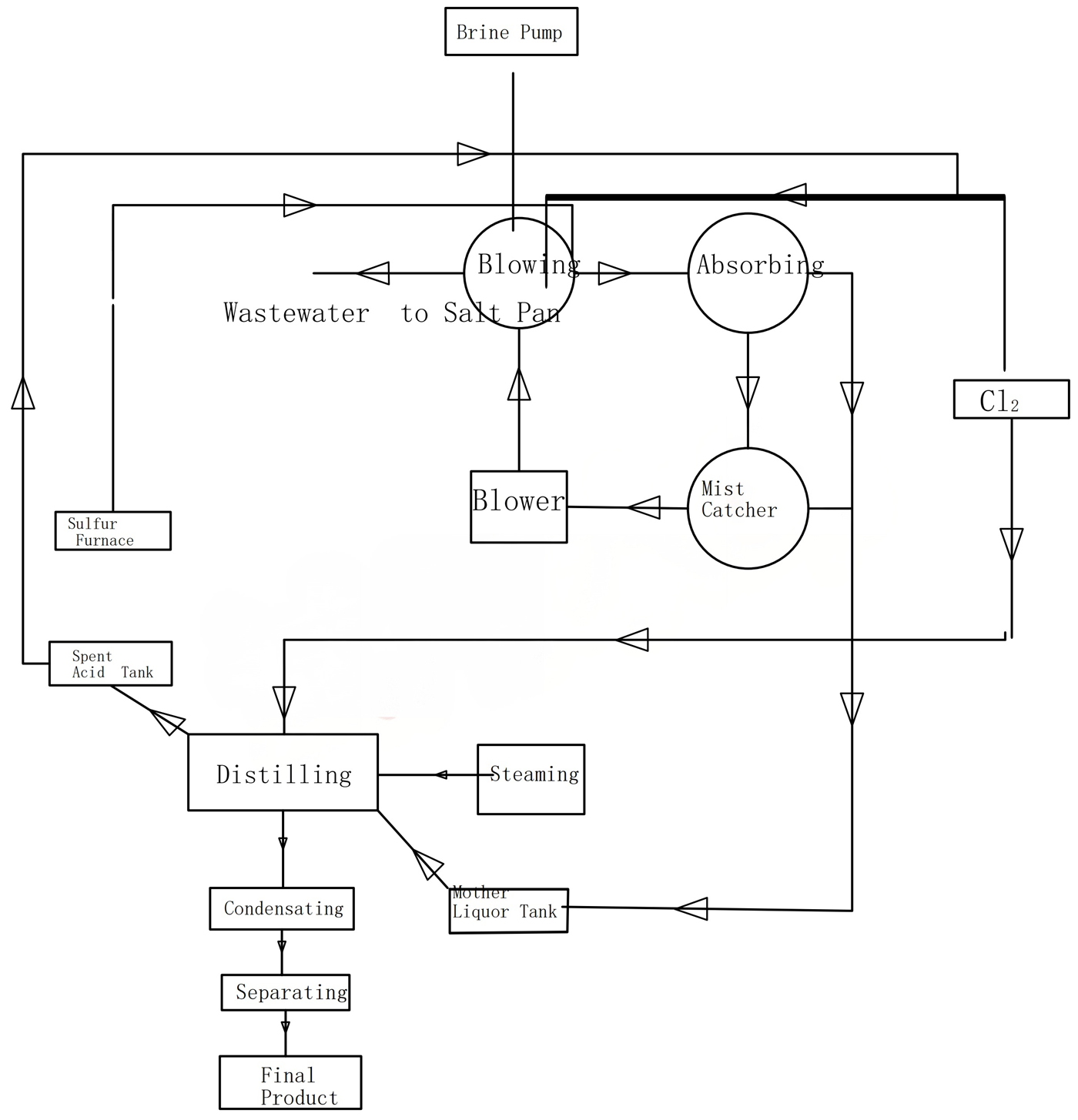
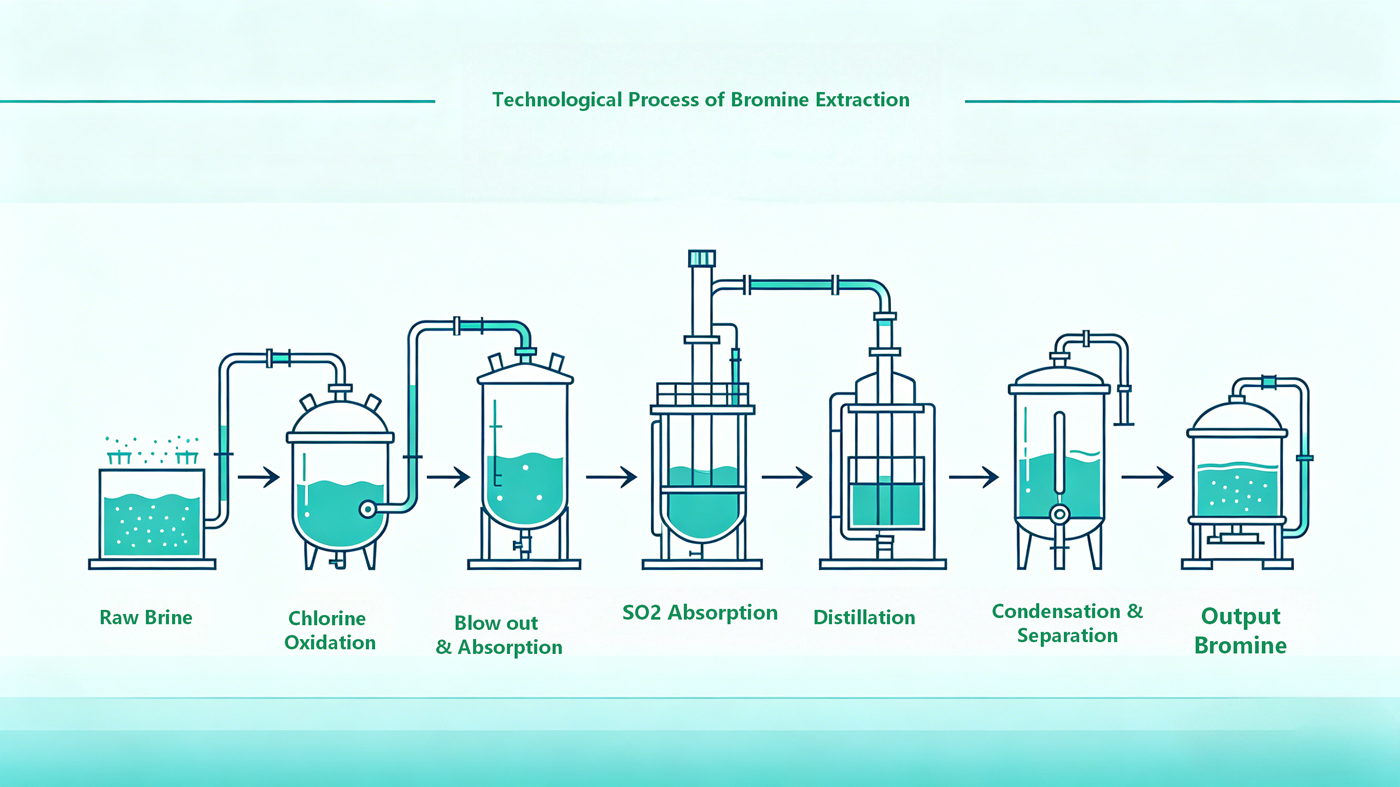
This process converts bromide ions (Br ⁻) in the original brine into high-purity elemental bromine through four core stages. During the process of extracting bromine, it does not affect the subsequent production of raw salt.
1) Acidification and oxidation
Acid the original brine with sulfuric acid and control the pH between 2.0 and 3.5 to prevent hydrolysis of chlorine and bromine. Next is oxidation, which will be tested on a small scale in the laboratory using oxidants such as concentrated sulfuric acid or acidified potassium permanganate; In large-scale industrial production, chlorine gas is mainly used, which is introduced to oxidize the bromide ion Br ⁻ into bromine molecules (Br ₂).
2) Air blows out
The oxidized brine enters the blowing tower and is blown back into the air to blow volatile bromine out of the liquid phase, forming a bromine gas mixture.
3) Reduction and absorption
If hazardous elemental bromine is not required, it can be efficiently enriched with bromine by reducing it to hydrobromic bromide (HBr) using sulfur in the second absorption tower. If elemental bromine is needed, the following steps need to be taken.
4) Distillation and Purification
Concentrated HBr is re oxidized with chlorine gas and distilled with steam. After condensation and separation, finished bromine with a purity of up to 99.95% or higher can be obtained.
Complete process flow
Advantages of core equipment
✓
High extraction rate
✓
Low consumption of steam and electricity
✓
Mature and reliable technology, suitable for long-term continuous operation
✓
Strong adaptability to medium to high concentrations of bromine containing brine
✓
Reasonable equipment layout for easy automatic control and maintenance
✓
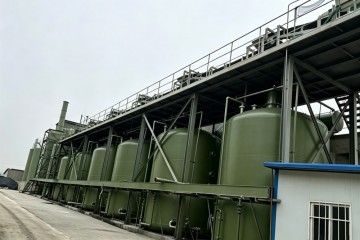
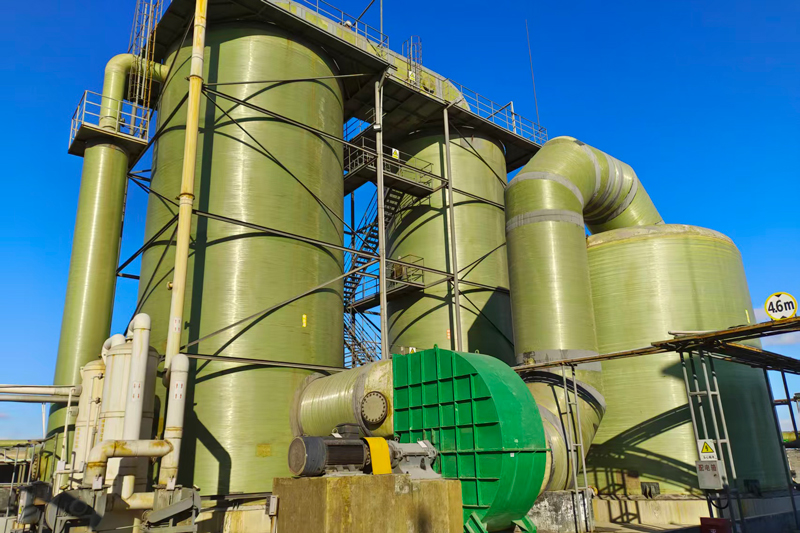
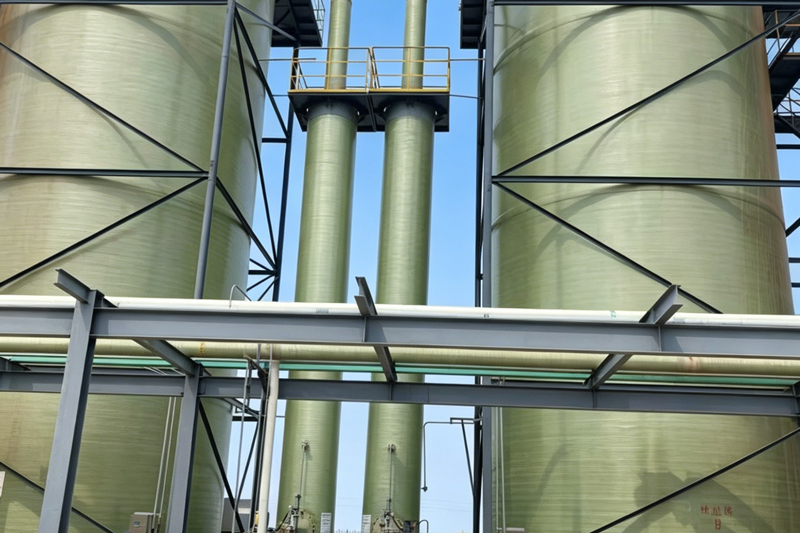
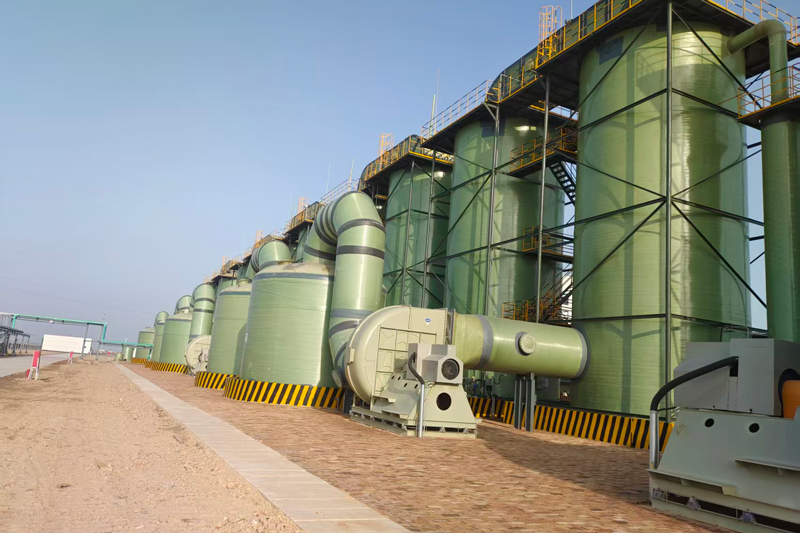
Corrosion resistant fiberglass structure ensures long service life
Frequently Asked Questions
Q1: What raw materials are suitable for acid bromine extraction?
This technology is highly versatile and widely used for extracting bromine from underground brine, salt lake brine, and seawater.
Q2: Does the bromine extraction process affect subsequent salt production?
No, extracting bromine using this process does not impact the quality or subsequent production stages of raw salt.
Q3: Why is the acidification step controlled between pH 2.0 and 3.5?
Acidifying the brine to a pH range of 2.0 to 3.5 is crucial to prevent the hydrolysis of chlorine and bromine, ensuring high oxidation efficiency.
Q4: What is the typical purity of the bromine produced?
After the final distillation and purification stages, finished bromine with a purity of up to 99.95% or higher can be successfully obtained.
Q5: What makes this equipment durable against corrosive chemicals?
The core equipment features a corrosion-resistant fiberglass structure, which is specifically designed to handle acidic solutions and ensure a long service life.